

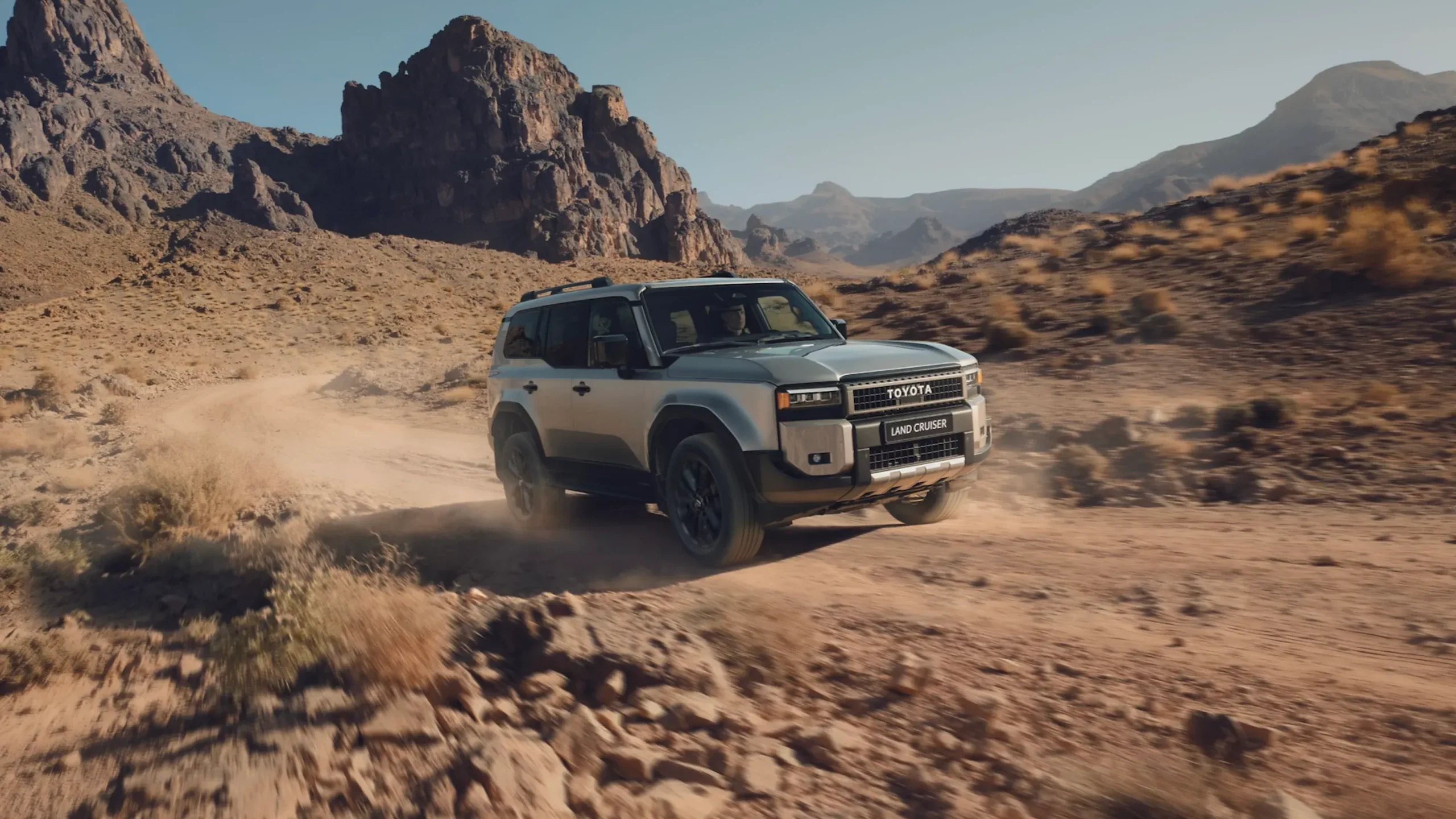
Toyota’s latest update to the Land Cruiser introduces an electrified powertrain, but not in the way most drivers associate with hybrid technology. The newly announced 2.8D 48V model adopts a mild-hybrid system designed to support, rather than replace, the traditional diesel engine. This setup pairs the familiar 2.8-liter turbo-diesel with a compact 48-volt electric motor-generator, a small lithium-ion battery, and related control hardware. Unlike a full hybrid, the system cannot propel the vehicle on electricity alone and offers no dedicated EV mode. Instead, the motor-generator steps in during start-stop operation, assists initial acceleration, and harvests energy during deceleration to improve overall efficiency and refinement. For this reason, the most accurate description of the powertrain is “48-volt mild-hybrid diesel,” a term that aligns with Toyota’s own preference for phrases such as “48V technology” or “electrified diesel,” which emphasize assistance rather than electric propulsion.

Under certain conditions, it can deliver up to 12 kilowatts and 65 newton-meters of torque at take-off, resulting in a more linear, controlled initial thrust. Importantly for overland and off-road users, Toyota has designed the 48-volt system to withstand harsh environments. The battery pack—a relatively compact 13-cell, 4.3-amp-hour unit weighing only 7.6 kilograms—is mounted under a revised deck board and cooled by external airflow. The system’s cooling path is filtered to resist dust ingress, and the battery architecture is protected against water ingress. The motor-generator sits high on the engine block, enabling the vehicle to retain its 700 millimeters water-wading capacity as an absolute limit. Some potential buyers may worry that the added electrical components, wiring, and battery make the vehicle less simple and potentially more vulnerable in rugged environments.

Toyota emphasizes that the mild-hybrid design presented by the 48-volt system allows the company to electrify the Land Cruiser without overhauling the existing platform or powertrain architecture. By keeping the system more compact than a full hybrid, integration is less invasive and retains the chassis and body-in-frame build that are hallmarks of Land Cruiser durability. This same 48-volt design has also been applied to the brand’s recently updated pickup, showing Toyota’s intent to gradually electrify its entire utility vehicle lineup with minimal compromise to proven mechanical integrity.
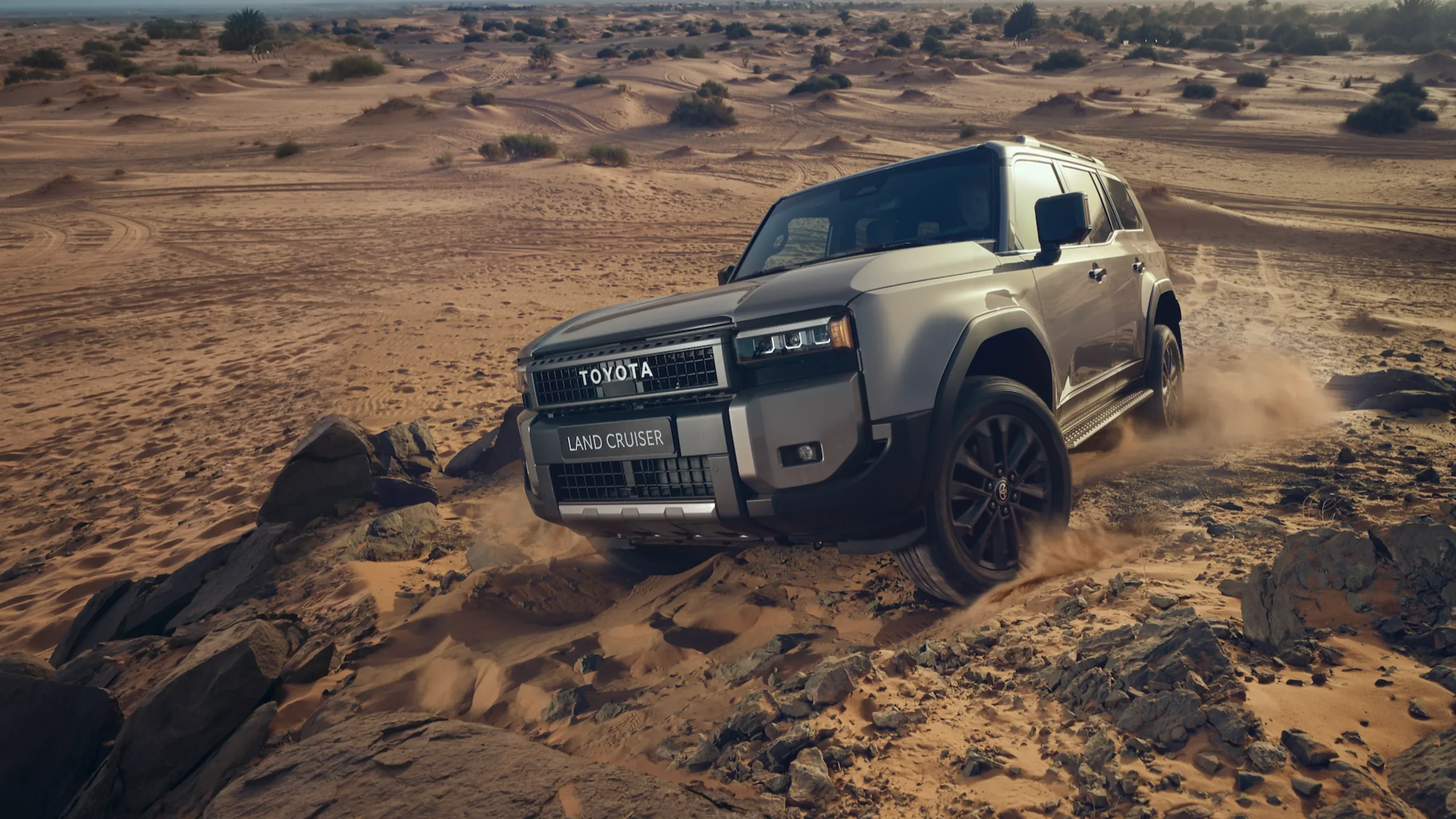
Toyota claims tangible benefits for everyday driving: start-stop operation becomes smoother and quieter, acceleration from standstill is more controlled, and deceleration feels more natural thanks to energy recuperation. On unpredictable terrain—whether rocky trails, deep water crossings, or muddy tracks—the Land Cruiser retains its four-wheel drive, high ground clearance, robust chassis, and sealed driveline components. The hybrid system is engineered to preserve all of these traits while adding convenience and modest efficiency gains, which begs the question: Why would a buyer choose this electrified vehicle over the standard 2.8 turbo-diesel? Essentially, buyers may prefer the 2.8D 48V because its mild-hybrid system delivers smoother low-speed performance and modest gains in energy recuperation and emissions over the standard diesel.


By electrifying the Land Cruiser with a 48-volt mild-hybrid system, Toyota appears to be preparing the model for stricter emissions regulations and an evolving market, while aiming to preserve, as the company puts it, “the Land Cruiser’s ability to operate in extreme conditions and rough terrain.”
Observers expect the shift to be met with interest from buyers seeking a robust, traditional 4×4 with improved on-road civility and marginal efficiency gains—a potentially attractive package for those who use the vehicle for both rugged expeditions and daily driving. As delivery of the first units approaches in early 2026, much attention will turn to whether the hybrid Land Cruiser lives up to its promise in real-world conditions.
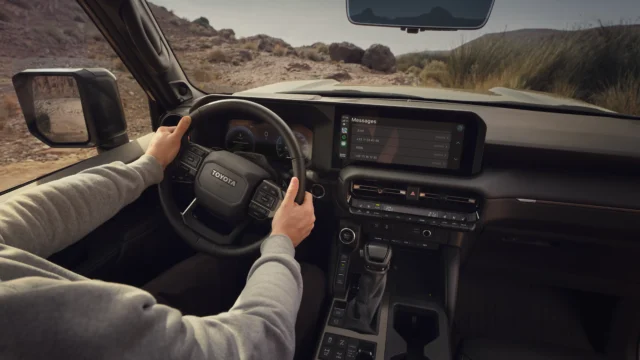

Interior and equipment levels remain oriented toward comfort and versatility. The Invincible trim includes 20-inch alloy wheels, roof rails, a panoramic roof, leather-trimmed upholstery, a 12.3-inch multimedia touchscreen, a head-up display, and a 14-speaker JBL premium audio system. Off-road features such as multi-terrain drive modes, a rear differential lock, stabilizer disconnect, and a comprehensive suite of driver assistance technologies are also standard.
Given past precedent, Toyota often designs certain powertrains and features specifically for the markets where they are launched; in this case, the 48-volt hybrid seems tailored for regions with stricter emissions regulations or different market demands (e.g., Europe). Until Toyota issues an explicit US market announcement, the safest assumption is that the 2.8D 48V will remain unavailable in the United States.
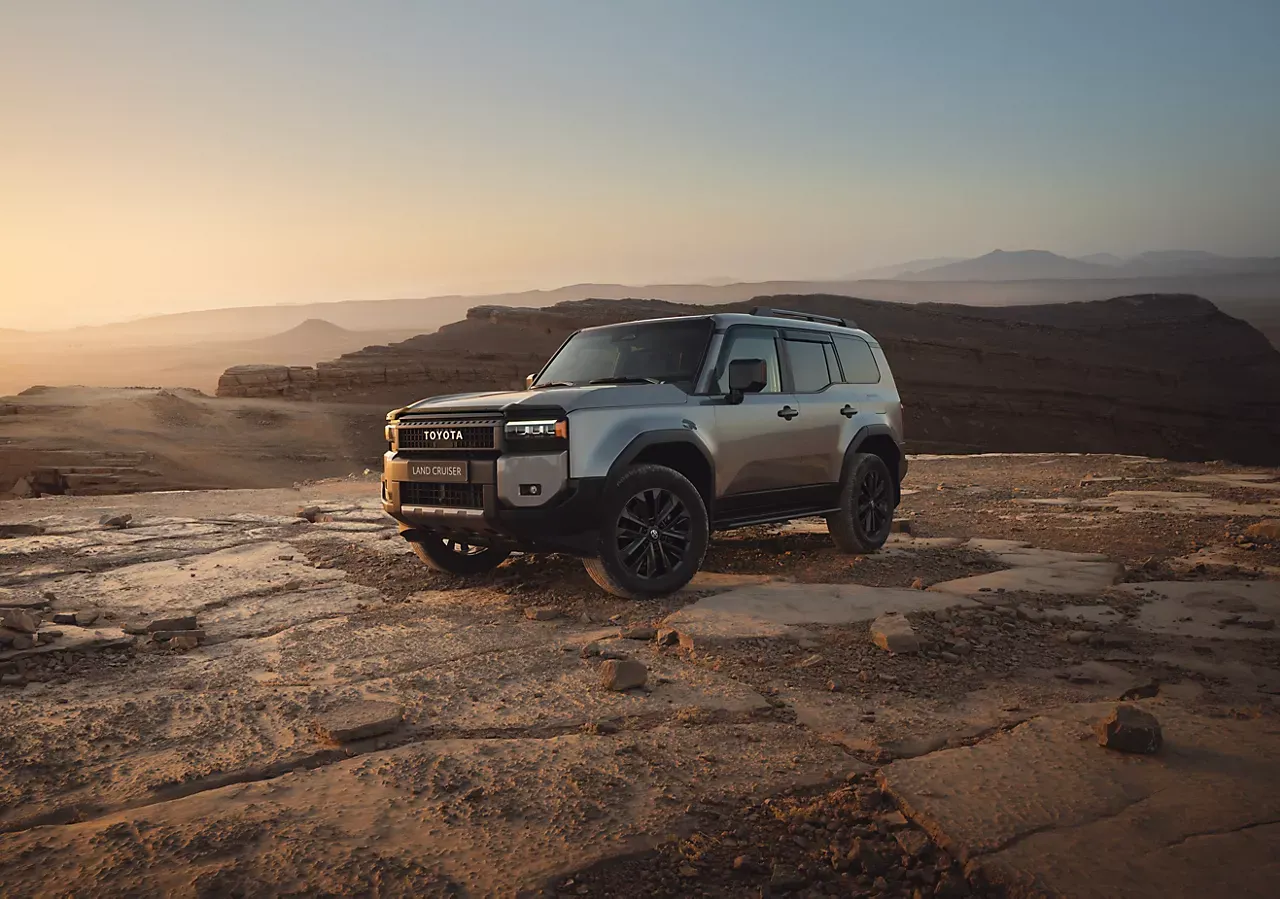
With the switch to the new electrified powertrain, the Land Cruiser’s configuration for 2026 becomes more streamlined. In the United Kingdom, for example, the SUV will now be offered only in a five-seat layout under the “Invincible” trim. At launch, the 2.8D 48V is priced at £80,740 ($102,000) on the road. Deliveries are slated to begin in March 2026.
Read More: Australian Patriot Campers Has Unveiled the Flagship Supertourer ST7
Our No Compromise Clause: We do not accept advertorial content or allow advertising to influence our coverage, and our contributors are guaranteed editorial independence. Overland International may earn a small commission from affiliate links included in this article. We appreciate your support.
