

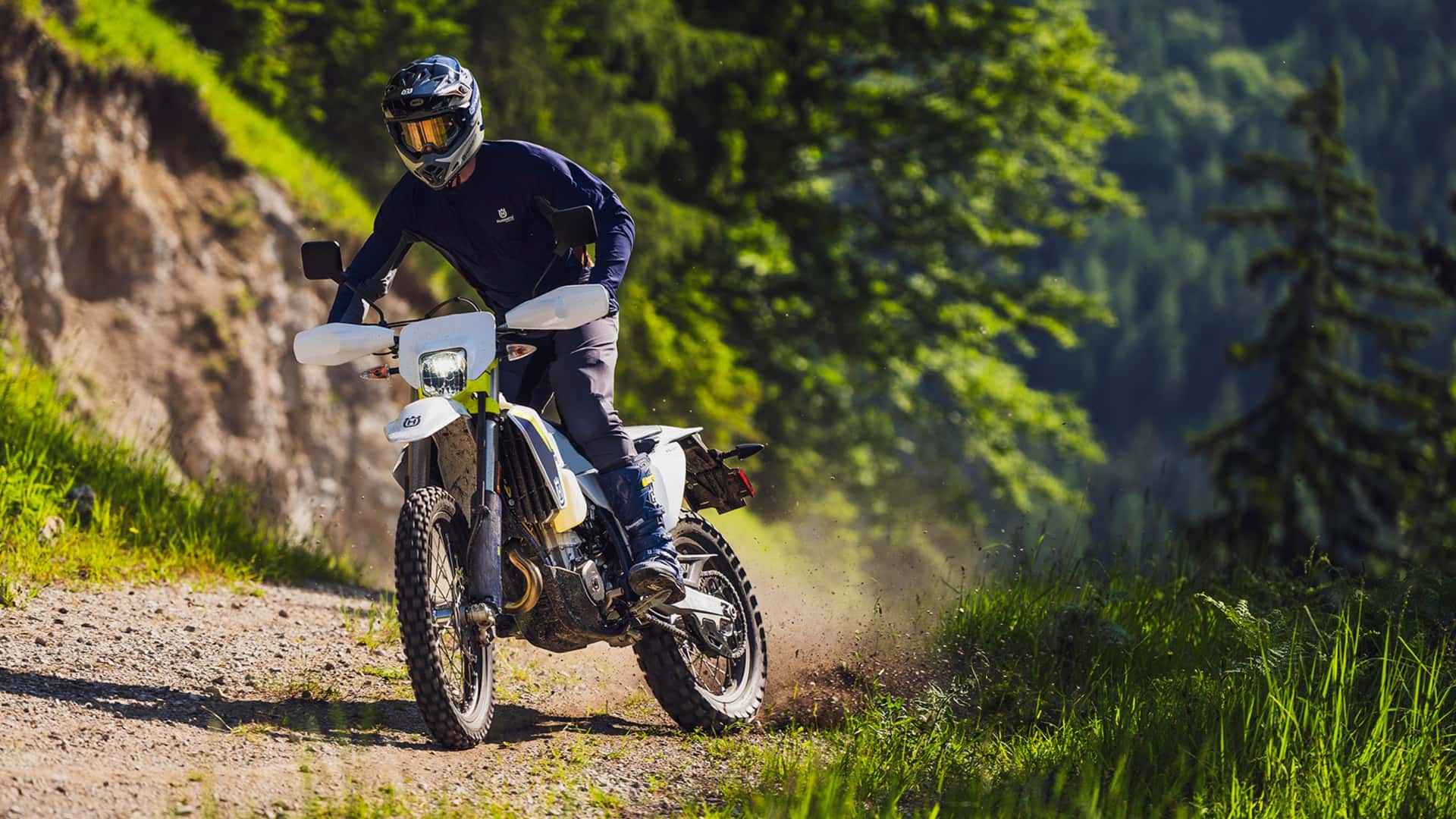
Dual-sports and enduros are the most versatile of ADV machines when it comes to tackling gnarlier terrain. Long-travel suspension, less mass, and high ground clearance open the way to trails that bigger touring bikes balk at. There are trade-offs, of course, including more frequent maintenance intervals, smaller fuel capacity, and punishing highway manners. Still, if getting deep into the backcountry is on your travel agenda, there’s no substitute for these street-legal dirt bikes. Husqvarna recently announced its small-displacement single-cylinder 2026 dual-sport lineup with a handful of subtle but important upgrades.
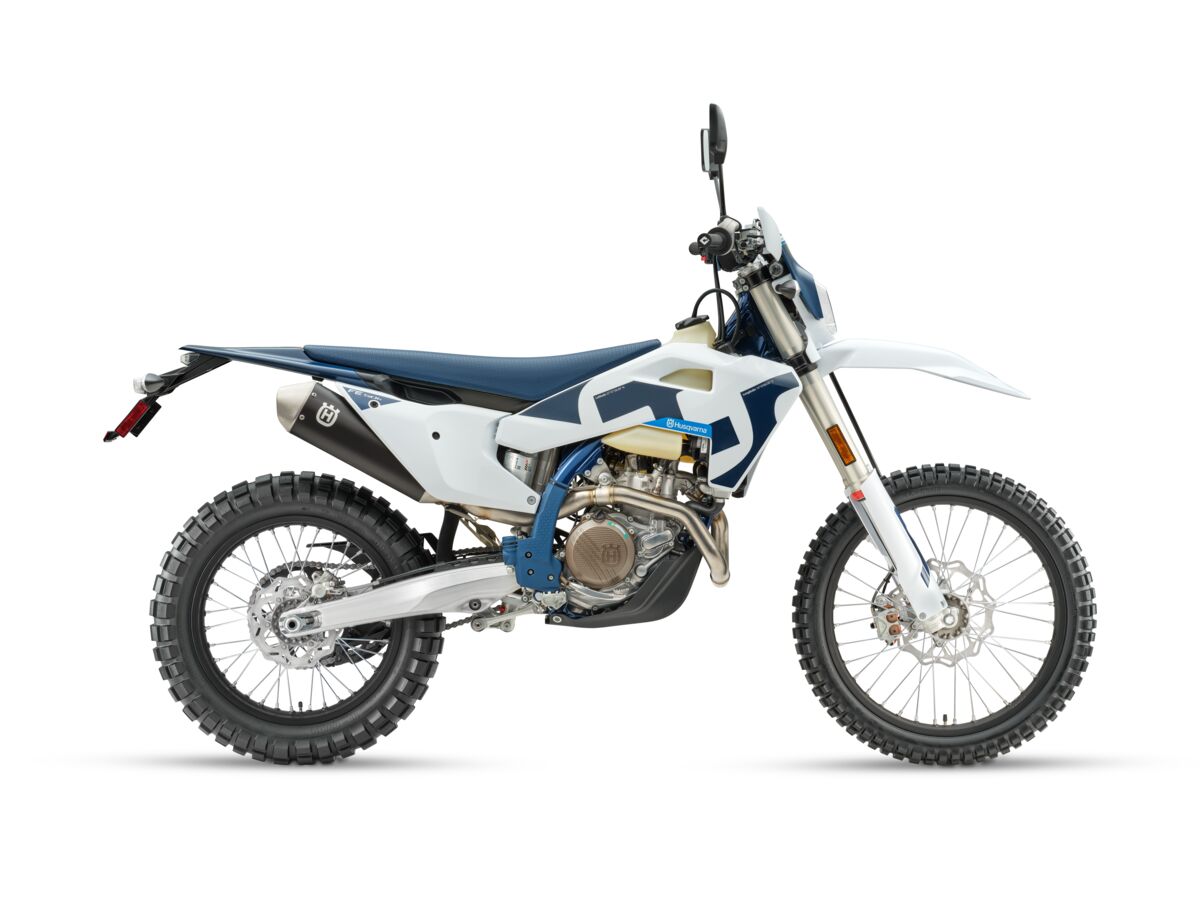
The FE350s and FE501s are differentiated only by their engine size and the accompanying slight weight difference (253.5 pounds and 256 pounds, respectively). Otherwise, all the upgrades and improvements for 2026 apply to both bikes, as well as the $12,999 starting price. Thirteen large is relatively steep for a dual-sport like the FE. It is within a couple of hundred dollars of KTM’s 500 XC-F enduro, but double the cost of the 2025 KTM 390 Enduro R. I’m wrapping KTM into the conversation here because, as sister brands under the new Bajaj umbrella, Husky (and GasGas for that matter) will need to continue to stake a claim to its own distinct identity vis-a-vis the big orange brother.
Are the new Husqvarna dual-sports simply KTMs in thin disguises? Husky says that the FE has “new graphics for a classic, Swedish-inspired look”, so there’s that. But under the skin, there are also some key updates, mostly in the all-important suspension department. A few changes to the WP XACT closed cartridge fork should offer improved performance. Both models feature polished springs, a new pressure reservoir, and a one-piece hydrostop for a better damping curve over the 300 millimeters of travel. New compression and rebound settings have been introduced on the fork, as well as to the WP XACT rear shock (also 300 millimeters of travel), to “retain chassis balance and refine the overall handling of each machine”.
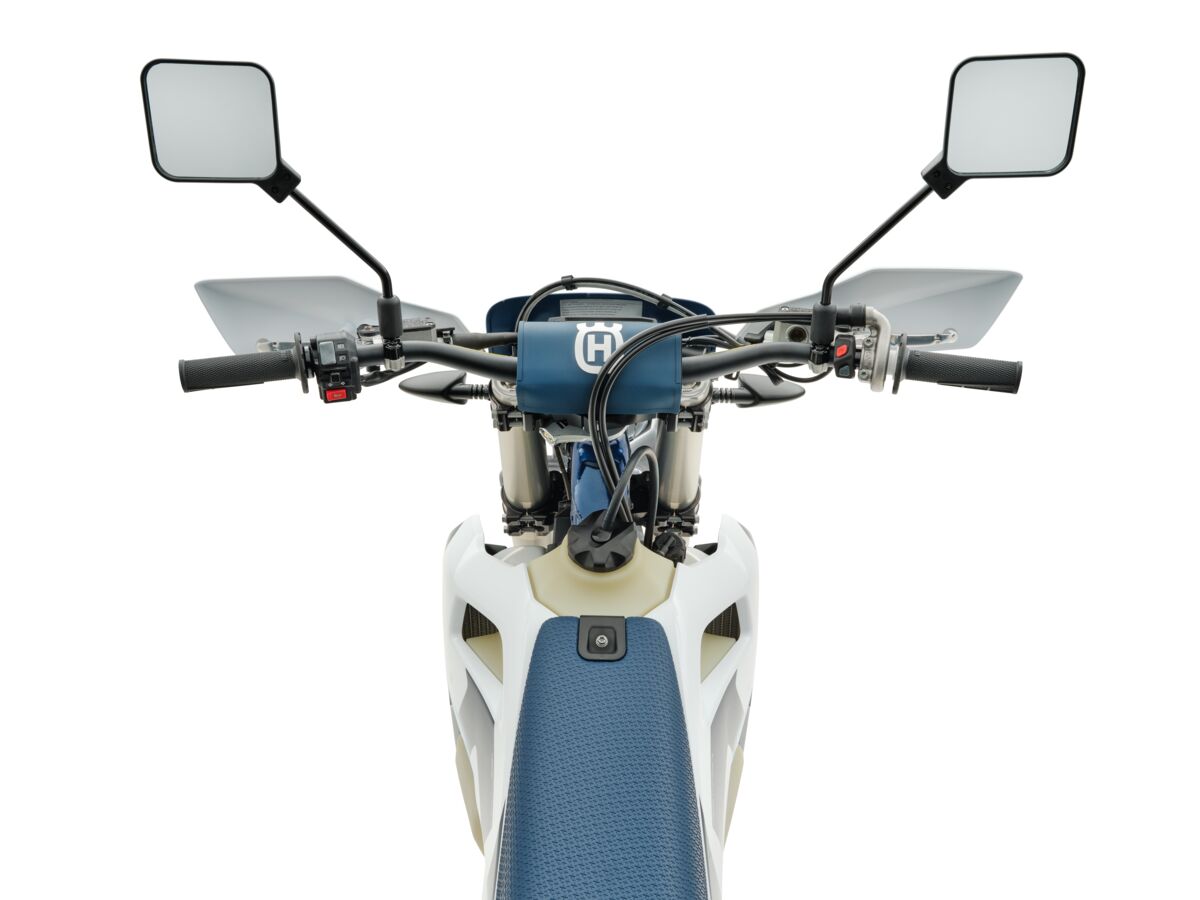
Also new for 2026 is a massaged fuel tank shape that will theoretically improve fuel consumption, but at only 2 gallons of capacity, riders on longer adventures will need an accessory fuel bladder or wait for the aftermarket to cook up a long-range tank. The frame is hydro-formed chromium molybdenum, mated to an aluminum-polyamide subframe that strikes a middle ground between ruggedness and light weight. Befitting Husqvarna’s spot in the premium segment of the market, Brembo brakes and clutch mounted to ProTaper handlebars round out the controls, along with electric start, a lithium battery, and LED lighting.
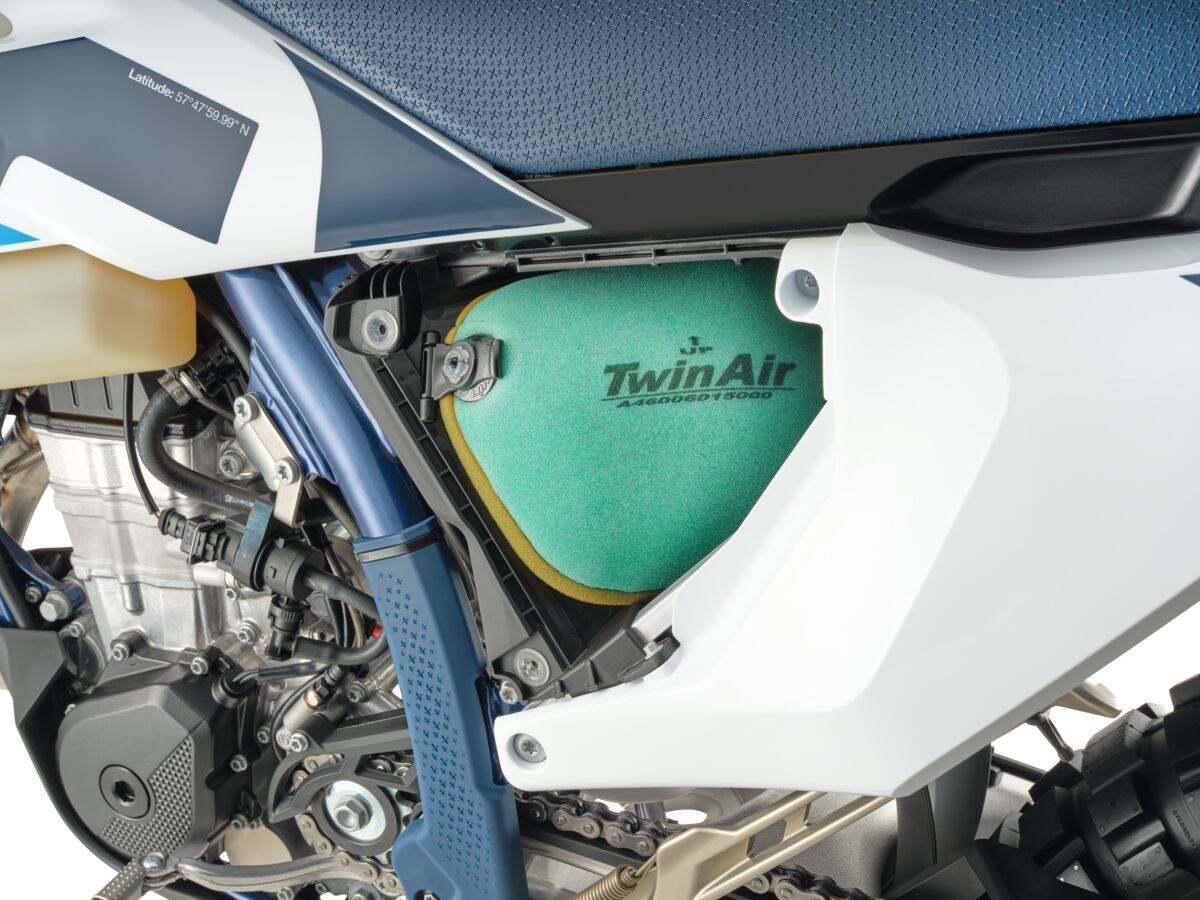
But at the heart of it all, the thumpers that motivate the new Husky dual-sports are rebadged KTM units that will require some attention, if not concentration, to keep moving reliably down the road. How do lightweight dual-sports from the KTM extended universe stack up as vehicles for extended adventure travel? For an answer to that question, keep an eye out for the Winter issue of Overland Journal, which includes a long-term review of the KTM 500 XC-F by Lisa Morris from Four Wheel Nomad. You’ve renewed your subscription, right?
Images: Husqvarna
Read More: Expedition Portal Exclusive :: Sneak Peek at the Montana Backcountry Discovery Route (BDR)
Our No Compromise Clause: We do not accept advertorial content or allow advertising to influence our coverage, and our contributors are guaranteed editorial independence. Overland International may earn a small commission from affiliate links included in this article. We appreciate your support.
