

For many years now, there’s been a big conspicuous blank spot on the Backcountry Discovery Routes map—a 700-mile by 320-mile blank, to be exact. Montana is the fourth-largest US state, and the last west of the 100th meridian to be graced with a BDR. That will change in early 2026 when the Montana Backcountry Discovery Route is unveiled. BDR has been teasing the route for a little while, and rumors and whispers have floated around about the particulars, but the organization has been very successful in keeping things under wraps.

The national map of the current Backcountry Discovery Routes.
I recently chatted with Russ Ehnes, the co-creator of the Montana BDR, for an exclusive behind-the-scenes look at the development of the route. While he was mum on the details, some themes emerged in our conversation that will whet the adventure appetite of any rider, whether new to the dual-sport lifestyle or an old hand.
First, a bit about Russ Ehnes. A fifth-generation Montanan and motorcycle rider since he was 4 years old, he lives in Great Falls and is currently embarking on one of life’s true adventures—retirement. That means he spends more time than not on his motorcycle these days, and over the years, he’s developed over 2,400 miles of his own ADV and enduro riding routes around Montana.
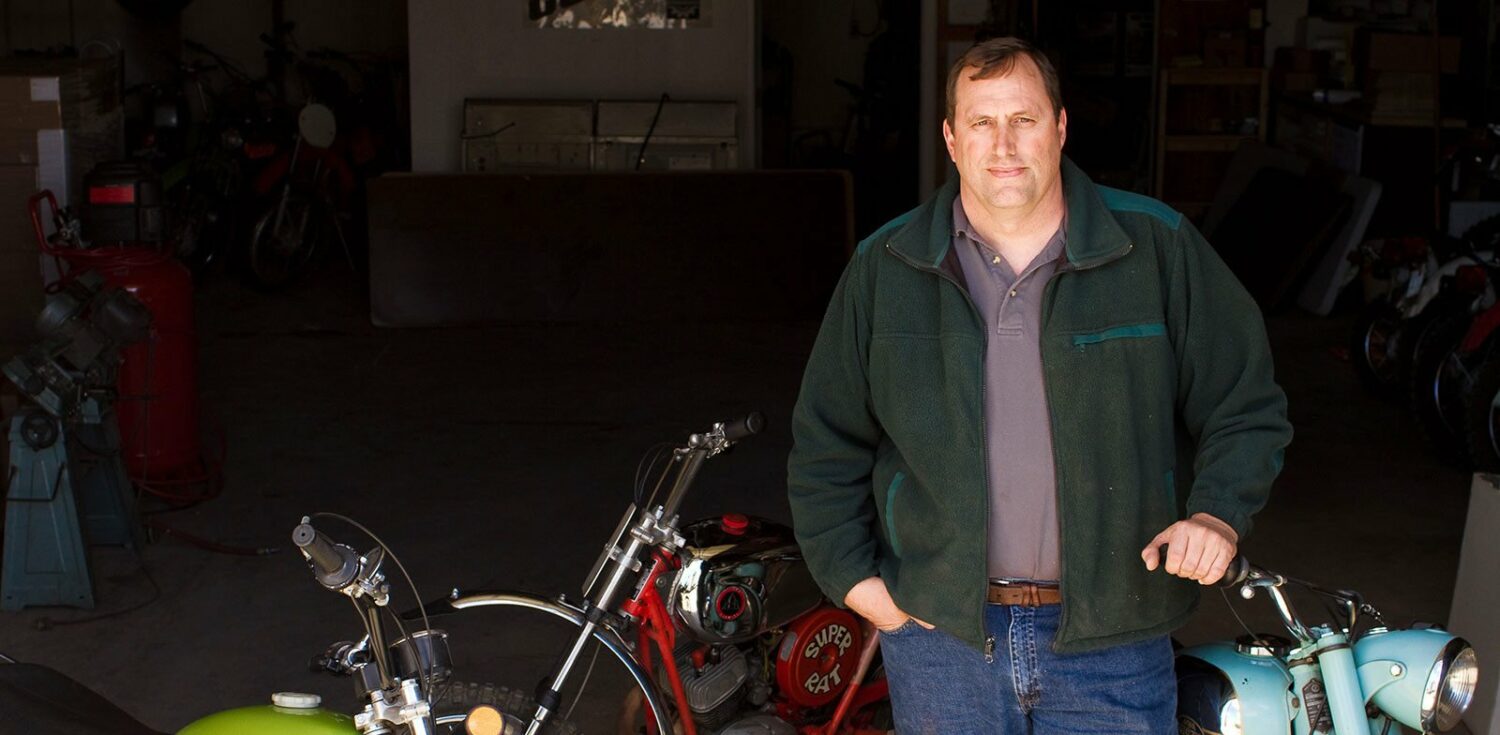
Russ Ehnes (Courtesy of the American Motorcyclists Association)
If his name sounds familiar, it’s likely because he’s also “hip deep” in the wider motorcycling community. Russ is currently the chairman of the board of directors for the American Motorcyclists Association, as well as the President of the Montana Trail Vehicle Riders Association and the Great Falls Trail Bike Riders Association. He’s also the past executive director of the National Off-Highway Vehicle Conservation Council, so his bona fides for motorcycling advocacy are second to none. Russ jokes that “outside of motorcycles, I have absolutely no life,” and describes himself as a “dirtbag dirt biker.”
A number of years ago, a group ride on the Mid-Atlantic BDR (with the leadership of Backcountry Discovery Routes) cemented a partnership between the AMA and BDR, and connected Russ with BDR’s route development director, Bryce Stevens, who was just starting to sketch out the Montana route. Russ and Bryce decided to team up, and over three hard-riding years, the Montana BDR emerged from the trails and back roads of the Treasure State.
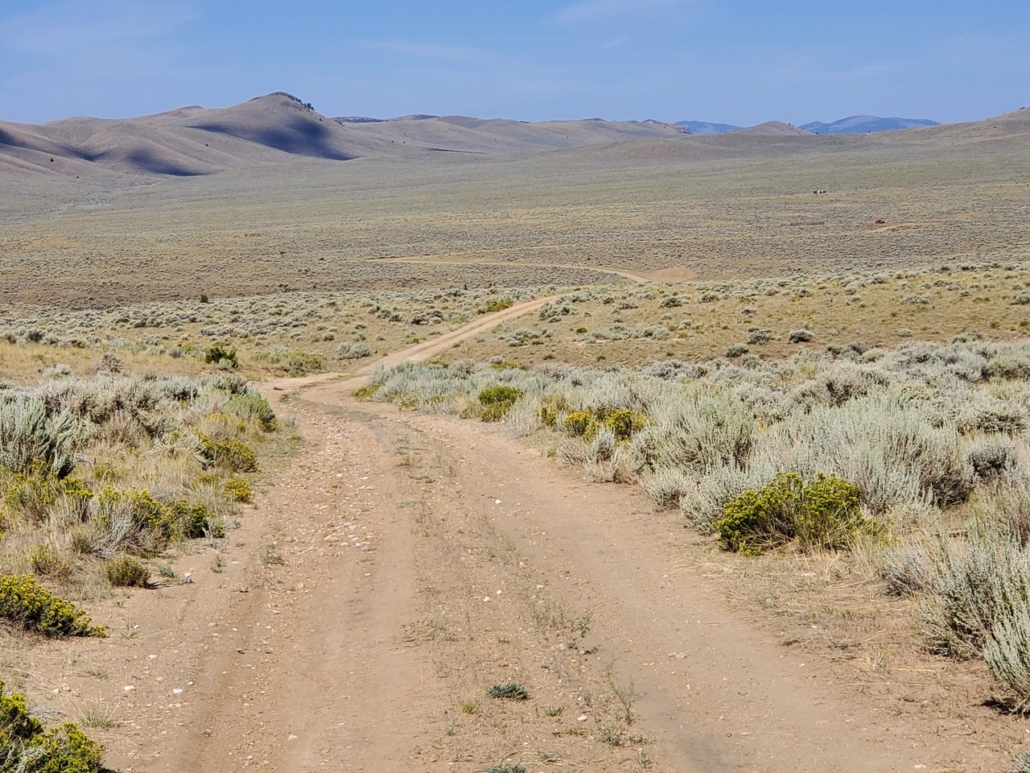
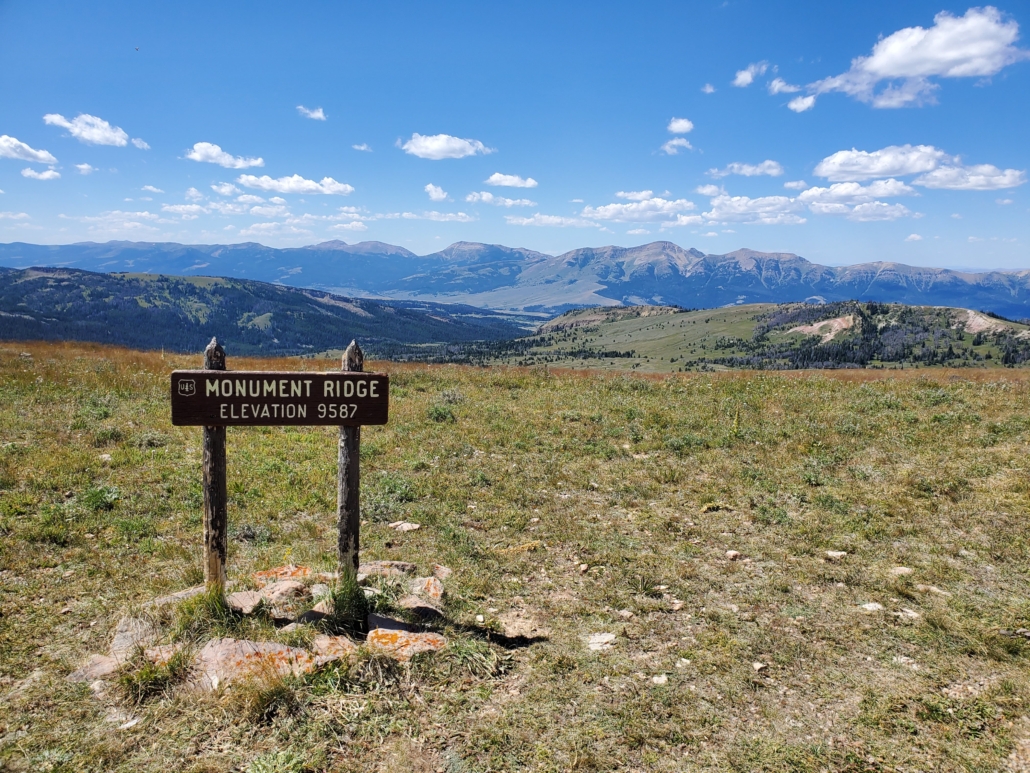
BDR says of the Montana route, “The forthcoming Montana BDR will take riders on an incredible journey through more than 10 mountain ranges, covering about 1,000 miles across the state. With epic backroads, historic towns, and stunning landscapes, this route has something for every adventure rider and traveler. As the final piece of the western US BDR network, the MTBDR might be the most anticipated route we’ve ever made—and we can’t wait to share it with the adventure community in early 2026.”
The following interview is edited for length and clarity.
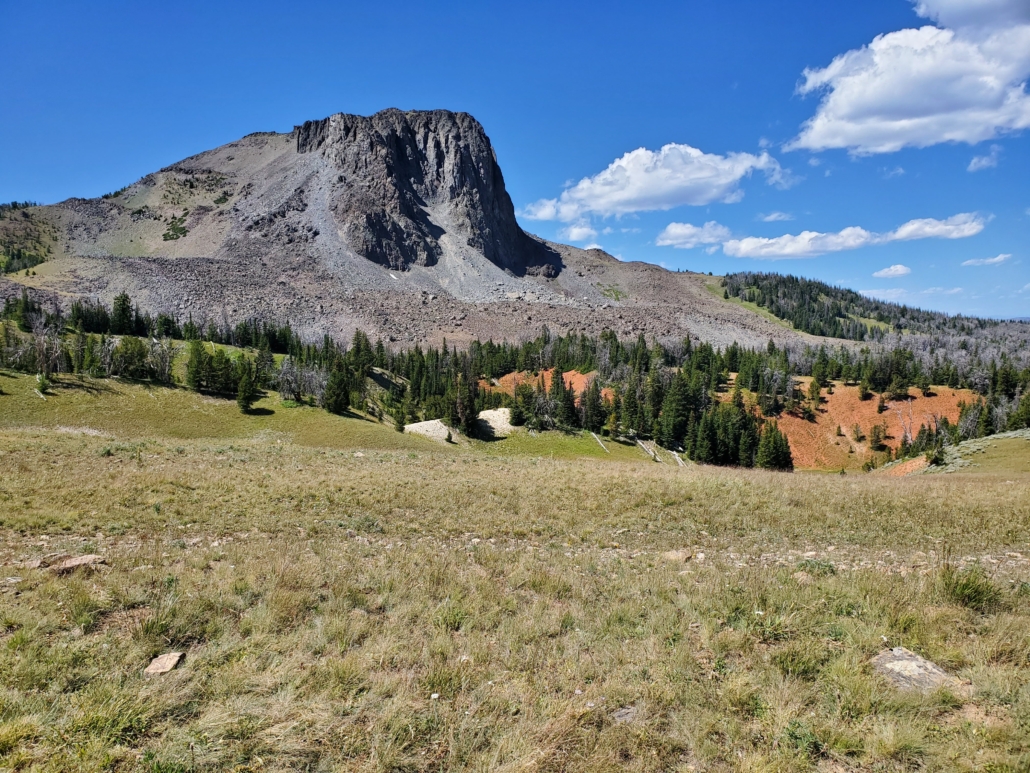
Images are courtesy of Russ Ehnes via his Facebook page, the American Motorcyclists Association, and Backcountry Discovery Routes, and the photos do not necessarily reflect any detail about the Montana BDR.
Expedition Portal:
How did you get into ADV riding?
Russ Ehnes:
My dad and mom both did “dual-sport” riding in the 1960s, which really was just plain old riding back then. My dad kept telling me, “You’ve got to try this,” and I kept telling him, “That’s for old people. I’m too busy riding my dirt bike. When I get old, maybe I’ll think about it.”
But he kept bugging me. Finally, I relented literally just to shut him up [laughs]. I borrowed my mom’s Yamaha XT225, and I found out that it’s just such an amazing way to see the world. Rather than something you do to replace trail riding, you can take on dual-sport riding in addition to trail riding. I changed my tune quickly, and I’ve been a dual sport and adventure biker ever since. I’ve been doing multi-day trips for about 25 years.
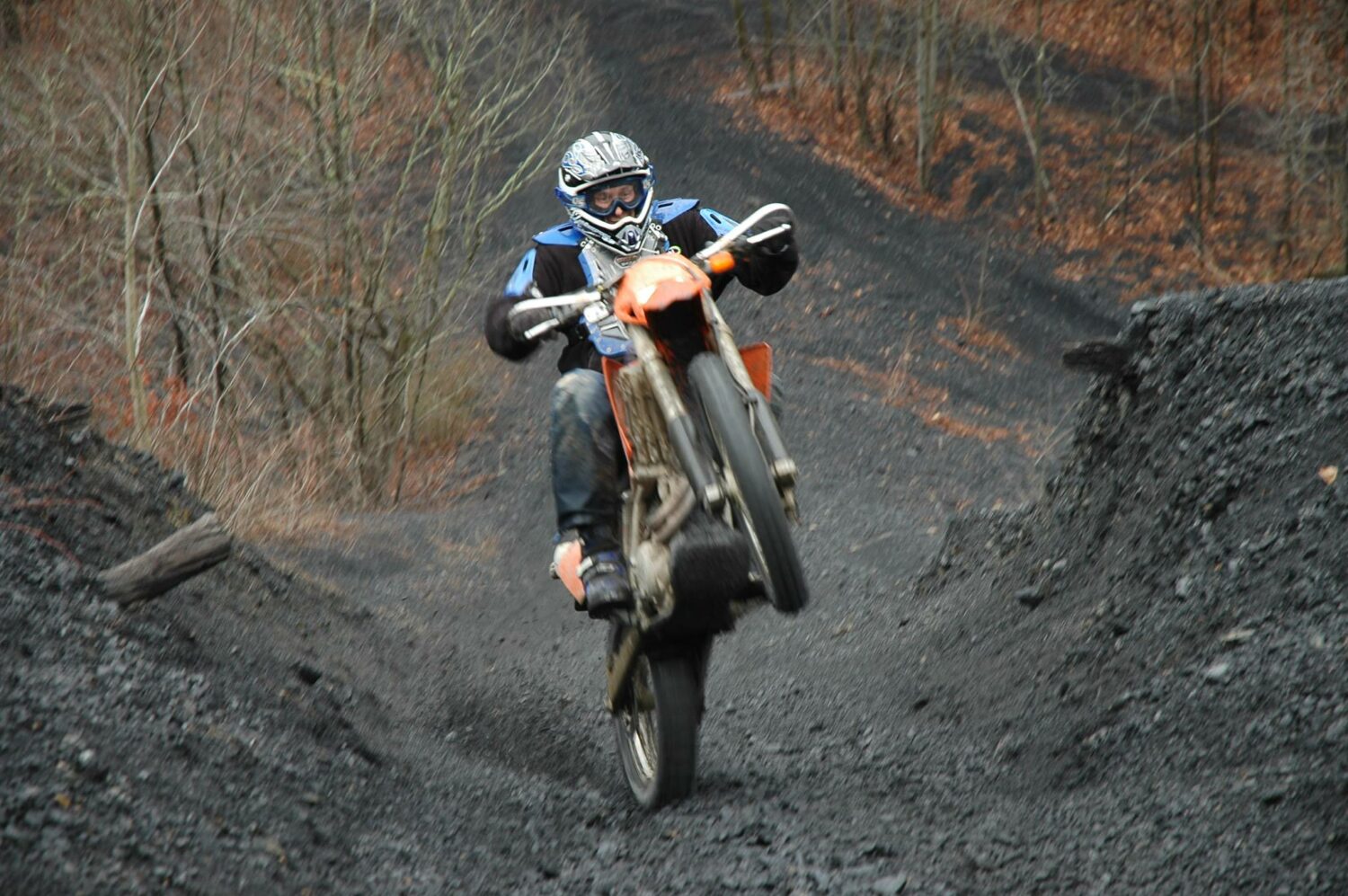
Russ Ehnes still gets after it on dirt bikes.
EP: The ADV community has been awfully excited waiting for the release of the Montana BDR. How long did it take to develop the Montana Backcountry Discovery route?
RE: Bryce [Stevens] started working on it close to seven or eight years ago, when he first began to do some scouting. He had a good start, particularly on the south end of the state. When Bryce and I finally got together, I felt like it went pretty quickly, but it still took us three years.
And the reason it takes that long—and I’m proud to say that it takes that long—is because we spend a tremendous amount of our own time and tires and our own gas money. We made a lot of modifications to the original concept.
I think, as far as BDRs go, this is one where there is nothing you won’t enjoy. We scout areas to make sure that what we’re doing is the best experience we can provide. We know a lot of the back roads, and Bryce is really good at what he does. He found some cool stuff that added to some of the things that I had put together, particularly for the north half.
When I’ve watched some of the [BDR] movies, sometimes it’s like ‘Sure, I’ll go to Oregon, but I’m going to skip the first three days of that route.” But here, start to finish, it’s beautiful and fun riding, just enough pavement that when you get to the highway, you’re going to like it. Everything is super high quality, and it’s big bike-friendly. But there are challenges if you want them.
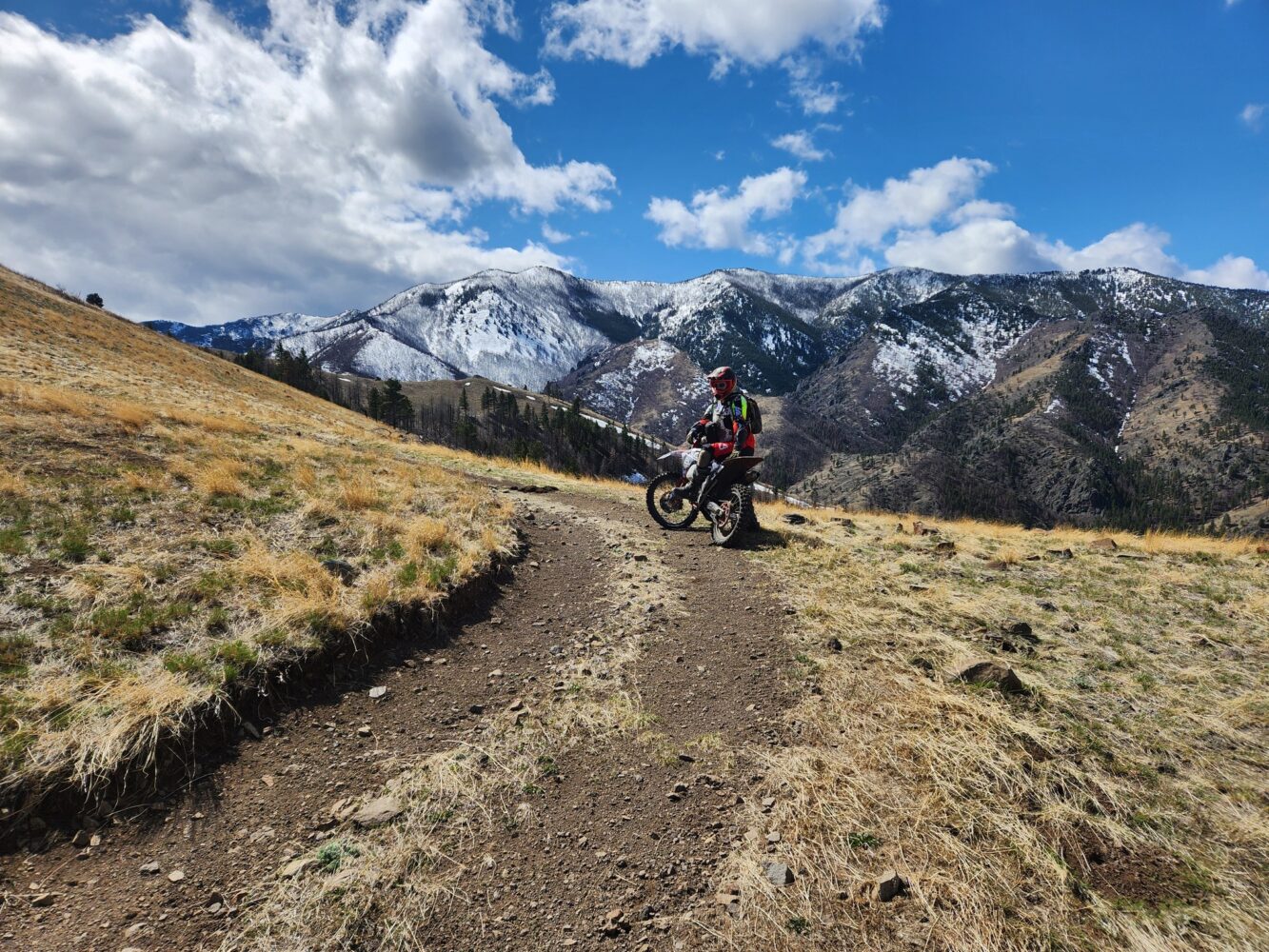
EP: Speaking of challenges, what were some of the big challenges in developing this route?
RE: One of the difficulties in developing a route in Montana is that it’s different from some states—Wyoming is a good example—where you really only have a couple of ways that you’re going to get south to north and keep it interesting, because there’s only so much there to work with.
Montana is blessed. We looked at lots and lots of combinations of how to go through certain towns and utilize really good sections and come up with the best of the best—the best opportunities that avoided anything long or boring or extended highway stuff as much as possible.
So for us, the hardest part was choosing. It was Sophie’s choice in a few places on which exact route to pick.
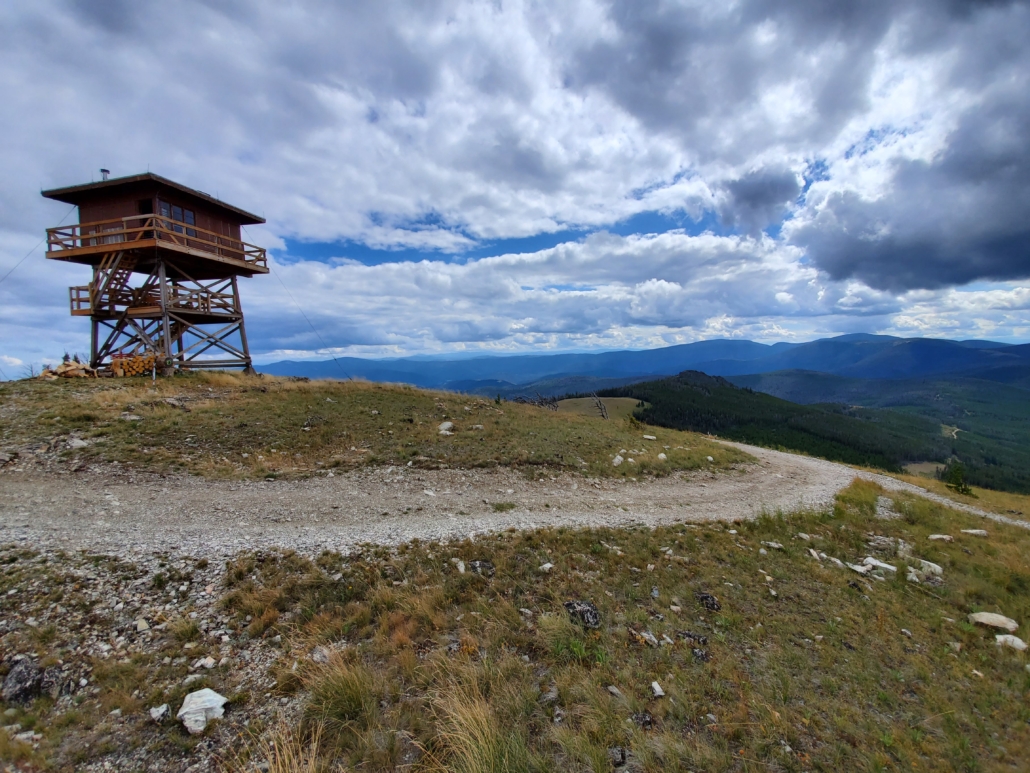
EP: Montana, in some ways, proportionally has less public land than, say, Nevada or Utah. Was that an obstacle, trying to link together trails and roads that were on public land?
RE: Not necessarily. We did run into a couple of places where we would go research a route that looked good (it’s hard when you’re looking on the computer to find out what’s private and what’s public), and we end up running [the trail], and then we find out that on this one there’s a gate—you’re not going there.
We had a couple of those situations, but a lot of our backcountry roads are not just there because someone went there on a mule to look for gold 100 years ago, like in some other states. The roads are there because they’re still an important part of our commerce and our connectivity from one community to the other. So there’s a lot of connectivity across remote areas in Montana that doesn’t necessarily exist in other states.
EP: Does the Montana Backcountry Discovery Route feel especially technical to you?
RE: It’s a mix, and I would say, no, it’s not like some of the Southern routes where I’ve watched the films, and it’s like, “I’m not doing that on my Ténéré. I might do it on a 500!” That to me is technical. On this route, you have some opportunities to challenge yourself, but I ride a Yamaha Ténéré 700, and there were some bigger bikes on the film trip with us, and some smaller bikes. We all got through at the same time, and we all had a blast.
When we were filming and with all the scouting that we’ve done, I would say my personal pick for this route—a Ténéré 700—is ideal. But anything will do it, and I know that there are good riders who will just have a great time on a [BMW] R 1200 GS.
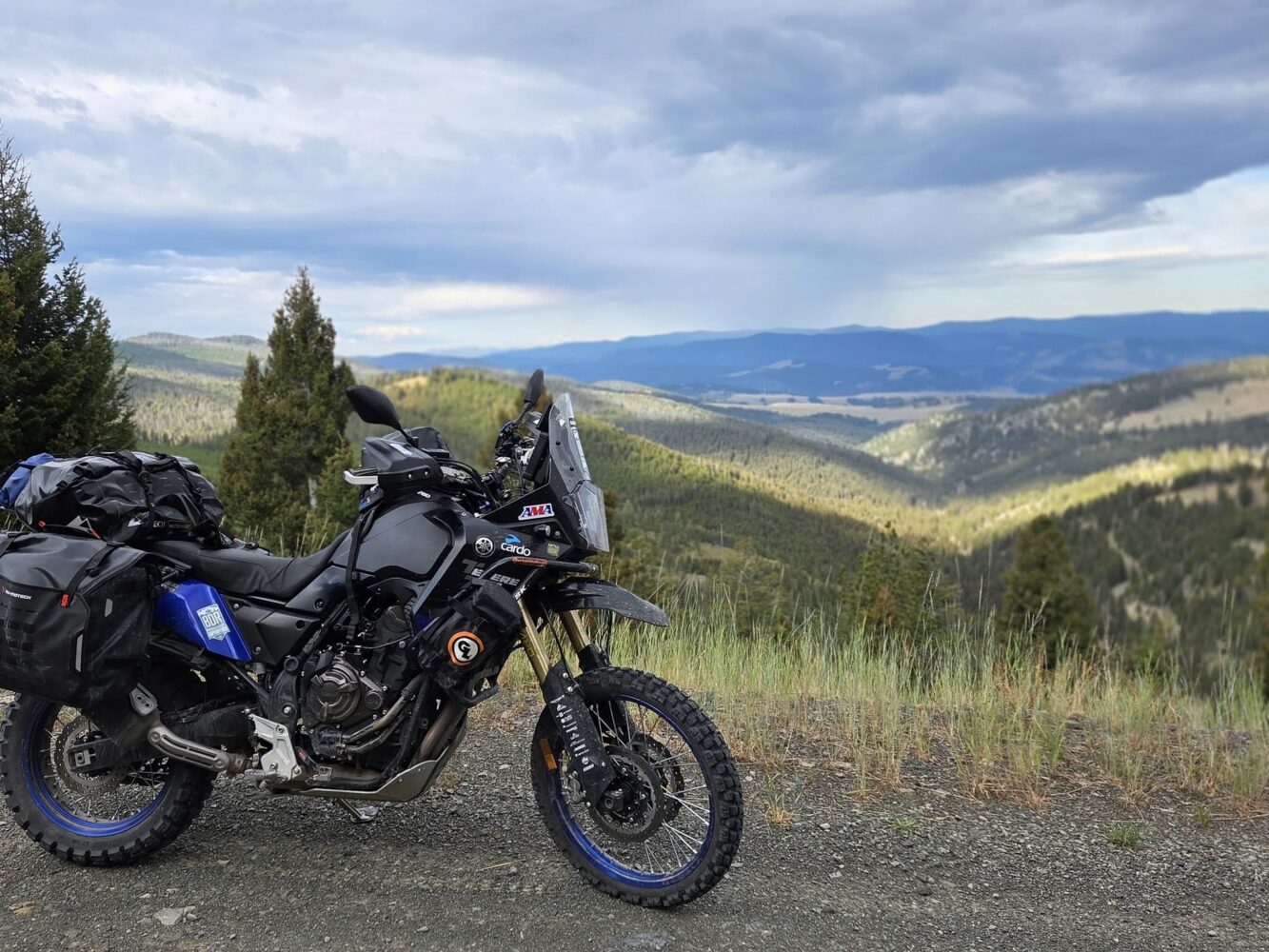
EP: That was the next question—so the Yamaha Ténéré 700 was your primary scouting bike?
RE: One hundred percent. Over the years, I’ve ridden all these routes on lots of different bikes, so none of it’s new to me. But during the scouting, I wanted to be on a little bit bigger bike because I wanted to be able to gauge [how it would go] when we did run into technical stuff.
EP: Whereas if you’re on an enduro, it would be no problem.
RE: Exactly. And there are actually three sections that are all harder optional routes, and you may see one of my quotes in the film. I just flat out say, ‘Hey, unless you’re pretty damn competent and confident in your skills on this section, I’d go the other way.’ I would say I’m a good rider, and I rode one section and said, ‘Yep, I did that. I don’t need to do that again.’
EP: So I’ve heard a little bit of speculation that because Montana is so big, it might get split up into two routes, the way that California did. Are we looking at two routes, or is it just one?
RE: No, it’s one route and it goes from the southern border of [the state] north to the Canadian border.
EP: Does it link up with the Wyoming BDR at the southern end?
RE: No, it doesn’t, but I know that BDR is working on connector routes. That’s something in the works—connector routes for both ends of the Montana BDR. They would love to be able to connect to Idaho and to Wyoming, and potentially even have some of the other [options] that they’re doing with the BDR-X routes, which I’m excited about.
BDR-X is really cool because it’s logistically much simpler, because it’s a loop. So you start and finish at any point along the way. There’s some potential for BDR-X loops to actually act as connectors for some of these bigger routes.
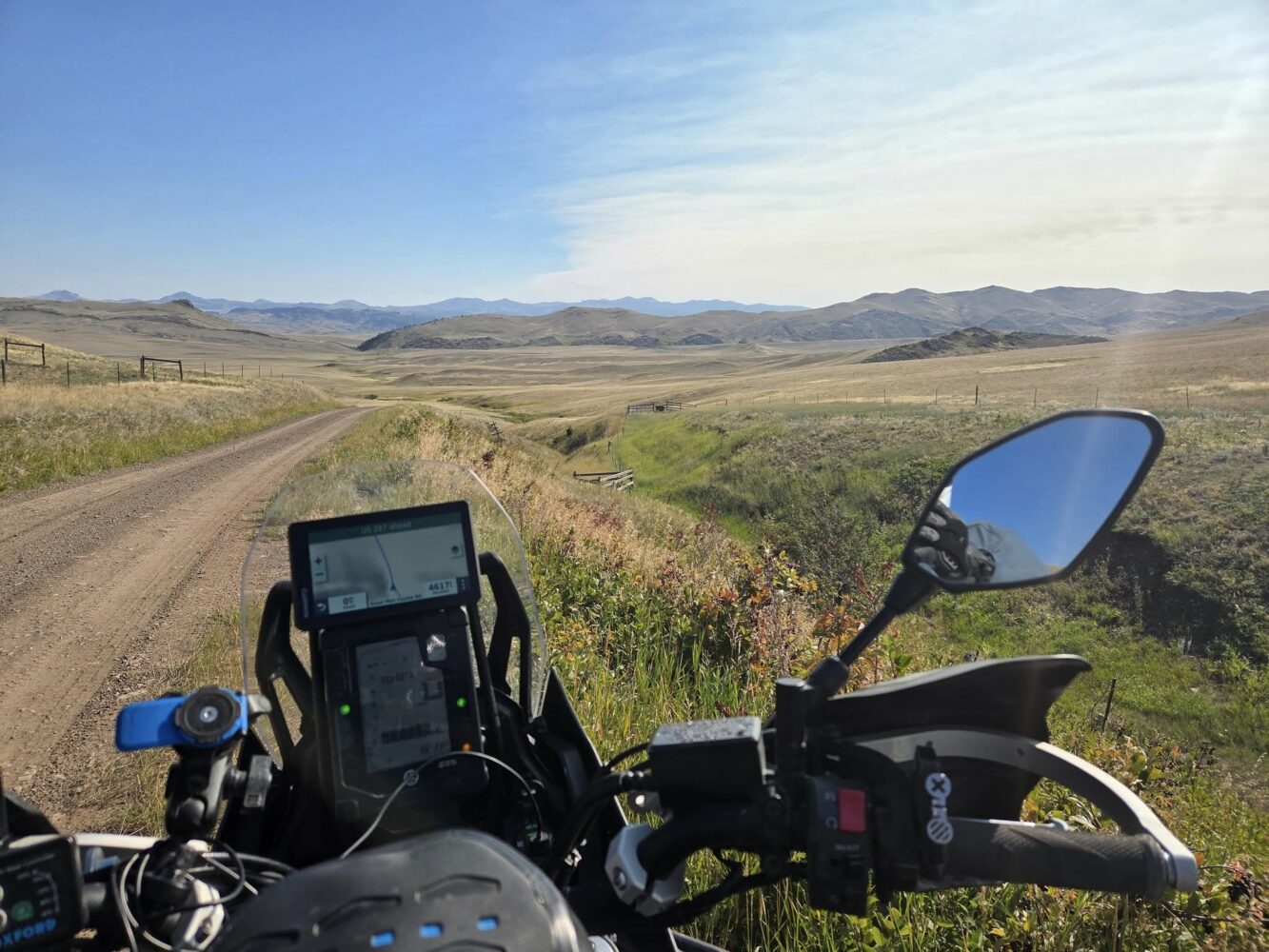
EP: Seasonally, what is going to be a good time frame for riding the Montana Backcountry Discovery Route?
RE: July 1 through probably late September would be ideal. And there is one segment that is not open legally until July 1, and sometimes it’s not open because of snow well into July—typical Montana stuff. But if you don’t mind the weather, there are significant portions of the route that would be completely rideable in June. May might be dicey, but June, for sure.
EP: As you were developing the route, were you in contact with community leaders and businesses in the towns along the way to let them in on what you were doing?
RE: We sometimes approach folks and let them know we’re coming through town, also hoping that they will possibly help sponsor the production of the video and support the larger project. We go out of our way to avoid major cities as much as possible and stop over in the smaller towns, which will definitely have a positive economic impact, no question. We also have to balance the need for non-disclosure as well, particularly the details of where the route goes.
EP: What else can you add about the Montana BDR?
RE: The other thing that I’d mention is that there are some extended sections [in remote areas] where you will want to plan your fuel use carefully. But, in general, we have enough stops for services and gas along the way that if someone really likes staying in hotels rather than tents, the route can certainly be done that way. You might have to venture off for a few miles to find a hotel, but it’s all going to be very close to the actual route.
EP: Lastly, when can we expect the Montana Backcountry Discovery Route to be unveiled and the release of the film?
RE: The tentative release is for February 7, 2026, but it depends on the availability of places to screen the film. As far as I know, they’re going to try to have the premier in a major Montana city that’s easy to fly in and out of.
_______________
Update 8/28/25: In an email today, Backcountry Discovery Routes announced that the Montana BDR and its film will debut in February 2026 with a premiere in Bozeman, MT, followed by a nationwide film tour.
_______________
Read More: The BDR Bros: Nothing’s Thicker than Blood and Bikes
Our No Compromise Clause: We do not accept advertorial content or allow advertising to influence our coverage, and our contributors are guaranteed editorial independence. Overland International may earn a small commission from affiliate links included in this article. We appreciate your support.
