

“But would you drive it across Africa?”
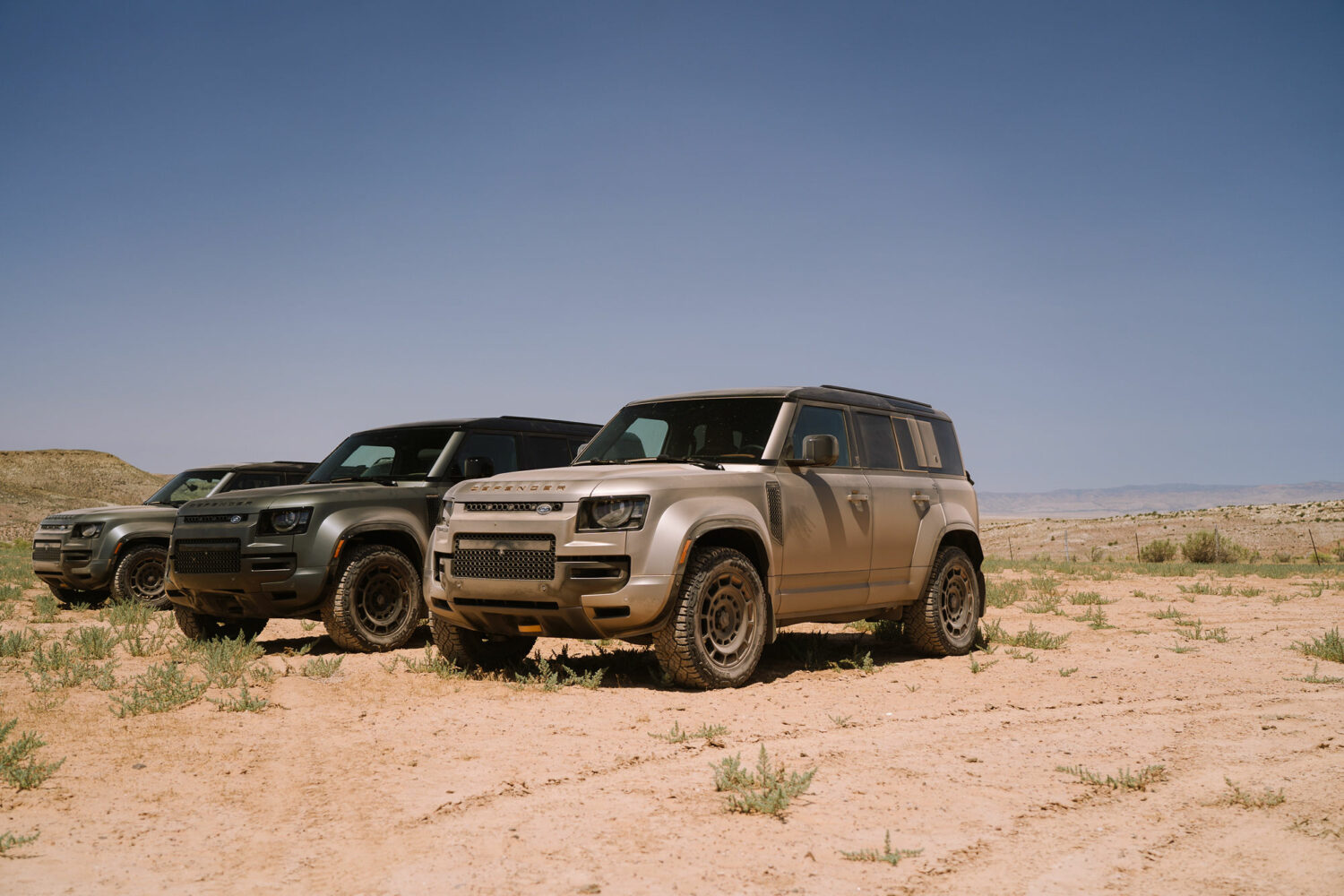
That was the question journalist and fellow adventurer Dustin Beatty tossed my way as we rolled back into base camp in Grand Junction, Colorado, dusty, exhilarated, and fresh off a day of pushing the new Defender Octa through its paces.
For me, that question isn’t hypothetical. It’s the kind of question that ignites something deep and sets my wheels in motion.
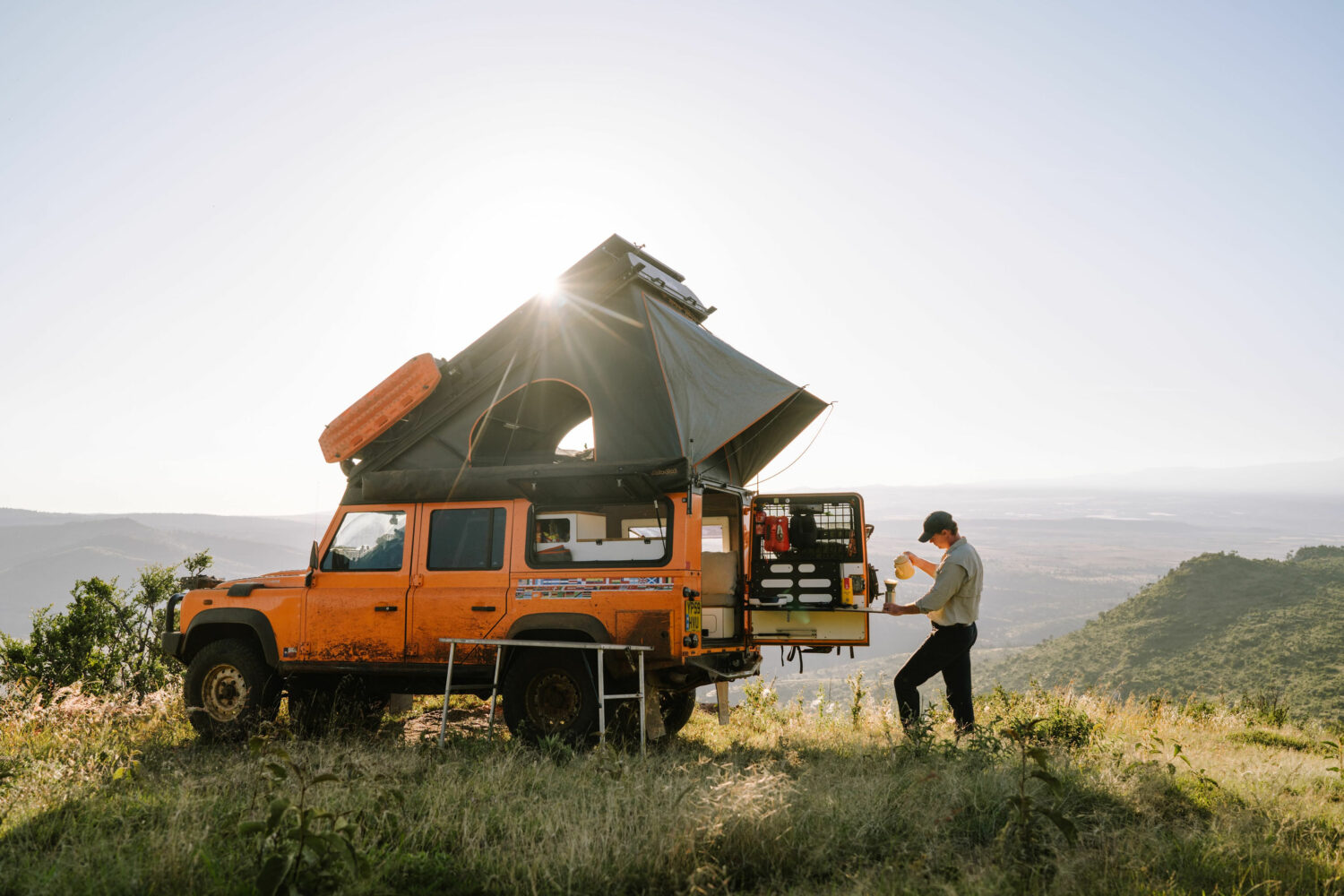
In May 2024, my husband and I rolled into his village in Yorkshire, England, wrapping up a 14-month, 45,000-mile Trans-Africa journey through more than 20 African countries behind the wheel of a 2010 Land Rover Defender Puma 2.4 TDCI, chosen for all the reasons that would make a modern dealer cringe.
It was simple. Iconic. And fixable with hand tools and bush mechanics in the middle of nowhere. We didn’t choose it for horsepower. We chose it for soul. For the mechanical honesty that meant when (not if) something broke, we had a fighting chance of getting it running again. But more than that, we chose it for what it represented: a legacy of adventure. A vehicle that had inspired generations to get out and see the world. It was part of the experience, a carefully chosen part of the team.
Defender 2020: Losing the Shape and the Soul
There’s no denying it. The 2020 Defender was a masterclass in engineering. But when Land Rover revealed it, I, like many others, felt a punch to the gut. The utilitarian lines and mechanical charm were gone, replaced by something sleeker and softer. More Beverly Hills than bushveld. It looked great in glossy brochures and lifestyle ads, but the soul felt like it had been traded for profits.
The Defender name, once synonymous with grit and global adventure, was now parked squarely in the luxury SUV market, chasing high-dollar buyers who might never venture beyond a gravel driveway.
Ask any long-time Defender owner, and they’ll tell you: the shape mattered. The boxy silhouette wasn’t just aesthetic; it was a statement. It meant business. It was a signal to the world, and to yourself, that you were ready for the hard way—to take the road less traveled in life.
So when Land Rover invited me to test drive the Defender Octa, I approached it with healthy skepticism. On paper, it’s the most powerful and capable Defender ever made:
- A 4.4-liter twin-turbo V8 producing 626 horsepower
- Up to 590 pound-feet of torque with Dynamic Launch Mode
- A 0-60 time of just 3.8 seconds
- 6D Dynamics suspension with hydraulically cross-linked dampers
- Goodyear 33-inch, all-terrain tires on forged wheels
- Widened track (+2.7 inches/68 millimeters) and increased ride height (+1.1 inches)
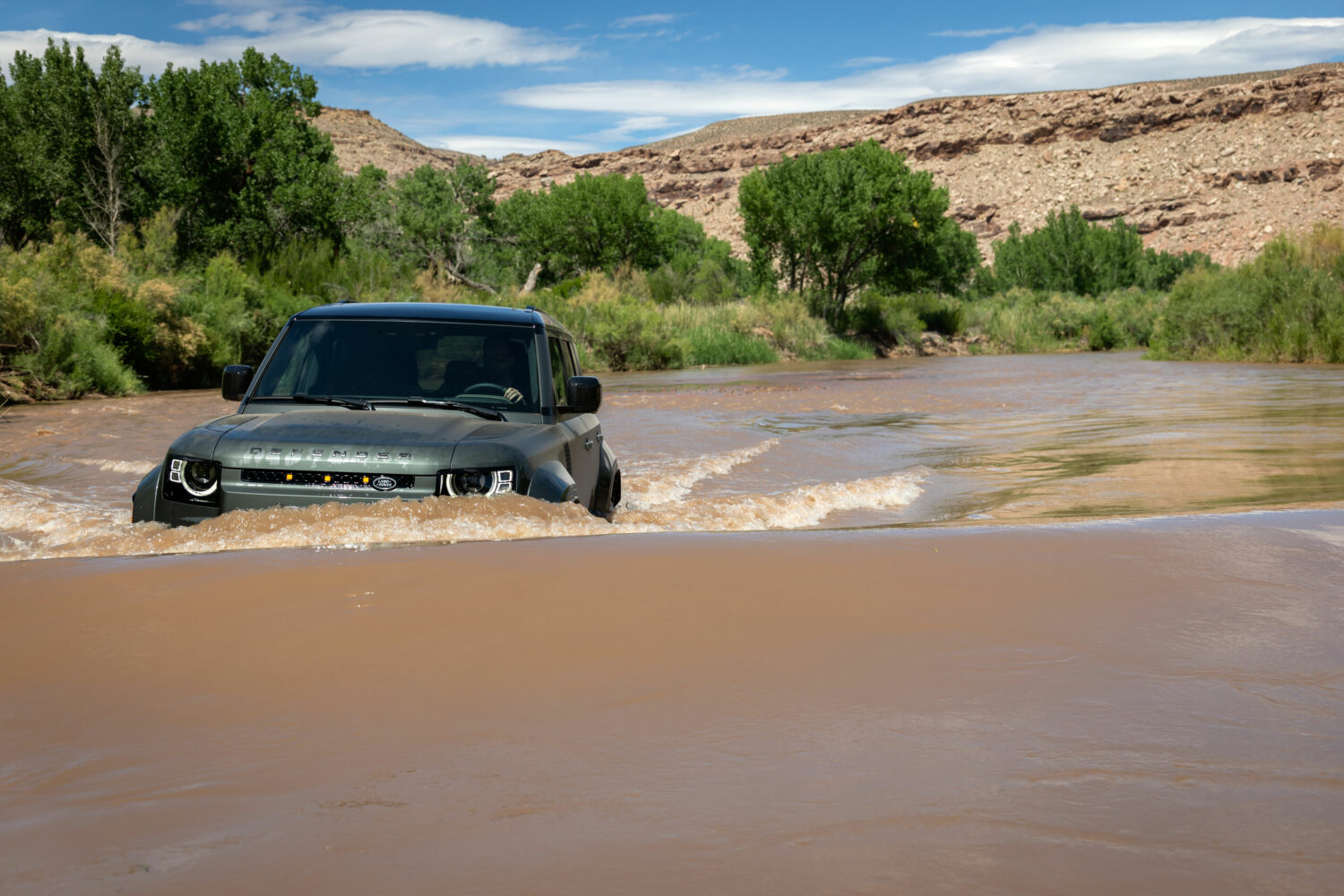
- Ground clearance up to 11.5 inches and water fording depth of 35.4 inches
- Fastest steering ratio of any Defender to date
- Octa mode, the first performance-focused off-road drive mode in a Defender
But none of that mattered to me if it didn’t feel like a Defender.
And Then Something Shifted
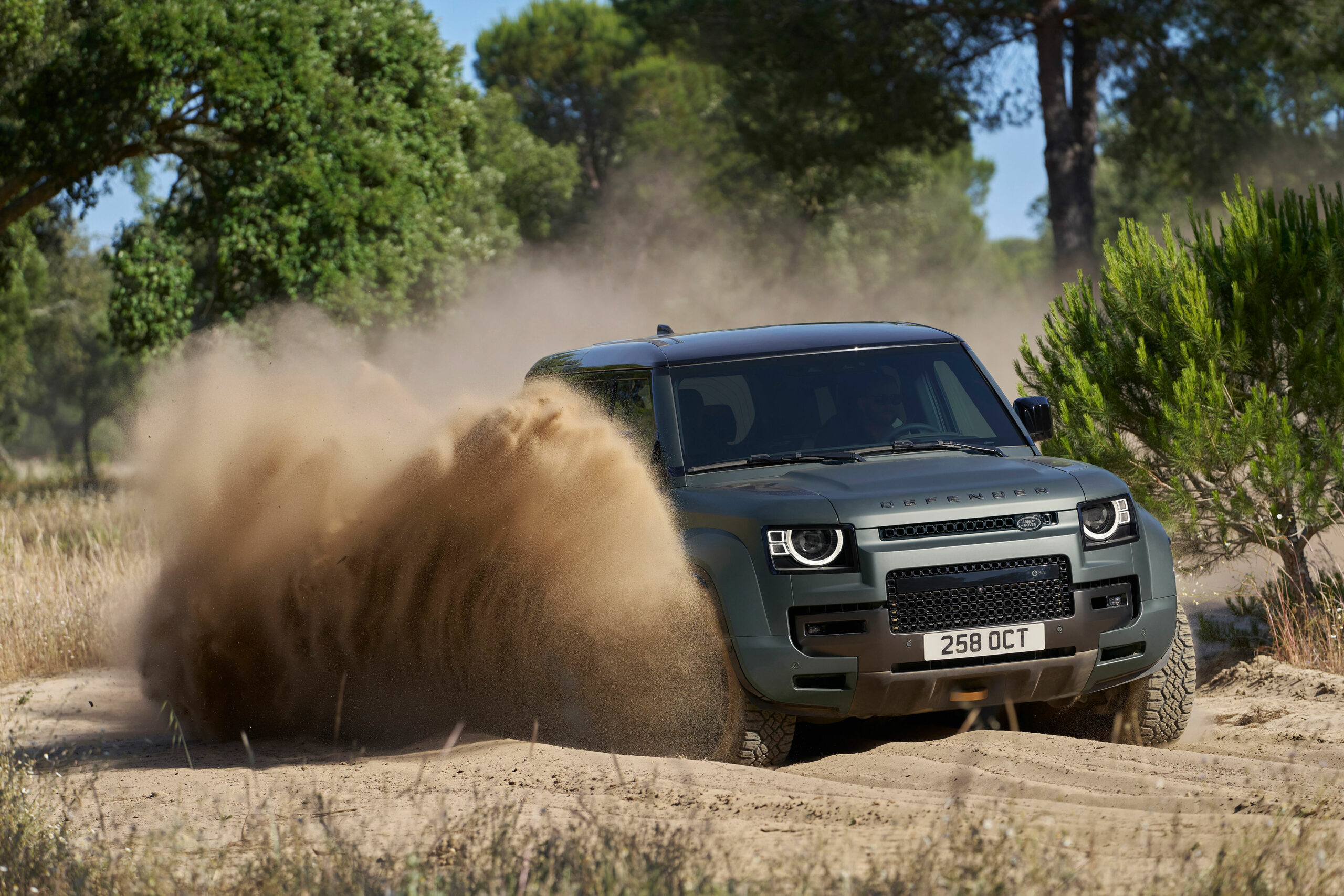
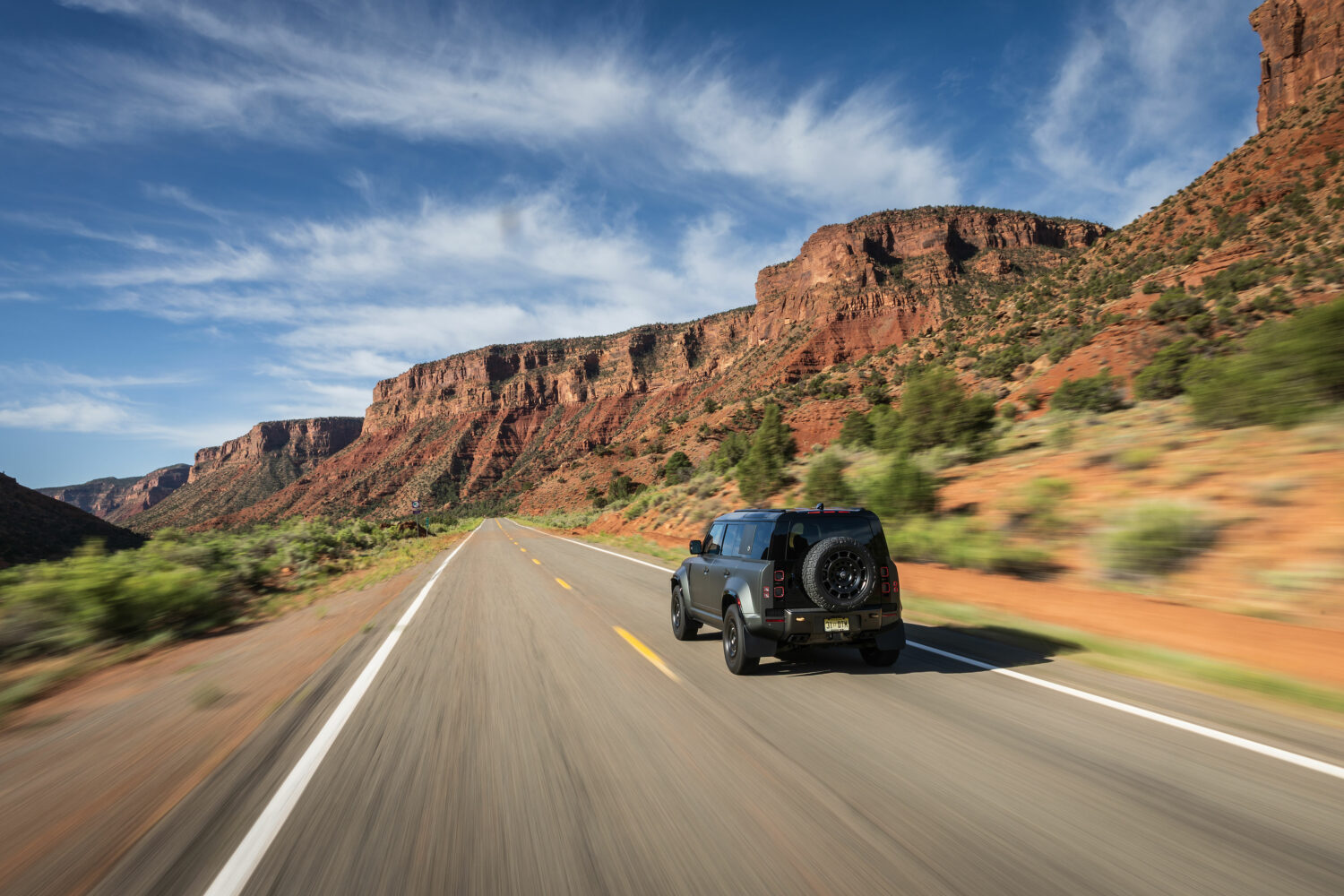
From the moment you enter the Octa, you know it’s not like an old Defender but instead, something entirely new. It only took a few turns in the high desert to feel it. It wasn’t built for show; it was a machine with purpose.
The suspension floated over deep ruts. The engine delivered torque with precision and intent. It climbed, gripped, and cornered with the kind of quiet confidence that doesn’t ask if you’ll make it, but “Where to next?”
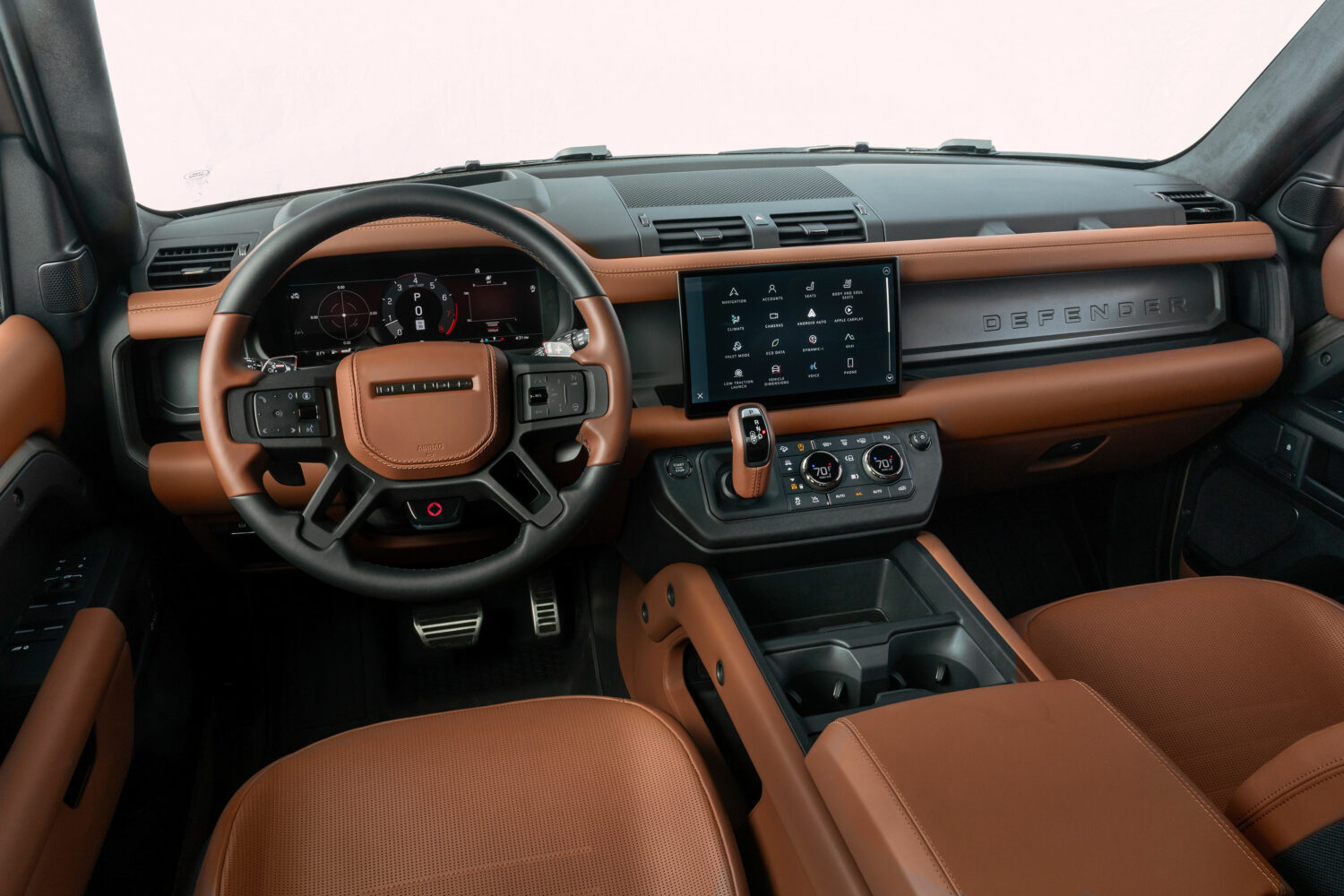
The cockpit feels more private jet than farm truck, featuring drive modes that genuinely adapt throttle, traction, and suspension for terrain-specific control, a head-up display, and a massive center screen. It’s an interior built for the long haul, prioritizing function over flash with supportive seats, intuitive controls, and a cabin made for driving. Yet despite all the tech and trim, the Octa doesn’t feel like it’s trying to be something it’s not. It feels intentional.

We launched up gravel switchbacks in Colorado’s high country, the kind of terrain I’d normally approach with mechanical sympathy and diff lock at the ready. But the Octa didn’t flinch. It’s 6D Dynamics suspension, inspired by Formula 1 and rally racing tech, kept body roll in check, even as we hammered through washboards that would’ve had our classic Defender bucking like a wild mule.
But the real magic wasn’t in the capability alone. It was in what the Octa stirred in me: control, connection, and the unmistakable feeling of endless possibilities. The same spark our classic Defender gave us crossing rivers in Zambia, on the back trails in the DRC, or powering through the muddy Banyo crossing in Nigeria.
For the first time in years, the Defender name spoke to me again.
Defender Trophy and Dakar: The Brand Puts Its Money Where Its Mouth Is
The Octa is a signal, a course correction for the brand. Land Rover isn’t just talking about getting back to its roots. It’s doing something about it.
Take the Defender Trophy, for example. It’s an experiential off-road competition inspired by the legendary Camel Trophy. Not a polished press event or showroom demo. It’s winching through mud, navigating off-trail, recovering stuck vehicles, and solving problems in the kind of terrain where Defenders earned their name.
And then there’s Dakar. Beginning in 2026, Land Rover will enter the legendary rally with a new competition-spec Defender D7X-R, built on the same architectural foundation as the Octa. The rally truck will retain the Octa’s body architecture, driveline, and engine. That’s virtually unheard of in a production-derived Dakar build. It’s a bold move that puts engineering to the ultimate test under some of the harshest conditions on Earth.
That’s not marketing fluff. That’s commitment. In both of these moves, Land Rover is putting its money where its mouth is. It’s remembering that capability isn’t about spec sheets. It’s about earned confidence.
Would I Drive It Across Africa?
That’s the question I came here to answer. Money aside, yes, I would.
Here’s a hard-earned truth: every overland vehicle breaks down. Whether it’s a 2008 Jeep Wrangler or a 2025 HiLux, if you’re pushing it far enough and long enough, something will fail. The real differentiator isn’t simplicity, it’s resilience—yours and the vehicle’s.
The biggest concern with the Octa, understandably, is its electronics. But this wouldn’t be our first tech-heavy Land Rover on a transcontinental trip. In 2018, we took a Land Rover LR3 (Discovery 3 in the rest of the world) 23,000 miles through the Americas—loaded with more tech than most long-term overlanders were comfortable with at the time. And yet, aside from a failed air suspension compressor, it never let us down. That truck’s still going strong today with over 220,000 miles on the clock.
That journey taught us what really matters: patience, grit, and the ability to keep going even when the road gets tough or the part you need is days away. Because when things go wrong (and they will), you likely won’t find what you need in a remote village in the middle of nowhere. But with a little time and the right mindset, you’ll figure it out.
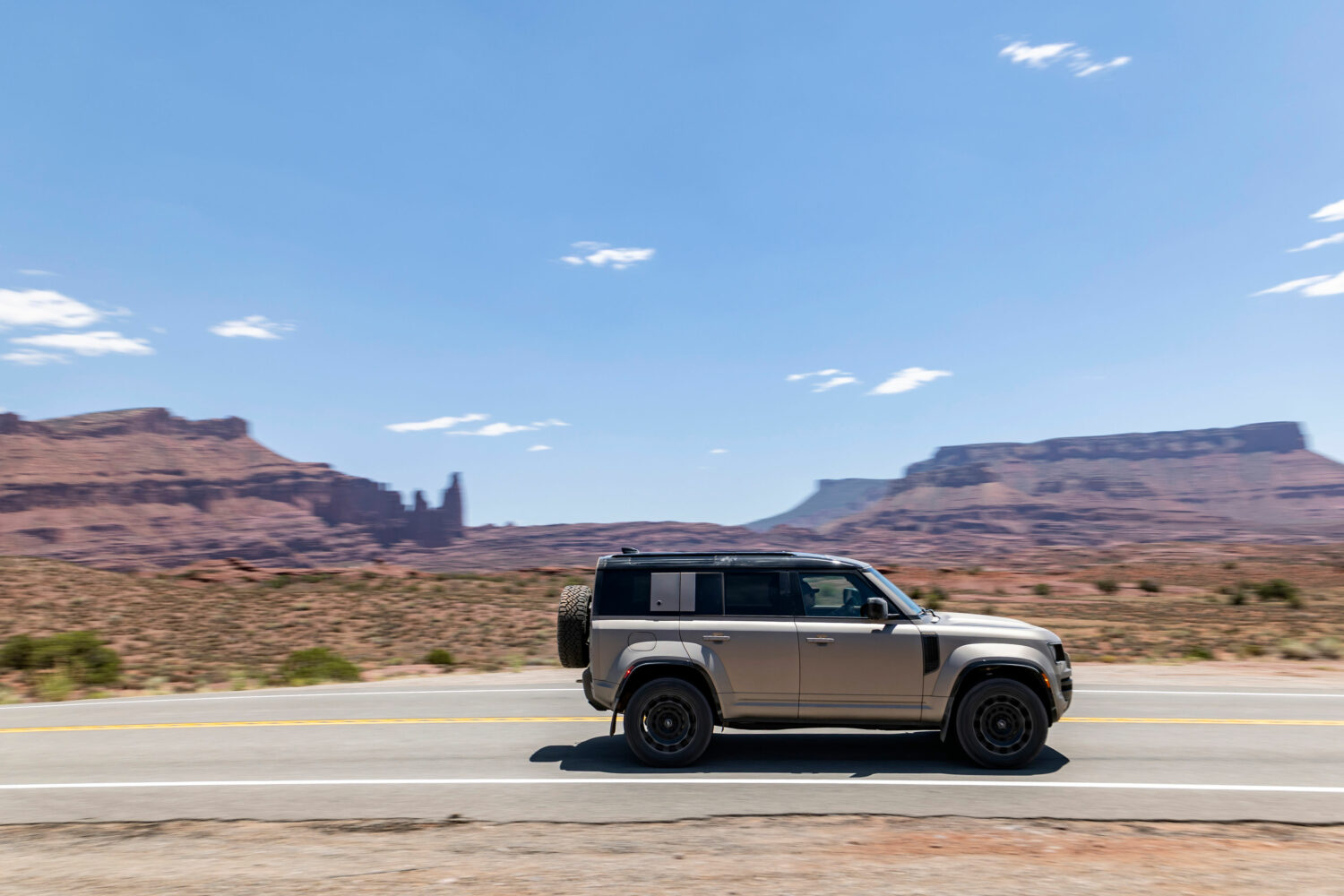
Would I likely have to wait in a tiny town while a part is shipped in? Sure. Would I bring two full spares, especially with those 20-inch wheels? Without a doubt. Would I carry a laptop to run diagnostics? Absolutely. Would I need to respect the limits of its tech? Of course.
The only real drawback is that you’re limited in how you can build it out. Unlike platforms like the INEOS Grenadier or 70-Series Land Cruiser, the Octa lacks a robust aftermarket for off-the-shelf upgrades geared toward long-term overlanding—things like pop-top roof conversions or modular interior camper kits. If you’re dreaming of turning it into a full-time home on wheels, expect a bit more custom work and cost to get there. That said, throw on a rooftop tent, a fridge, and a solid internal storage system, and you’re ready to rock.
And with that setup, here’s what you do get:
- A more stable ride, especially on the brutal corrugations Africa is known for
- Greater confidence at speed, with no more second-guessing on fast gravel or twisty descents
- More power when it counts, whether overtaking an 18-wheeler in Tanzania or charging the dunes of Sandwich Harbour
- And far less physical fatigue after long days behind the wheel
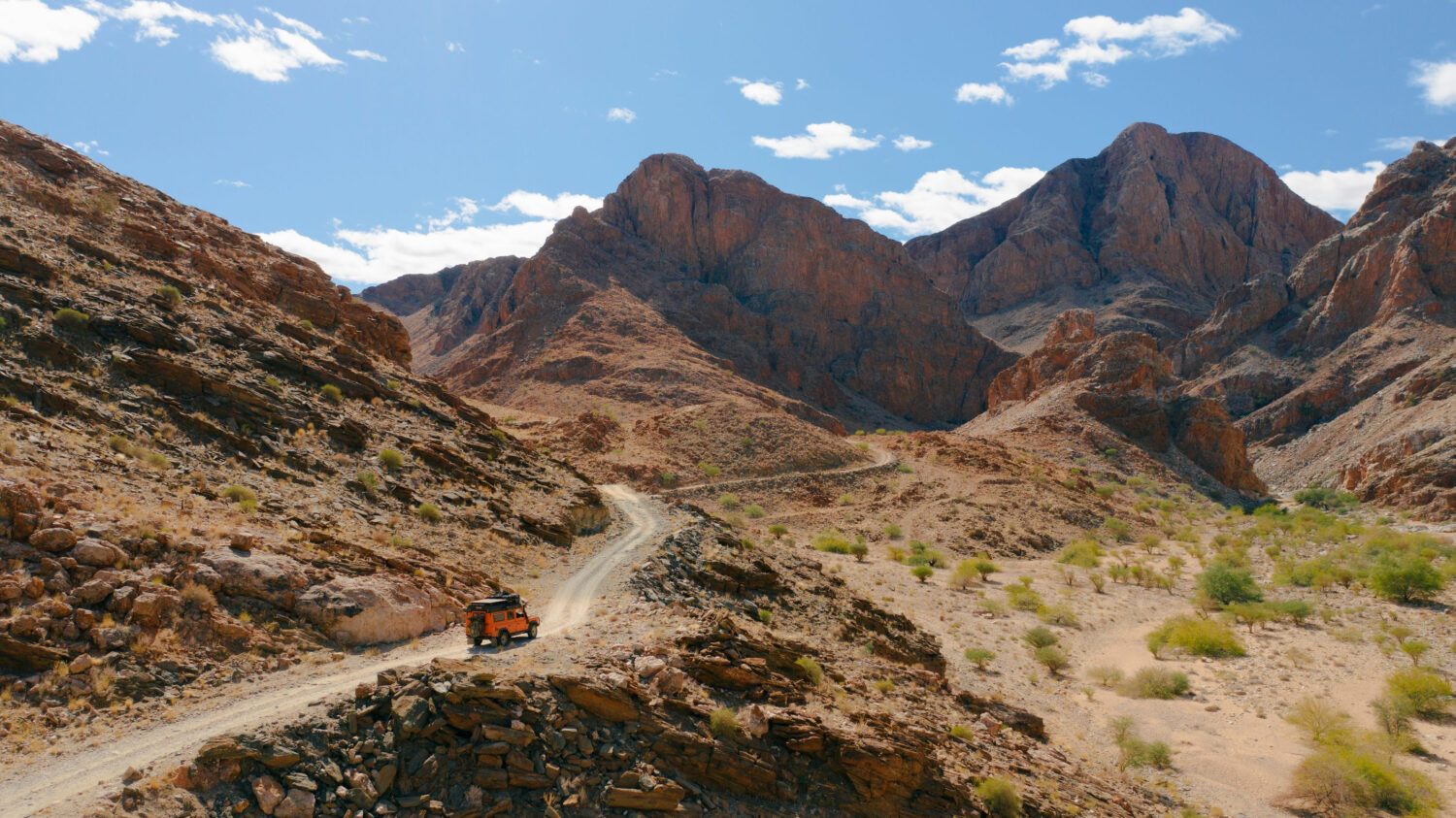
The Octa may not be as field-fixable as our classic Defender, but it’s built to take on serious terrain with fewer compromises. And it’s backed by an engineering mindset that actually wants it to be tested.
If the old Defender taught you to endure, the Octa dares you to go faster and further. Because the heart of adventure isn’t in the hardship; it’s in the possibility.
$152,000+ | landroverusa.com
Images: Land Rover, Mary Hannah Hardcastle
Read More: Meeting a Legend: Barbara Toy’s 1950 Series I Land Rover, Pollyanna
Our No Compromise Clause: We do not accept advertorial content or allow advertising to influence our coverage, and our contributors are guaranteed editorial independence. Overland International may earn a small commission from affiliate links included in this article. We appreciate your support.