

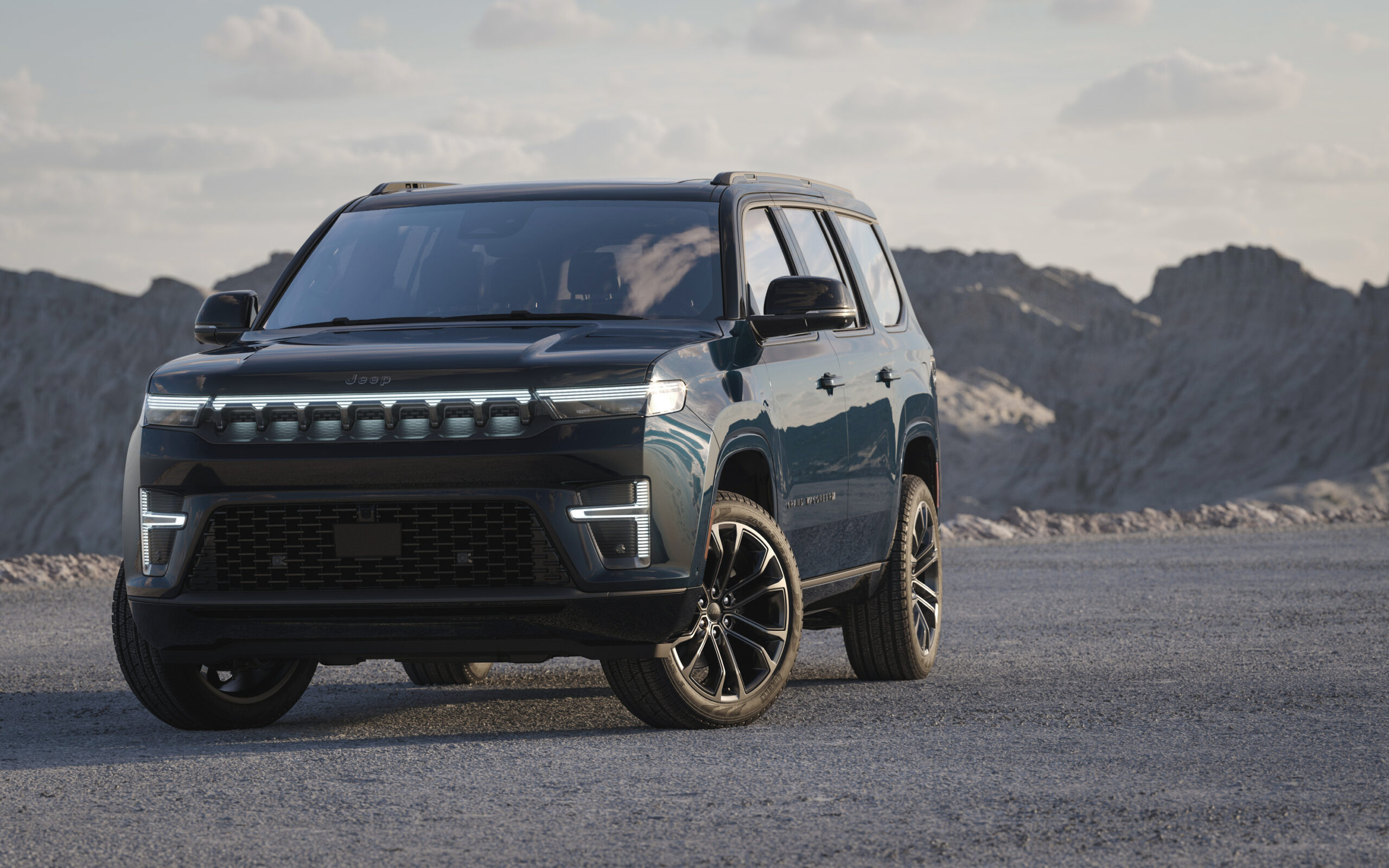
The 2026 Jeep Grand Wagoneer introduces a new phase of sophistication, capability, and accessibility for Jeep’s full-size SUV lineup. With a refreshed exterior, expanded powertrain options—including what Jeep describes as “America’s first range-extended electric vehicle (REEV)” (a claim open to debate, given the earlier Chevrolet Volt and BMW i3 REx)—and a simplified model structure under a single nameplate, the Grand Wagoneer arrives as the brand’s definitive large-SUV flagship.
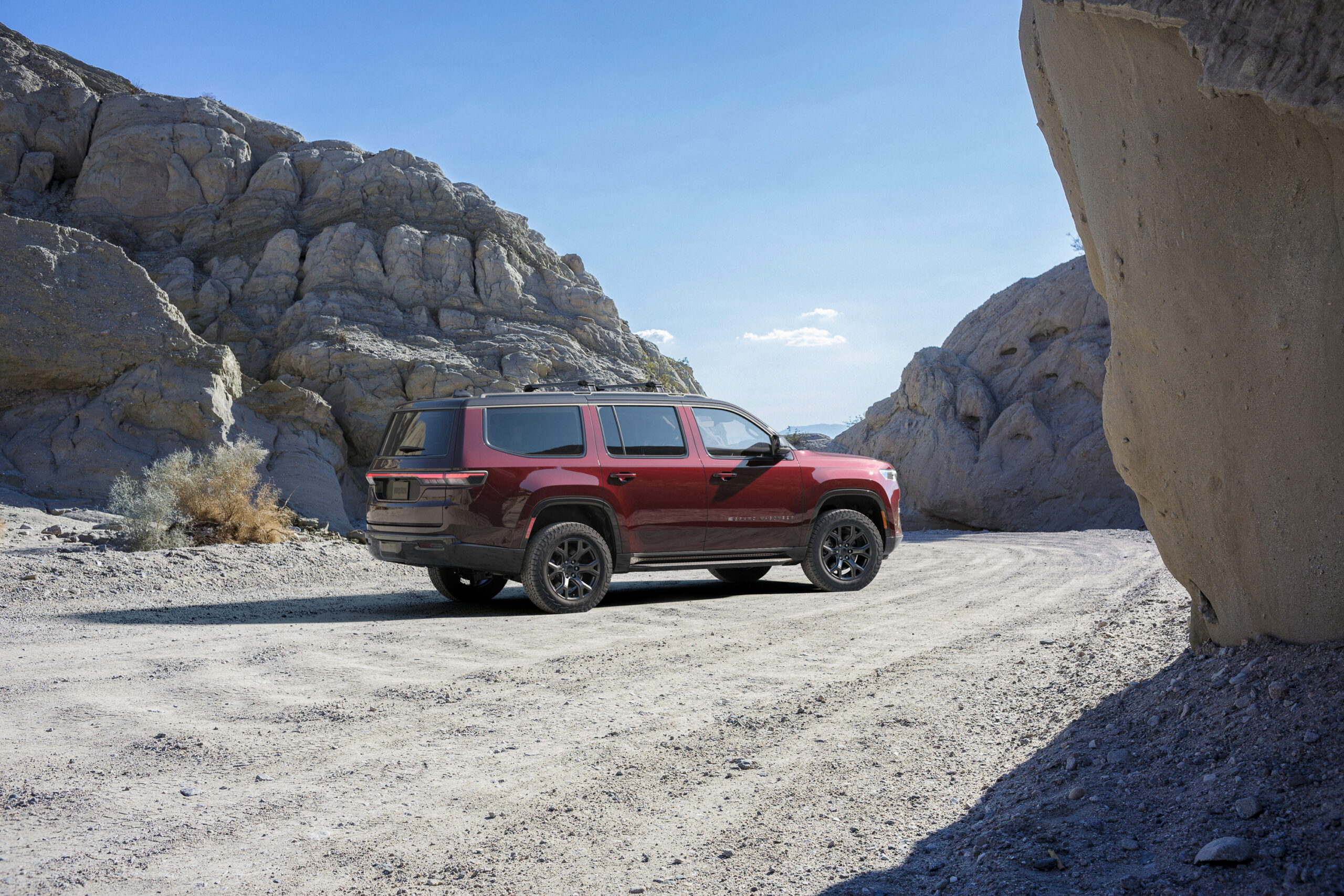
Jeep has streamlined the lineup by consolidating the former Wagoneer and Grand Wagoneer models into a single identity. Every model now carries Jeep badging, a move intended to symbolize its inclusion within the broader Jeep family and reinforce its connection to the brand’s heritage.
Bob Broderdorf, Jeep brand CEO, weighed in on the design philosophy.
“With the refreshed 2026 Jeep Grand Wagoneer, we’re delivering more than just bold design and refined craftsmanship: we’re offering competitive pricing that ensures exceptional value in the large SUV segment.”
Two distinct powertrains define the 2026 Grand Wagoneer’s character: the returning 3.0-liter Hurricane twin turbo inline-six and the upcoming range-extended electric system. The REEV, which will only be available later in 2026, represents a new direction for Jeep in electrified propulsion. It combines a liquid-cooled 92-kilowatt-hour battery pack and dual electric motors with a 3.6-liter V-6 engine that powers a 130-kilowatt generator. The gasoline engine does not directly drive the wheels; instead, it supplies electrical energy to charge the battery or sustain range during longer trips.
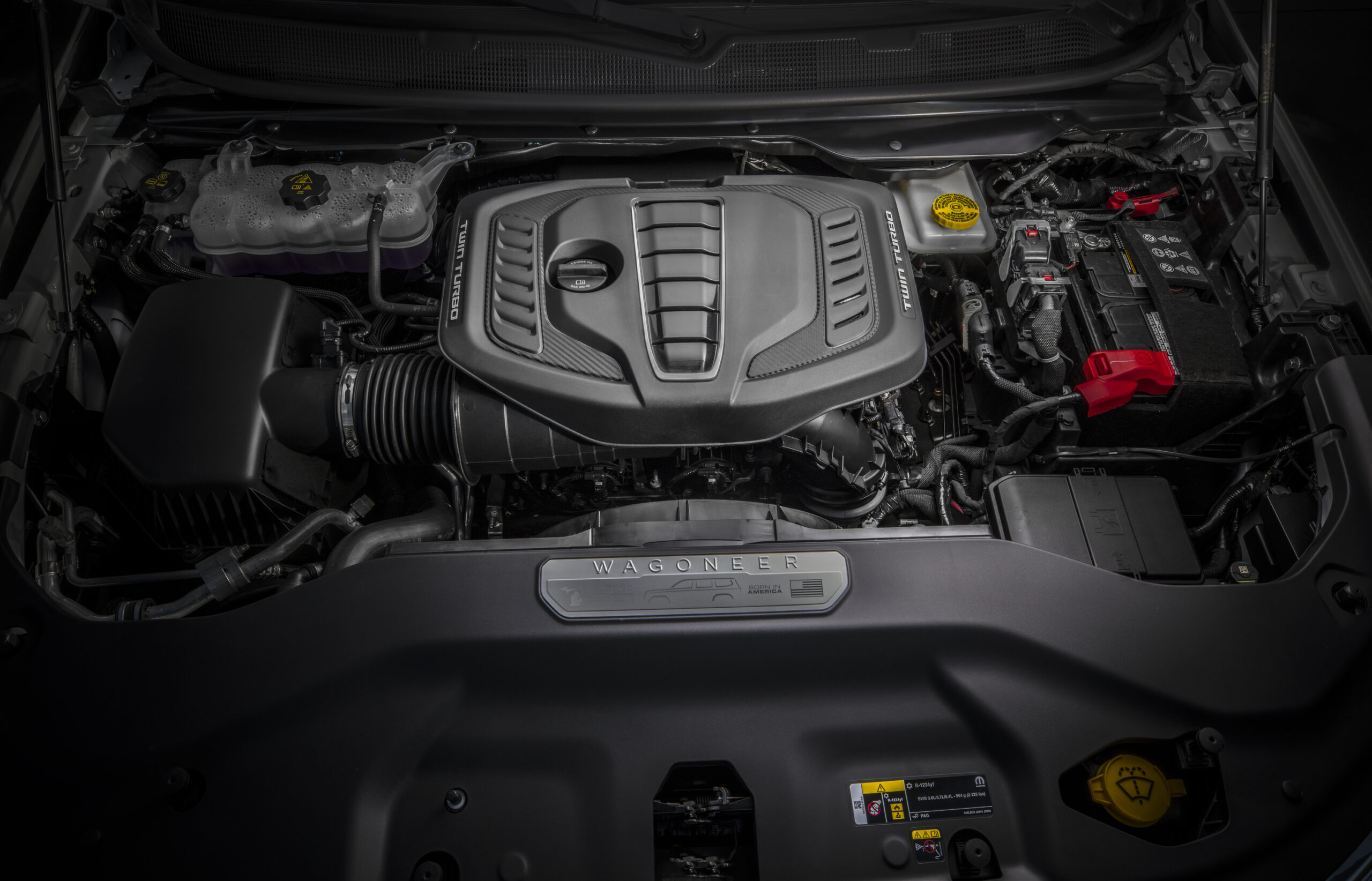
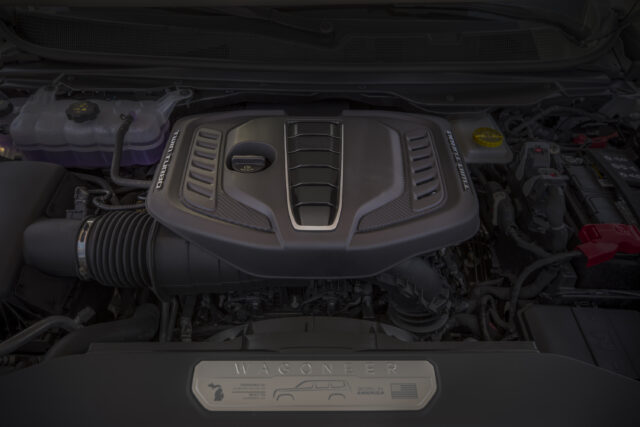
This configuration delivers an estimated 647 horsepower and 620 pound-feet of torque, enabling a 0–60 mph sprint in approximately five seconds. The total driving range is projected to exceed 500 miles, while the battery pack provides quiet, zero-emission capability for shorter commutes. By relying exclusively on electric drive, the REEV blends the immediacy of electric torque with the reassurance of long-range freedom, eliminating range anxiety while maintaining the space and comfort of a traditional three-row SUV.
Micky Bly, Stellantis senior vice president and head of global propulsion systems, described the REEV as a balanced approach to electrification.
“Our award-winning 3.0-liter Hurricane twin-turbo I-6 delivers outstanding power and capability, while the new range-extended electric system introduces a smarter path to electrification by combining the quiet confidence of all-electric driving with the assurance of long-range freedom.”
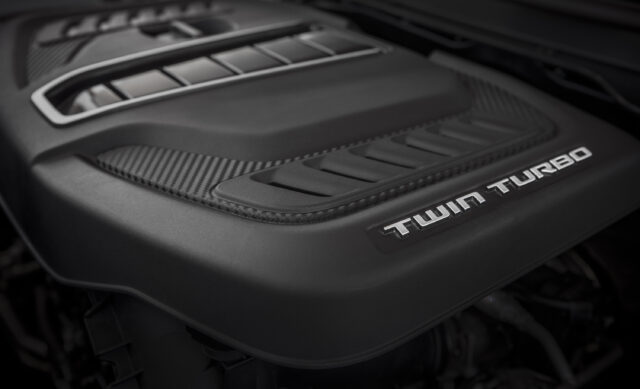
The award-winning Hurricane engine produces 420 horsepower and 468 pound-feet of torque, combining high output with improved efficiency through cooled exhaust gas recirculation. When properly equipped, it offers best-in-class towing capability of up to 10,000 pounds, making it an appealing option for drivers who need both refinement and utility. Jeep notes that this twin-turbo engine delivers higher performance and lower emissions than several naturally aspirated V-8 and six-cylinder competitors.
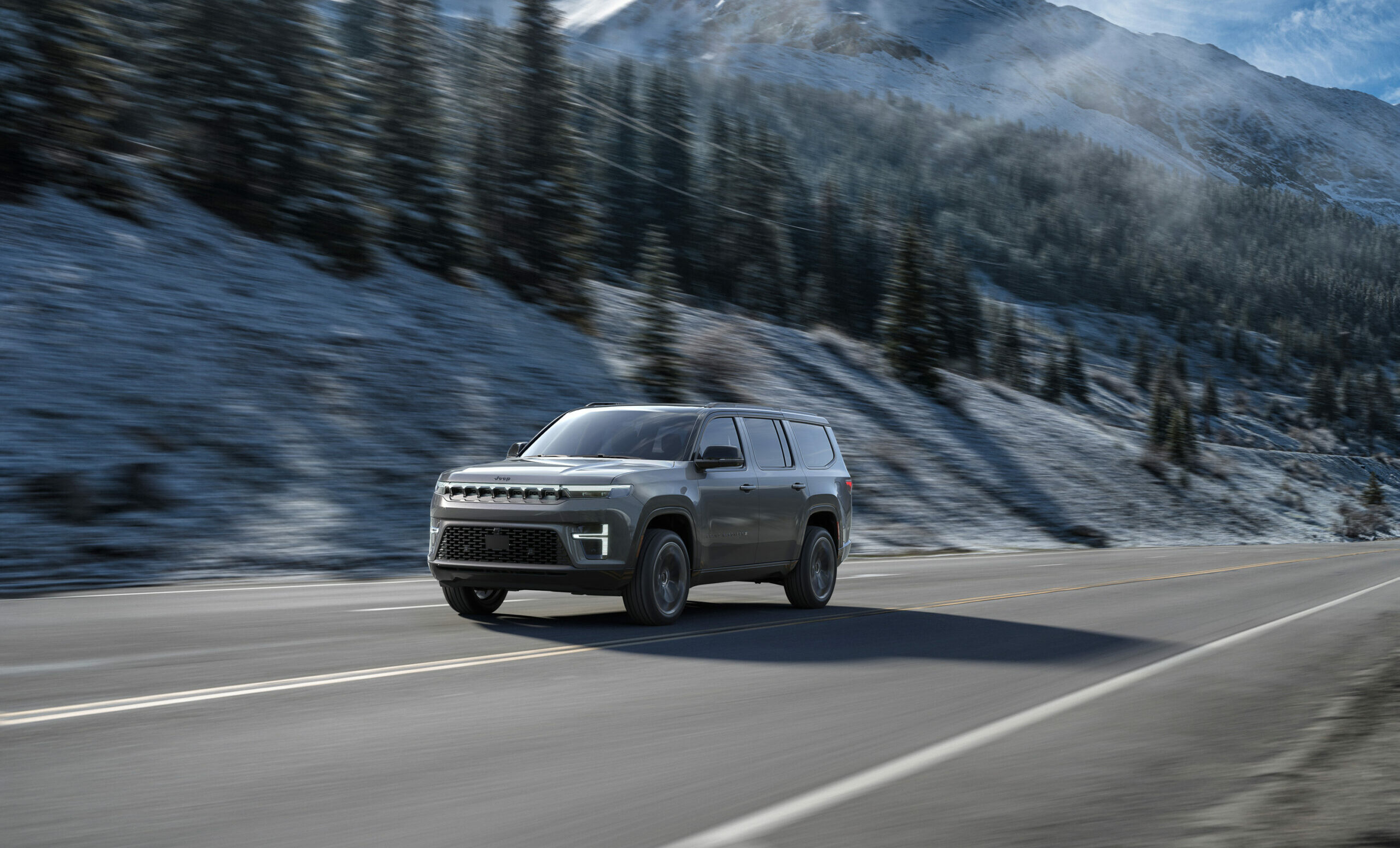
Visually, the 2026 Grand Wagoneer adopts a stronger, more contemporary stance than its predecessor, though there is definitely a strong resemblance between the two models. For 2026, a taller, squared-off front fascia features a slimmer, illuminated seven-slot grille flanked by full-width LED headlamps. Jeep designers have raised the hood line and re-sculpted the fenders to emphasize width and presence, while lower T-shaped LEDs add structure and detail. At the rear, new horizontal LED taillamps mirror the lighting theme from the front, visually widening the vehicle and enhancing its signature nighttime appearance.
One of the most notable and refreshing changes is Jeep’s decision to eliminate exterior chrome, replacing it with a combination of paint, brushed metallic finishes, and sustainable materials. This transition aligns with a broader brand effort to reduce environmental impact while creating a more modern, cohesive aesthetic.
Customers can further personalize their Grand Wagoneer with a range of new wheel designs from 18 to 22 inches and several appearance packages, including the more rugged Upland edition.
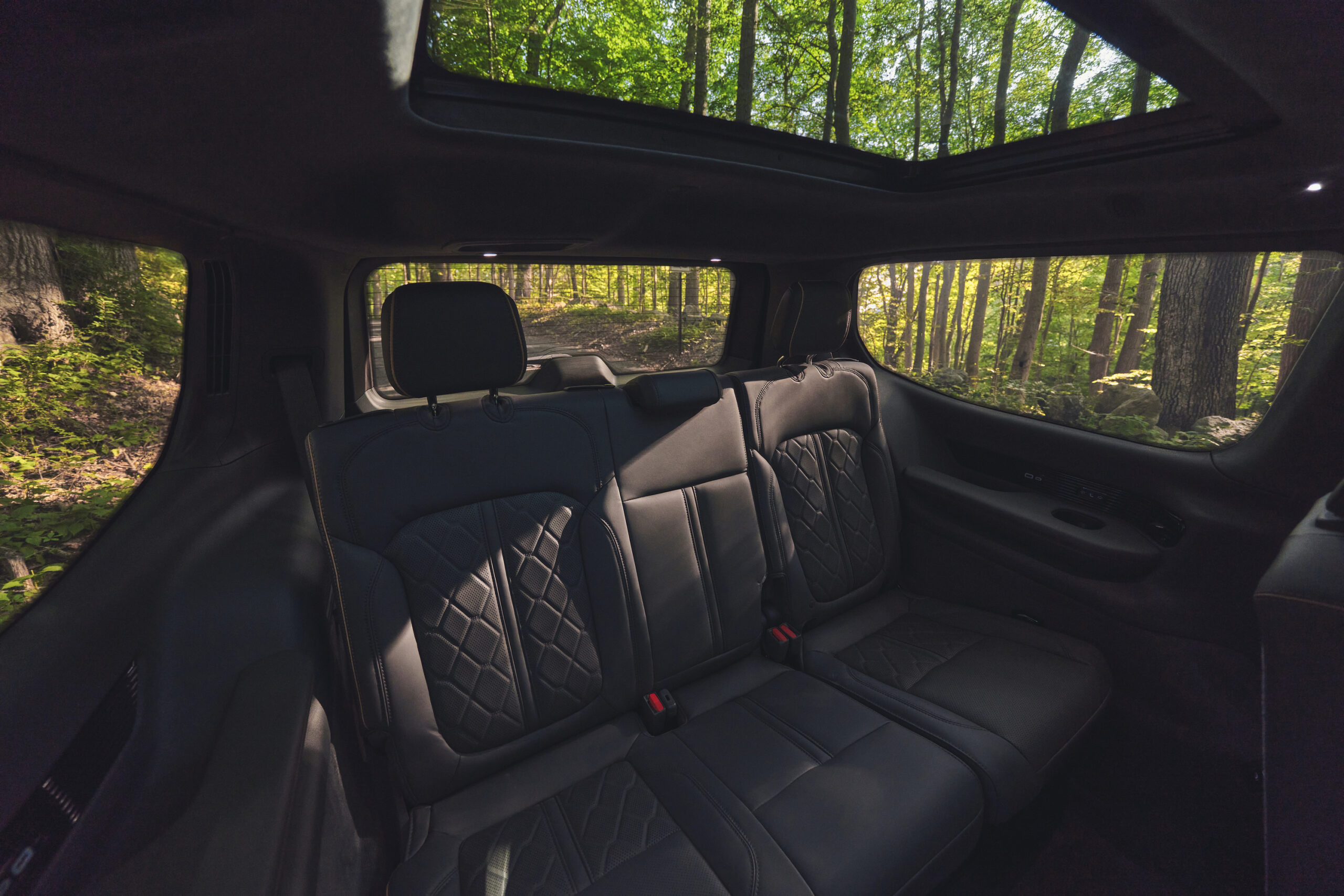
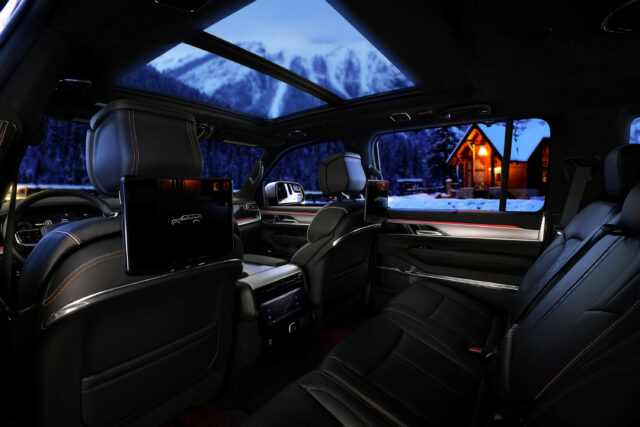
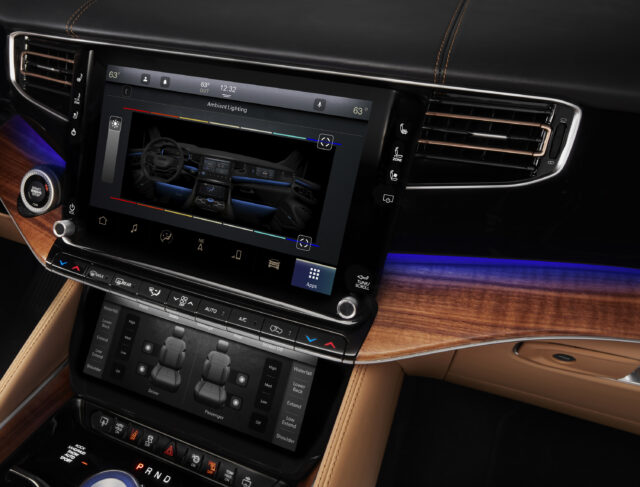
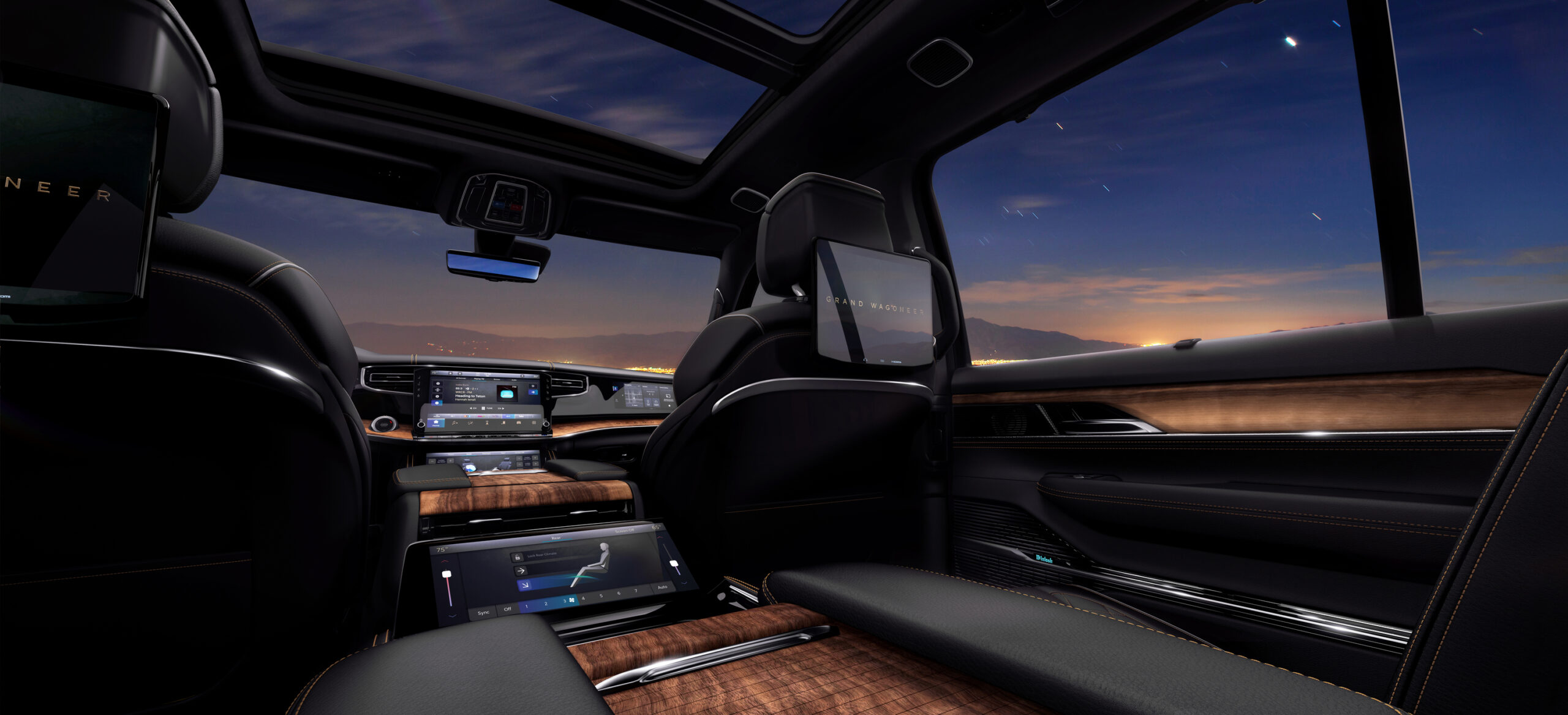
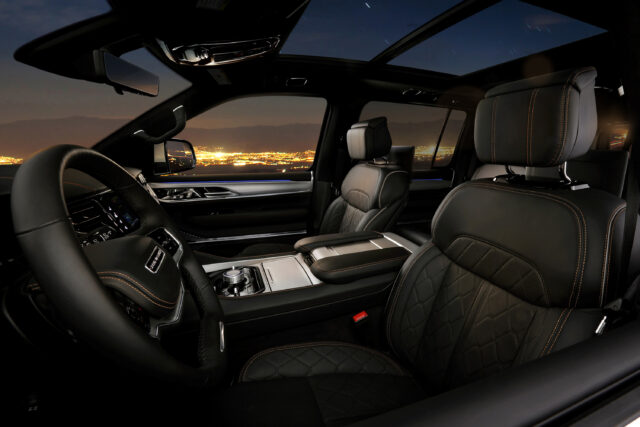
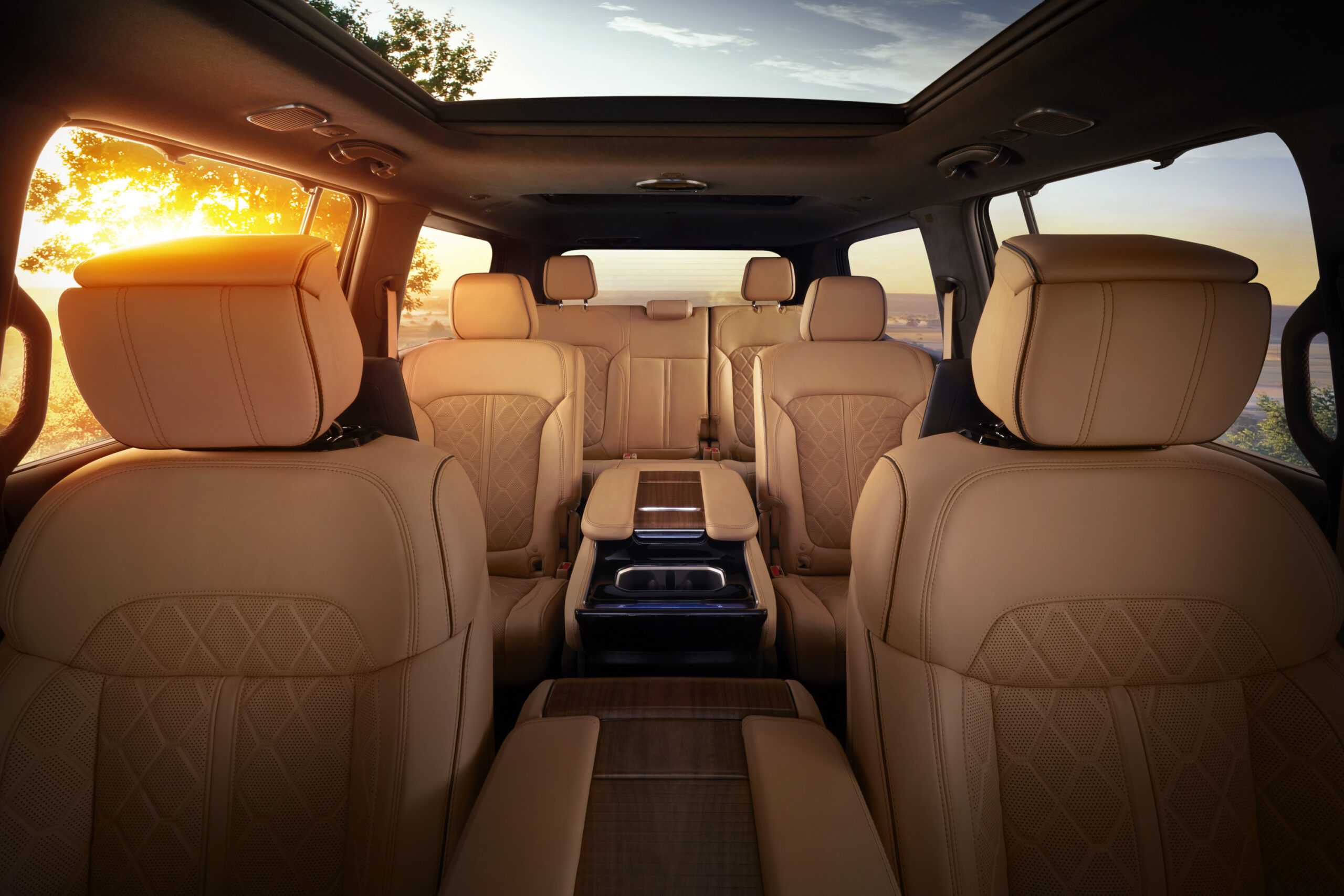
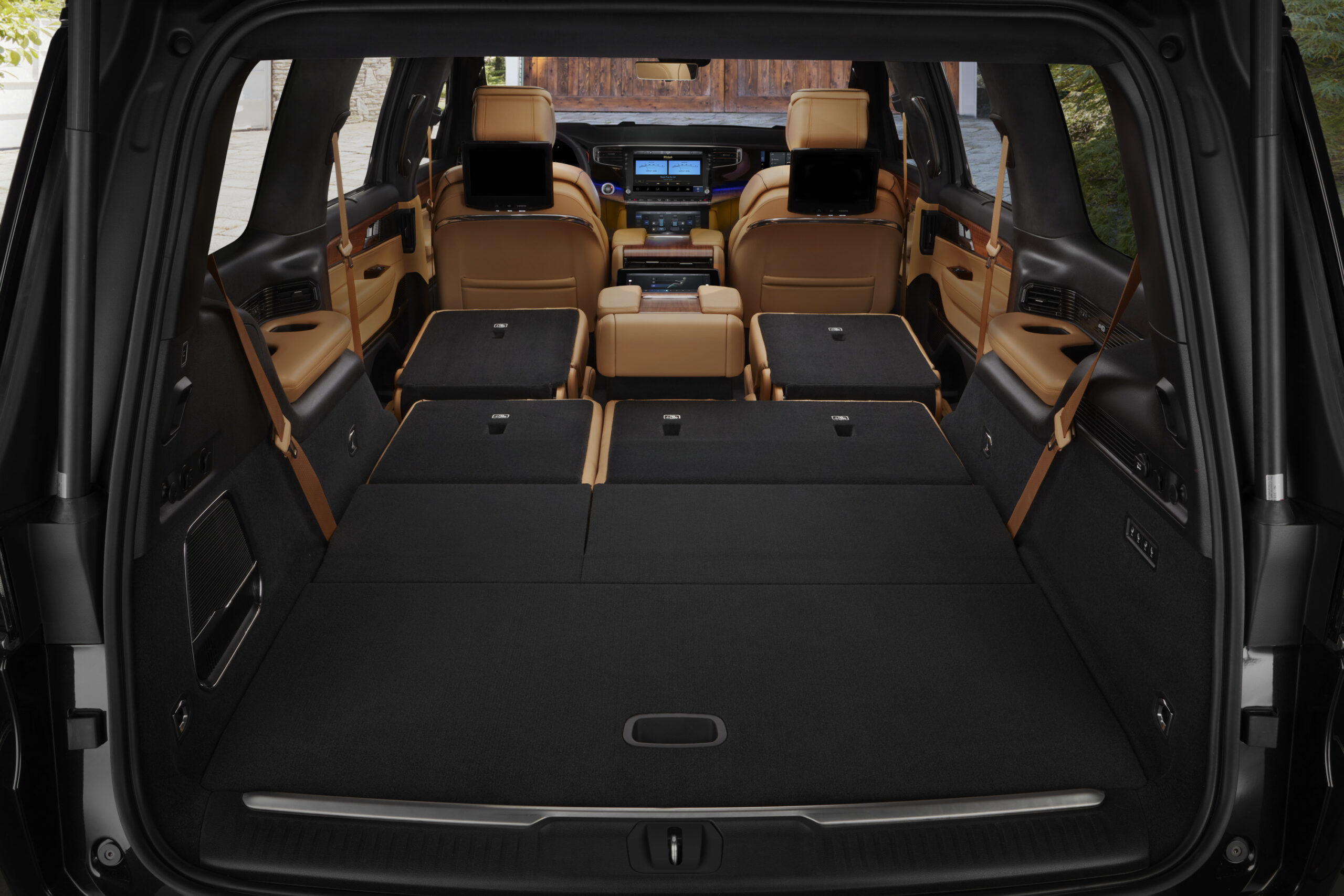
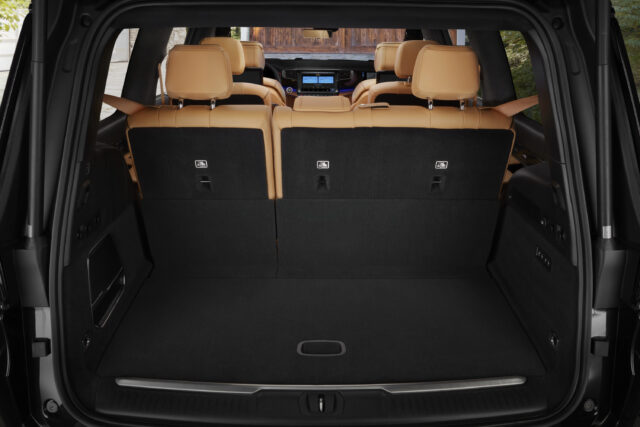
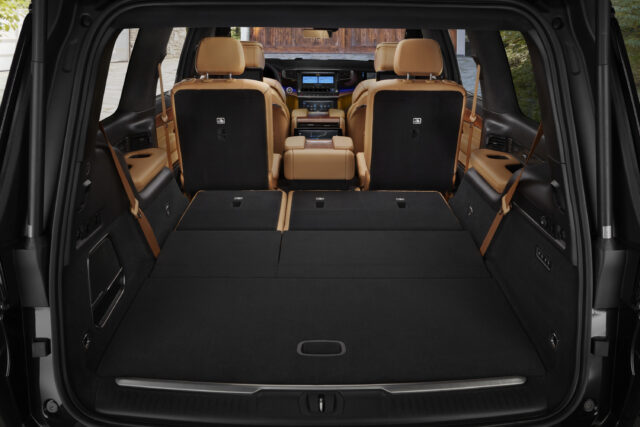
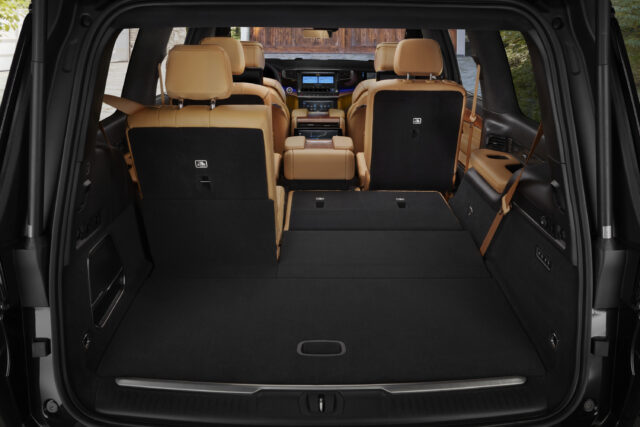
Inside, the Grand Wagoneer maintains its focus on premium comfort while introducing refined details and expanded technology. Across trims, interiors feature new materials, stitching accents, and expanded color choices such as black with sea salt or all-black for the base and limited models. These cabins are trimmed in Capri or Nappa leather, complemented by brushed metal accents and horizontal wood-grain décor.
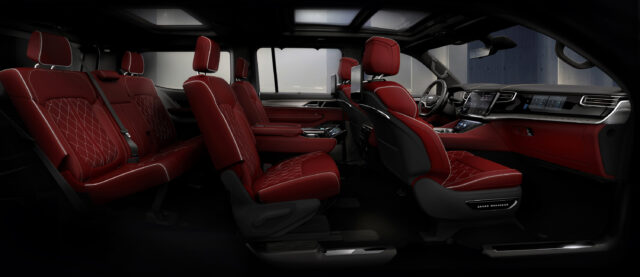
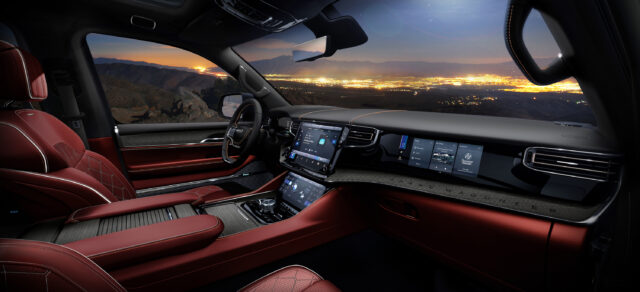
The Limited Reserve adds amenities such as a tri-pane sunroof, power steps, a 19-speaker McIntosh audio system, and an upgraded head-up display (HUD). The range-topping Summit models feature open-pore dark waxed walnut wood. At the same time, the Summit Reserve introduces new interior palettes—black, tupelo, and dark ruby red—paired with quilted Palermo leather, copper stitching, and a premium suede headliner.
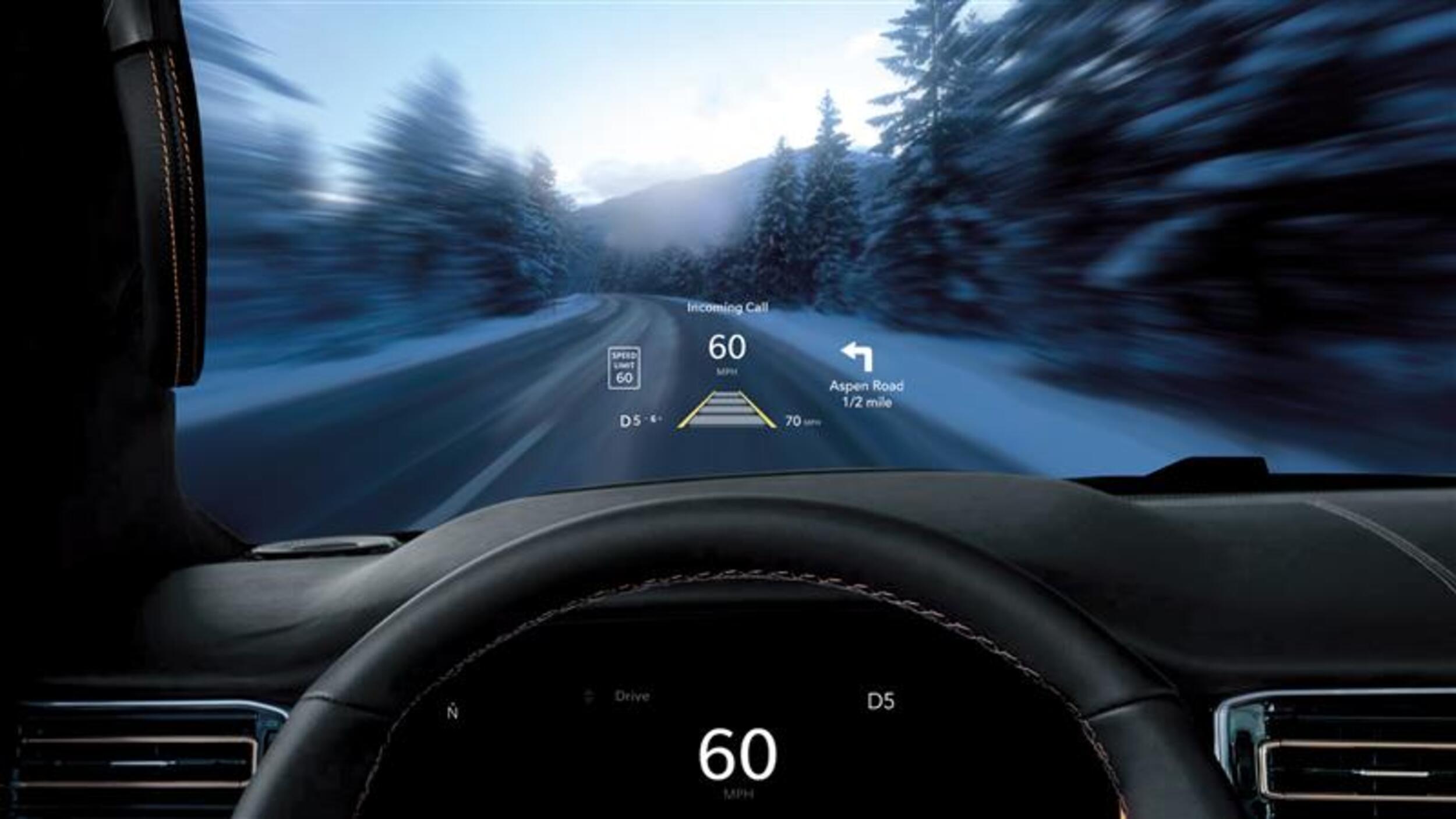
For 2026, Jeep has also introduced an enhanced head-up display with a larger field of view and a virtual image distance twice that of prior systems. Standard on Summit and Limited Reserve trims, and available on Limited, this updated HUD offers clearer graphics and greater customization, reflecting the brand’s continued emphasis on driver-centric innovation.
The 2026 Grand Wagoneer lineup starts at $62,145 (4×2), excluding destination and options, with four-wheel-drive and long-wheelbase configurations also available. The top-tier Summit Obsidian trim starts at $96,390 and offers the most advanced equipment and finishes in the range.
Production for the lineup begins later this year at the Warren Truck Assembly Plant in Michigan, where both internal-combustion and REEV variants will be built. Jeep’s parent company, Stellantis, previously announced a $97.6 million investment in this facility to support upcoming electrified models.
Read More: Overland News of the Week
Our No Compromise Clause: We do not accept advertorial content or allow advertising to influence our coverage, and our contributors are guaranteed editorial independence. Overland International may earn a small commission from affiliate links included in this article. We appreciate your support.
