


The 2026 Jeep Grand Cherokee marks a new chapter for one of America’s most decorated SUVs, debuting the all-new 2.0-liter Hurricane 4 Turbo engine alongside interior, exterior, and technology upgrades. As part of Jeep’s broader rollout of four new vehicles for the North American market, the refreshed Grand Cherokee aims to redefine the balance between capability, innovation, and everyday practicality while adding a motor that combines respectable power output with frugal fuel efficiency.
Bob Broderdorf, Jeep brand chief executive officer, summarized the update’s intent,
“The 2026 Grand Cherokee scales to every customer’s needs, offering a blend of surprising power from the all-new Hurricane turbo-four engine, true 4×4 capability, and a suite of amenities designed to tackle both every day and extraordinary adventures.”
The most significant advancement for 2026 is the introduction of Stellantis’ new global four-cylinder powerplant—the 2.0-liter Hurricane 4 Turbo. This high-output engine combines performance engineering with efficiency-enhancing technology. Delivering 324 horsepower and 332 pound-feet of torque, the Hurricane 4 achieves a remarkable 162 horsepower per liter. Jeep claims that, in real-world terms, the engine will offer an estimated 506-mile driving range per tank and a towing capacity of 6,200 pounds. Jeep engineers achieved these figures by introducing Turbulent Jet Ignition technology—a combustion method that promotes more complete fuel burn, improving both power delivery and emissions performance. The system ignites a small pre-chamber of fuel, which jets into the main cylinder, producing faster, cleaner combustion.

To ensure responsiveness, the Hurricane 4 employs a variable-geometry turbocharger, delivering strong torque at low rpm. Eighty percent of peak torque is available from just 2,300 rpm, ensuring ample power during acceleration and highway cruising.
Micky Bly, Stellantis senior vice president and head of Propulsion Systems Engineering, described the new engine as a “force to exceed the high expectations that Jeep Grand Cherokee owners have for power, performance, and refinement.”
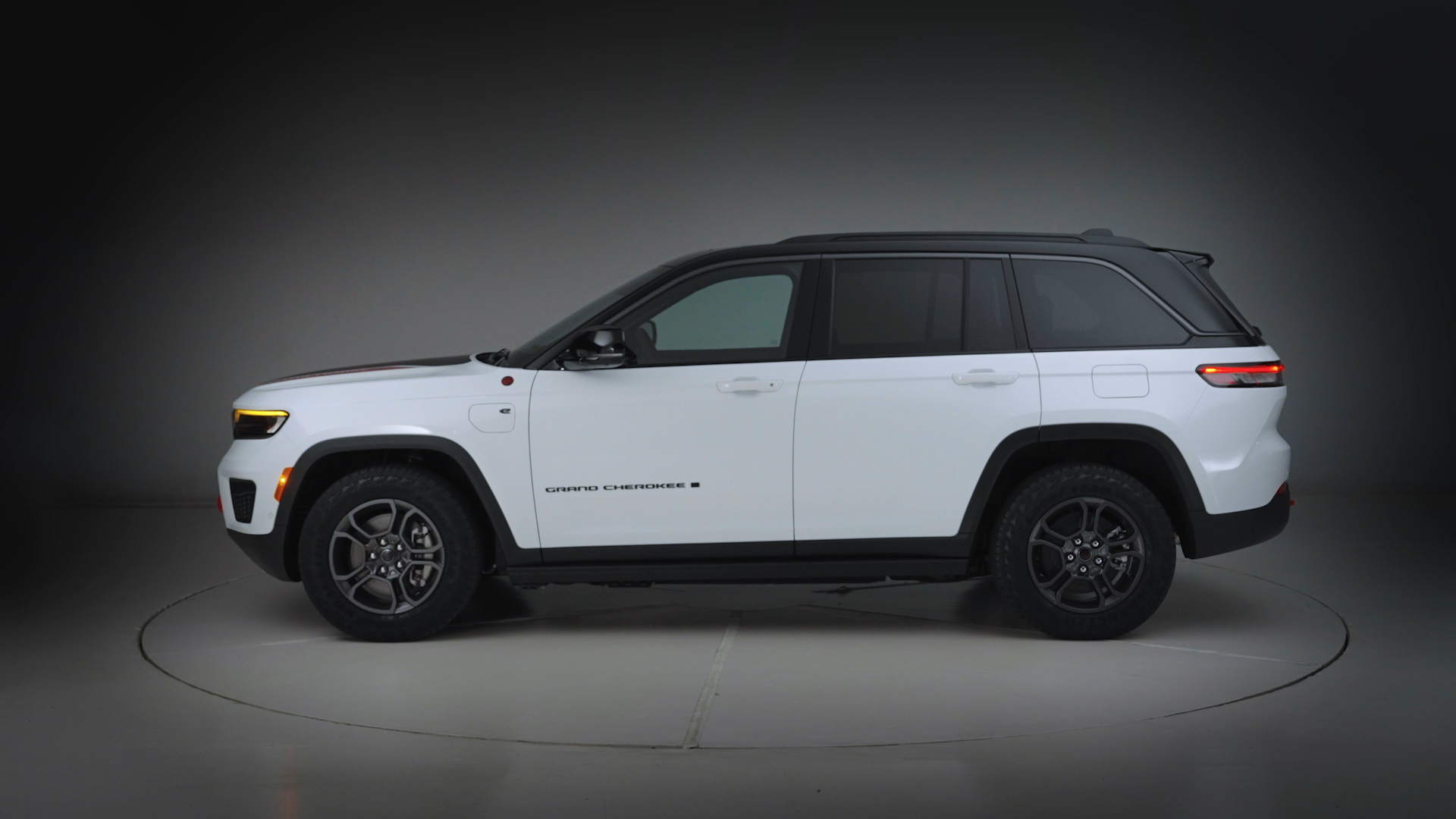
While the new engine headlines the changes, the Grand Cherokee also receives an aesthetic update. The refreshed front fascia retains the model’s iconic upright stance while integrating a revised seven-slot grille, new headlight shapes, and updated lower fascias. Three new exterior paint finishes—Steel Blue, Copper Shino, and Fathom Blue—add further customization for 2026 buyers.
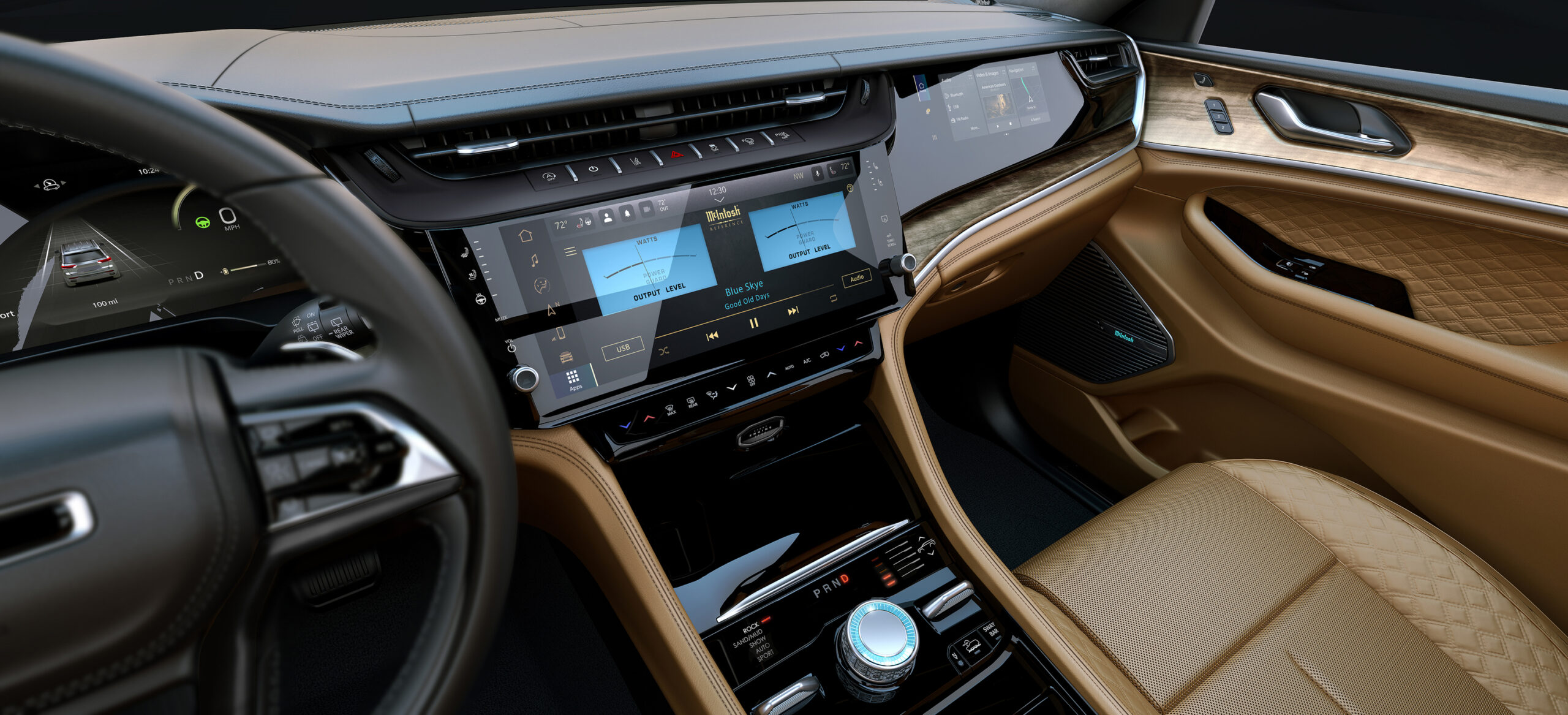
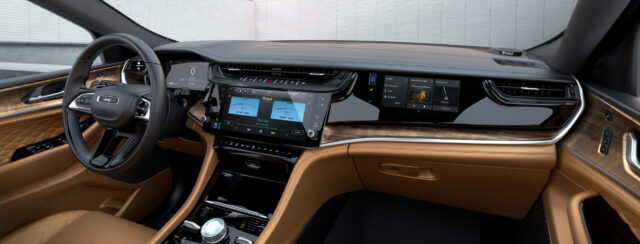
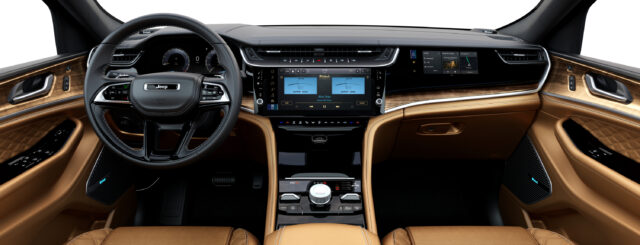
Inside, the SUV gains a larger 12.3-inch central infotainment display, enhancing the digital experience across the lineup. The interface integrates seamlessly with an available 10.25-inch passenger display, active driving assist, and a McIntosh 19-speaker premium sound system. These updates are joined by improved materials and finishes throughout the cabin, continuing Jeep’s recent emphasis on craftsmanship and technology integration.
Jeep has streamlined the Grand Cherokee’s trim lineup for 2026, focusing on three key models: Laredo, Limited, and Summit. The approach aims to simplify configuration choices while expanding available features at lower price points.
The Laredo Altitude variant debuts with standard 4×4 capability via the Select Terrain system, a 12.3-inch infotainment display, and enhanced safety features, including Traffic Sign Recognition and Intersection Collision Assist. The Limited trim adds leatherette upholstery, heated second-row seats, and a nine-speaker Alpine audio system, with optional Reserve and Altitude packages offering features like a dual-pane sunroof, ventilated Nappa leather seating, and an integrated off-road camera.

At the top of the range, the Summit model elevates refinement with Palermo leather seats, a suede headliner, Oak and Liquid Chrome interior accents, and the Quadra-Trac II 4×4 system combined with air suspension. The Summit also includes the McIntosh audio system, massaging front seats, and extensive driver-assist technology.
The new Hurricane 4 Turbo joins existing powertrains, including the 3.6-liter V6 and plug-in hybrid (PHEV) variants. The base Laredo continues with the V6 engine and adds additional standard safety systems, including ParkSense rear assist, blind-spot monitoring, and rear cross-traffic detection. A new Laredo X trim combines popular options, such as heated seats, a heated steering wheel, a sunroof, and wireless charging into one value-oriented package. Pricing for the Laredo begins at $40,730, including destination, while Hurricane 4 Turbo-equipped models start at $46,135.
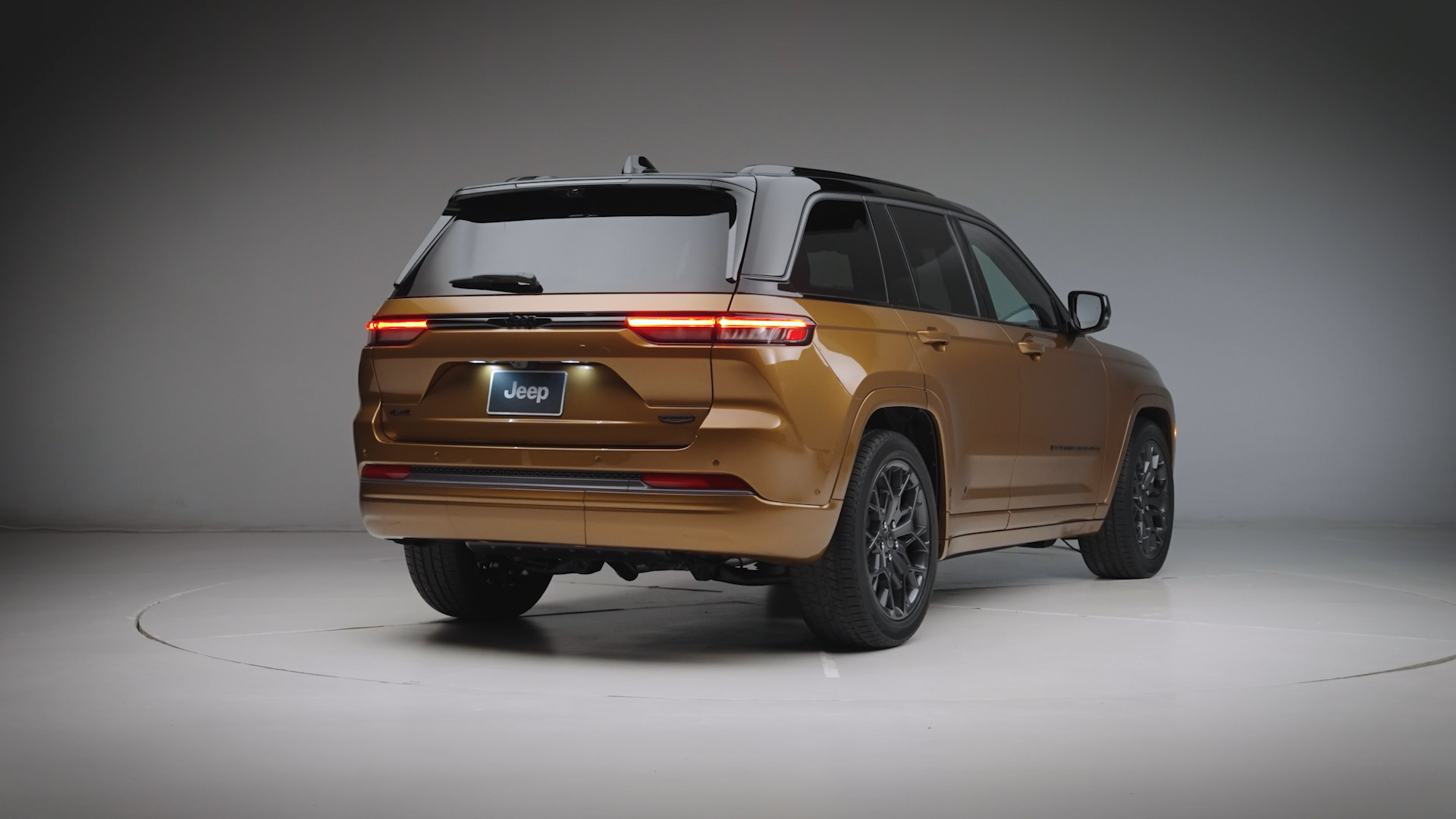
The three-row Grand Cherokee L remains available for families needing expanded space, offering best-in-class second-row legroom and more cargo capacity behind the third row than any competitor. New for 2026, Laredo Altitude models and above gain third-row USB charging ports and an optional 60/40 second-row bench.
The Trailhawk trim remains the most capable variant in the lineup, offering a 470-mile driving range and up to 410 lb-ft of torque in its plug-in hybrid form. It retains Jeep’s off-road edge with class-leading approach and departure angles.
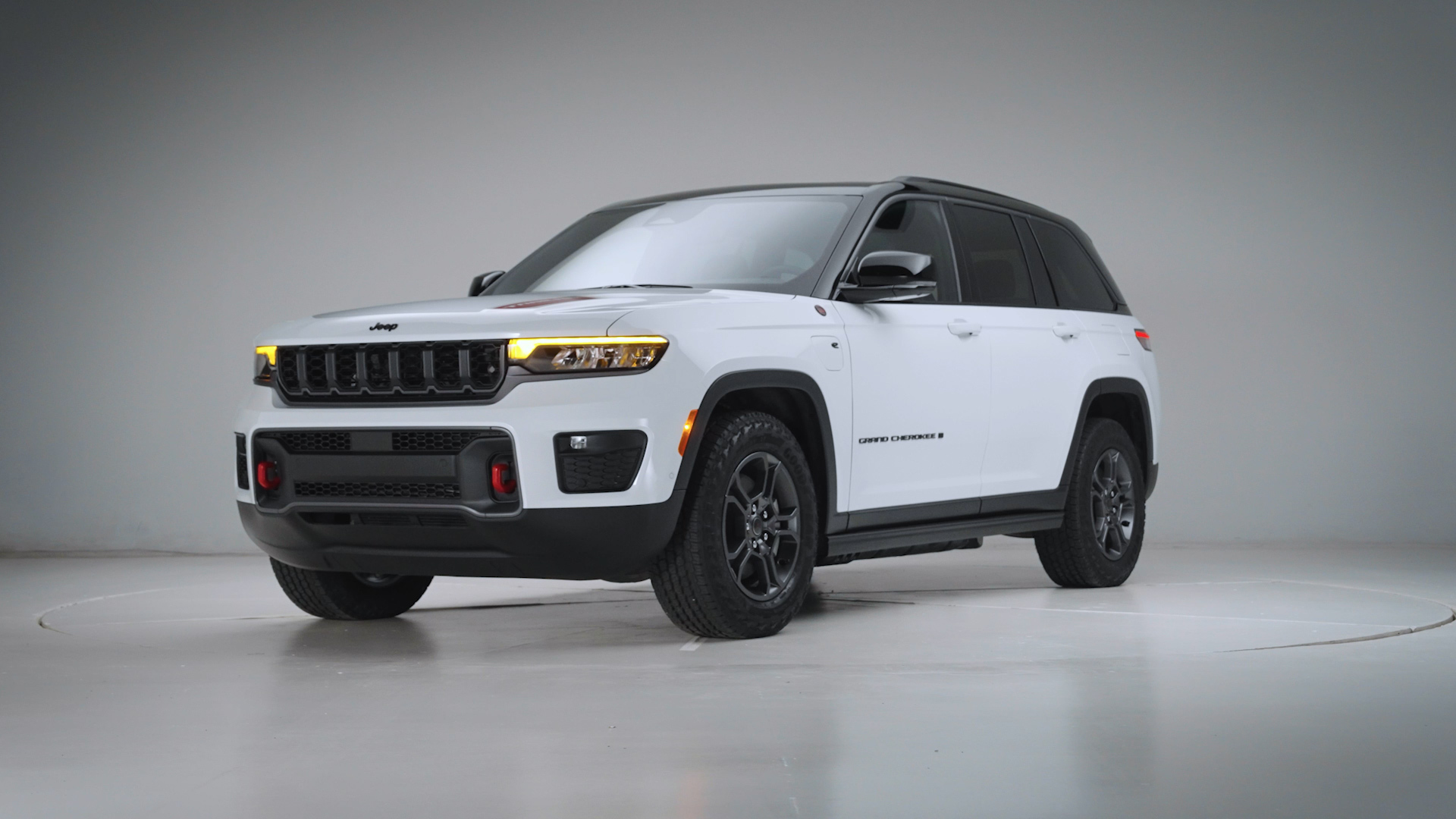
Production of the 2026 Grand Cherokee will take place at Stellantis’ Detroit Assembly Complex, Jefferson and Mack plants, and the production of the Hurricane 4 Turbo will take place at Stellantis’ Dundee, Michigan, facility.
Our No Compromise Clause: We do not accept advertorial content or allow advertising to influence our coverage, and our contributors are guaranteed editorial independence. Overland International may earn a small commission from affiliate links included in this article. We appreciate your support.
