

Photography by Richard Giordano
Summer is an exciting time in Mongolia. City dwellers flock to the countryside to enjoy the annual Naadam Festival, a celebration centered around wrestling, horse racing, and archery competitions. Nomads move to their summer gers (yurts), where green grass and warmer temperatures are enjoyed by multi-generational families and their meandering livestock.
But the most popular summer pastime involves a vehicle, a ground tent and chairs, and plenty of grilling. No matter where you venture between June and August, from the western provinces to the Gobi Desert, car camping is all the rage. This summer, we were fortunate to join in on the fun, and as first-timers in the country, we learned a lot. Here are a few helpful hints in case you decide to follow suit.
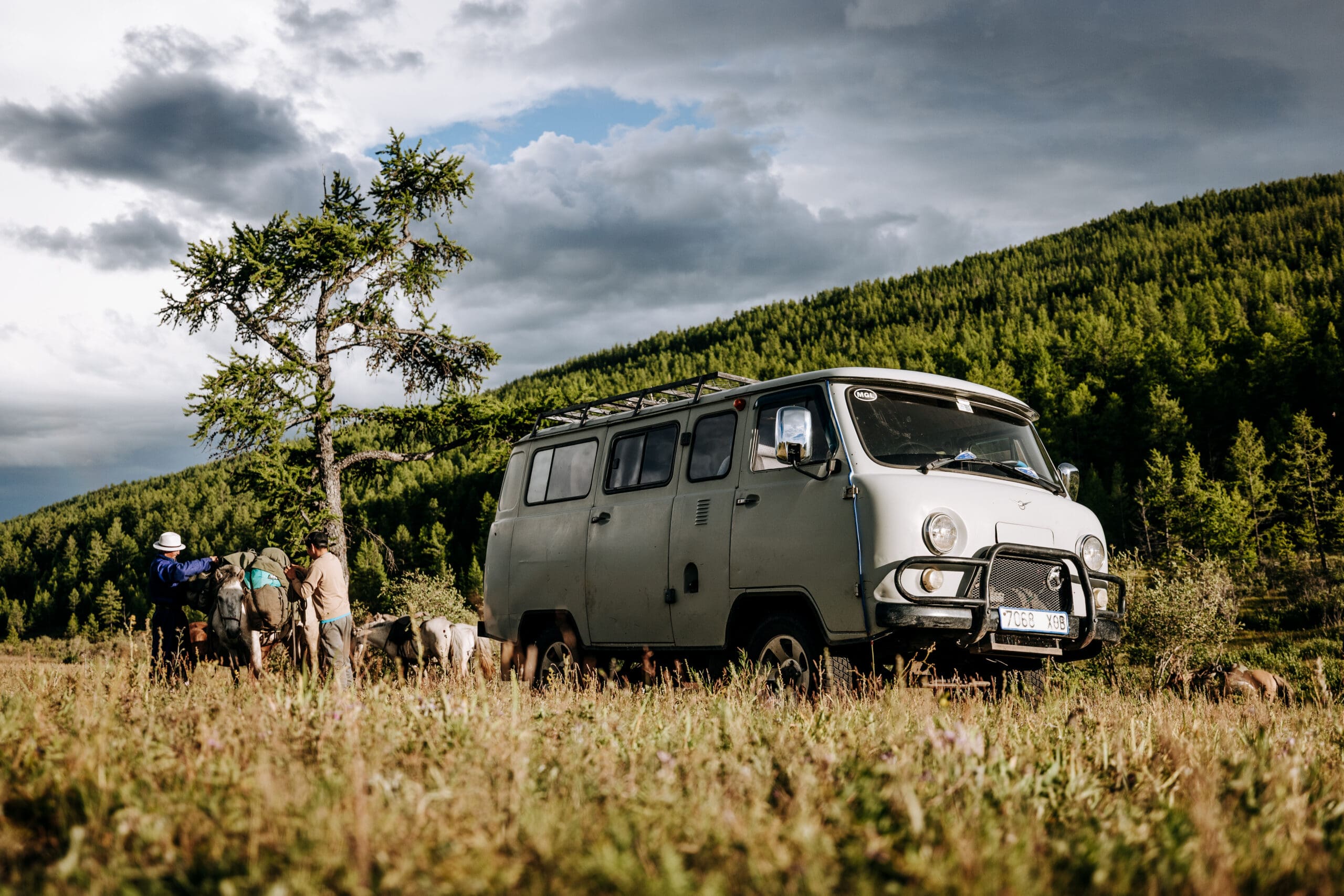
Mongolia is the Land of the Prius, the UAZ, and the Land Cruiser
One of the best reasons to visit Mongolia is to see a host of Land Cruisers (70-, 80-, 100-, 200-, and 300-Series) and UAZ trucks in their natural habitat, ripping along tracks that lead everywhere from the Gobi to the taiga. You can rent one yourself in Ulaanbaatar, and daily rates start at $220, including car insurance.
In all fairness, the real superhero of Mongolia is the Toyota Prius. Day after day, these small but mighty hybrid automobiles transport families to and from gers, are used to herd livestock, and tackle off-road tracks they were never intended for, often by women, with babies in their laps. Hot tip: Mongolians use a quick burst of their hazard lights to say thank you. It’s pretty fun to follow suit.
Learn the Cyrillic Alphabet to Help You Understand (Bonus Points for Bichig)
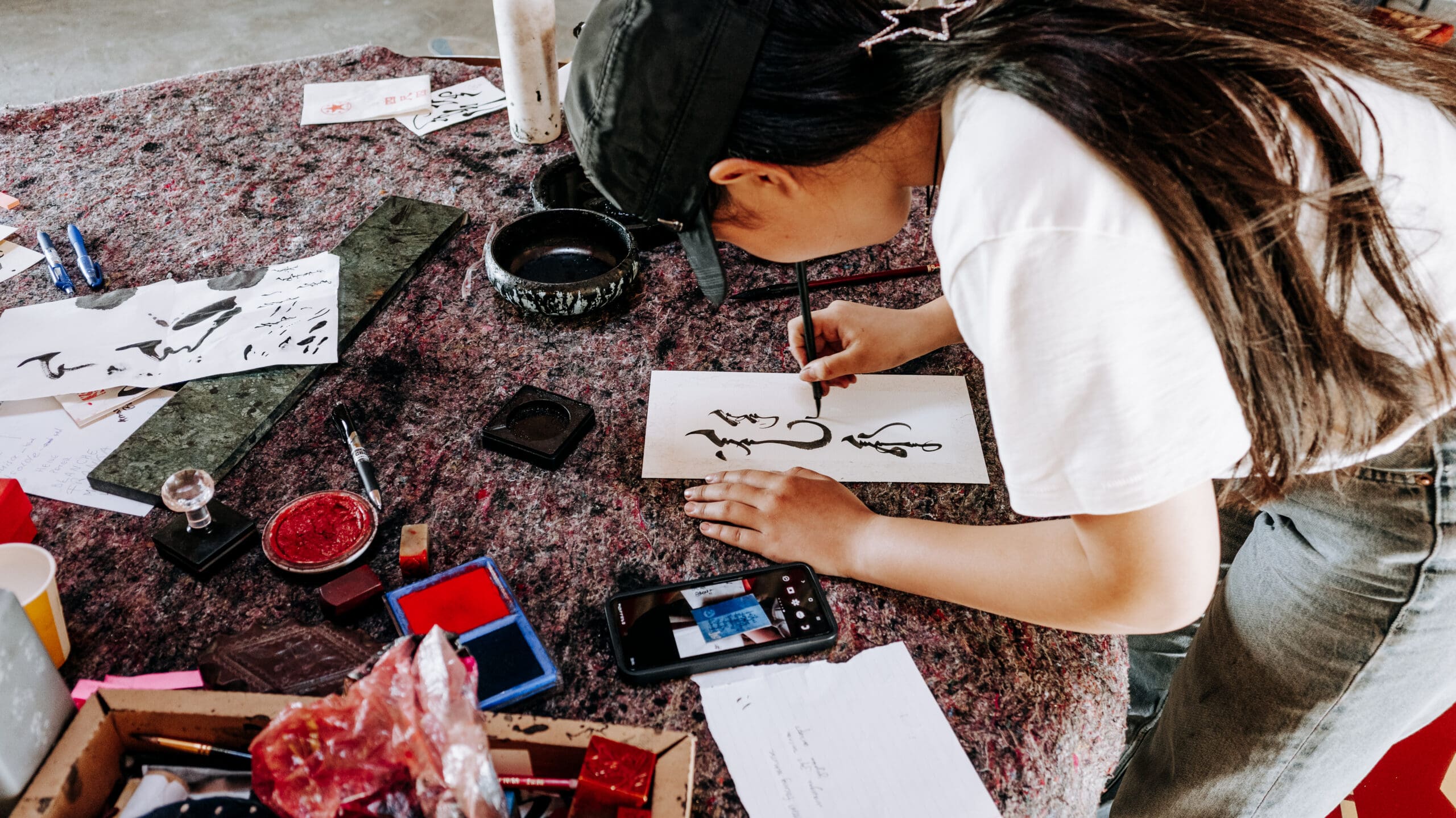
As a result of pressure from the Soviets in the 1940s, Mongolia’s 700-year-old traditional vertical script (bichig) was replaced with Cyrillic. The Cyrillic alphabet is still used in daily life, and visitors will see evidence of this on road signs, market fronts, restaurants, shops, and more. To give yourself a head start, learn the Cyrillic alphabet before you arrive. Bichig is making a comeback, though, and was recently reintroduced as a co-official script. The Erdenesiin Khuree Calligraphy Center in Kharkorin is worth visiting, where you can sign up for a calligraphy workshop or enjoy the art form through exhibitions and demonstrations.
American Citizens Get 90 Days Visa-Free, While Canadians Can Extend In-country
Geographically, Mongolia is more than twice the size of Texas, and travel is typically slow going. Fortunately, US passport holders can stay in Mongolia for 90 days visa-free, which allows a generous amount of time to move about the country. Citizens of Canada, Denmark, Belgium, Germany, Iceland, Israel, Italy, France, Spain, Greece, Norway, Sweden, and Switzerland may stay visa-free for 30 days. For those who wish to stay longer, visa extensions are possible. We applied for the visa extension online (which must be done at least 5 working days before your 30 days expires) and were given an extra 30 days, totaling 60.
Head to Local Water Houses to Fill Up on Drinking Water
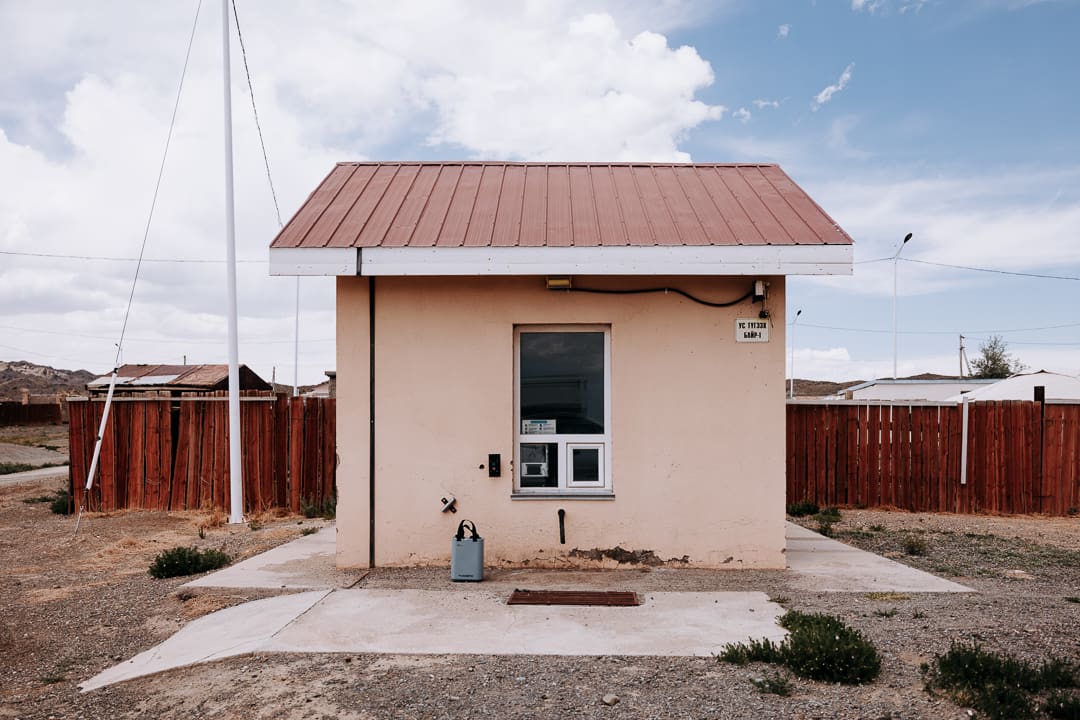
In nearly every small township, you’ll come across one or more water houses where local people access clean drinking water. Many of the houses are only accessible via a card issued to Mongolians, so you’ll need to wait around for someone to show up. After they scan their card and fill their bottles, we usually ask nicely and hand over some tugrik (Mongolian currency) before filling up ours. Buildings are often small and unmarked, but head to iOverlander or ask around town for their locations.
Public Shower Houses Are Your Friend
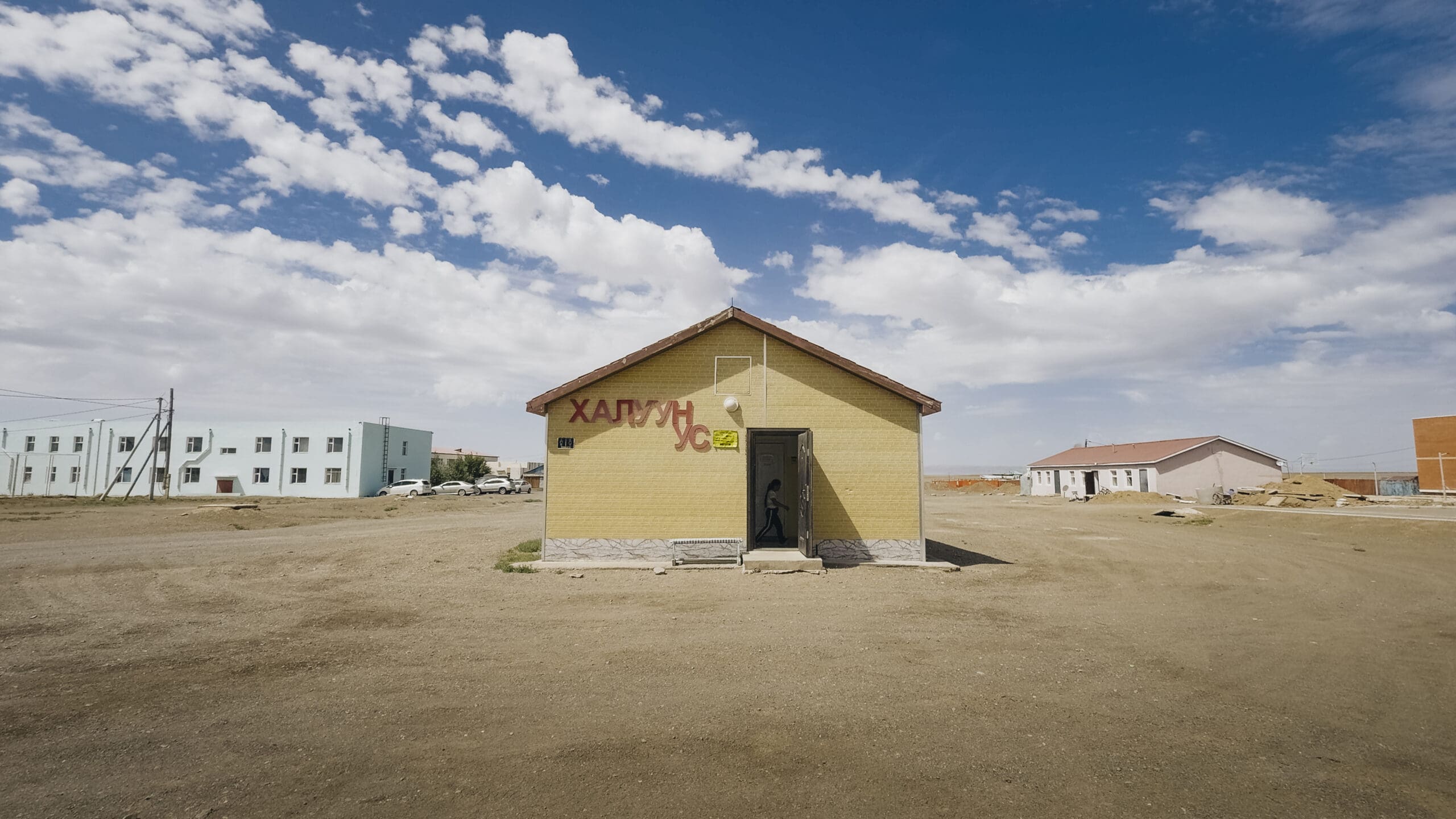
After a string of long days on dirt, it’s nice to wash off the grime. But if you don’t have a shower built into your rig, Mongolia’s public showers offer a convenient hot-water rinse for just a few dollars. Like water houses, shower houses are often located in small townships where hotels may not be available. They’re typically (fairly) clean, run hot water, and sometimes even offer shampoo and fresh towels for rent.
There are Self-Serve Laundromats, Even for Shoes
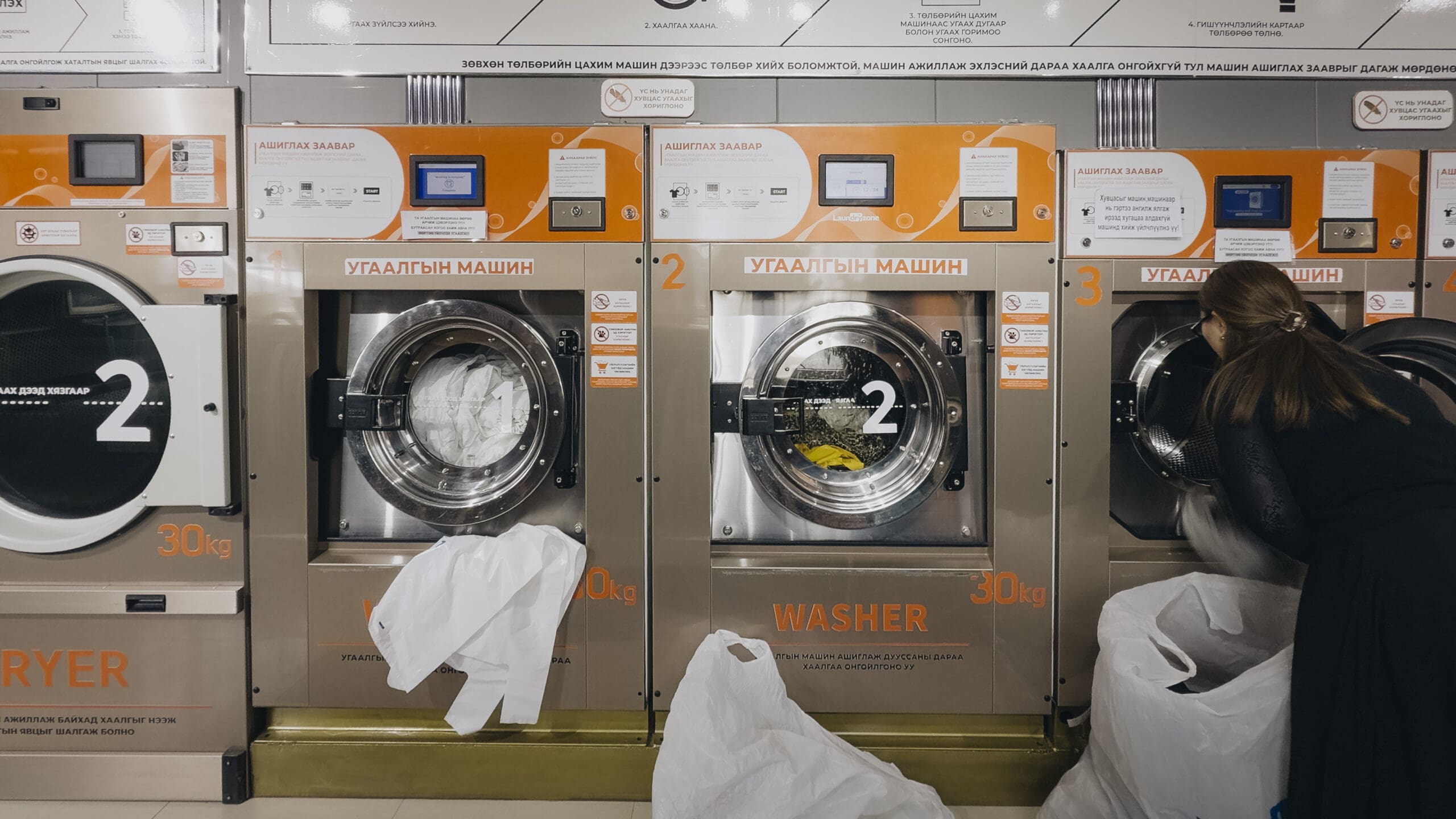
Self-serve laundromats aren’t exactly commonplace in the Central Asian countries surrounding Mongolia (and in China, they’re usually found in hotels or highway rest stops). So, it was a surprise to discover numerous self-serve laundromats in most of Mongolia’s towns, including dryers and special machines for your shoes. Sure, you can hand wash, but sometimes, hot, fresh sheets are an unparalleled luxury.
K-Culture Has Made an Appearance
If you’re road tripping through Mongolia, it’s hard to miss the ubiquitous CU and GS25 convenience store chains. Hailing from Korea, these small stores stock instant noodles, cups of ice, drinks, and to-go snacks such as kimbap, onigiri, and packets of kimchi. In the summer, each CU location we visited (about 600 operate in the country) bustled with domestic tourists. The most common roadside snack? Instant ramen. Tip: CU convenience stores also carry Mongolian products. Try the Bodshim brand beef, horse, or yak jerky.
More than 90% of Mongolia’s Roads are Dirt
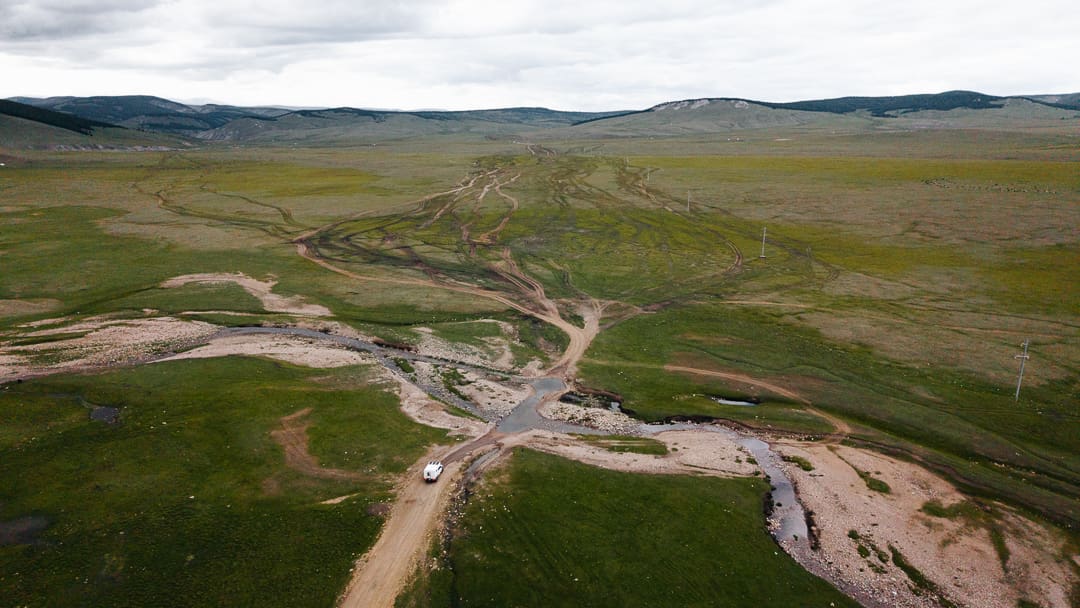
Mongolia’s road network consists mainly of unpaved gravel, cross-country dirt paths, and sandy tracks and washes. Here, you’re going nowhere fast. But for the overlander, this is what makes travel in the country rewarding and so much fun. Long stretches of corrugation and wavy undulations test your vehicle, but nothing beats arriving at a wonderful, quiet wild camp at the end of a long day. We met an Italian overlander whose rear camper door fell off due to a section of washboard in the Gobi. It’s wise to ensure your vehicle is in good condition; if you run into problems, there are Doctor Auto shops (also BFGoodrich and ARB dealers) and plenty of mechanic options to choose from.
A Strong Iced Espresso to Go, Please
In recent years, Mongolia has seen a significant surge in coffee culture, with plenty of good cafés popping up everywhere from the capital of Ulaanbaatar to more remote areas of the country. For coffee lovers, that means it’s easy to hit up a small town, refuel, and enjoy a hit of caffeine before tackling that next round of washboard. A couple of our favorites include the Tod Coffee Shop in Bayandalai and New Roots Coffee in Khatgal.
It’s Pronounced Ching-gis
To prepare for any trip to Mongolia, pick up copies of anthropologist Jack Weatherford’s books, Genghis Khan and the Making of the Modern World and The Secret History of the Mongol Queens. In addition, learning some common greetings in Mongolian goes a long way:
- Sain bain uu: Hello/How are you (formal)
- Sain uu: Hi/hello (informal, used with friends, peers, younger people)
- Sain baitsgaanoo: Hello (group of two or more people)
- Bayarlalaa: Thank you
- Bayartai: Goodbye
Finally, get into the groove by jamming to songs by The Hu, a Mongolian folk metal and rock band. Better yet, book tickets to their next concert—they put on (great) shows worldwide.
For more on Mongolia, please enjoy episode #272 of the Overland Journal Podcast: Travel Journalist and Guide Breanna Wilson on Overlanding Mongolia.
Our No Compromise Clause: We do not accept advertorial content or allow advertising to influence our coverage, and our contributors are guaranteed editorial independence. Overland Collective may earn a small commission from affiliate links included in this article. We appreciate your support.
