

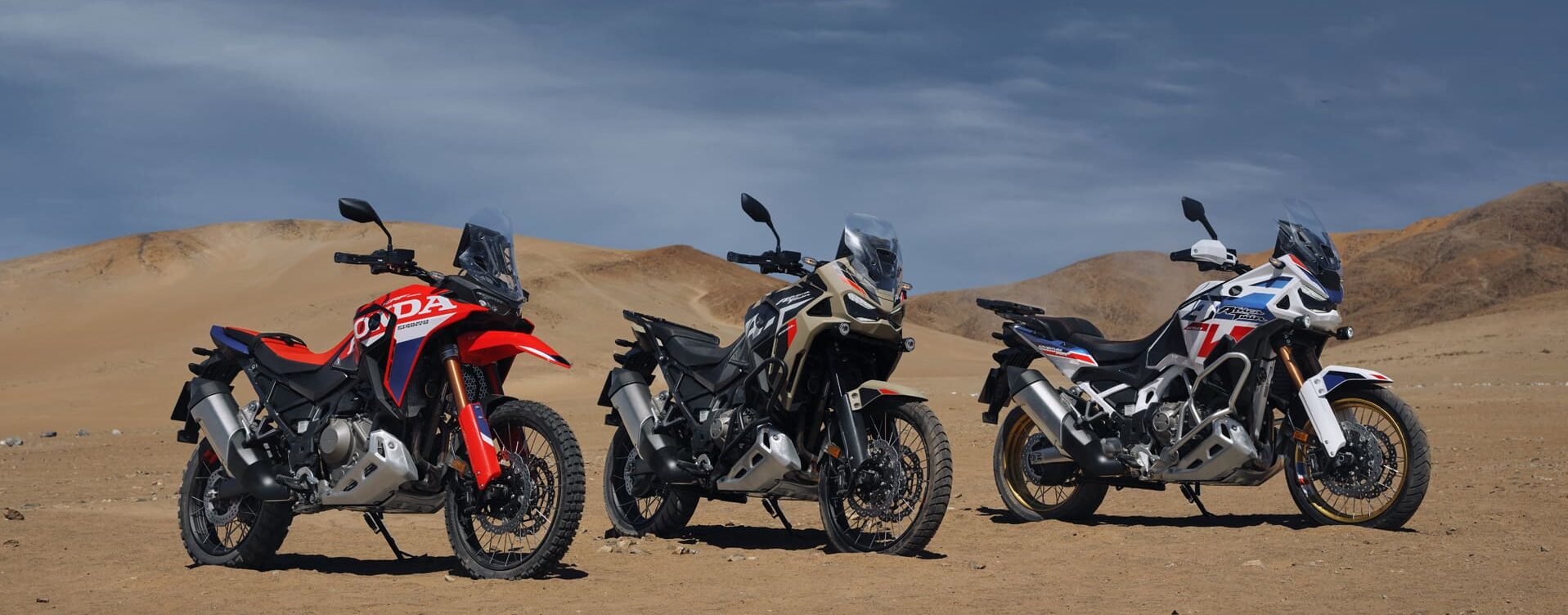
How do you improve a legend? For Honda, the answer is more power, updated technology, and a clearer distinction between the motorcycles carrying the Africa Twin name. Facing stiff competition from the likes of BMW and Triumph, Honda has redesigned the range for 2027 around three models: the all-around Africa Twin, the road-biased, long-distance Africa Twin Adventure Sport, and the rally-inspired Africa Twin Enduro Sport. While any of the three would be welcome under the Christmas tree, it is the versatile, overland-ready standard Africa Twin that most captures that gets us all hot and bothered.
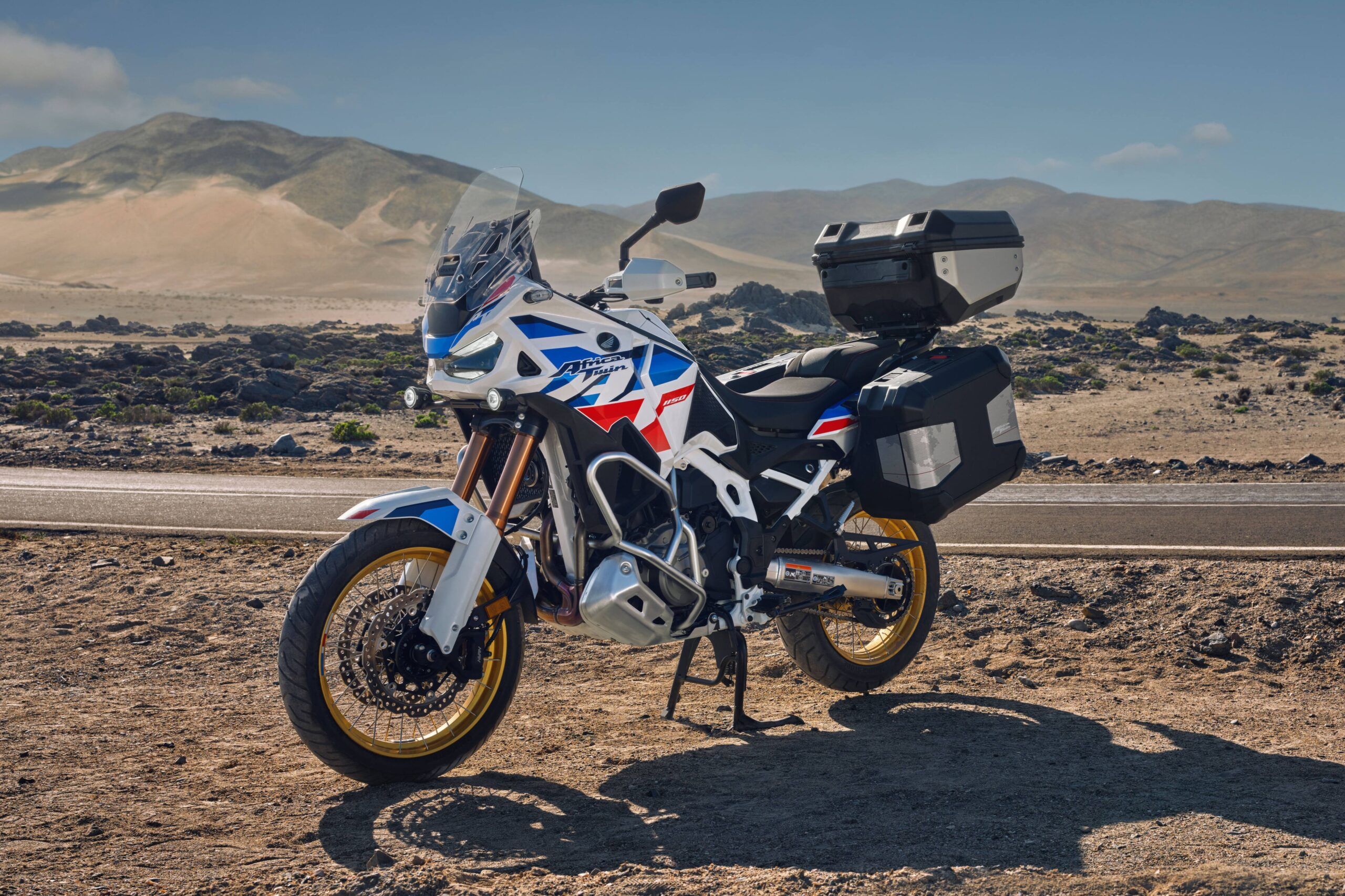
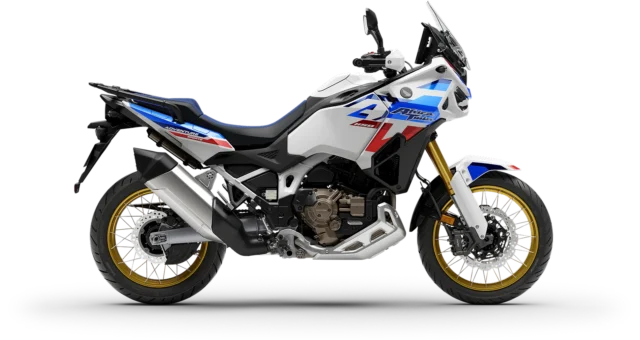
Honda has redesigned the standard Africa Twin for 2027, introducing a 1,131 cc parallel-twin engine, revised chassis, and Showa electronic suspension with Honda Skyhook control. Unveiled at EICMA in Milan on November 3, the CRF1150L Africa Twin also receives an electrically adjustable windscreen and updated controls, bringing additional touring equipment to the model positioned between the off-road-focused Enduro Sports and the long-distance Adventure Sports (whose fairing brings to mind a bleached pug’s underbite).
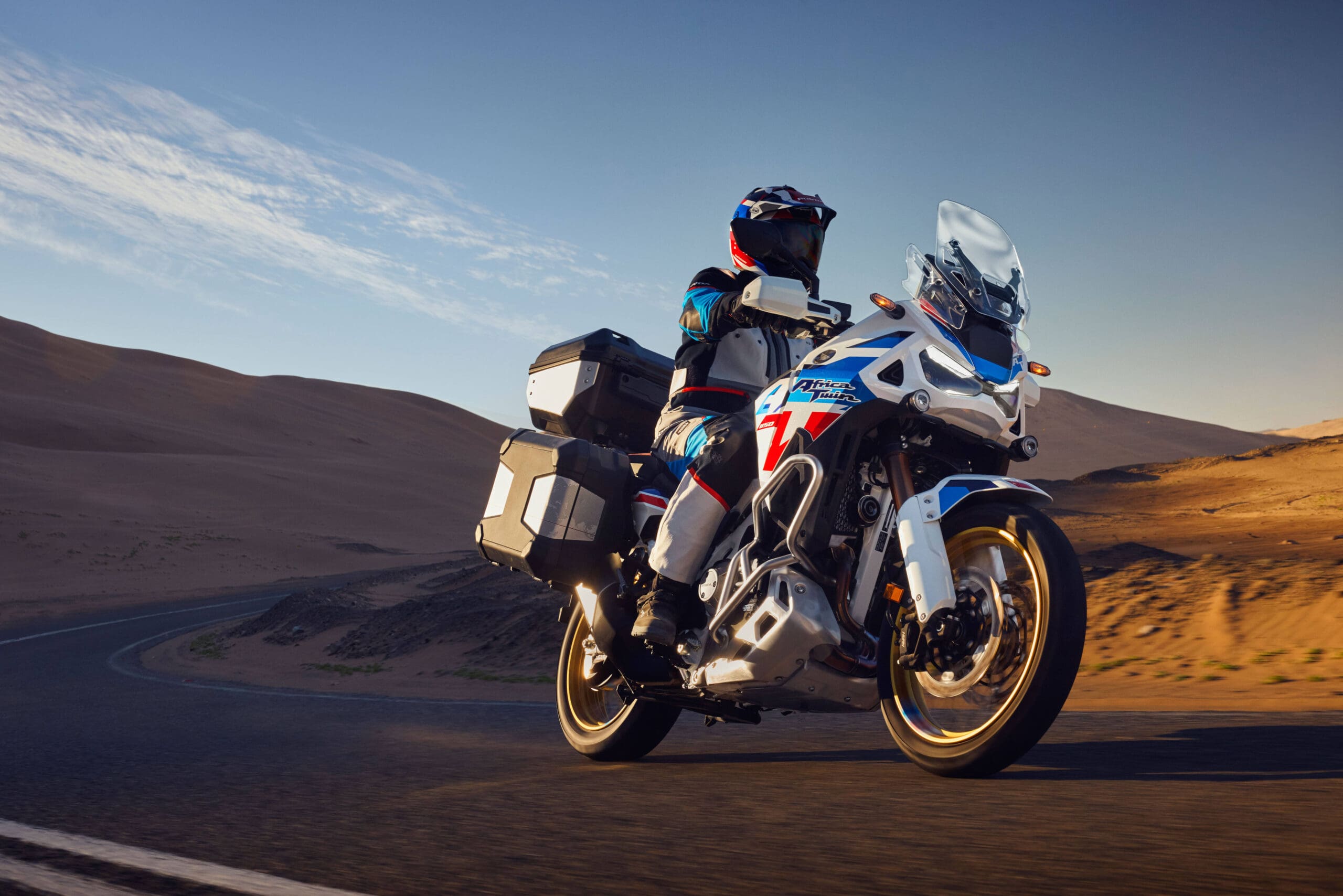
For overland travelers, that middle position remains relevant. The standard Africa Twin combines a 21-inch front wheel with weather protection and electronic suspension, offering a configuration intended to accommodate paved transfers and unsealed routes. Choosing between the three versions now involves clearer differences in equipment, weight, ground clearance, and fuel capacity.
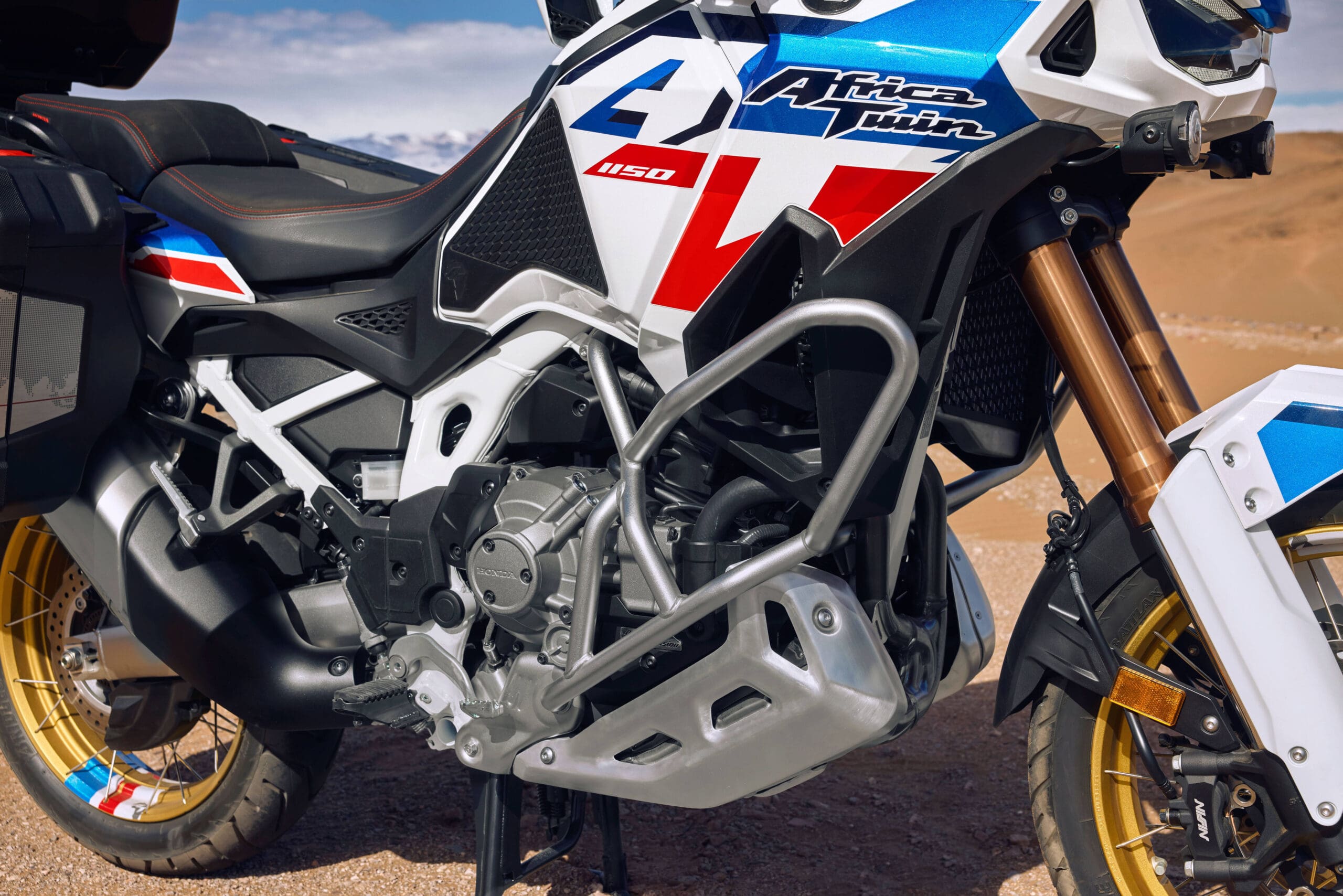
The new engine produces a claimed 87.5 kilowatts, about 117 horsepower, at 7,500 rpm, with a maximum torque of 119 Nm, about 88 pound-feet. Honda says increased displacement and compression, revised intake and exhaust systems, and changes to the gearing improve acceleration and cruising performance. The manufacturer describes the CRF1150L as a full model change from the previous CRF1100L, rather than a minor annual update.
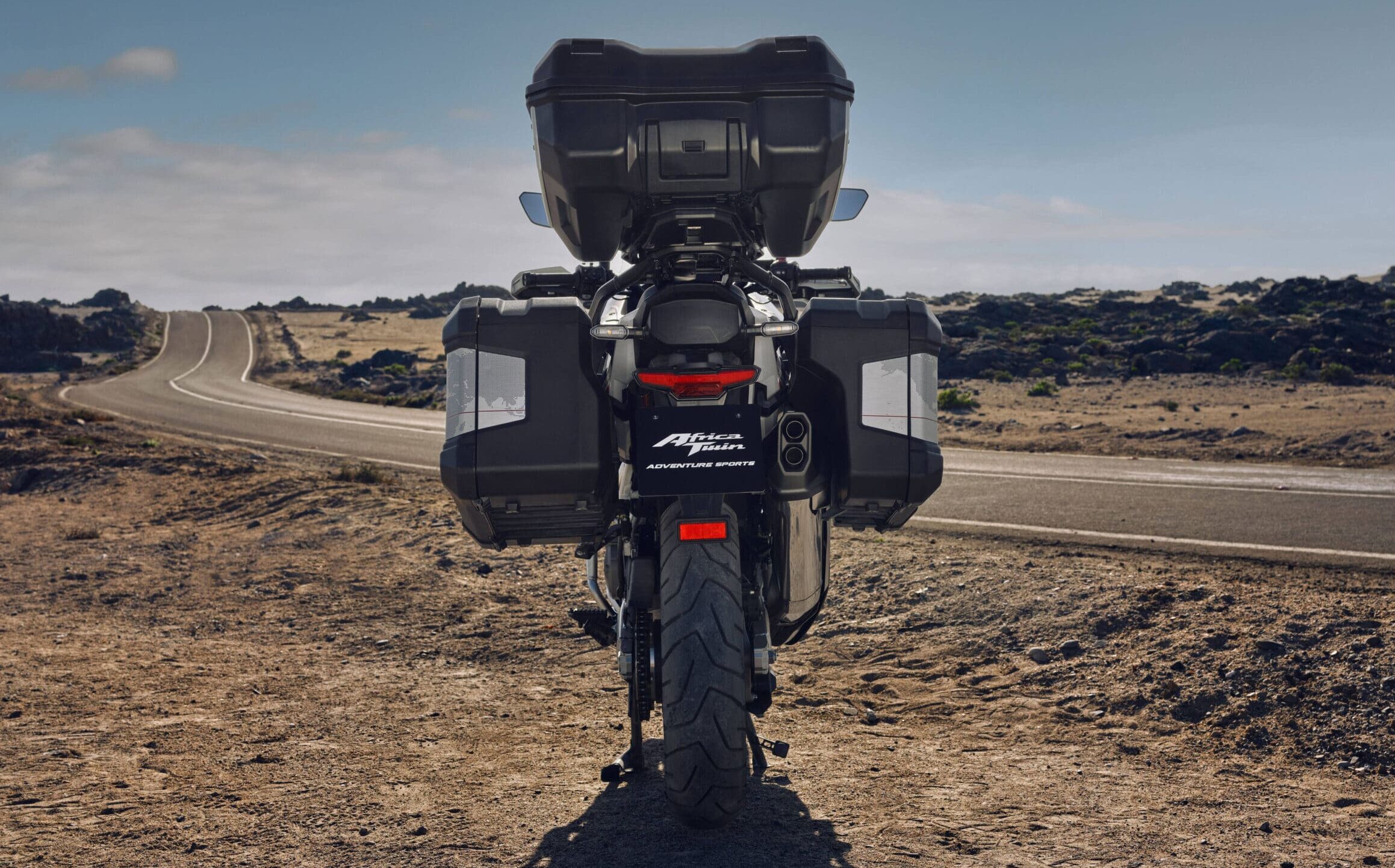
Honda’s UK specifications list a 94 mm bore, 81.5 mm stroke, and 12.1:1 compression ratio. Buyers can choose a 6-speed manual transmission or 6-speed dual-clutch transmission. Listed curb weight is 237 kilograms, approximately 523 pounds, for the manual and 247 kilograms, approximately 545 pounds, for the DCT. Both carry 18.8 liters, approximately 5 gallons of fuel, and use a 21-inch front and 18-inch rear wheel combination.
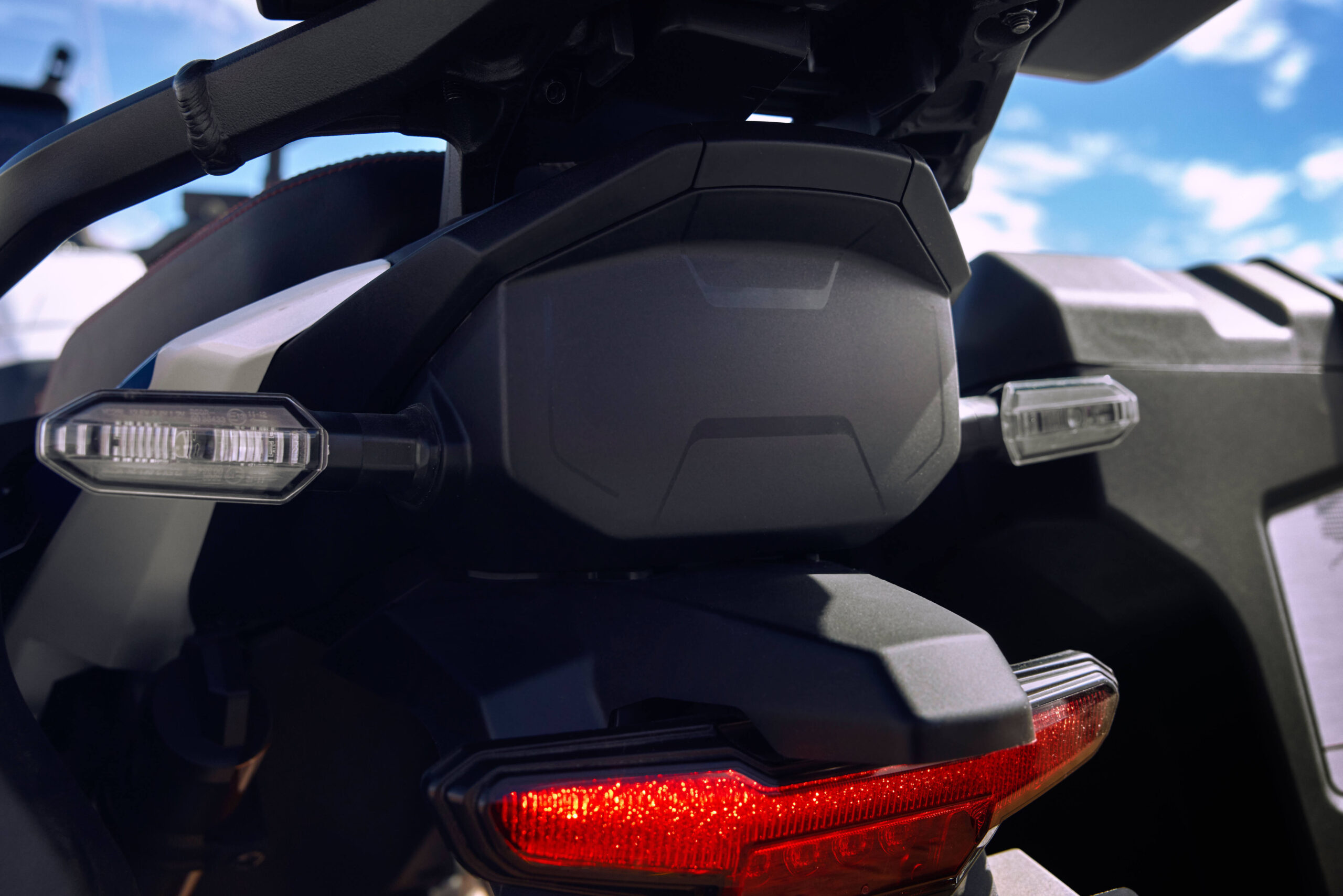
Chassis changes include a redesigned frame and swingarm that together save a claimed 1.4 kilograms. Honda has also placed a fuel sub-tank beneath the seat to lower the center of gravity, with the stated aim of improving low-speed maneuverability. That is a useful development to assess during a loaded test ride, when balancing the motorcycle through tight turns and uneven stopping places can matter more than peak engine output.
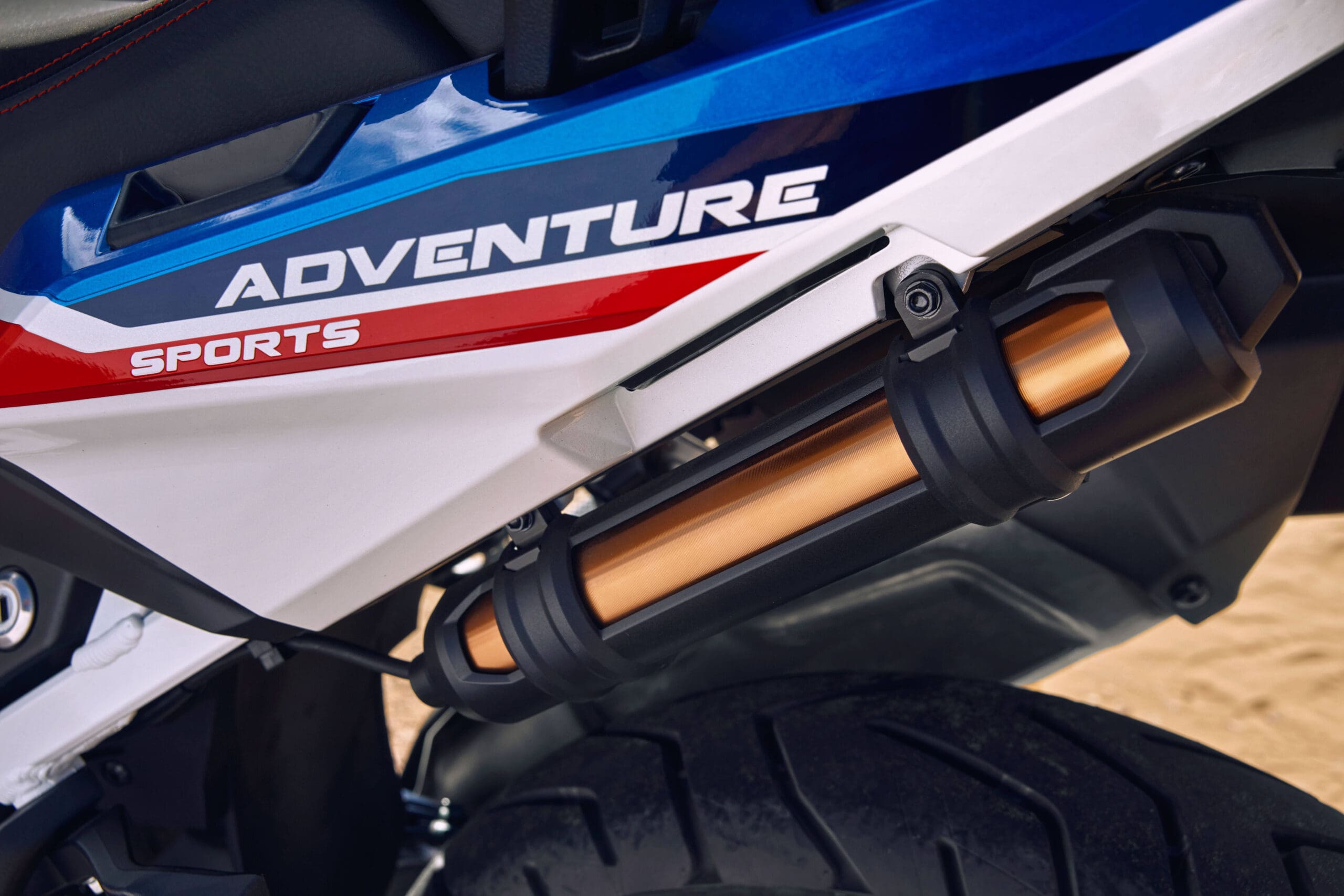
Showa EERA suspension incorporates Honda Skyhook control, continuously adjusting damping in response to motorcycle movement. Electronic rear preload adjustment accommodates changes between solo riding, carrying a passenger, and traveling with luggage. A Minimum Preload Mode lowers the rear suspension by 10 mm to assist when stopping. Honda also describes a narrower chassis, higher handlebars, and repositioned footpegs intended to improve the riding position.
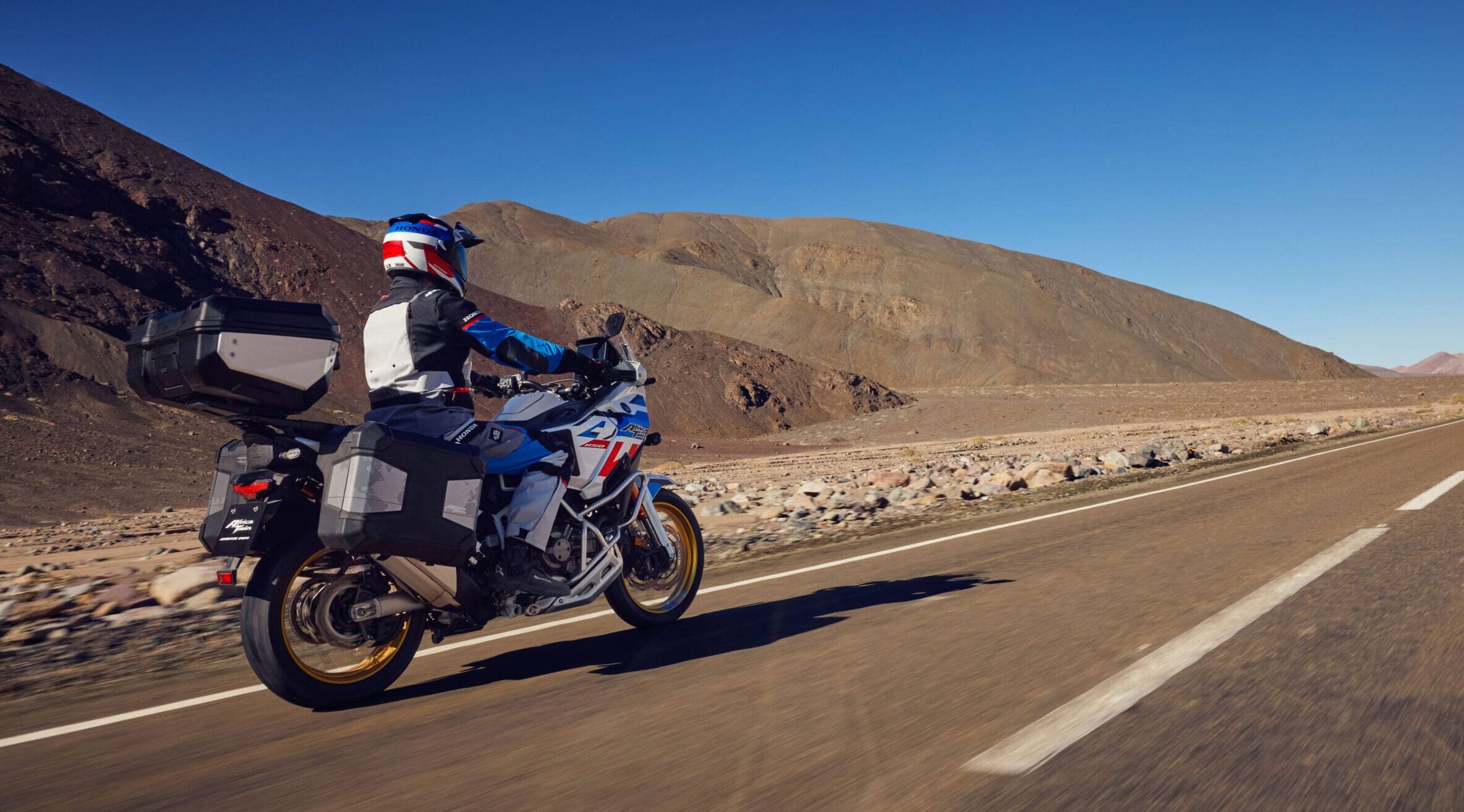
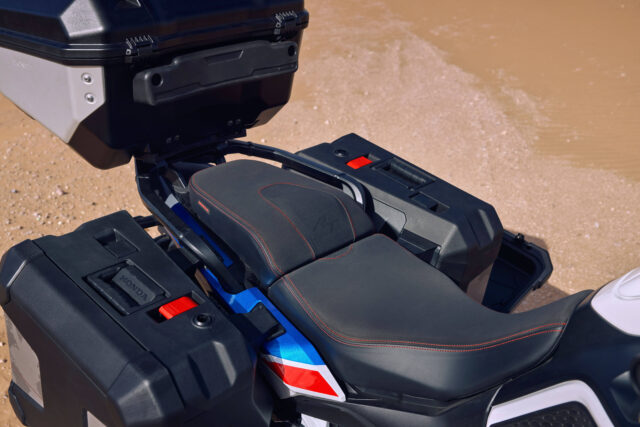
The standard model has 240 mm of ground clearance and an adjustable seat height of 850–870 mm. By comparison, the Enduro Sport offers 260 mm of clearance and a listed curb weight of 228 kilograms, while the Adventure Sport uses a 19-inch front wheel and a larger 24.2-liter tank. These differences suggest distinct priorities: the Enduro Sport emphasizes rough terrain, the Adventure Sport favors touring, and the standard motorcycle occupies the space between them.
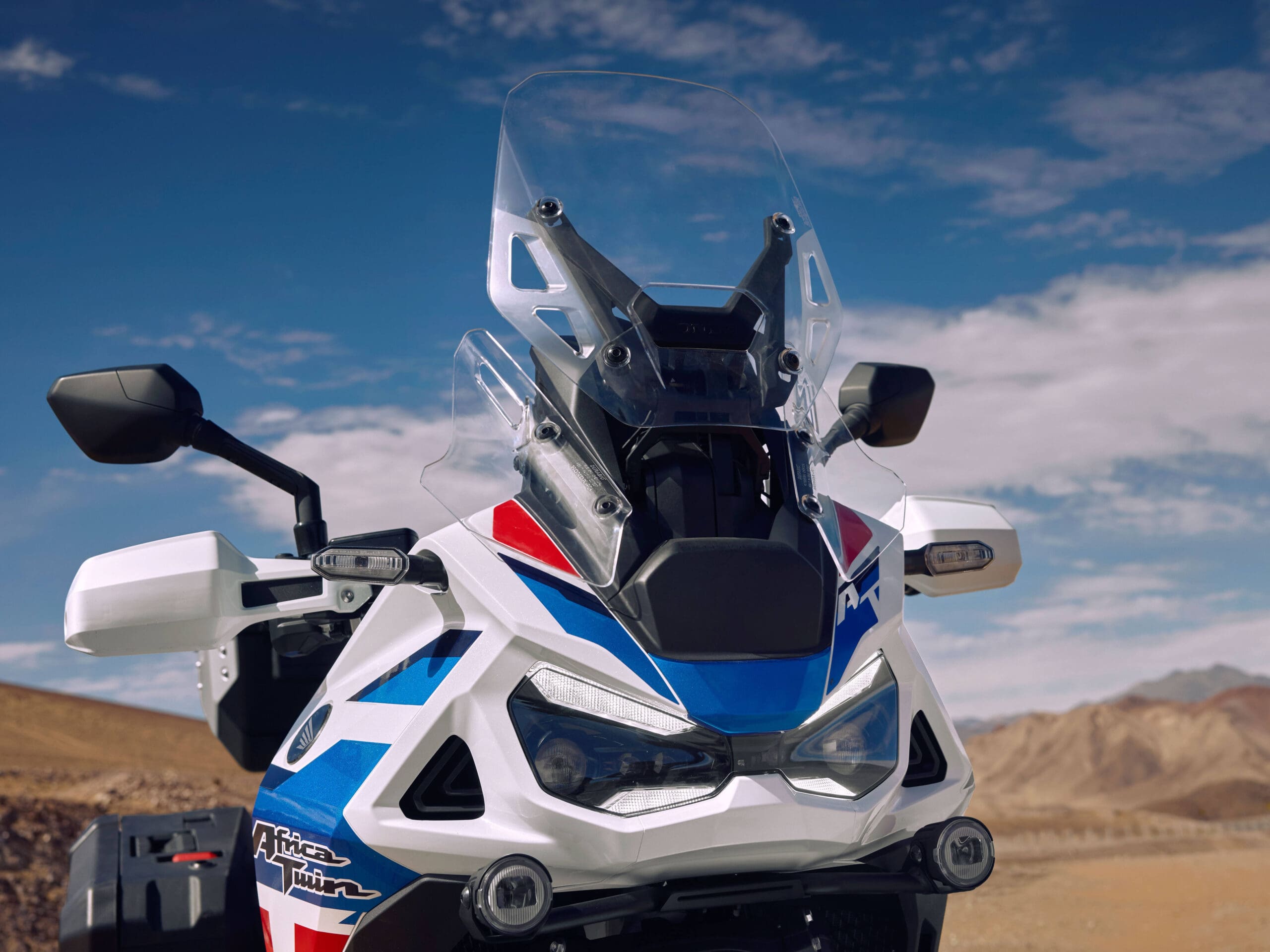
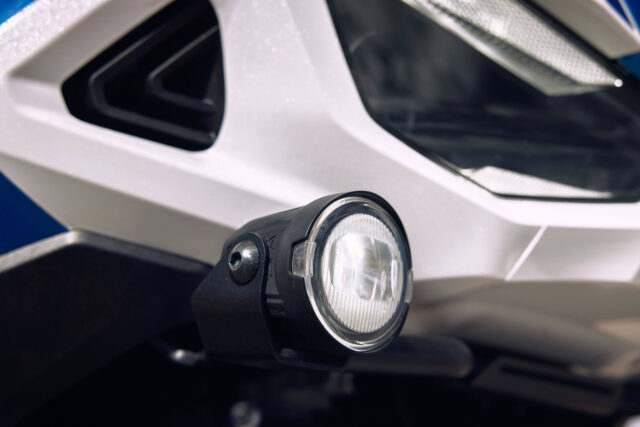
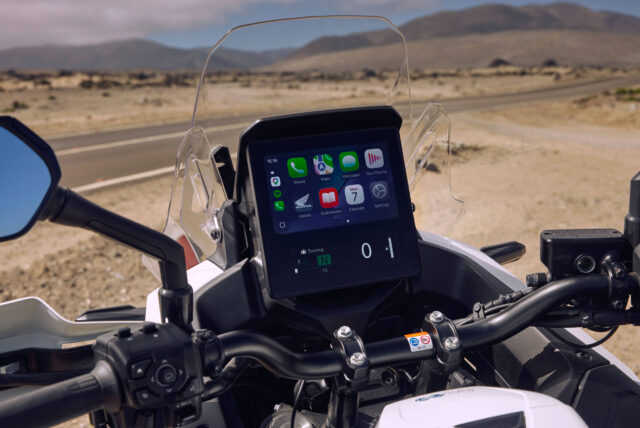
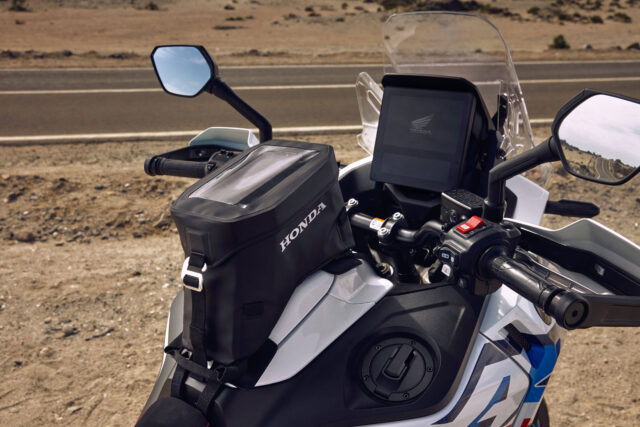
Everyday equipment includes heated grips, cruise control, cornering headlights, and Smart Key operation. The redesigned cockpit pairs a 7-inch touchscreen with a separate 5.7-inch information display, wireless Apple CarPlay and Android Auto, and USB-C connectivity. Honda has also simplified and illuminated the handlebar switchgear and added a smartphone compartment in the fuel-tank area.
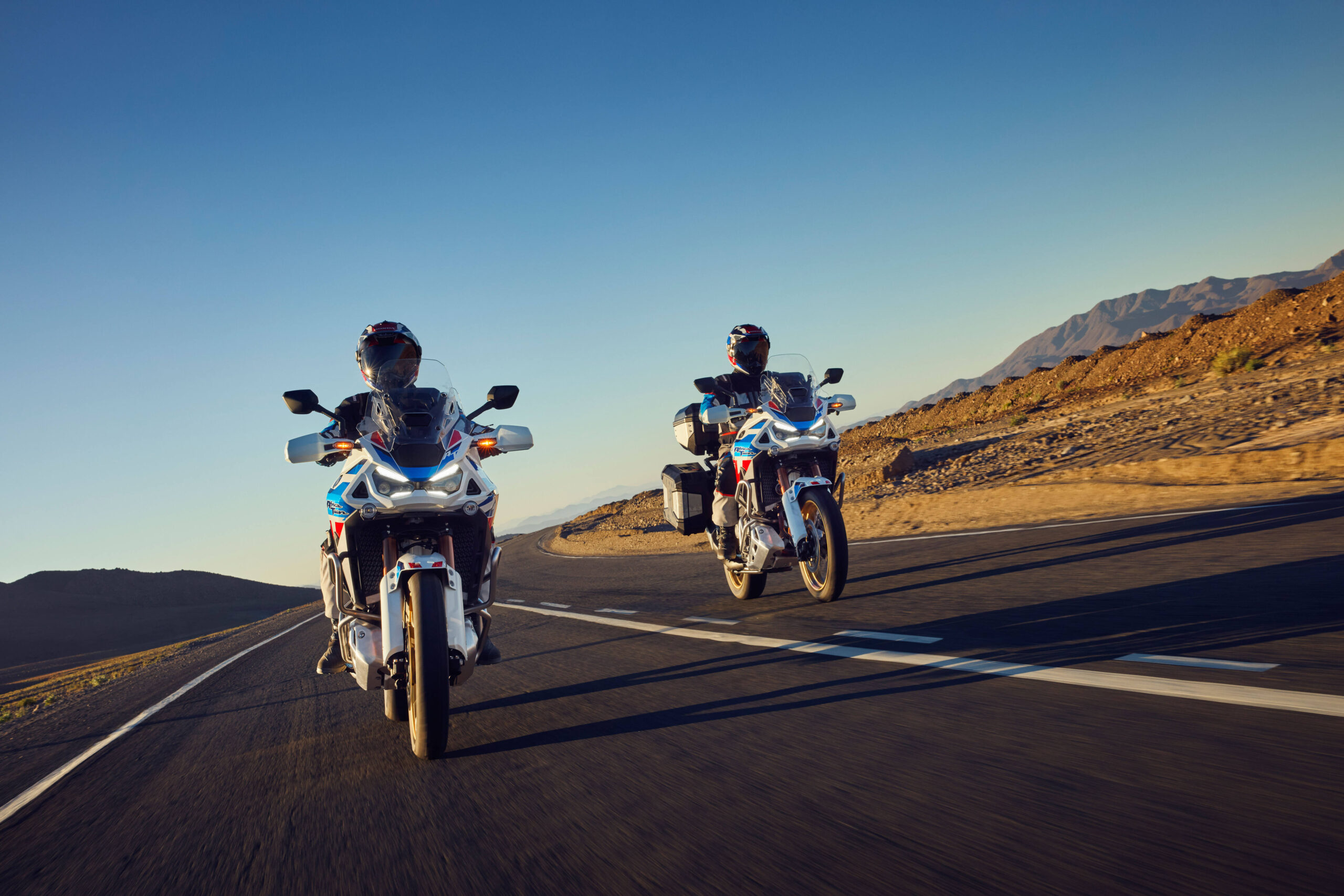
These additions address the hours spent reaching a trail as well as the riding beyond it. Their practical value will depend on how readily the controls can be used with gloves, how the suspension responds with luggage aboard, and whether the revised layout makes routine ownership easier. Those questions require riding experience rather than conclusions drawn from the specification sheet.
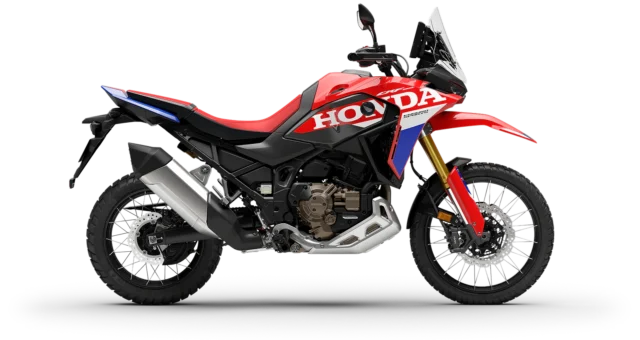
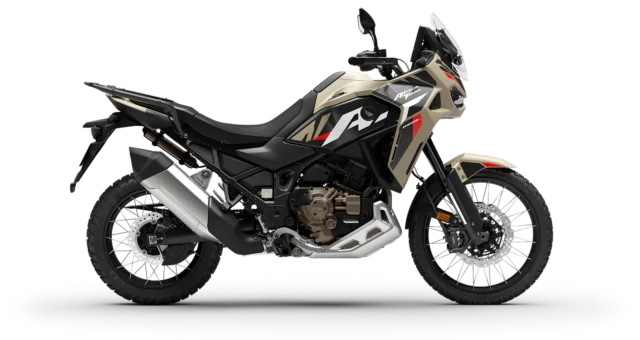
Pricing and a US launch date for the 2027 CRF1150L Africa Twin have not been confirmed.
Read More: Overland News of the Week, October 23, 2026
Our No Compromise Clause: We do not accept advertorial content or allow advertising to influence our coverage, and our contributors are guaranteed editorial independence. Overland Collective may earn a small commission from affiliate links included in this article. We appreciate your support.
