

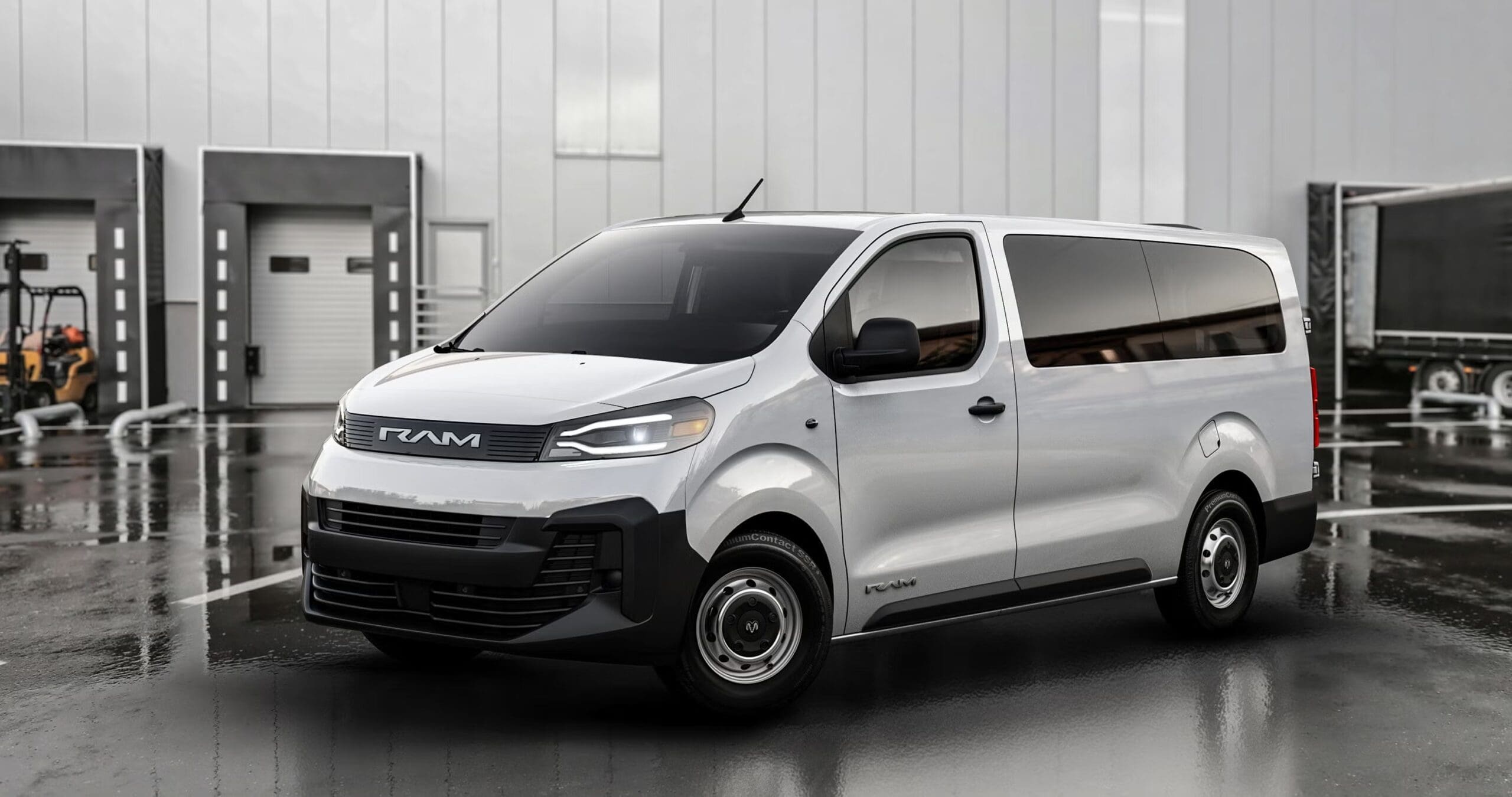
A few years ago, while traveling south to Guatemala, we camped on the shores of Lake Atitlán and were surprised to find that the campsite was occupied not by one, but three Ram ProMaster vans. Each had arrived independently from the United States, yet they shared striking similarities—a New Age traveler type was parked behind the wheel of a thoughtfully improvised, home-built interior. With the return of the ProMaster City, it seems likely that this compact platform will again resonate with the vanlife-overlanding crowd, particularly those who require very little in order to travel very far.

The ProMaster City represents a pragmatic approach to mobility that prioritizes efficiency, maneuverability, and adaptable interior space over outright off-road capability. Historically, the ProMaster City has occupied a niche within the Ram lineup as a compact cargo and passenger van derived from European commercial vehicle architecture. Earlier North American models were based on the Fiat Doblò platform and offered practical packaging, front-wheel-drive simplicity, and relatively low operating costs. Production of that version ended in 2022, but Ram has since confirmed the return of a redesigned compact van that continues the nameplate’s utilitarian ethos.
From a vanlife or overland perspective, the appeal of the ProMaster City begins with its compact exterior dimensions and car-like drivability. Compared with larger vans such as the full-size Ram ProMaster or Mercedes-Benz Sprinter, its smaller footprint makes it easier to navigate congested urban areas, park in standard garages, and negotiate the narrow roads often encountered during international travel. The latest iteration is expected to retain a relatively low overall height, around 77 inches, further enhancing everyday usability in built-up environments. While these proportions do limit interior standing room, it is reasonable to expect that aftermarket pop-top roof conversions will emerge in time. A simple rooftop tent could provide an effective and flexible sleeping solution that frees up interior living and cargo space.
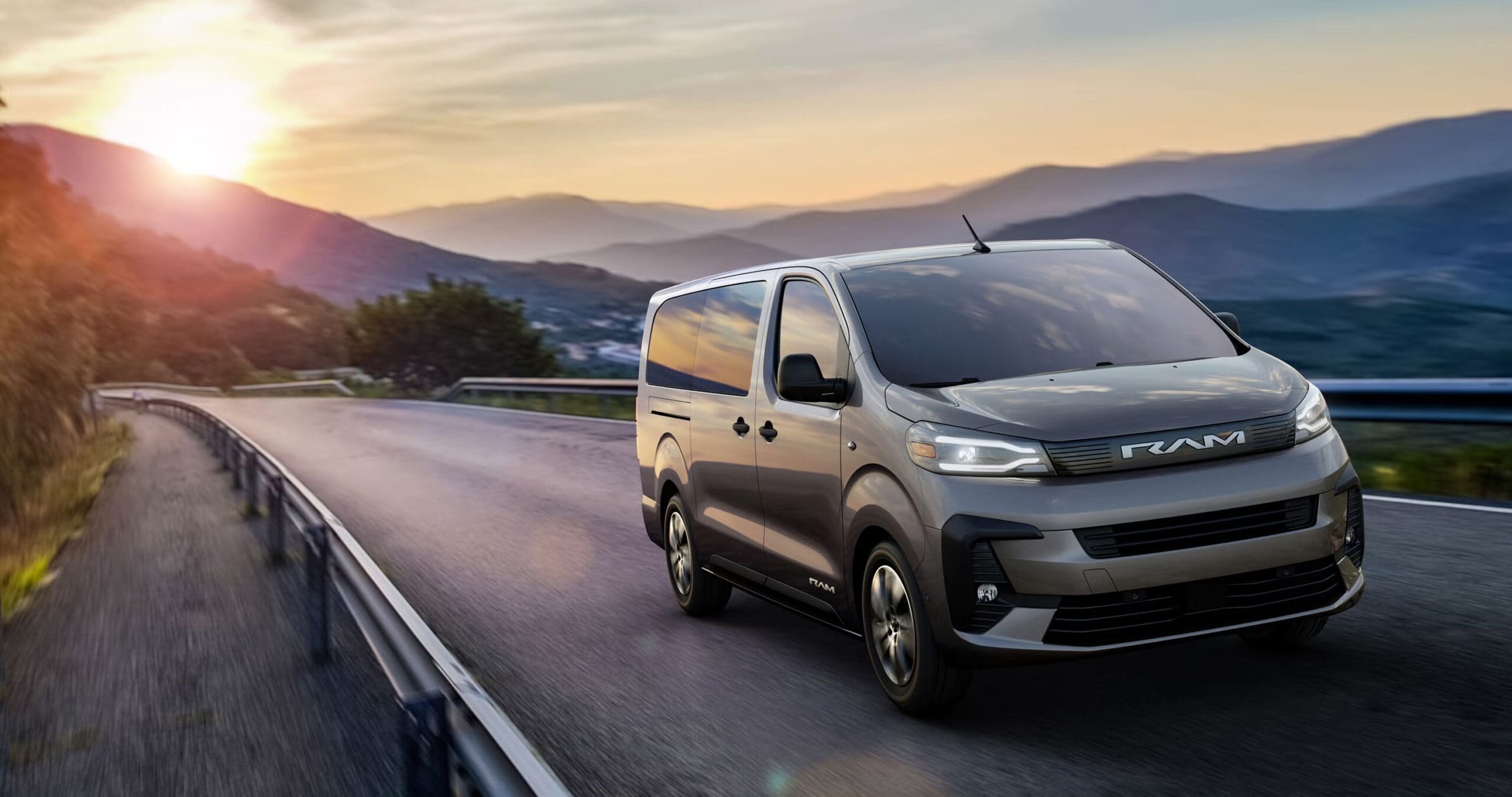
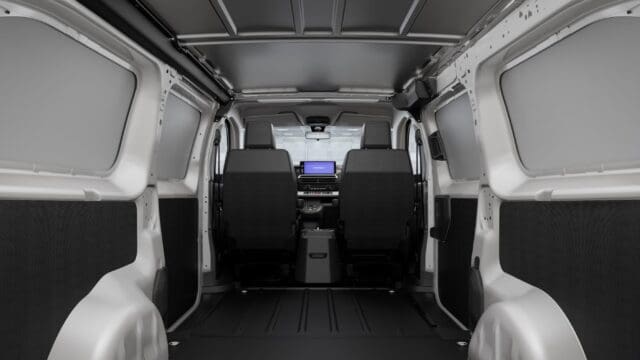
Interior practicality has always been central to the ProMaster City concept. Previous versions offered up to roughly 131 cubic feet of cargo capacity, generous for a vehicle of this size and sufficient to support simple camper conversions with a compact bed platform, storage cabinetry, and portable cooking arrangements. The forthcoming model increases this figure to about 167 cubic feet, reflecting a shift toward improved load-carrying flexibility and greater potential for modular living installations.
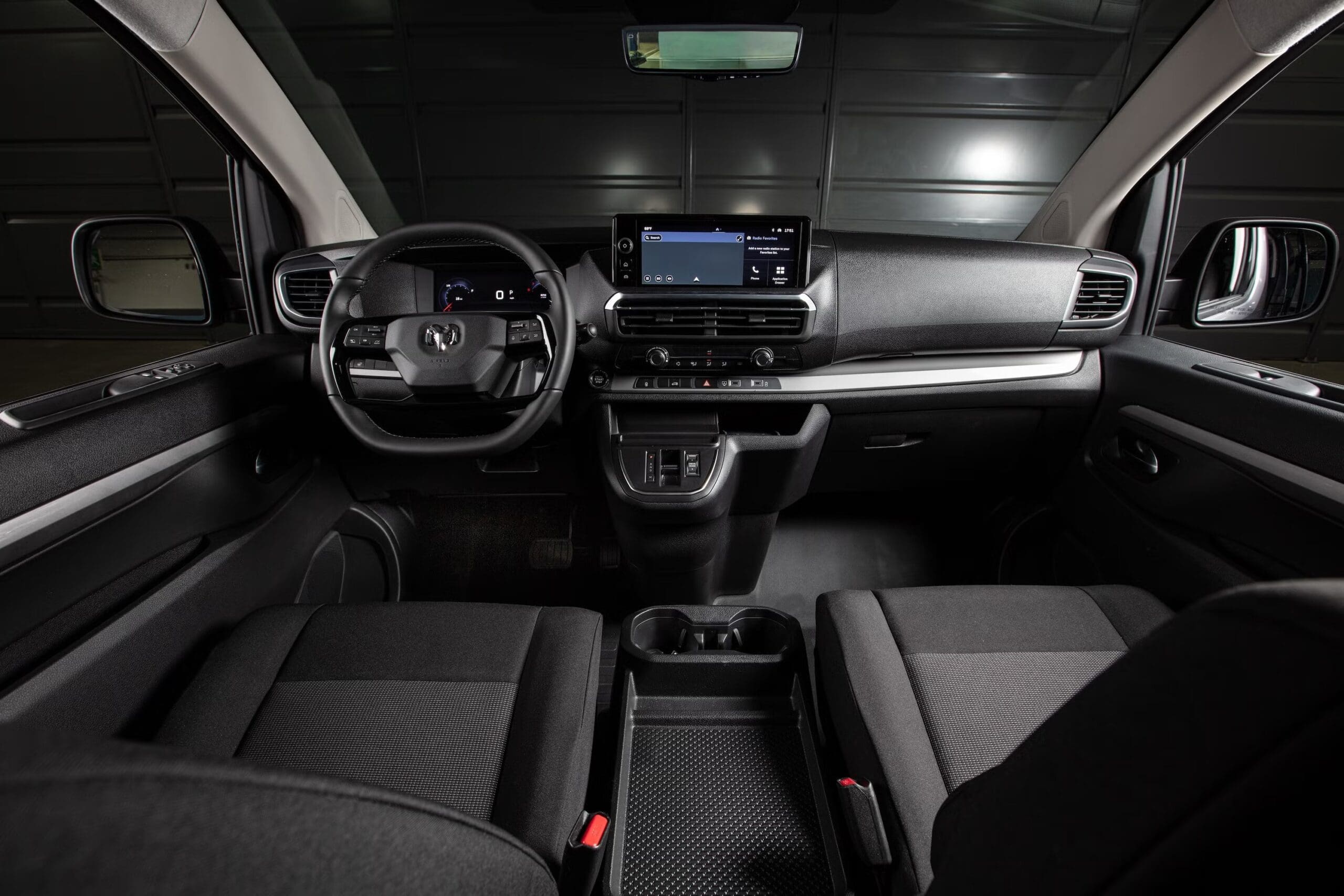
For overland-style travel, the ProMaster City’s strengths lie less in terrain-tackling prowess and more in logistical efficiency. Front-wheel drive, moderate payload capacity, and a relatively modest towing rating—historically around 2,000 pounds—suggest a platform best suited to gravel roads, secondary routes, and light-duty exploration. This positioning aligns with a broader trend in contemporary vanlife culture, where travelers increasingly favor smaller, more fuel-efficient vehicles capable of sustained long-distance touring without the financial and mechanical burdens associated with larger expedition vehicles.
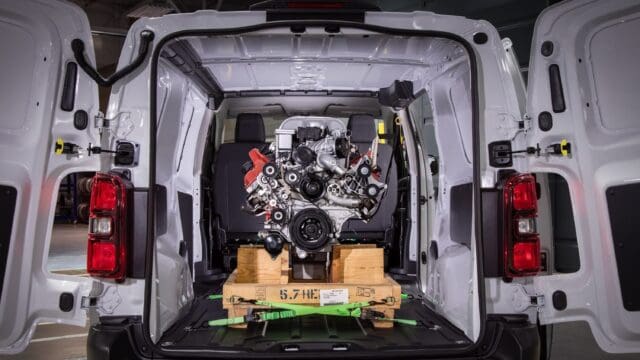
Powertrain details for the upcoming ProMaster City indicate a focus on practical torque delivery and operational economy. Early specifications reference a turbocharged four-cylinder engine producing approximately 166 horsepower and 221 pound-feet of torque, paired with an 8-speed automatic transmission. While these figures do not suggest high-performance aspirations, they reflect an emphasis on steady cruising ability and load-bearing usability—characteristics valued in vehicles designed to support work, travel, or a blend of both. A vehicle capable of generating income during the week and supporting exploration on weekends and holidays is an added advantage for those who rely on it.
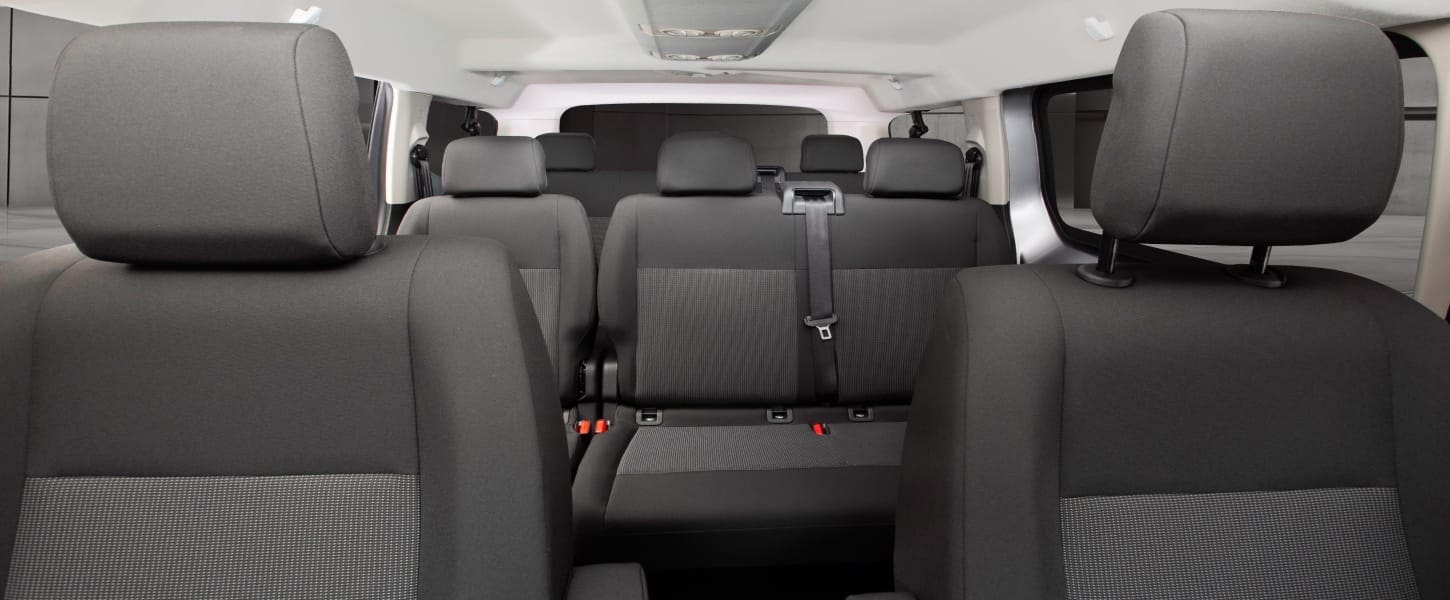
Another aspect relevant to vanlife conversions is the flexible seating and cargo configuration offered in passenger variants. Removable rear seating allows owners to transition between people-moving and gear-hauling roles, creating opportunities for adaptable interior layouts that can accommodate sleeping platforms, bikes, or modular storage systems. This versatility reinforces the ProMaster City’s identity as a practical foundation rather than a factory-equipped camper.
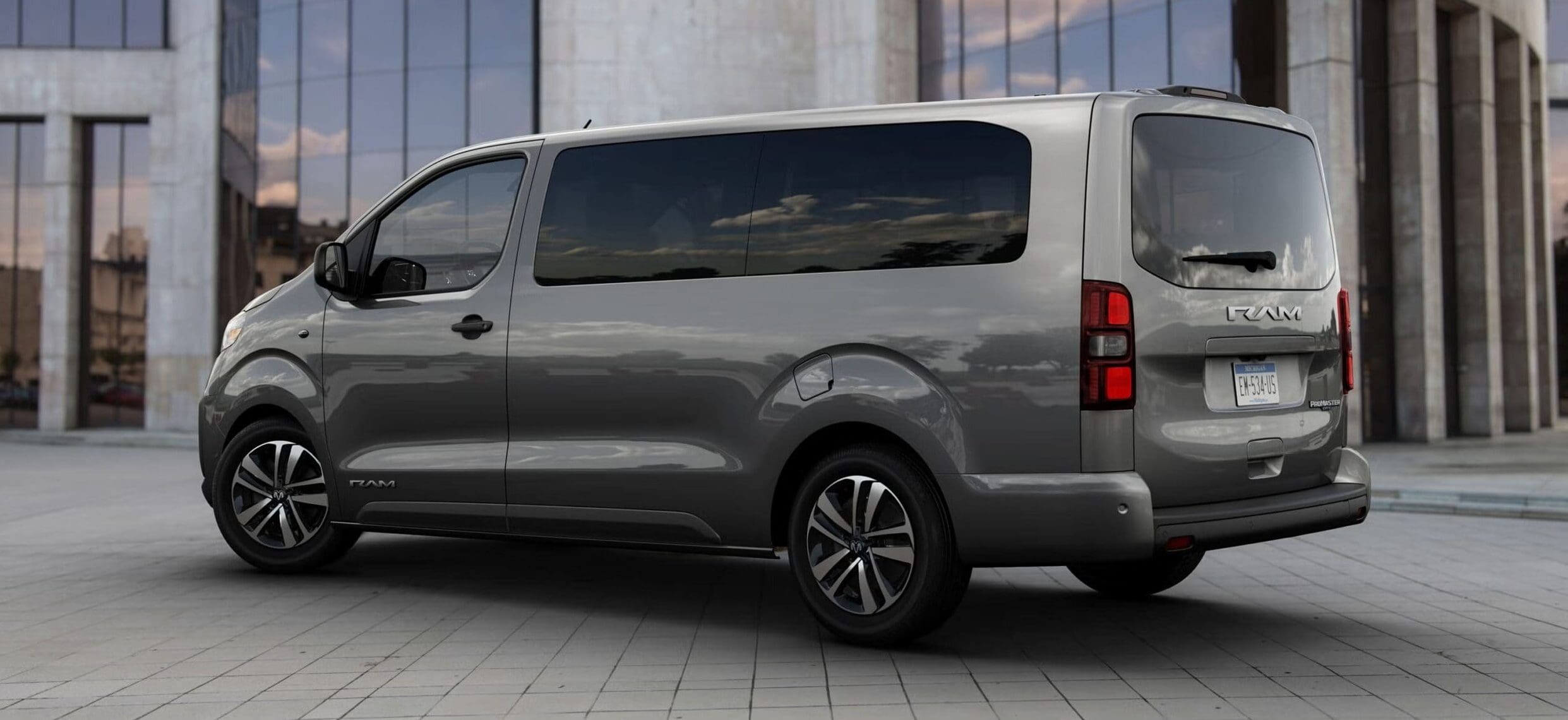
Ultimately, the Ram ProMaster City is unlikely to appeal to travelers seeking extreme expedition capability or remote technical trail access. Its appeal instead lies in accessibility, efficiency, and ease of ownership.
Read More: Buyers Guide :: Pop-top and Expandable Living
Our No Compromise Clause: We do not accept advertorial content or allow advertising to influence our coverage, and our contributors are guaranteed editorial independence. Overland International may earn a small commission from affiliate links included in this article. We appreciate your support.
