

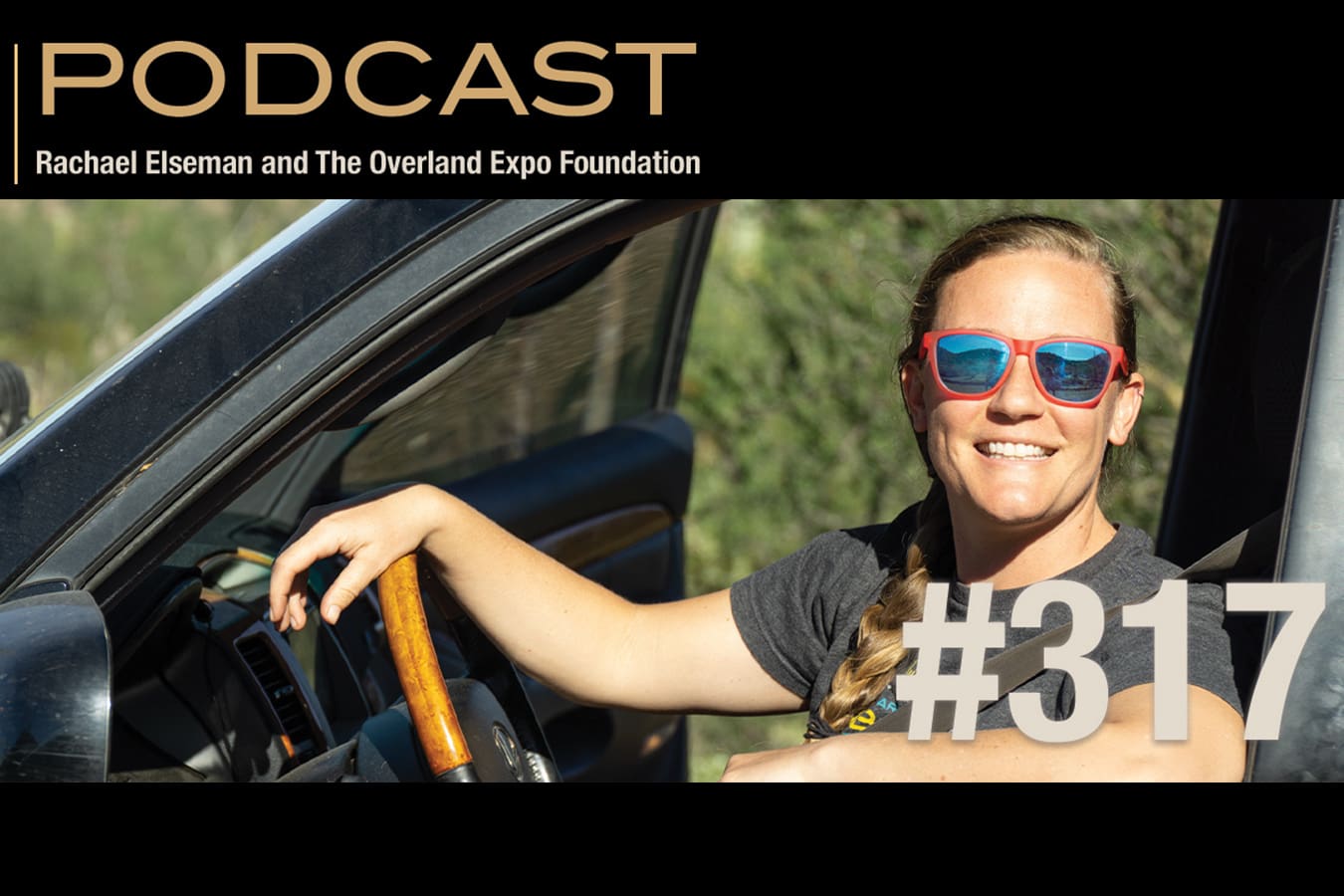
Overland Journal Podcast Host Scott Brady interviews Rachael Elseman, executive director of the Overland Expo Foundation and Overland Collective event coordinator. Rachael discusses living off-grid in a self-converted school bus in Baja, managing solar power and water. She also details bicycle touring from Vancouver to Tijuana after working in Alaska, sharing lessons on minimalism and adaptation. The conversation covers the Foundation’s origins and its work supporting stewardship and veteran-focused overland therapy groups through event funding. Listeners learn how to donate, volunteer, and practice responsible land use, discovering how overlanding transforms lives and communities.
Overland Journal Podcast Episode #317
New to Overland Journal and want to grab a subscription! Visit Overland Journal and enter code: overlandpodcast at checkout for 20% off. We thank you for being a subscriber.
Guest Bio:
Rachael Elseman is an overlander, traveler, and lifelong adventure seeker who would almost always rather take the dirt road. Her love of exploring started with childhood camping trips in an old Jeep and eventually led to backpacking, bike touring, and a two-year road trip in a converted school bus with her husband. What began as a six-month adventure around the western US turned into a journey through the lower 48 states, parts of Canada, and Baja. Rachael is passionate about exploring wild places, embracing the unexpected, and discovering the stories that happen between the destinations. For her, adventure isn’t about having the perfect gear or the perfect plan. It’s about getting out there and seeing what happens.
Overland Expo Foundation | Ultimate Build | FaceBook | Instagram | YouTube | LinkedIn
Host Bios:
Scott Brady is an adventurer, author, and publisher, and the first person in history to cross all seven continents. Brady is executive publisher of the Overland Collective, home to Overland Journal, the Overland Journal Podcast, and expeditionportal.com—the world’s largest vehicle-dependent adventure community. Scott wrote Overlanding 101 (Simon & Schuster) and is currently riding around the world on his BMW GS. He also led Expeditions 7, the first expedition to drive the same vehicle on all seven continents. Brady’s polar crossings include Antarctica and a south–north crossing of the Greenland ice sheet. Scott is a fellow of the Explorers Club and lives in Prescott, Arizona.
Tune in Apple Podcasts | Spotify | YouTube
Our No Compromise Clause: We do not accept advertorial content or allow advertising to influence our coverage, and our contributors are guaranteed editorial independence. Overland Collective may earn a small commission from affiliate links included in this article. We appreciate your support.
Transcripts
Scott Brady (00:01.493)
Hello and welcome to the Overland Journal Podcast. I’m your host, Scott Brady, and I’m joined today by a very cool member of the Overland community, Rachel Elzman. Now, Rachel is the executive director of the Overland Expo Foundation. She’s extremely well traveled by SUV, also by bicycle, long-distance bicycle travel. And she’s also the event coordinator for the Overland Collective. So if you get a chance to ever experience
something like the big thing, or you’ve attended one of the other events at the X Overland Ranch, Rachel is a big a big part of making those things a success. So thank you so much for being on the podcast with me today.
Rachael Elseman (00:45.496)
Yeah, I’m excited to be here.
Scott Brady (00:48.105)
Yeah, so I’ve got some some fun things to kinda kick it off. One of the ones that was really interesting to me was learning that you had spent months living remotely in Baja. So let’s let’s I mean, how cool is that? So let’s talk about what how did that how did that happen? Where did you live in Baja? how did you even make that come about in your life?
Rachael Elseman (01:02.624)
Yeah, it was awesome.
Rachael Elseman (01:10.862)
so it was 2019. my husband and I had been living on the road for almost all of twenty eighteen. We were not ready to be permanent in a home again. And so started looking at where we could go and things we could do. And we had some friends that had worked in La Paz for the winter, and they were like, Hey, you know you can do like house sitting things down there. It’s super fun. And so we joined a house sitting website and ended up
Finding this house in Baja. So we were actually in the northern part. We were kind of in between San Felipe and Escalon, or I’m drawing a complete blank, right in the middle, right by the national park, it’s in the north. I should have looked up the name. Yeah. We were on the backside of Mike Sky Ranch. So if you ever leave Mike Sky Ranch on the back side of it, you took a couple of those little back roads and that’s where the house was at. at the time it was yes, it was.
Scott Brady (01:52.905)
Okay.
Scott Brady (01:57.384)
I know exactly where that’s at, yeah.
Scott Brady (02:06.153)
Is that near near Melling Ranch? Yeah.
Rachael Elseman (02:10.306)
Yep. Yeah. it was Baja Dark Skies was the name of the ranch. And so we spent four months house sitting. we learned the difference between being off-grid and being remote. The driveway to get to the house was about a two-hour off-road trek in our little forerunner. so once you left pavemented, it was another hour and a half to the house.
Scott Brady (02:29.087)
Whoa.
Rachael Elseman (02:36.952)
Three hours to get groceries, everything was off grid, solar panels, it had a well system. It was but it was super fun because we got to explore and see a lot of Baja that we wouldn’t have otherwise. Yeah.
Scott Brady (02:50.111)
So when you were driving back in there, were you heading towards the east? so even further into the mountains there kind of there’s that spine of mountains that separates, you know, that part of Baja from the Silla Cortez. So you were probably like way up into those mountains.
Rachael Elseman (02:56.044)
Yes, we were. Yeah.
Rachael Elseman (03:12.31)
Sierra de San Pedro was the national park. And so we were just a yeah, we were just a couple miles from there. Yeah. Mm-hmm. Well it actually snowed on us. Didn’t know it could snow in Baja, but we actually got like four inches of snow in February. Yeah. Yeah.
Scott Brady (03:15.305)
Yeah. Yeah the San Pedro Martir, yeah.
Wow. That is so that is so cool.
Scott Brady (03:33.439)
Well, Pikachu del Diablo, which is in that range, is the tallest mountain in Baja and a lot of people don’t realize that that’s over ten thousand feet. So like that’s up in it’s up in the pine there’s pine trees in Baja, you’re way up in the Alpine region, you actually get above tree line in the rocks and stuff at the very top of the mountain.
Rachael Elseman (03:42.274)
Yeah, yeah, it is.
Rachael Elseman (03:47.576)
Mm.
Rachael Elseman (03:53.763)
We do. What was really fun from that national park, once you drive up there, they have a platform or viewing platform, and you can see the Sea of Cortez and the Pacific Ocean from that same spot, which is wild. Yeah. Yeah.
Scott Brady (04:06.279)
Incredible. Yeah, that’s a beautiful part of Baja. A long time ago,
made an effort to climb Picaccio del Diablo. That it’s one of the more challenging climbs actually in the Southwest. And people don’t it’s much more difficult. I’ve climbed Mount Whitney and that was much easier because Pikachu del Diablo, there’s no established trail. Or at least there was not like probably 15 years ago or so when I when I attempted it. But we got caught in so much snow so deep and we were post holing into the snow and we were having to
Rachael Elseman (04:32.27)
They’re still not, yeah.
Scott Brady (04:43.167)
run ropes across because of the exposure. So we and it just took too much time we had to give up. So we didn’t make it to the very top. Yeah.
Rachael Elseman (04:51.243)
no way, that’s wild. Yeah, and it’s crazy to think there’d be that much snow in Baja. Yeah.
Scott Brady (04:56.373)
There’s a there’s a ton of snow in that region. so was that the first time you had ever lived off grid like that?
Rachael Elseman (05:04.15)
It was, yes. Uh-huh. and we had to be really careful on conserving water because the pump came like all the water came from one of the streams on the property and the flow rate of the stream was not enough to really keep up. And so you had to be really cautious of how much water you were using each day, just so you didn’t drain the the reserve tanks. Yeah. Mm-hmm.
Scott Brady (05:24.171)
And then there was a solar system with batteries and that was that was something you guys were actively maintaining and keeping in working order.
Rachael Elseman (05:34.466)
Mm-hmm. It was. And the way the solar panels were set up is they had the water lines run through the solar panels. And so that was the only way you got hot water was letting it warm up underneath those solar panels. Yep.
Scott Brady (05:48.659)
And was it kind of like a cabin or what was how was the house set up? sweet. wow.
Rachael Elseman (05:52.286)
It was a a hacienda. It was three bedrooms. Like the owners had done a lot of really fantastic work. It was a beautiful house, kind of that stucco finish. but it was a true house. And then it had a little cabin off to the side that they would rent on Airbnb every once in a while. That was a little one bedroom studio. and they had probably a hundred acres as well that every once in a while you’d have someone come and camp on their land and they had an orchard and
Scott Brady (06:02.357)
Yeah.
Rachael Elseman (06:21.074)
originally had used it as an observatory. Yeah. Mm-hmm.
Scott Brady (06:24.769)
I do remember that there was an observatory up there, like off on the mountain to the side of Cacho del Diablo. How cool is that? That’s amazing. That’s amazing. So
Rachael Elseman (06:33.591)
Yeah, it was. Yes.
Scott Brady (06:38.815)
What how did that kind of inform the next steps for you? ‘Cause I would think that being in that moment of quiet, that space of quiet, you and your partner, it it probably was pretty defining of what was gonna come next in your life. What did you learn about yourself and each other and how did that how did that help inform the decisions that you made after like basically a six month retreat?
Rachael Elseman (07:04.349)
it was really interesting going like I mean, we’d spend a week or two out at the house and then, you know, driving to get groceries or to go explore more of Baja. You arrive in a town and you’re like, my gosh, there’s so many people and the stimulation and it it was a lot. we’re super close. So I feel like it just brought us closer together because you’re playing board games with each other in the evenings, you’re reading books together, you know, going on hikes and you just kind of learn
to be around each other a lot. because you’re just each other’s support system in that moment. Cause it’s just the two of you out there. yeah.
Scott Brady (07:40.959)
That’s that’s amazing though. I mean what a I mean, don’t a lot of people need to hear that, right? That spent
Rachael Elseman (07:49.175)
Yeah, I would say it strengthened our relationship a lot. Yeah.
Scott Brady (07:52.608)
Yeah, that our relationships I’ve heard it said that a re relationship equals time spent. So like if you spend quality time together and if you s first of all, if you like each other, you know, even if there’s problems, but if you start off like, Hey, I like this person and I’m gonna spend a lot of time with them, I don’t know how you couldn’t just get so much closer.
Rachael Elseman (08:16.301)
Absolutely.
Scott Brady (08:17.469)
Or you figure it out like, this isn’t working, but clearly you guys figured it out that it was like this is what we want and like you wonder how many people have ever been able to go spend six months with their partner with that much quality time together.
Rachael Elseman (08:21.933)
Doing.
Rachael Elseman (08:35.661)
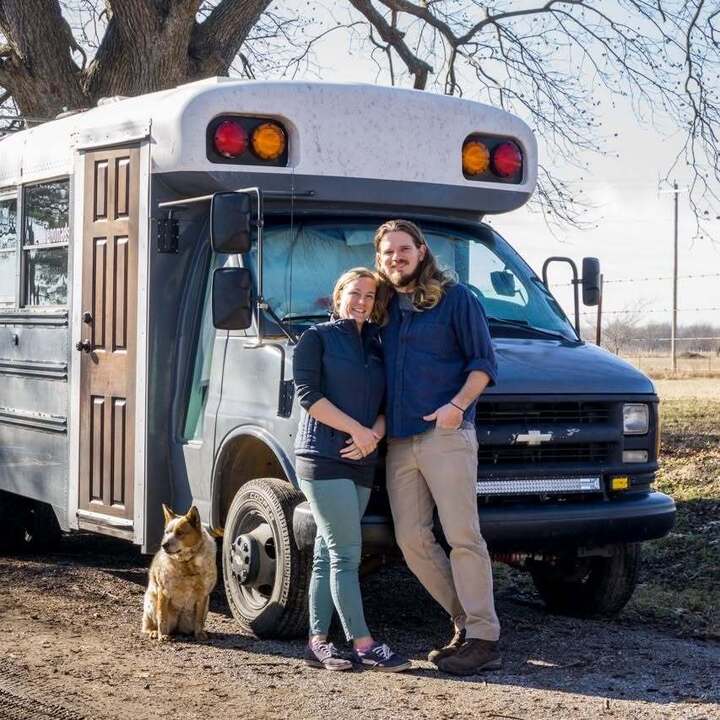
does, yeah. Well, and we we had lived inside of our little school bus. So we had a four window school bus and we lived in that all of twenty eighteen. So eighty five square feet together. so moving into the house, we actually got more room. We had our own room we could go to. So we we upgraded. Yeah.
Scott Brady (08:49.323)
That’s right. You could go sit on the porch and read a book or whatever. Well let’s let’s move on to the school bus ’cause I thought that was I thought that was really cool. cause you you had grown up in Oklahoma, is that right? And is that when you bought the school bus? Was when you were still in Oklahoma?
Rachael Elseman (08:56.435)
Exactly. Yeah. Mm-hmm.
Rachael Elseman (09:07.341)
Correct, yes. Mm-hmm.
Rachael Elseman (09:12.019)
So yes, and I have lived in Oklahoma on and off. So went to college in Oklahoma, then lived in Colorado for a couple of years, Alaska for a summer, and then had moved back home to Oklahoma. which is when I met my my husband Zach and I convinced him that we could live on the road and we’d known each other for like two months before we bought this school bus together. still had all it was meant to be, yep. Uh-huh. So we bought the school bus from
Scott Brady (09:35.051)
It was meant to be. It was meant to be.
Rachael Elseman (09:41.313)
A school in Muscogee, Oklahoma, still had all the seats in it, and we spent about a year stripping it and then rebuilding the inside so we could live in it. Yeah. Mm-hmm.
Scott Brady (09:50.986)
What and what a neat thing to do the now you guys did that together. You guys and what was what was the part of the vehicle build process that you enjoyed the most, like for yourself personally?
Rachael Elseman (09:54.465)
We did that together, yes.
Rachael Elseman (10:03.629)
it was making the space our own. So we spent a lot of time kind of researching other vans and other builds, but then kind of taking some of those ideas and making it functional for us was probably the most enjoyable part is like watching it come to life. Is like you we literally hung a whiteboard in our kitchen and would sketch different ways we wanted to lay out and different things we wanted, and then to watch those sketches actually turn into a home was really cool. Yeah.
Scott Brady (10:32.809)
And how how long is was it, you know, aft of the driver’s seat to the back? How many feet? Okay. That’s so that’s pretty good size.
Rachael Elseman (10:39.821)
twenty feet. So it yeah, it it was it’s the size of like a typical van. It fit into a normal parking spot but had plenty of room. Yeah.
Scott Brady (10:49.191)
Okay. And did you guys do a four drive conversion on it or you kinda kept it? Yeah, that probably made things a little sporty at times.
Rachael Elseman (10:54.977)
We kept it two wheel drive. Uh-huh. It did. So we lived in it from 2018, all 2018. We had that little break in Baja and then the rest of 19 into 20. And in the two and a half years we lived in it, we only got stuck one time and it was kind of our own fault. Yeah. And we took it places it should probably have never have gone, but it did just fine.
Scott Brady (11:15.557)
That’s pretty good. That’s pretty good.
Scott Brady (11:22.289)
How cool is that? And that’s a reminder to people too is I mean, you can go and s of course you can go and spend a half a million dollars. Or you could what did that ban what did that school bus cost new? Fifteen, twenty grand, something like that?
Rachael Elseman (11:38.835)
no, I but we bought the bus for like two thousand and by the time we’d actually built things in it, less than ten. Yeah. But this was again two thousand eighteen. So I know costs have changed a little bit. But yeah, we were in that whole setup less than ten thousand dollars. Yeah.
Scott Brady (11:43.28)
my gosh.
Scott Brady (11:53.098)
That’s a th and and you went and and you went and you got to go see the country, you got to go explore and live on the road and be together and and did you feel did you feel like during that period of time that you had a lot of agency over your schedule? Like that you guys were able to kind of do what you wanted to do when you wanted to do it?
Rachael Elseman (11:57.165)
Mm-hmm. We did.
Rachael Elseman (12:12.992)
Absolutely. I actually missed that a little bit. It was it’s so freeing to really be able to just pick what you do each day. Like we we had routes and places we wanted to go, like high-level things we wanted to see, but it was so fun. Like Montana was one of our favorite states. We’d really only planned on staying there a week because we wanted to see like the national parks and go to Missoula and do a couple of those things. We ended up staying like three weeks because we could.
And just there was so much to explore there that we were not ready to leave and so we stayed a lot longer. Yeah. It was fun to be able to have that flexibility. Yeah.
Scott Brady (12:41.962)
Yeah.
Scott Brady (12:51.083)
Yeah, I I think that that’s one of the my favorite definitions of being wealthy is being able to do what you wanna do when you wanna do it. So you can be wealthy with a lot less money if you buy a two thousand dollar bus and do all the work yourself and then live it on live in it on the road, you can you know, be very wealthy for a lot less money than the way other people choose to live, so
Rachael Elseman (12:57.548)
Mm-hmm.
Yeah.
Rachael Elseman (13:18.484)
It’s funny we use that now. Whenever we’re thinking of making like a big purchase, you look at it and go, Yeah, but that amount of money we could spend two months on the road. And so that’s that we balance almost all of our decision making based on that of like, well, how long could we travel with this? Yep. Mm-hmm. Mm-hmm.
Scott Brady (13:34.412)
‘Cause you’ve lived it. So you I think so much of this stuff that we talk about on the podcast or whatever, it’s it can feel theoretical until you actually live it, where you realize like actually you can buy a two thousand dollar bus and you can modify it yourself and you can live on the road for
Rachael Elseman (13:44.14)
Mm-hmm. Yeah.
Scott Brady (13:58.344)
a lot less than what people spend you know, trying to maintain a household in a major city. So yeah, that’s incredible. And was it before that that you had done a lot of the longer distance bicycle travel? So let I mean like what a great I mean, in my mind
Rachael Elseman (14:06.028)
Absolutely. Yeah.
Rachael Elseman (14:15.468)
It was. Mm-hmm. It was, yep.
Scott Brady (14:23.037)
one of the purest forms of travel possible is on a bicycle. I maybe maybe walking would be slightly more so, but I don’t think you get anywhere. Like it’s it’s it’s like if you look at some of the really long distance walking travelers, like it takes them ten years to cross the continent kind of a thing. Whereas when you’re bicycling, you’re moving at ten times the pace, but you’re still going super slow.
Rachael Elseman (14:26.932)
I’d agree.
Scott Brady (14:51.849)
And you’re totally reliant on the environment that you’re in and the people that you meet along the way. So you were in Alaska. t tell tell the listener about your experience working in the bicycle touring industry and then doing your own long distance bicycle touring.
Rachael Elseman (15:11.894)
Yeah, so it was the summer of 2013. I was living in Skagway, Alaska. And essentially what would happen? it’s amazing. holy cow. absolutely beautiful. We the cruise ships would come into town. We would get the passengers off of the cruise ships. We would drive them up the to the top of the White Pass, put them on a bicycle, and then they would essentially coast back down into town. so if you ever get the chance to go to Skagway, it was so much fun.
Scott Brady (15:17.973)
Beautiful.
Scott Brady (15:37.099)
Cool.
Rachael Elseman (15:41.453)
and then we’d put them back on the cruise ships and the cruise ships would leave, and then you’d have all of this like summer employees that we would just hang out and spend the evenings exploring. I mean, we’d hike trails, go kayaking, drive up to Car Cross or Whitehorse up in the Yukon and just continue the exploration. lots and lots of mountain biking in that area. And so we really got to see a bunch of kind of the backcountry on bicycle that way as well.
Scott Brady (15:57.184)
Yeah, yeah, yeah.
Rachael Elseman (16:08.938)
When the summer was over, we got a bonus, and the bonus was enough for a steel framed surly with a couple of pan ears on the back of it. And so I it’s so fun. I love that bike so much. I do absolutely. I will probably never let go of that bike. It is faded and has seen all kinds of things, but it is gotten me through a lot. when then looking at like what I could do with the bike.
Scott Brady (16:17.631)
That’s a rad bike.
Do you still have it? that’s so cool. That is so cool.
Rachael Elseman (16:38.314)
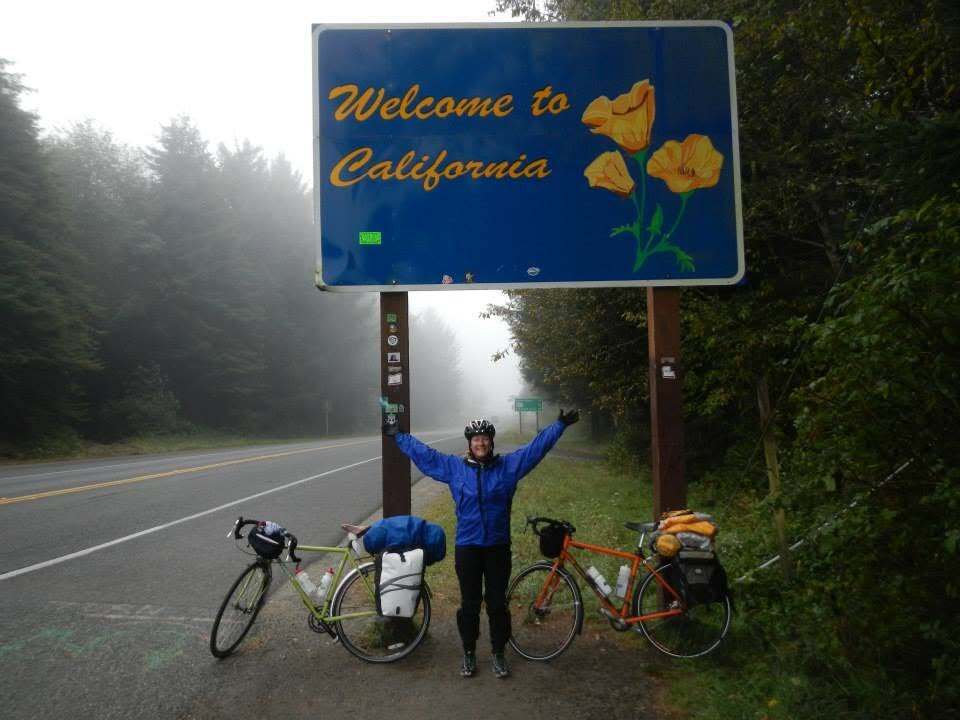
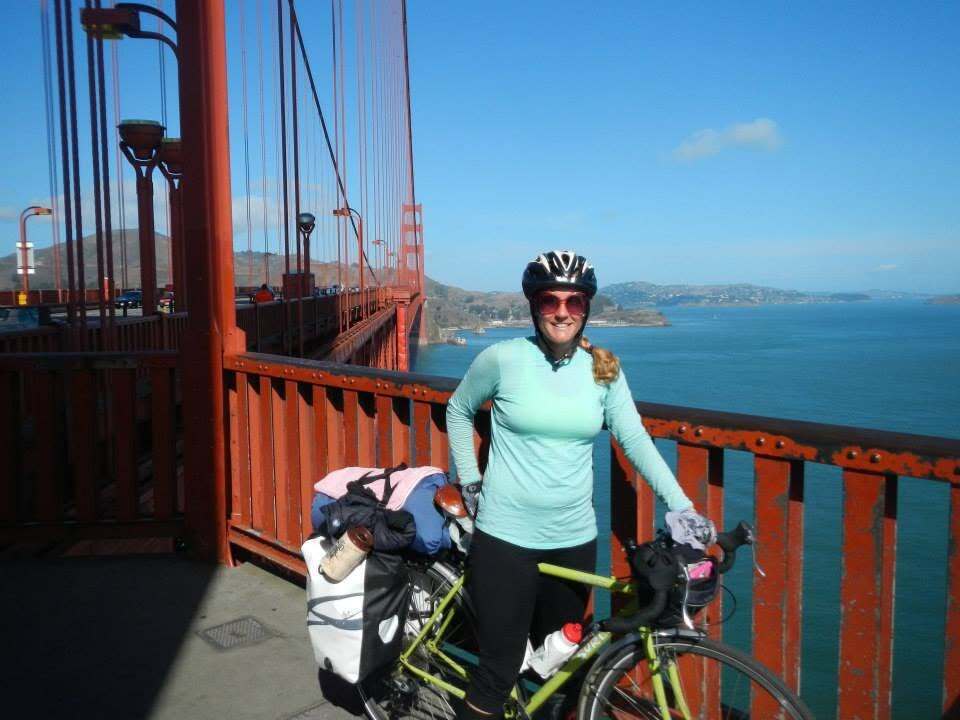
The Pacific Coast Highway was a really easy option. what was kind of funny is it was cheaper to fly in between Whitehorse and Vancouver than it was Juneau and Seattle. So me and a buddy actually rode our bikes up to Whitehorse, packed the bike up, flew it to Vancouver, and then I rode my bike from Vancouver all the way down to Tijuana. Yeah.
Scott Brady (16:49.576)
Okay.
Scott Brady (17:00.443)
well, and for some perspective, Skagway to Whitehorse is not a short haul. Like how many miles is that? That’s a thousand miles probably. It’s not that far? Okay. And a hu like if I remember like a huge mountain pass between the two. Like a huge mountain pass. That’s that’s legit. That’s legit.
Rachael Elseman (17:07.54)
No, it’s not. It was several No, it wasn’t quite that far. It was several hundred, but yeah, it it was still a trek. Yeah.
It is. Yeah. Yeah, definitely. Yeah. Yeah. Yeah. I had no idea what I was doing at the time. Literally like tossed stuff in a pannier and was like, all right, let’s go. But I mean you learn along the way and the first week was just rearranging what I had packed, like over and over again, because I packed way too much. I feel like that classic mistake of like
Scott Brady (17:42.411)
Mm.
Rachael Elseman (17:45.044)
You really only need two pairs of clothes. You need a pair of clothes on the bike and a pair of clothes at camp. and I shipped the rest of my stuff home so you had a lighter bike. But yeah, it was it was still one of to this day one of my favorite things I’ve ever done was that bike trip.
Scott Brady (18:01.375)
The one two White Horse.
Rachael Elseman (18:03.731)
no, the one from Vancouver to Tijuana. I mean, Whitehorse was super fun. That was cool. but no, the Pacific Coast Highway is amazing. Yeah.
Scott Brady (18:07.445)
Yeah.
Scott Brady (18:11.241)
So you started in Vancouver and then took the ferry over to the mainland and then started working your way down basically Highway One.
Rachael Elseman (18:19.819)
Correct. Yeah. We actually went over to Vancouver Island and rode a little there and then jumped over to Washington. Yep.
Scott Brady (18:28.327)
And what what were some of the things that you learned on that process? Because you can only take so much ’cause you’re also moving all that weight yourself with your own legs and lungs and heart. so how did that help inform your travels from then on? I mean that’s very minimalist.
Rachael Elseman (18:39.221)
Absolutely.
Rachael Elseman (18:49.547)
Yeah, I would say I continue to have that minimalist mindset in all of the travels. You really don’t need a lot of things to enjoy travel. clothes and food and water really are kind of the essentials there. what did I learn from that? I feel like you really appreciate what your own body can do as you’re traveling. Like you could.
you can do more than you really think you can. And it’s just kind of giving it a shot and trying it. because that initial thought of the trip was like, my gosh, this is two thousand miles. I’m peddling my own self. This is gonna take anywhere from six to eight weeks. Like this is an undertaking. And about halfway through you get into this rhythm and routine of like, you wake up, eat breakfast, pack your stuff. Back I mean it’s 2013, we’re following a paper map and a guidebook.
Scott Brady (19:42.345)
Yeah.
Rachael Elseman (19:42.694)
and you’re kinda looking at the stops each morning of like, okay, what do we want to do? You get on and you pedal and you I don’t it’s a really beautiful way to travel because you get to see so much at such a slower speed as well. And then you stop where you want, eat where you want, roll into camp and kind of do it all over again. And that rhythm just really is kind of a fun thing to get into. Yeah.
Scott Brady (20:04.383)
Yeah, and how long you said it was about about two months? I mean, if if you look at this, I mean I’m just observing this theme here. I mean, Surle is a really nice bicycle, but even fully built out with your panniers and all your stuff, you’re what, three, four grand maybe?
Rachael Elseman (20:07.979)
Mm-hmm. Yeah.
Rachael Elseman (20:22.453)
Yeah, that’s probably fair. Yeah.
Scott Brady (20:24.841)
I mean, again, it’s like that is like peop people spend that on a computer. You know, and you and maybe your ex maybe your expenses for two months are f three grand if you’re
Rachael Elseman (20:30.237)
Yeah.
Rachael Elseman (20:38.943)
Yeah, it really was minimal. we did so I did the first part of it with my dad, which was also really special. So I met him in Washington and we rode to San Francisco together. And that’s some time that we really got to spend together and like we’ll treasure that forever. we’re super close and so that was a fun chance for us to really spend some time with each other. But he enjoyed staying in the state parks and so we probably did spend a little bit more on lodging just because it was fun to
Scott Brady (20:44.895)
That’s incredible.
Scott Brady (20:55.754)
Yeah.
Scott Brady (21:00.724)
Yeah.
Rachael Elseman (21:07.189)
have like the little yurts or the cabins in the state parks. But had I known about iOverlander back then, could have been a whole different game changer on free campsites. Yeah.
Scott Brady (21:09.387)
Right, right.
Scott Brady (21:13.629)
Yeah. Sure. And you brought your own little tent and everything. That’s a that’s incredible. That’s just incredible.
Rachael Elseman (21:20.939)
Mm-hmm. Yeah, we did. Yeah. Yeah. So the setup was really it was two panniers on the bike rack, the tent and the sleeping pad, and then a handlebar bag that was just stuffed full of snacks. Yeah. That was it.
Scott Brady (21:36.363)
Yeah, I’m thinking I’m thinking about that ’cause it like I noticed that when I travel on a motorcycle my calories just naturally increase, like I eat more food. But you’re you are the motor. Like how mu how are you getting in enough calories? Or did sometimes you not get in enough?
Rachael Elseman (21:52.62)
I think sometimes you didn’t necessarily get enough for the day, but a lot of times it was pulling into convenience stores and grabbing a Snickers and a chocolate milk because you’re like, I am so hungry, I have to have something. But that was No.
Scott Brady (22:03.659)
Well and it’s not like you gotta worry about your blood sugar spiking or whatever because you’re gonna get right back on the bike and start pedaling again, so your body just needs the energy. Wow, that’s incr and did you find that like that you started to get really fit where you like you were building like a performance engine by the time you got to Mexico?
Rachael Elseman (22:09.993)
Absolutely. Yes. yeah.
Rachael Elseman (22:19.543)
yeah.
Rachael Elseman (22:24.803)
absolutely. the first couple of weeks, we were doing 50 to 70 miles, which felt like a lot. Like those were long days. And if I were to do it again, I would make the days shorter so you could spend more time exploring. But by the time we got to Southern California, 70 miles, you were like, no big deal. Like we’re just cruising it 70 miles today. Like, awesome, let’s do it. yeah, but to watch the change over a couple of weeks of like going from 70 feeling like a long day to 70 being like,
Drop in the bucket. Yep. Mm-hmm.
Scott Brady (22:57.149)
It is incredible how how the body can respond. And you know, you’re like how old was your dad when you guys did the trip together?
Rachael Elseman (23:01.332)
It is.
Rachael Elseman (23:05.235)
That’s a great question. He would have been mid fifties, late fifties, yeah. Mm-hmm.
Scott Brady (23:07.871)
Yeah, so like even then he probably had a similar like his body was building a stronger motor. It’s never too late. It’s never too late to go out.
Rachael Elseman (23:13.641)
Yeah. Yeah. It was. It’s absolutely not. Nope. Mm-hmm. What was really so I’m gonna jump in on there. What was really fun is in 2013 we were doing this in October, which was during some of the government shutdowns back then. And so a couple of the national parks were closed. But insider tip, if you’re on a bicycle, you can just kind of squiggle around the gates. And we got to explore some of the parks like
with nobody else in them, which was really special too. Like like no other tourists with us. We’re kind of cruising around on our bikes, just seeing things that with nobody else around. but he worked for the wor worked for the government so got a couple extra weeks on the bike because of that as well. Yeah.
Scott Brady (23:44.956)
Insane.
Scott Brady (23:52.617)
That’s incredible.
Scott Brady (23:58.956)
like what a that’s what a great timing like government shutdown. Hey, let’s hop on the let’s hop on the bike and go. those are those are such interesting stories and I I love hearing your perspective and the fact that you’ve you’ve you’ve prioritized these experiences and travel over the means of travel. Like you just found a way to make it work.
Rachael Elseman (24:02.973)
It was. Mm-hmm. Yeah. Yeah, part of why you got to come.
Scott Brady (24:24.413)
And you’ve demonstrated that time and time again, to be able to explore the length of, you know, the coast of the United States and even into Baja and then
you know, be able to travel for sounds like years in a bus for a very reasonable amount of money. That’s that’s just all that’s just all awesome. What what would you ’cause I really want to make sure we spend some time talking about the Overland Expo Foundation, but before we make that shift,
Rachael Elseman (24:52.275)
Let’s
Scott Brady (24:55.871)
Given everything that you’ve learned and the fact that you’ve always prioritized doing and going over how you did it, what would be some advice that you would give to other folks that are trying to do the same thing, or even to yourself, your younger self? Like what would be some of the top priorities you would give them or things that you learned along the way?
Rachael Elseman (25:17.961)
date and then stick with that date and just do it. Like if you’ve got a trip that you’re thinking about or planning, give yourself a deadline and make it happen. I mean that’s don’t why don’t worry about what money is in the bank. It’ll work itself out and don’t overthink it. Just go. for sure. That would be what I would that’s what I I think I learned is don’t make excuses because there’s always going to be an excuse of why you can’t but like make an excuse of why you can.
Yeah. Mm-hmm.
Scott Brady (25:49.673)
And at some point you just go and figure it out.
Rachael Elseman (25:52.415)
That’s exactly it’s exactly it. Yes. Mm-hmm. You’ll learn a lot along the way. You don’t have to know everything ahead of time. You’re gonna learn so much while you’re out there exploring and doing. Like enjoy that experimenting and figuring out what you like and what you don’t like. Yeah.
Scott Brady (26:08.031)
Yeah, embrace being a rookie. You know, I think I think people I don’t think people give the fact of being a rookie enough credit. Like I that’s why I picked up motorcycling is because I didn’t know how to do it. And I wanted to learn how to do it and I fell and
Rachael Elseman (26:10.676)
Yes. Mm-hmm.
Scott Brady (26:26.505)
made mistakes and bought the wrong bike and all this other stuff. So I I’m trying to like that’s why I picked up sailing is I d I didn’t know. So and I wanted to learn. So I feel like failing for me has been such an important fuel and mechanism towards progress in my life. So
Rachael Elseman (26:35.38)
Yeah.
Rachael Elseman (26:49.242)
agree with that. I mean you’re going to make mistakes. There’s absolutely no way around that. But don’t look at them as mistakes. Look at them as learning opportunities. and enjoy a little bit of the discomfort because it’s going to come along.
Scott Brady (27:03.497)
Yeah.
Alright, so let’s talk it’s probably two thousand eighteen and you decide to go check out this crazy little event in Arizona called the Overland Expo. was that the first time you had been to an event like that? And tell me what happened.
Rachael Elseman (27:22.666)
Absolutely. So we had been living in the bus just for a little bit of time. And my husband Zach was like, Hey, we’re in Arizona. I have been watching this event on YouTube for the last couple of years. Like, I would love to go. They have volunteers. Do you want to volunteer? It’ll be a free ticket and we’ll just spend the weekends kind of checking out what’s going on. I was like, Yeah, sure, of course. We got nothing else to do. Like, let’s volunteer. Sounds great.
I always feel silly saying this, but Scott, I would say it was a life-changing weekend for me, honestly. we showed up at this event and were immediately accepted into this community of travelers. And it absolutely felt like we had found a home and a place to belong. the people that we met all weekend were just encouraging and supporting and just loved. We’re still friends with a ton of people that we met. Like,
I could call them up tomorrow and be like, Hey, we’re coming through your town. Let’s have lunch or, you know, let’s plan a trip together and they’d be all for it. And so I would say the people that I met that weekend were just it it made the event for me. Yeah.
Scott Brady (28:31.593)
Are there a couple are there a couple people that you remember that come to mind that you’d like to give, you know, honor in this conversation, the people that really stepped up to help you?
Rachael Elseman (28:39.978)
Yeah, and give a couple. I mean Alison Delap, she has done, you know, a Pan American trip. We ended up working together. She’s a fantastic support for me still to this day. a credible human being. Be Old Later. They’re Candace and Jordan. They’ve done a lot of travels. They’re currently in Europe right now on a trans-Europe trip. No Anomaly. Their little tagline was
Scott Brady (28:52.895)
Incredible human being, yeah.
Rachael Elseman (29:09.842)
One less Tacoma, which I always thought was hilarious ’cause they drove a T one hundred.
Scott Brady (29:14.251)
And now now all the now all the bumper stickers say w one less sprinter. So it just changes. It just changes.
Rachael Elseman (29:17.033)
Yeah.
Rachael Elseman (29:20.496)
Exactly. Yep. I think it was travel more, shop less was also one of the things that they always chatted with too. And then dear friend Linda, she is the nourishing nomad, or was the nourishing nomad and just really focuses on how food can be healing. and have worked with her a lot on I have a gluten allergy and so we’ve we talk food all the time. so she’s another really fun one. So just a really cool group of people, yeah.
Scott Brady (29:44.491)
Amazing.
Well, thanks for mentioning all those folks because I believe that that’s what make that’s what has always made the Overland Expo so special is the trav the genuine travelers that are there and that are open with their experiences, that do the training and share their learnings with others, inspire people to have their own version of adventure. I think it’s the superpower of the Overland Expo, so
Rachael Elseman (30:12.67)
I would agree. Yeah. And that’s I would say it’s what keeps us coming back year after year is just those new connections that you make every time or hanging out with old friends and meeting new ones. It’s really the heart of it. Yeah.
Scott Brady (30:25.321)
And then at some point, I know I know you started volunteering fairly early on. At some point it went from volunteering to working with the Overland Expo a little bit more. So talk through that and then talk through that transition to what started the Overland Expo Foundation.
Rachael Elseman (30:43.302)
So I’ll backtrack to that first question. So we volunteered in 2018 at West. And then right before the East event that year, we had reached out and were like, hey, we’d love to volunteer. Again, we had so much fun. Like we’ll make it out to North Carolina if you guys need some more help. And Azure actually reached out and was like, hey, we’re looking for a customer support person. Would you guys want to do some part-time work for us? And was like, yes, absolutely. and that’s
Scott Brady (30:57.515)
Yeah, that
Rachael Elseman (31:10.568)
I ended up managing customer service. Zach helped with volunteers and then also marketing a lot of the social media and email marketing. And having that job was what let us stay on the road longer because we worked part-time and it was enough income to be able to continue traveling. and then I feel like the transition where all transitions happen is COVID. COVID. It was, and so both myself.
Scott Brady (31:24.907)
Amazing.
Scott Brady (31:30.933)
Yeah, sure. That was a challenging time, yeah. For events.
Rachael Elseman (31:36.882)
Yeah, both myself and Zach were working for Overland Expo, and we kind of realized maybe one of us needs a more stable job with the event industry being what it is. so we actually moved back to Oklahoma, back to our house there, and I started working for the university again. the transition from part-time remote work back into a nine to five, 40-hour a week office job was a big transition.
Scott Brady (32:02.644)
Yeah.
Rachael Elseman (32:03.943)
When a position with the foundation opened up, I jumped on the opportunity to be back in the industry. Just really missed the community. and so two thousand twenty-three is when I started with the foundation. So origins, yeah.
Scott Brady (32:16.849)
And and if I remember yeah, if I remember wh when did the foundation start? I know it took a couple of different evolutions along the way, but when did when did it become like a five one C three?
Rachael Elseman (32:23.441)
It did. Yeah.
Rachael Elseman (32:29.321)
So it originally started with the Overland Expo events in 2020, so that’s its origin date. It became a 501c3 in 2022. and so I jumped in right after it became a 501c3. and in 2022 is really whenever it split from the events so that it could be a 501c3. And so while we share a name, we are a separate entity from the event series. We still have a fantastic partnership with them. We come and do all of our fundraising there.
But the foundation does operate separately. So it’s myself and then I’ll give a huge shout out to Matt Felderman. he’s the other employee for the foundation. Both of us are part time and we manage all the behind the scenes stuff for the foundation. Everything else is volunteer run. Yeah.
Scott Brady (33:14.675)
And then you guys have a a small board, like who who’s on your board?
Rachael Elseman (33:18.013)
We do. Yeah, so we have with Overland Expo, we have Jessica Kirchner and then Anthony Socola, who used to be with Overland Expo, is now doing some freelance stuff. Alison DeLap is on our board as well. Brian McVickers and then Beth McBrennan. Yeah. Mm-hmm. Yeah.
Scott Brady (33:32.299)
Amazing.
And those are those are all incredible folks. and it’s and it’s neat to see like someone like Matt who’s got you know so much experience with marketing and outreach that he can really help keep that momentum going. But
You know, I know personally I have been able to interact a little bit more with the foundation over the last year, and I have just I’ve been so impressed with what you guys are doing. But like one of the things that I I find really compelling is just how many organizations you’re supporting. So you’re not only doing work from within the foundation, but then you’re you’re providing grants and support to other organizations. Let’s talk about some of the key organizations.
Yeah.
Rachael Elseman (34:25.979)
So can I backtrack just a little bit? So what we do at the events is host the Saturday evening raffle and then we work closely with Overland Expo on the ultimate build. So that’s where primary source of our funding. We’re using that funding to provide grants to organizations and individuals that are out there protecting our public spaces, doing education, and then using overland travel as mental health therapy. so just to kind of bridge that gap a little bit. So the
Scott Brady (34:27.711)
Yeah, for sure.
Scott Brady (34:51.007)
Yeah, that’s great. Thank you.
Rachael Elseman (34:53.159)
A bunch of the groups that we are working with are like boots on the ground doing cleanups. Tread Lightly has been a partner since day one with us. And so we provide grants to them each year to go out and whether it be trail maintenance, putting up informational kiosks, hosting cleanups. We try to keep a lot of those events around Overland Expo. So people that are traveling to the Expos can also be a part of those protection efforts.
Some of my favorite groups that we work with are groups like Two Wool Foundation, Team Overland, Fox Bravo Overland, a new one for us is First Do Overland, and Motorcycle Relief Project. All of these groups are taking veterans on overland adventures. So whether it’s a weekend or a week long, Mind Overland, don’t want to forget them too, because they’re one out east. So they’re taking veterans out on a trip. They’ll do a stewardship project along the way.
But really in the evenings, they’re spending time around the campfires, they’re talking, they’re building community and letting the those veterans know that they’re not alone whenever they come back from active duty. So the fact that overlanding really gets to facilitate some of that healing. just some of the most amazing stories come from those groups. and that’s what we get to support.
Scott Brady (36:06.175)
Yeah. I’ve been really impressed with how much your organization is helping to support veterans. What was part of the impetus for that? What was that part of the original charter? like h how did that come about or or what are you finding as the director is how does that create that broader impact on on the community?
Rachael Elseman (36:20.403)
Rachael Elseman (36:34.045)
It was really a surprise to us. So Motorcycle Relief Project was the first group that we started working with. And kind of on a I don’t want to say on a whim, but like working with them originally, we didn’t understand the I don’t not that we didn’t understand the impact of what those trips were having and how much they were changing lives. And to see that travel was helping to facilitate that was kind of this eye-opening experience for all of us where we were like, wow, like overlanding can be do more than just
be a travel, it can be a means to to healing. And once we kind of made that connection, we just kind of started seeking out and looking for other veteran groups we could support because it was such a great combination of ways that we can give back to the community, ways the community can give back and then like bringing those together. Yeah. It was a natural fit.
Scott Brady (37:21.567)
Yeah, as a vet as a veteran as a veteran myself, it’s just it’s so important to recognize that it’s when these guys come back they have a huge shift in the way that their life is lived. they are
in tight knit groups, they’re in very intense experiences together. it’s all about helping the guy next to you or the gal next to you. and so they come back into you know day to day living, that nine to five job you talked about. And that can be a very difficult transition.
And it’s about acknowledging that their life has changed significantly and that part of our responsibility as the the citizens that have benefited from their sacrifice is that we can we can find ways to help them reintegrate, feel supported, and be able to share their experiences with other veterans to make sure that they’re living their happiest and healthiest life after their sacrifices that they’ve given.
some of which, you know, are a life a lifelong disability or or you know, PTSD, other things that can occur from active duty. so I just really applaud what you’re doing. I mean it’s making a huge difference for these soldiers, so
Rachael Elseman (38:44.952)
hope so. all the stories that we hear when they come back from the trips are just amazing. if you ever get a chance to chat with some of the the veterans that get done with the trip, they will say that they’re they’re life changing and they really feel like they’ve found a support system and a community that they can get along with and like a hobby they can toss their interests into, which is really cool. Yeah.
Scott Brady (39:04.799)
Yeah, and I I think there’s a nice overlap. I mean, you get to work on cars, you get to be remote, you get to do challenging things, you get to be outside, you get to work as a team. and I think that that that really you get to sit around a campfire. I think all those things really help veterans, to feel like they’re part of something. So
Rachael Elseman (39:08.08)
Mm-hmm. Exactly.
Rachael Elseman (39:13.574)
Yeah.
Rachael Elseman (39:25.244)
Well, it’s interesting that you mentioned the team. That comes up over and over again in the stories is when they’re in active duty, you are part of a really close team. And then having that team kind of almost taken away from you whenever you come home, whenever you’re back on a trip or an expedition, you’re part of that team and everybody has their place and their kind of purpose on the expedition. And they said that was huge was knowing that they could be part of a team again. Yep. It’s all about community, isn’t it?
Scott Brady (39:38.058)
Yeah.
Scott Brady (39:49.792)
And so much about
It is, and so exactly, so much of us feeling happy and healthy is doing things with the people that we love, you know, doing things we love with the people we love. But you know, we need to have a sense of purpose and like what you’re doing with the foundation is very purpose driven. when these soldiers get to go and go and endeavor on a trip or an expedition, that is a big purpose, it’s a big thing to drive them. But we also need play. We need to
Rachael Elseman (39:56.658)
Mm-hmm. Fellowship.
Scott Brady (40:21.513)
able to have fun and these guys get to go out and they get to have fun. They get to laugh at their each other when they get stuck or you know or make a mistake or you know, trip over a rock or whatever. Like that that’s all part play and laughter and having fun is a big part of being a healthy human being. And you guys are really doing a lot to facilitate that.
Rachael Elseman (40:22.3)
Yeah, absolutely.
Rachael Elseman (40:45.25)
it’s probably a cool segue into some of the one other activity that we do at the events. So we partnered with Tread Lightly and we set up a little remote control car course. And so the kids get to have some hands-on learning with that remote control car. We’ll send them through obstacles. But then we’re teaching them the tread pit principles as they’re going through that course. And so we’re teaching them like stay the trail, pack it in, pack it out, respect wildlife and animals, no where to camp.
know about campfires, like learn how to read those kiosk signs. But again, we’re using play and fun to teach them some skills that they can use whenever they’re out exploring with their parents. Yeah.
Scott Brady (41:23.369)
And the parents are having fun. They’re watching their kid, you know, work on the remote control car or whatever, and that’s really great. So let’s let’s talk now about how the listeners can help support the Overland Expo Foundation. How can they s how can they support this work that you’re doing? what are some ways they can get involved?
Rachael Elseman (41:25.266)
They’re having blast. Uh-huh.
Rachael Elseman (41:45.449)
Start with some easy ones. We are on all social media platforms: Instagram, Facebook, LinkedIn, YouTube. Give us a like, a follow, a share. The other way is we do accept donations. Those cash donations go straight towards our grant programs. And so that’s a really easy way to support the foundation as well. being a 501c3 nonprofit, it’s also tax deductible. so that’s another way. And then we also have a membership program. So it’s $50 for the year for an individual. You get
tossed into a Facebook group where there’s some community going on, a fun little patch and some recognition of supporting the foundation yearly. If you’re an industry member or a brand, it’s $500 for the year. We’ll bring you this really cool little table display that you can put up at the events. You’re also part of that Facebook group and get to reach kind of that dedicated audience as well. So those are
Scott Brady (42:38.303)
And it’s really easy. if you follow the Overland Expo Foundation, like on Instagram, for example, you guys do mention some fundraisers that you do throughout the year. I was able to just throw it up there in my own Instagram as like this is a not for profit that I’m supporting right now and that can help other people contribute and donate to make to make sure that we’re supporting
Rachael Elseman (42:59.527)
Exactly.
Scott Brady (43:08.169)
The preservation of these wild spaces, our stewardship of the land as travelers, and our support for other travelers, including our veterans. so what you guys are doing as an organization is really powerful.
Rachael Elseman (43:22.02)
Yes. one other way to support the foundation is we do always need volunteers at the events to help manage the booth and then to work with the kids. So if you’re coming to any of the expos and want to volunteer, we are also looking for volunteers for Mountain West and East still. Yeah.
Scott Brady (43:38.816)
Yeah, and the and if and if I recall, there’s at least a booth at most of the Overland Expos for people to be able to interact. of course supporting Tread Lightly is another great way to give back to stewardship in our community. I think it’s a really important important one. Leave no trace is another one that I really believe does a lot of great education and outreach.
Rachael Elseman (43:44.52)
Mm-hmm. There is.
Rachael Elseman (43:50.024)
Absolutely.
Rachael Elseman (43:56.572)
It is.
Scott Brady (44:03.283)
So that’s very helpful. if you were to s you know, if you had the opportunity, which you do right now, you have this captive audience of listeners, what’s what’s the number one need right now for the Overland Expo Foundation? What would be the thing that would reduce your stress, make you feel like, wow, we made a huge win? What would be the one ask that you would make of this audience?
Rachael Elseman (44:28.131)
I feel like that’s such a a big question. I mean, honestly, the monetary donations always come to mind, but really it’s being good stewards of the land on your own individually. When you are out exploring our public lands, please take care of them. Please stay on the trail. Please pack out your trash. be cognizant of fire dangers. But like if all of us can put that effort towards being good stewards of the land, it’s one of the easiest ways we can protect our public spaces.
And have a voice. Stand up and and say that you enjoy the public spaces. I know they’re being threatened right now of being sold off and let’s let’s chat with our congressmen and let know that we w don’t want that to happen. We want them to stay public and free for all of us. So those would be the the big ways to support.
Scott Brady (45:13.447)
I love that. you know, taking responsibility over ourselves and our group, making sure that we keep group sizes small. Let’s not expand campsites, let’s leave places better than we found them. you know, engage low range before you think you need to, engage your rear locker before you think you need to, lower your tire pressure to reduce impact and tire spin. All of those things really help to preserve access to trails and to make sure that future generations of
Rachael Elseman (45:21.348)
Yes.
Rachael Elseman (45:26.065)
Absolutely.
Scott Brady (45:43.381)
Overlanders allow can go and see the same things that we’ve all been able to see. So
Rachael Elseman (45:49.935)
That’s honestly get educated on your vehicle. Understand how your vehicle works, know how to use your recovery gear and understand what you’re doing with your ve like get training. That’s one of the easiest things you can do is get training in your own vehicle. Yeah. Mm-hmm.
Scott Brady (46:03.221)
Well, Rachel, thank you so much for being on the podcast. Y y it’s been a joy to work with you. It’s been a joy to to learn more about the Overland Expo Foundation. I had so much fun learning about all these crazy cool adventures that you’ve been on. I’m very jealous of the six months in remote Baja. I gotta find my own little version of that as I go along, but
Really appreciate it. Is there anything is there a way for people to follow your own travels or is that s is that something that you have out on social media? How do people follow you?
Rachael Elseman (46:35.707)
Yeah, so we are Okie Nomads on Instagram. We have a blog that sometimes we update when we feel like it, but we are on on Instagram for Oki Nomads. Yeah.
Scott Brady (46:46.517)
Well, thank you again for being on the c on the podcast. And we thank you all for listening. And we’ll talk to you next time.
Rachael Elseman (46:53.96)
Thanks.