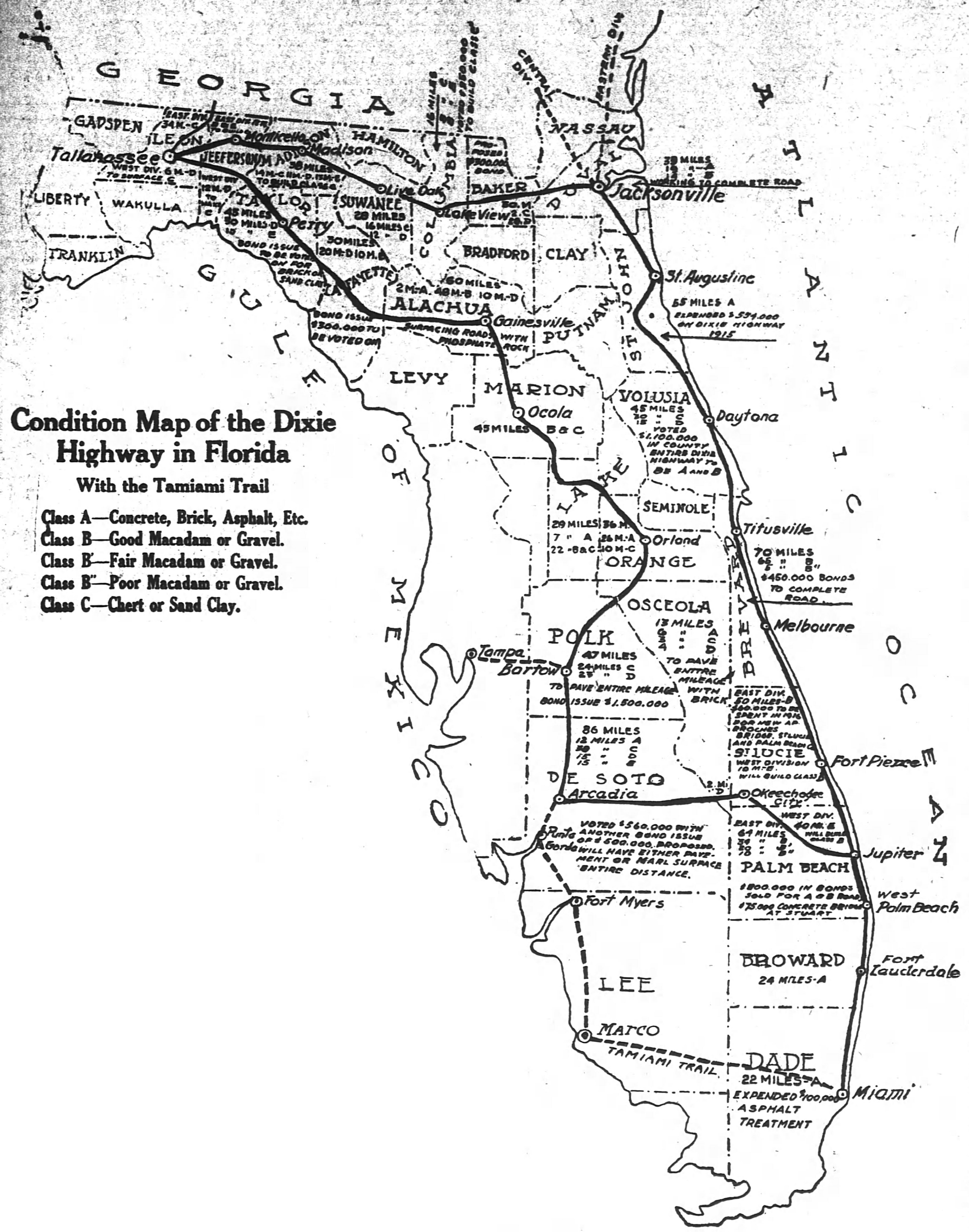

The Dixie Highway was an ambitious project started in the early 20th century, and it still stands as a testament to America’s burgeoning love affair with the automobile and the spirit of adventure. Officially launched in 1915, the highway was the brainchild of Carl G. Fisher, an entrepreneur who also played a significant role in the creation of the Lincoln Highway and the Indianapolis Motor Speedway. His goal was to create a network of roads that would connect the Midwest with the Southern United States, facilitating travel and fostering economic growth. Follow along as we overland the old Dixie Highway.
Presented by Hankook Dynapro Tire
The highway originally consisted of two main branches, the Eastern and Western, which together spanned more than 5,000 miles through ten states—from Michigan to Florida. The goal was not only to promote tourism but also to improve the infrastructure of the South, which at the time was predominantly rural with limited road systems.

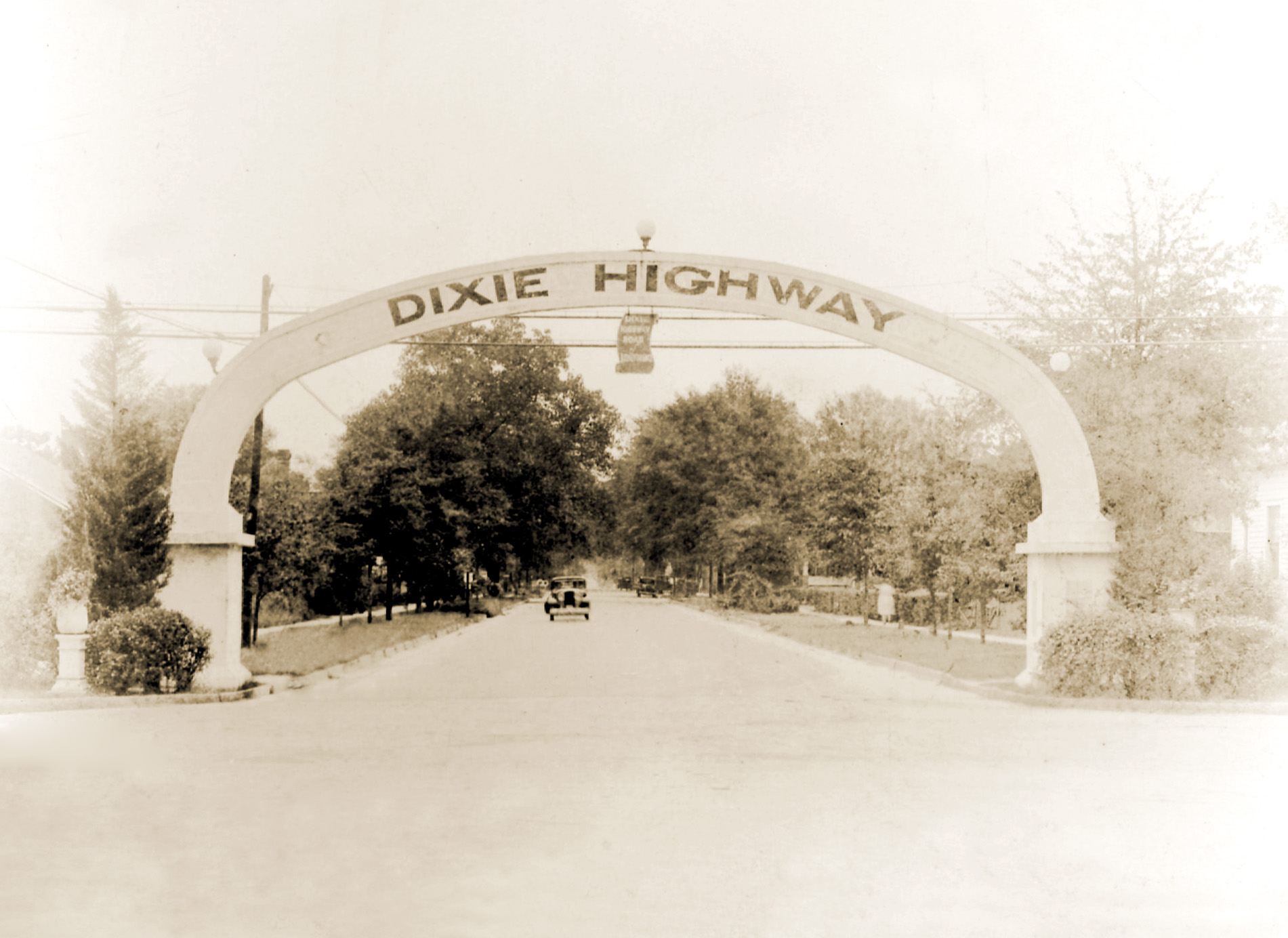
One of the most significant aspects of the Dixie Highway was its construction. The roads were built with brick, concrete, and gravel, materials chosen for their durability in handling the increasing automobile traffic. This choice of materials was particularly evident in the segment near Daytona Beach, Florida, where a section of the original brick road still remains today.
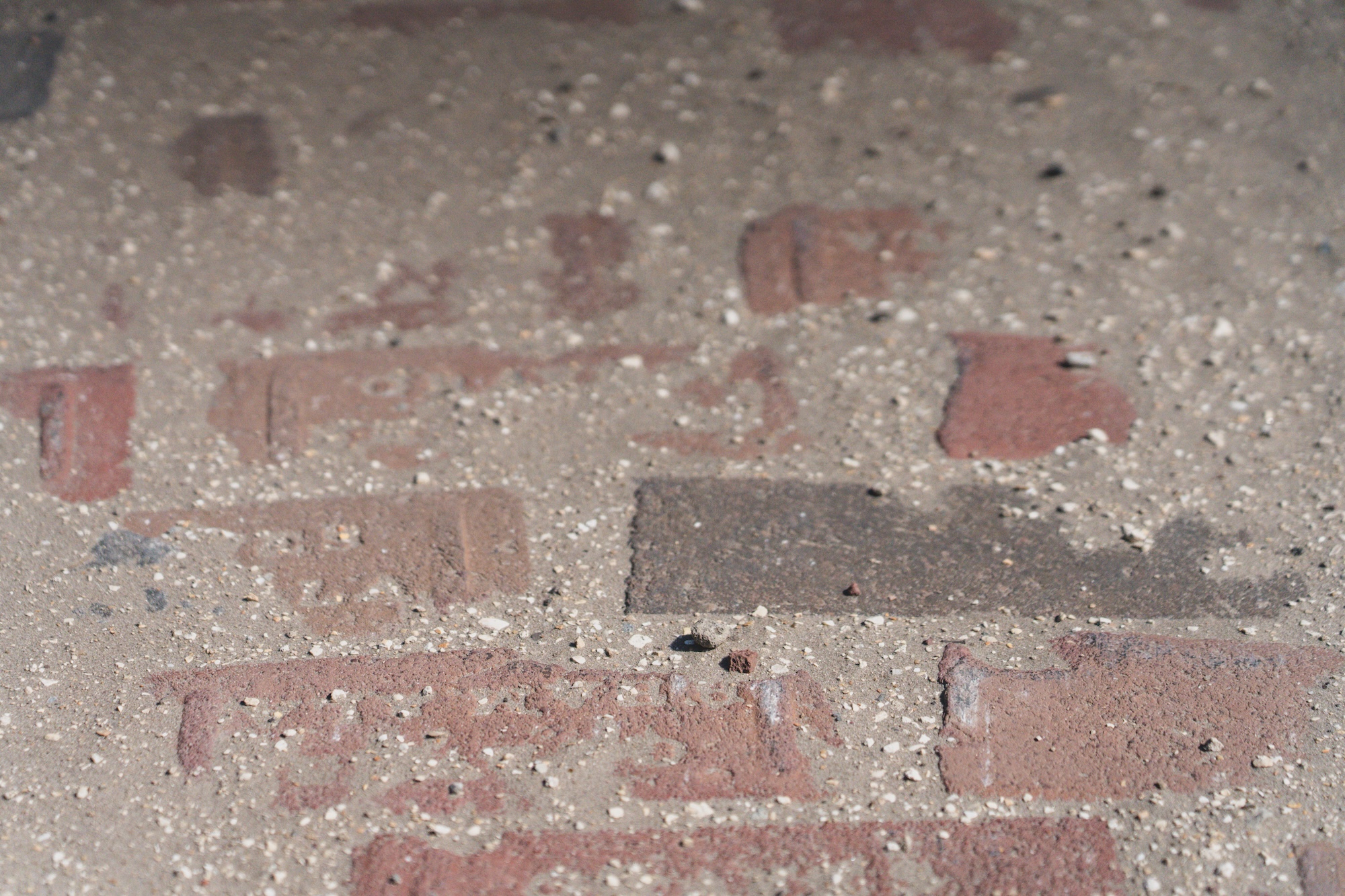
The Brick Road Near Daytona Beach
The brick segment near Daytona Beach is a rare glimpse into the past, offering a tangible connection to the early days of automobile travel in America. This section, often referred to as the “Old Brick Road,” was constructed around 1916 and stretches for about nine miles. It is a reminder of the engineering challenges and triumphs of the era, when road construction was a labor-intensive endeavor.
According to historical accounts, the bricks were laid meticulously by hand, a process that required a high degree of skill and precision. This effort reflected the broader dedication to creating a reliable and enduring roadway. As one traveler noted in a 1920s travelogue: “Driving on the Dixie Highway is like riding the rails of progress, each brick a testament to human endeavor.”

Present-Day Travel and Overlander Interests
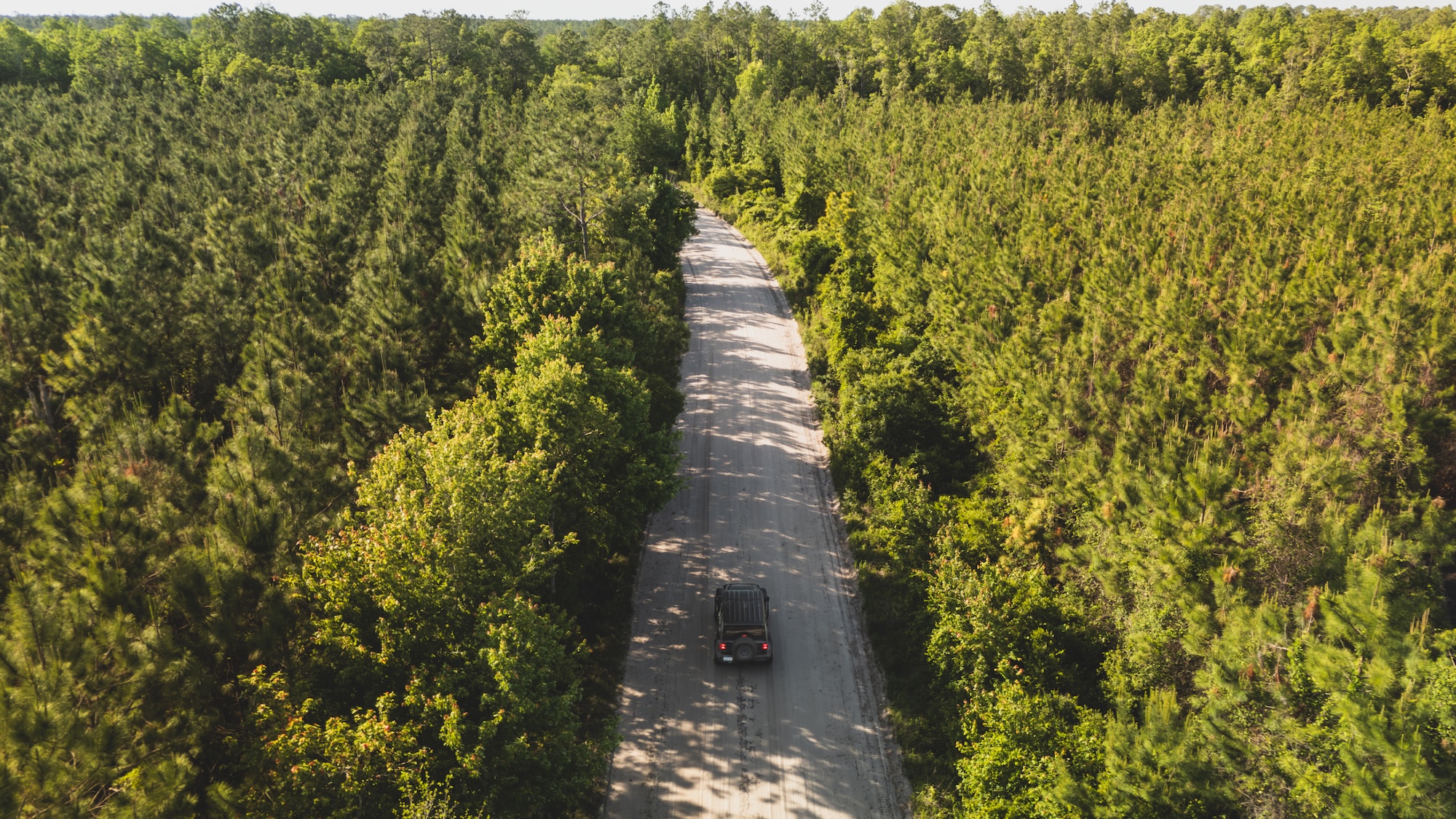
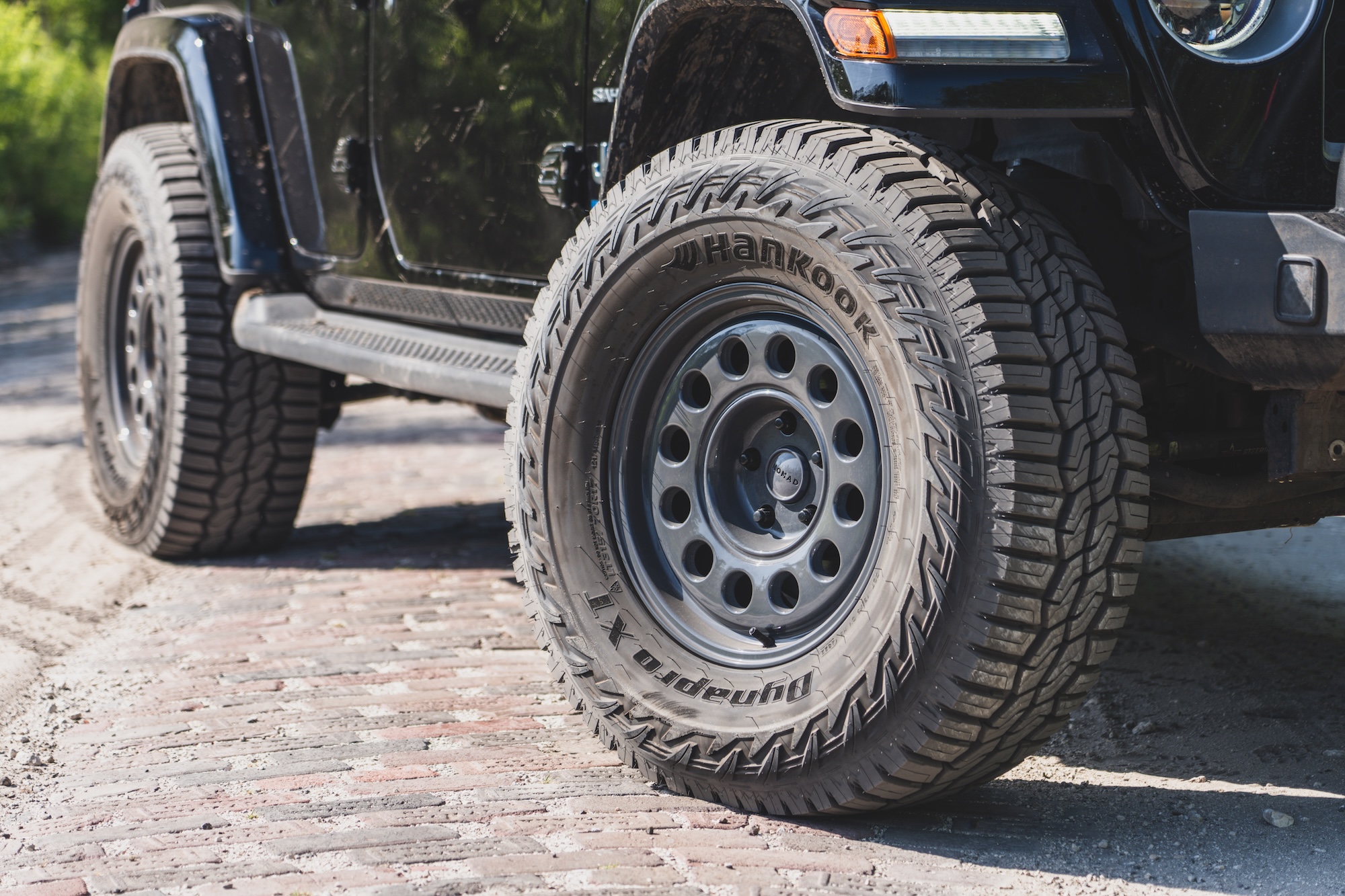
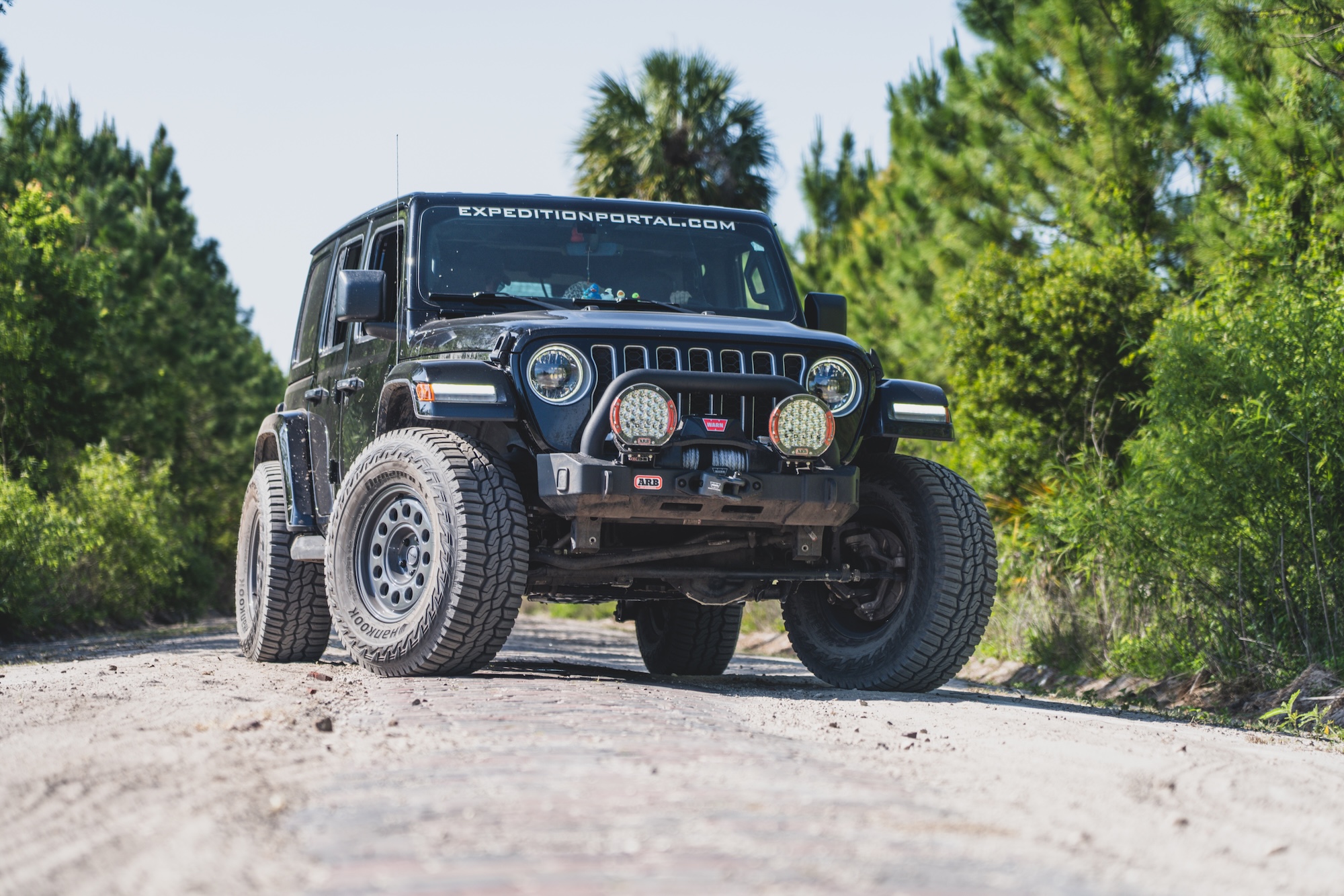
One of the most enjoyable discoveries of our trip was exploring Daytona Beach along the historic Dixie Highway. Also known as “Tin Can Alley,” the original route stretches from the northern US to Miami and holds a special place in the hearts of travelers. The brick section just north of Daytona Beach is like stepping back in time and features a combination of 100-year-old brick sections interspersed with sand. I would recommend a 4WD with quality tires like the Hankook Dynapro XT that we used on our Jeep Wrangler 4xe.

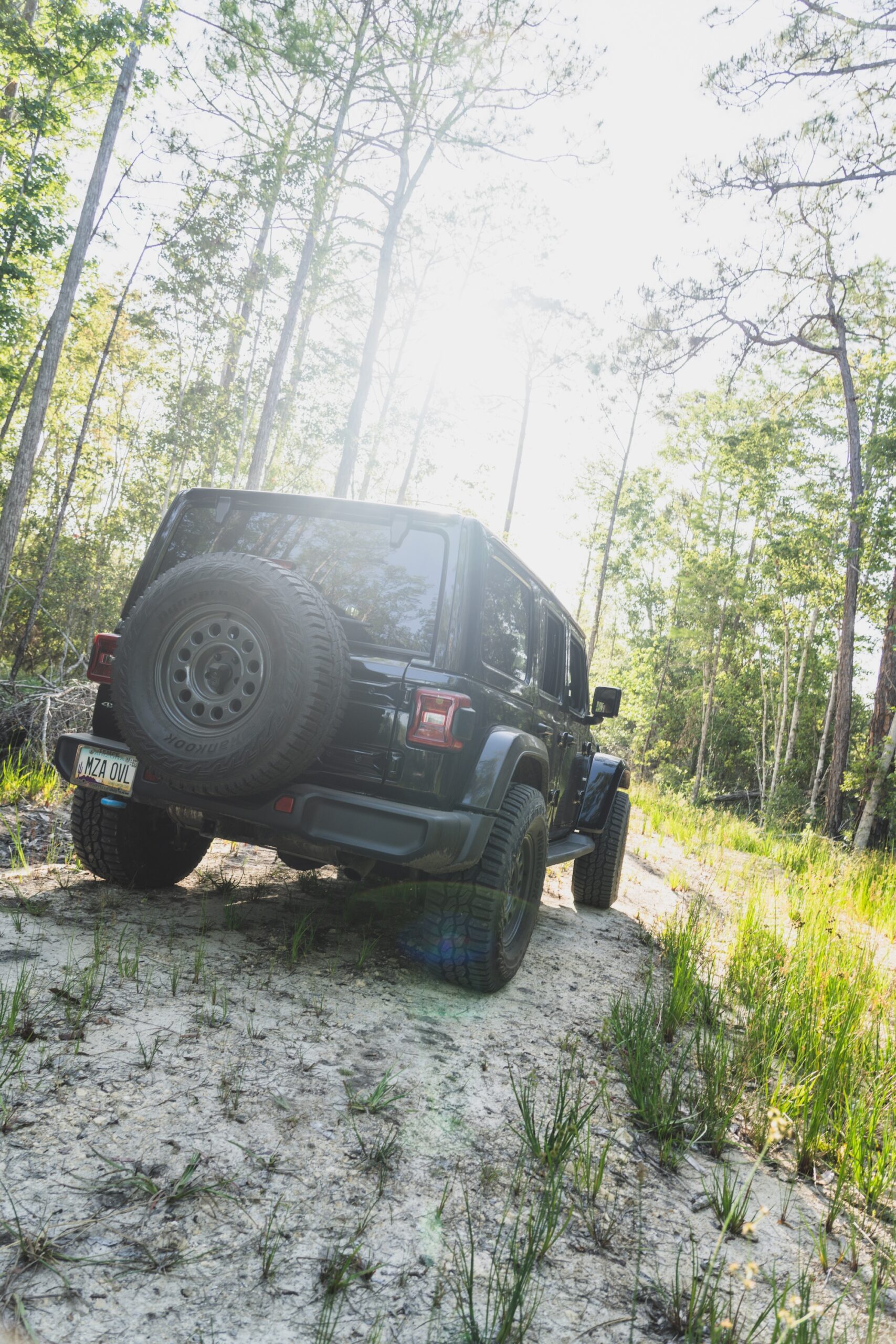
Today, the Dixie Highway still holds a certain allure for travelers, especially those interested in overlanding— self-reliant adventure travel where the journey is as important as the destination. The remaining sections of the highway, including the brick road near Daytona Beach, have become popular with history buffs and road trip enthusiasts alike.
For overlanders, the Dixie Highway offers a unique combination of scenic beauty, historical significance, and challenging terrains. The route meanders through diverse landscapes, from the rolling hills of Kentucky to the lush forests of Georgia and the sandy beaches of Florida. Overlanders are drawn to the mix of paved roads and rugged paths, allowing for a variety of vehicular adventures.
In addition to the natural beauty, travelers along the Dixie Highway can explore numerous attractions that reflect the cultural and historical tapestry of the region. Near Daytona Beach, for instance, the highway passes close to the renowned Daytona International Speedway, a nod to the area’s long-standing association with motorsports. Further north, travelers can visit historic sites such as the Etowah Indian Mounds in Georgia or the Abraham Lincoln Birthplace National Historical Park in Kentucky.

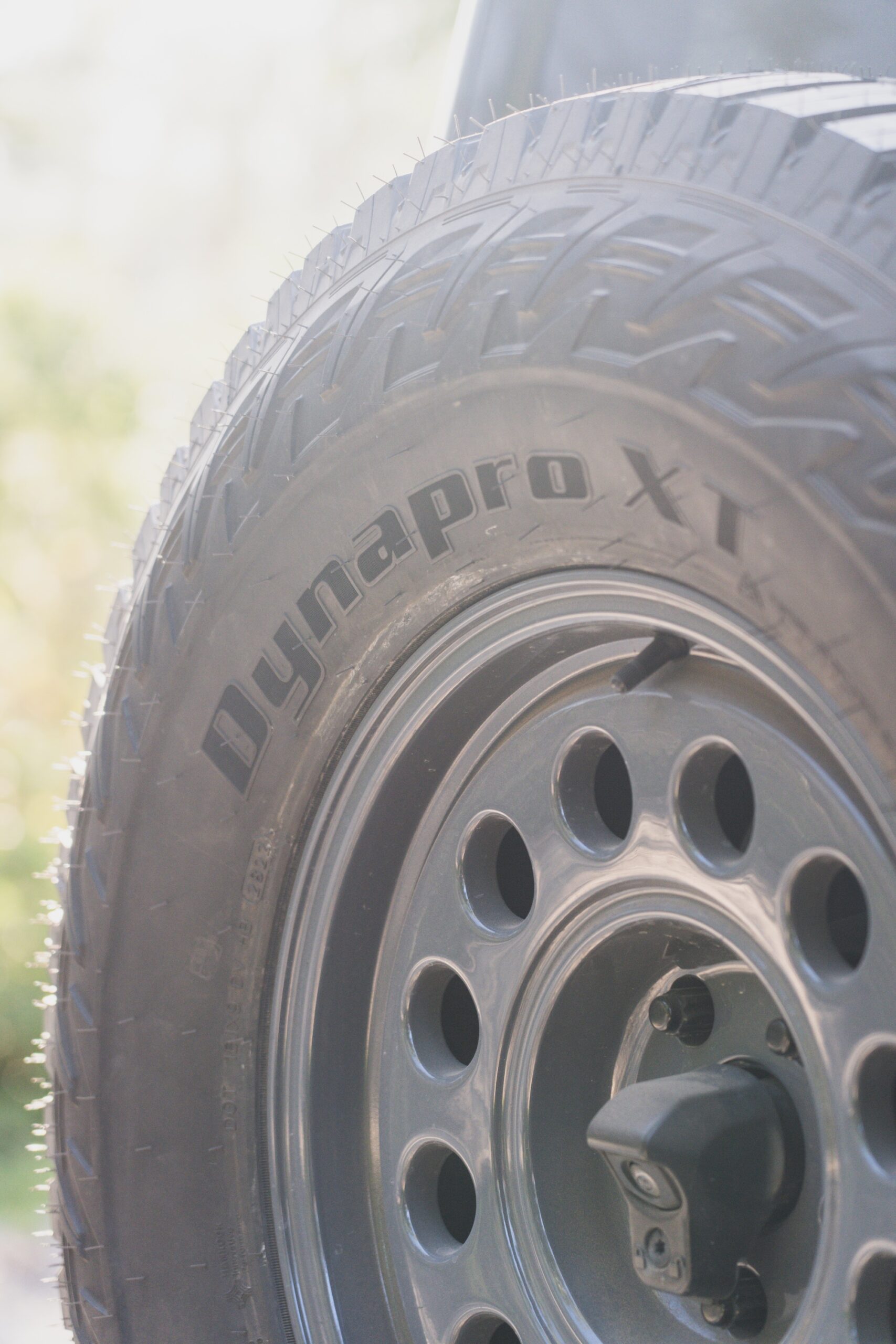
Today’s travelers often seek out the “Old Brick Road” not just for its historical value, but also for the challenge it presents to modern vehicles. The uneven surface and rustic charm provide a stark contrast to modern highways, offering a sense of adventure reminiscent of the highway’s early days.
The Dixie Highway, with its storied past and enduring presence, remains a significant part of America’s road trip culture. From its inception as a catalyst for economic development to its current status as a treasured relic for overlanders, the highway continues to captivate those who yearn for exploration and discovery. The brick road near Daytona Beach stands as a silent witness to this legacy, inviting travelers to journey back in time while paving the way for new adventures. As Carl G. Fisher once envisioned, the Dixie Highway is more than just a road; it is a pathway to the heart of America.