

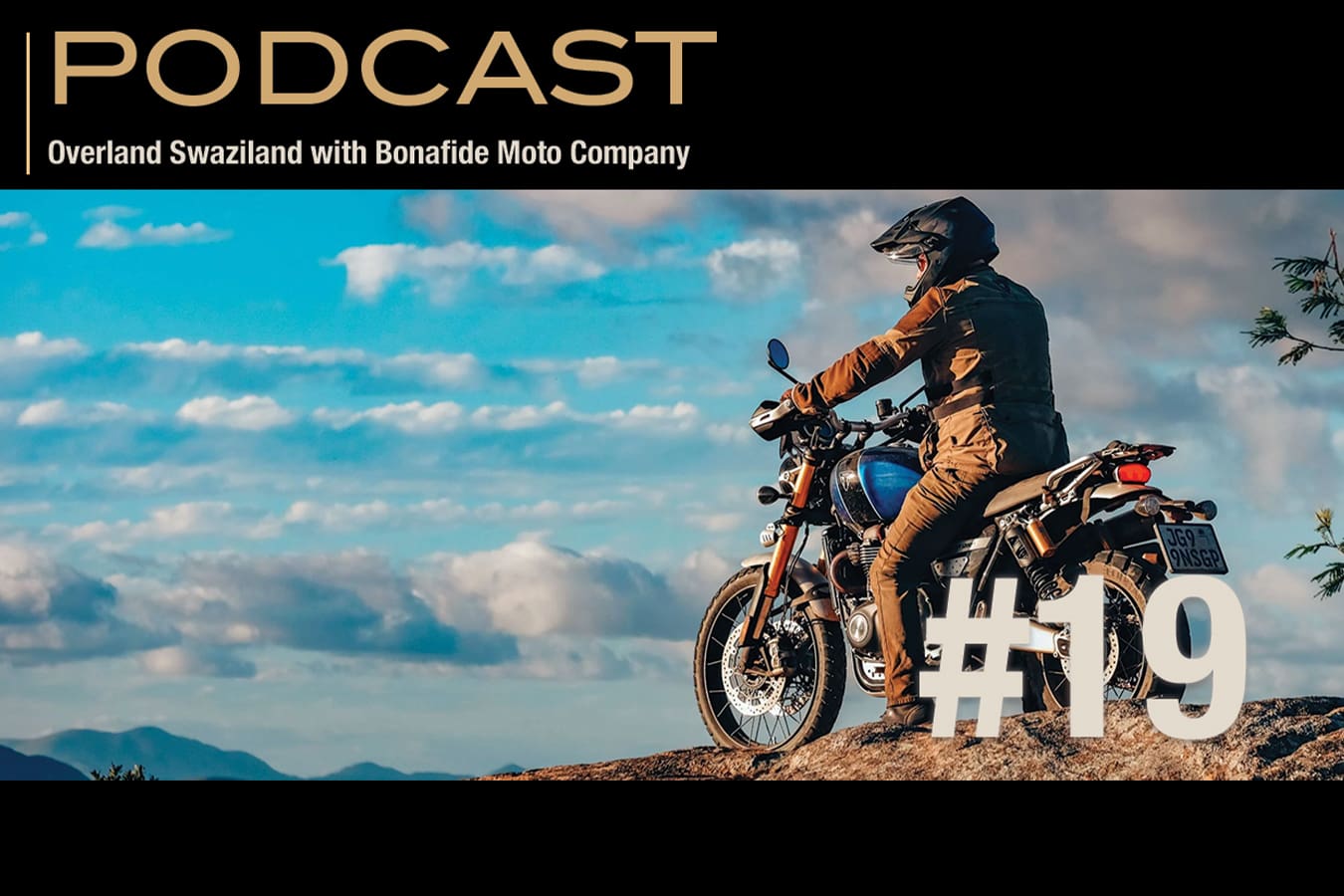
Overland Journal Podcast host Scott Brady records from Eswatini’s Mlilwane Wildlife Sanctuary with Alan Shenton and Joe Fleming of Bonafide Moto Co. following a motorcycle trek on Triumphs (Tiger 1200, Tiger 800, and Street Scrambler). Alan reflects on his international music career in bands like Zebra & Giraffe, opening for The Cure, and how South Africa’s parks fueled his love for travel. Joe discusses relocating from the U.S. to South Africa and his minimalist, moment-focused photography. The group explores packing light, riding conditions, and the story of Bulembu—a former mining town transformed into a ministry supporting 2,000 AIDS orphans through sustainable tourism. They conclude with regional route recommendations and where to find Bonafide Moto Co. online.
Overland Journal Podcast Episode #19
The Overland Journal Podcast is brought to you this week by Overland Journal Magazine
New to Overland Journal and want to grab a subscription! Visit Overland Journal and enter code: overlandpodcast at checkout for 20% off. We thank you for being a subscriber.
Guest Bio:
Alan Shenton
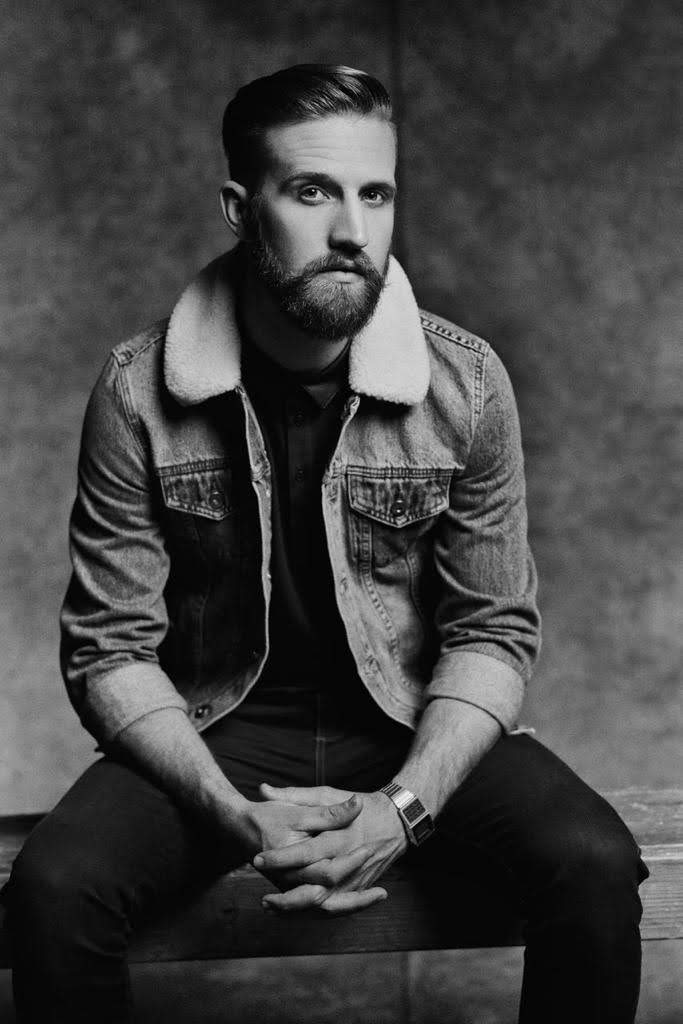
Joe Flemming
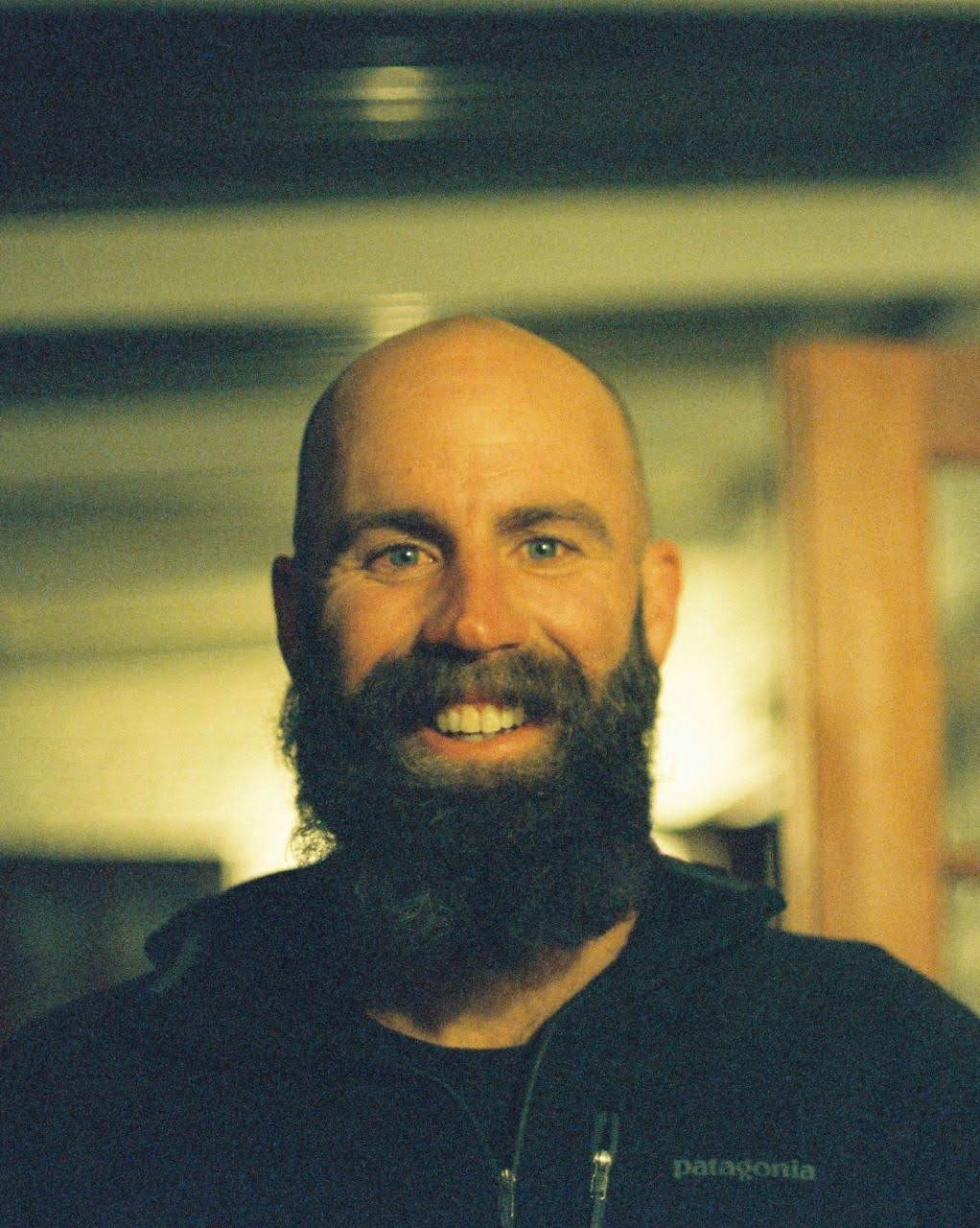
An Inspired Journey
Swaziland’s beauty surrounds us as we traverse its stunning landscapes on motorcycles. The sounds of the wild echo around us, reminding us of the thrilling adventure that lies ahead. Alan Shenton, formerly of the band Zebra and Giraffe, and veteran Joe Fleming bring unique perspectives to this journey, sharing tales of music and exploration.
Music and Stories
Alan’s career in music is nothing short of inspiring. From his beginnings with Harris Tweed, transitioning to Dear Reader, to eventually rocking stages with Zebra and Giraffe, his music career has taken him around the world. Highlights include playing festivals and even opening for iconic bands like The Cure and The Killers. It’s evident that travel and music are intertwined passions for Alan, igniting his desire to explore further.
Similarly, Joe Fleming’s path from the military to residing in South Africa is a tale of serendipity and passion. A chance connection on Instagram sparked his journey across continents, leading him to discover the captivating allure of South Africa. The move allowed him to share his love for the country and its breathtaking landscapes with a broader audience.
Creating Memories Through Photography
Joe’s love for capturing moments is reflected in his photography. Despite carrying minimal equipment, his focus remains on capturing the essence of the places he visits. Whether documenting military life or the vibrant streets of South Africa, Joe’s photographs tell stories of adventure and cultural richness.
Motorcycles and Trailblazing
As the journey unfolds, Alan and Joe’s experiences with motorcycles and adventure riding come to life. Triumph motorcycles play a pivotal role in their explorations, embodying impeccable style and performance. Alan’s attachment to his Triumph 900 Street Scrambler speaks volumes about the bond between rider and bike. Meanwhile, Joe’s experiences and stories from the road emphasize the depth and breadth of exploring Southern Africa on two wheels.
Community and Connection
The journey takes a meaningful turn with a visit to Bulembu, a town with a heartwarming story of resilience and community. Once an abandoned mining town, it now thrives as a sanctuary for orphans affected by the AIDS crisis, thanks to Bulembu Ministries. Tourism and local crafts sustain the town, crafting a narrative of hope and dedication.
Embracing the Adventure
Traveling light has its virtues, and this trip is no exception. The group foregoes camping for the warmth and hospitality of local lodges, enriching their experience. The emphasis is on genuine interactions with local cultures, creating connections that run deeper than the roads they travel.
A Call to Adventure
For those seeking adventure in Southern Africa, there’s a universe of landscapes and cultures to uncover. Bonafide Moto Company represents an inclusive, experience-focused riding community, inviting riders of varied skills and backgrounds to partake in journeys where camaraderie takes precedence over competition.
Conclusion: Enduring Friendships and Future Adventures
The adventure through Swaziland with Alan and Joe is a journey of friendship, motorcycles, and music. It underlines the essence of travel, photography, and exploration—seizing the moment and creating memories. As the blog concludes, the trio hints at future adventures, with hopes of exploring new horizons and fostering connections across continents.
Join us next time as we dive into another exciting venture. Until then, keep the spirit of adventure alive!
Connect with the Adventure Community:
To learn more about Alan, Joe, and their adventures, find them on Instagram: Alan Shenton, So Tall Right Now, and Bonafide Moto Co. Their shared stories and photography offer a glimpse into the vibrant world of motorcycle travel in Southern Africa.
Host Bios:
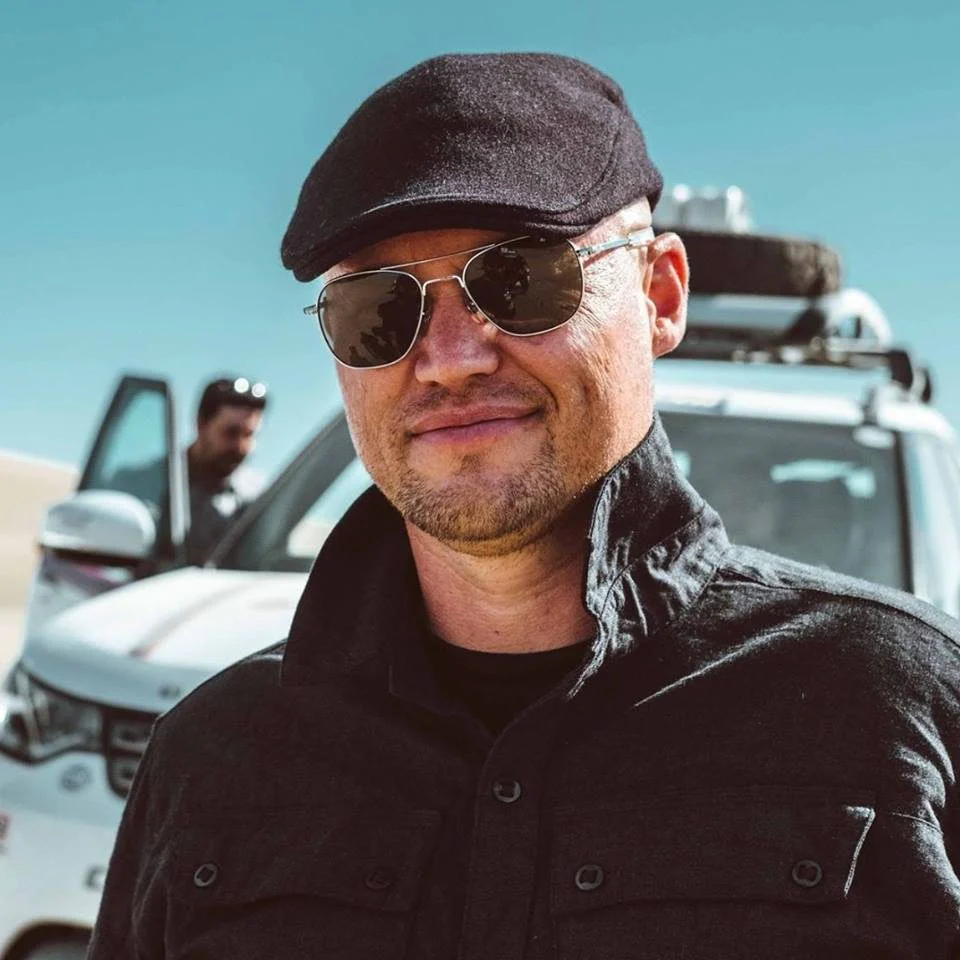
Scott Brady
Scott is the executive publisher and co-founder of Expedition Portal and Overland Journal and is often credited with popularizing overlanding in North America. His travels by 4WD and adventure motorcycle span all seven continents and include three circumnavigations of the globe. His polar expeditions include two vehicle crossings of Antarctica and the first long-axis crossing of Greenland. @scott.a.brady
Tune in Apple Podcasts | Spotify | YouTube
Our No Compromise Clause: We do not accept advertorial content or allow advertising to influence our coverage, and our contributors are guaranteed editorial independence. Overland Collective may earn a small commission from affiliate links included in this article. We appreciate your support.
Transcript
#19 Overland Swaziland with Bonafide Moto Company
Scott Brady: [00:00:00] Hello and welcome to the Overland Journal podcast. I am your host, Scott Brady, and Matt is not with me today ’cause he has since flown back to the United States, in search of tacos he told me. But I am, I am currently in Swaziland, and you can hear the sound of the birds and animals behind us. In fact, there’s a sign that says pretty much don’t go over that wall because there’s hippos and crocodiles within feet of our current location.
And Swaziland is beautiful, and I’m here with two great friends, two guys that I met on a Land Rover trip in Peru. And we’ve got Alan Shenton, and we’ve also got Joe Fleming. And these guys are with Bonafide Moto Company. And most importantly, they’re good buddies. We, we enjoyed traveling together before, and when they heard that I was coming to Africa they [00:01:00] said, “Let’s go to Swaziland on motorcycles.”
So they were kind enough to line up a Triumph for me, so I’ve been riding a 1200 XE, thanks to Triumph of South Africa. And Joe’s been riding a, an 800 Triumph.
Alan : Tiger 800.
And then Alan, what have you been riding?
A 900 Street Scrambler. 900 Street Scrambler. Nice. So thanks for being here, guys. Really appreciate you being on the podcast.
We’re gonna talk about some fun and varied subjects, just as our ride has been fun and, and varied as well. So, um, and we’ll do our very best to keep this family-friendly. There’s been threatens to the contrary. So, so yeah. This, this place is amazing. We’re at Mlwane, which is a, a game reserve close to the, the western border of Swaziland.
And it was so cool. I, I pull up to the gate, and for these guys, they’ve been here a bunch of times, and it’s, I wouldn’t say it’s old hat, but it wasn’t a new [00:02:00] experience for them. So I pull in through the gate, and here’s zebra everywhere, and really neat to see. I think maybe even a springbok that we saw when we came through.
Blesbok, I believe. Uh, blesbok. Nice. Yeah. So speaking of zebra, uh, Alan, before he started being the adventurer that he is today, he was the guitar man for, for Zebra and Giraffe, right?
Joe: That, that’s it.
Scott Brady: Yeah. So tell me a little bit about your music career.
Joe: Yeah. So I, I, I played in a couple bands over about a 12-year period.
I started in a band called Harris Tweed, uh, which became Dear Reader. And Dear Reader was quite successful. It was very, um- Alternative singer-songwriter with, with a female vocalist. Nice. Uh, really, yeah, indie, super indie. Um, and the, the front lady of that band immigrated to Germany and she carried on. She still has a career to this, this day.
Um, and then a friend of mine had started a band called Zebra and Giraffe and I joined that band, and I played for Zebra and Giraffe for about nine, 10 years after that. And I was [00:03:00] really fortunate to have been quite successful and it’s, um, traveled the world. I’ve been to Japan. I played in Kenya. We recorded an album in Los Angeles.
Or no, we recorded an album in California just outside San Francisco in a town called Stinson Beach. We rented a, an amazing studio there and recorded an album. And we’ve played big festivals, we’ve played small clubs and, and I’m very, very grateful to have done it professionally for like 12 years all in all.
Scott Brady: Well, and one of the, one of the recent ones, in fact I believe it was your last concert, you opened up for The Cure. That’s significant.
Joe: Yeah, The Cure was coming to South Africa. They were playing two shows, Johannesburg and Cape Town, and the promoter, Andy Mack, really amazing fan of ours, supporter of our music, had invited us to do a reunion show to play, to open for them.
And, and we accepted, and it was amazing. Yeah. It was really cool to share a stage with rock legends.
Scott Brady: Yeah, for sure. And then I think you were in another festival with Metallica and then, what [00:04:00] was… You said one of your most favorite bands to play with was-
Joe: Our, our favorite band to play with was The Killers.
Yeah. Um, we, we were their only support act in South Africa and we opened two sh- three shows with them, two in Cape Town, I think one in Joburg or, or other way around, two in Joburg, one in Cape Town. Um, they, they were a great band and it was very poignant for the time. It was 2009, 2010. They were at the top of their career, we were at the top of our career at the time And, yeah, it was amazing playing with like-minded musicians and also just like-minded music.
Like, uh, to be able to share a stage in South Africa, so far away from the rest of the world and here we are watching music or listening to music, um, that was so closely aligned. Um, just at right about the right time for, like, that indie rock, uh, alternative music.
Scott Brady: Well, and it, it leads to a bunch of questions, but the first thing that comes to mind was, did you already have a passion for travel before you started traveling as, as a musician or, or was it when you started to travel as a musician that you started to, to see, like, I wanna go see the world?
Yeah, I alw- I always had a passion
Joe: to [00:05:00] travel. Um, my mom and my dad instilled an absolute love for our country, South Africa, and for the, the parks that we have in our country, uh, from a very young age, and they dragged us off to Kruger National Park at least two, three times a year every single year. Mm-hmm.
And we loved traveling. We never saw other parts of the country, but we always went to the game reserve. That was what we did two, three times a year. So I loved traveling. I’ve always been a fan of traveling, and one of my favorite things about being in the band in South Africa was to be able to get in the car or the van and drive the coast, the length and breadth of this country.
And the people that we would meet along the way and the places that we would see, it truly, I don’t think, I don’t… I mean, don’t quote me on this, but I don’t think there’s anywhere where, where you can go in the world where you will see such varied terrain, from the beaches to the bush, to the towns, to the big cities, to the small towns, and so on and so forth.
It’s just, it’s an incredible place to travel, and I was, I count myself very fortunate that I was one of the few people that got to do it year on year, over and over again. And then every night to be able to [00:06:00] perform music in front of people, uh, that truly enjoyed what you did.
Scott Brady: Yeah, and I have to agree with you.
I think that of all of the places that I’ve traveled, South Africa pulls me back the most. Southern Africa pulls me back the most. Between the Namib, which is one of the oldest deserts in the world with the tallest sand dunes in the world, and then you’ve got the Kalahari just to the north, and Rhino and the Okavango Delta.
I mean, it’s, it’s literally the birthplace of humanity as we know it, and, and it really draws me back. And, and Joe, that kind of leads me, like, what brought you from being in 11 Bravo Army to living now full-time in, in South Africa?
Alan : Uh, it was Instagram. Um, yeah, long story short, uh, before… So I’ve been in South Africa now for just over six years, and prior to this I was living in California.
Uh, I’m originally from North Carolina, and [00:07:00] I had a job after college, uh, working for a defense contractor. I got that job through being a veteran. I’d been to Iraq in 2004, kind of midway through college, and the job had taken me to New York for four years, and then they transferred me to San Diego, which I, I loved.
Scott Brady: I imagine.
Alan : It was, it was everything. Having… I think I lived four blocks from the beach. Had the mountains, had a great job. Had a Harley there, got to ride along Sunset Cliffs just about every day. And then shortly, say about five, six months into living there, I’d come across this girl on Instagram who lived in South Africa.
Uh, I’d actually come across her boyfriend at the time, and he had … He was into, like, choppers and, like, rat rods, and somehow I found him, and then he had this girlfriend, and I’m like, “Cool, I’ll follow her. No problem.” And after months of just being followers and not- I’d never thought anything of it, she had sent me a friend request on, on Facebook And I wake up one morning on the way, just, just about to go to work and I’m like, [00:08:00] “That’s that hot chick from South Africa.”
Like, I’m gonna accept, and then I’m gonna get to work. I’m not gonna do a thing. I’m going to just stalk her photos. And, um, I ended up not being able to stalk her photos. We ended up messaging back and forth for hours and, and then basically three months later, I had taken a trip to South Africa, stayed here for three weeks to get to meet her, her son, uh, met her ex-husband, family members.
We traveled to Cape Town. Um, I really got to see what South Africa offered. And, and living in the States, I had no idea what South Africa was like. I didn’t know… I didn’t really know that it is what it is, and I loved it. And so I went back to the States, um, went back to work and was miserable. And, and luckily at the time working for a defense contractor, they were going through budget cuts with the government and there was some voluntary layoffs that were available to people.
And I had a [00:09:00] coworker who was like, “Joe, like you’re miserable. Like you love this chick. Like why don’t you just take a layoff and move?” And I was like, “I think that’s a great idea.” And so I did that. And then basically two months after I’d left South Africa, uh, I was back. I had sold two of my Harleys. I had like old Heritage Softail.
I had a chopper that was in boxes. Yeah. Randy, if you’re listening, I’m sorry that you still own that Harley- … that’s still in boxes. Um, and sold all my stuff and I moved here with three suitcases. And, um- What a
Scott Brady: story, man. That’s amazing.
Alan : Yeah. What’s so funny is that I probably have thrown away one suitcase.
I realized like I really didn’t need all that stuff. Um, so yeah. So now it’s been six years here and it’s been like, I absolutely love this place. It’s, it’s an incredible country and, um, which is great. And that’s why, you know, we have Bonafide Moto Co. was that I wanted to travel the country and, and ultimately I wanted [00:10:00] to share that experience with, uh, locals here, but also wanted to show that, show the beauty of South Africa to my friends in the States, um, who, you know, more than likely they don’t know much about South Africa.
And so I think through me, they’ve been able to see how beautiful this place is. And slowly I’ve gotten a few people to come here and hopefully many more will come.
Scott Brady: So w- the first question that comes to my mind is, is not so much the travel, because I can see that that just runs through your veins. Mm-hmm.
But w- where did that creative impetus come from? Y- your photography is, I believe, world-class for what you do, and- Thanks. Uh … and we featured you several times in Overland Journal Magazine and on Expedition Portal. And what prompted that passion or that desire to become a photographer?
Alan : So I think ever since I was a kid, I always do thank my aunt for making me the photographer that I am, that I [00:11:00] like capturing moments.
I really hate to set up shots, um, because as a kid she would always try to get us to come together and always wanted to take photos. Um, but at the same time, I think I’ve … I always had a camera since I was a kid. I always enjoyed, um, taking photos and printing them. And even when I was in Iraq, like I was in the infantry, supposed to carry my rifle, but I always had…
I think at one point I ended up taking out two magazines so that I could put a small digital camera in there, so that when we were in town, I could take it out and take photos, and I took amazing photos there. I mean, they were … I don’t think they were amazing like the quality I have now, but I just really enjoyed it.
I, I enjoyed-
Scott Brady: Capturing that moment,
Alan : yeah … yeah, just capturing those moments, and I, and I would get in trouble all the time for it, you know? My lieutenant would be like, “Clement, get the camera out of here. Get the gun, you know, carry.” I’m like, “Okay, cool. Cool, fine.” But I never took courses to become a photographer.
I’ve had friends, like [00:12:00] Al’s really helped me out. He’s got a great eye for … You know, he was in editing for, for a long time in production, and so he kind of helped and, and would critique me, and I’ve always been open to sort of- critiquing of my photos. And as the years have gone on of shooting photos from a motorcycle, I’ve seen what works and what I like and what I don’t like, and I’m very critical of my photos.
If it’s, if it’s any blurry or whatever, it’s, it’s, it’s out. But it’s really come through trial and error and just wanting to capture beautiful moments of my adventures. Um-
Scott Brady: There’s been a couple things that I’ve noticed, is that you’re very present as a photographer, which means that you find a way to kind of, in a fluid way, be a part of the scene as the photographer, which that’s…
People are awkward with cameras oftentimes. Yeah. I feel like that I’m awkward with cameras- Mm … when I could do a better job of that. But you, I mean, you’re tall. How tall are you?
Alan : Uh, 6’7″.
Scott Brady: So you’re 6’7″, but what you do is you, you just kinda [00:13:00] crouch down- Yeah … and you, you drop below the sight line, and not only does that give you a great vantage point, but it allows you to, for people not to focus on you.
Yeah.
Alan : I’ve got a squatting position. Um, I’m quite flexible, so I just literally spread my legs wide apart and I drop my butt basically to the ground- Yeah … and I can get those low shots. And, and I do try to… I d- I don’t wanna be seen as the photographer. I do want people to just do their thing, and a lot of times I’ll just slowly step back.
And, and just try to grab a scene, um, as quickly-
Scott Brady: And you do … as I can get the next. You really, you really do achieve that. And, and I’ve also noticed that your camera kit is, is very small, minimalist, yet you run with a couple bodies, usually with a prime on there. Yeah. And, and as a result, I mean, even it’s cool to see, like, you’ll be riding down the road and you’ll have a camera slung over your neck, uh, with a re- like a 35 millimeter prime on there.
Yeah. Like, [00:14:00] no, uh, lens protector, no, no UV filter. No. None. None. I mean, and we’re, we’re, like, bombing down these dirt roads and everything. And I mean, your cameras look like they both went through Iraq. Yeah. But it, it’s pretty amazing. Just a reminder that… And they’re, they’re very nice cameras- Yeah … and very nice lenses, but they’re not extreme expensive pieces of equipment.
They’re, like, super appropriate for what we do, but the quality of the- your imagery is so exceptional, ’cause I think that you focus on capturing the image, not the stuff, not the- Right … equipment, and- Yeah … that’s a nice result.
Alan : Yeah, I’m not like a beauty photographer. You know, like a-
Scott Brady: Which is a good thing, ’cause you’re taking photos of me.
Can’t make that pretty.
Alan : Yeah.
Scott Brady: I don’t think there’s any-
Alan : Yeah … there’s
Scott Brady: no amount of Photoshop that’s gonna fix that photo.
Alan : Like, like in the motorcycle industry, one of the guys that, you know, I’ve always looked up to, and I, I really respect his work, is Aaron Brimhall. And he’s, um, I mean, the stuff he shoots is, is, it’s beautiful.
I’m not that type of photographer, and so I’ve embraced my style of shooting, and I think that’s, [00:15:00] it’s a huge step, is when you embrace your own style, and you stick with it. Um, I, I couldn’t… I would be wasting my time to try to chase other photographers’ style.
Scott Brady: Yeah.
Alan : Um, and, you know, with my kit, I’ve- Every once in a while, like, you know, ju- uh, when I was in India, I rode for, like, seven days and my sensor was, it was disgusting.
And, you know, there’s some photos I took on the beach, and you can just see these spots all in the sky, and I had to, I had to touch them up. Um, but luckily my camera … So now I’m on my third, and I’m on my third X-T2, and the one I had previously, it was beat to hell. Like, it looks like it should be in a museum.
Yeah. And when I came back from India, they replaced it and they swapped it out with a new one. And I picked it up in the office, I put it through my eye, and I was like, “Oh, that’s what a camera’s supposed to look like.” That’s what it’s supposed to look like when you, when you pull it up to your eye. It was so clean.
Scott Brady: Yeah.
Alan : It was beautiful. So I’m not huge on care [00:16:00] and, like, meticulous cleaning of camera gear. I, I wipe with, I’ve got a good shirt that I, I do wipe the lens with, but-
Joe: Yeah, I think you’d make, you’d make other photographers, like, cringe- Yeah … if they saw how you clean
Alan : it. No. Sure. But
Joe: you don’t focus on it. No, this camera- It doesn’t matter.
Alan : No, I don’t mind.
Scott Brady: But the
Joe: moment matters.
Scott Brady: No. That’s so huge, though, because, exactly, right, Allen? He, he’s in the mo- Mm. You’re in the moment. Yeah. You’re present.
Alan : Yeah.
Scott Brady: And the, and the camera is at the ready, and m- a lot, I mean, my camera’s buried in my bag, and so I’ve gotta be intentional about taking it out and, because I’m trying to g- I, it’s, I’m being precious with it, right?
So I’m not, I’m maybe caring for it a little bit more, but I’m missing 90% of the images that you’re grabbing. Yeah. And I think that that’s, that’s a great lesson for those that are listening. If you have a passion for photography, make sure that the camera’s at the ready.
Alan : Um- If it’s in a pocket, that’s just one more thing you’ve gotta do to capture that moment.
Um, that’s why I always keep it slung, it’s ready, and then I can, you know, jump off the bike. Jump into the grass, get a [00:17:00] shot of you guys, you know, this, this week. And, uh, that’s what I would do a lot of times, just speed past you guys and then look up ahead and find a spot. And then sometimes I only have five, six seconds before you guys are-
Scott Brady: Yeah
Alan : right behind me again.
Scott Brady: Amazing. Yeah. Yeah, amazing. And, and Alan, you’re riding this 900 Triumph, which is … I mean, it’s a great looking bike. You’ve got a nice, a great exhaust on it, which it seems like the locals love. I mean, you get a lot, a lot of thumbs up, a lot of smiles and waves. And I think a lot of that is because Swaziland is such a smiling- Yeah
waving country. Indeed. The people here are beautiful. And it’s been fun to, to follow you on that bike. You ride it really well, and you guys have a lot of experience exploring the back roads of, of Southern Africa in these, in these modern classics. What kinda turned you on to Triumph as a brand, and is this your favorite bike?
Is this the pinnacle for you, or would you want something different? What connected you to Triumph?
Joe: You know, it’s interesting, Scott. For me, uh, being a musician, a guitar to me was a Fender [00:18:00] Stratocaster.
Scott Brady: Yeah.
Joe: And other people will tell you that a guitar to them was a Gibson or Les Paul. But to me, a guitar was a Fender Stratocaster, and a motorcycle was a Triumph Bonneville.
Um, and a 1969 Bonneville was what a motorcycle looked like. And my dad passed away when I was quite young, but I have a photo of him that surfaced somehow. He grew up in England, in Birmingham- Wow … in the, in the ’40s and ’50s. And I have a photo that surfaced of him that my mom found or something like that.
It was in a picture frame, and I took it and, and I, I studied that photo, and it was a motorcycle made in Birmingham in the ’40s or ’50s that he was riding. And I … and that was actually what got me into motorcycling. I ne- I didn’t grow up riding a dirt bike. Okay. Uh, growing up with a, a single, uh, you know, mom as, as a parent, there was no way I was gonna get on a dirt bike.
She was never gonna allow that. Sure. So I was about 24, 25 years old, and I had this photo and I was like, “I, I wanna get a … Like, my dad rode a motorcycle. I want a motorcycle, and that’s what a motorcycle should look like.” And it ac- ironically, it wasn’t a Triumph. It was a, I think it was an Ariel, um, Colt 350cc [00:19:00] motorcycle.
And at the time, it was about 2013, 2014, I think, the, the bike that appealed to me that looked like that was a Royal Enfield, ’cause it still looked as though it was made in Britain, and it still had the, the styling features of that bike. Uh, so that was my first bike. But I always wanted a Triumph Bonneville.
But a, the, the Royal Enfield was super affordable. They had just imported them into the country.
Scott Brady: How long did you have that bike?
Joe: I had it for two years. Yeah, two
Scott Brady: years Did, did you travel on it or just ride it around Joburg mostly?
Joe: Um, no, we didn’t travel with it. It was mainly a commute. Yeah, like I commuted-
to and back from work. I went around. My, my brother-in-law also had one, and we spoke about once maybe doing a trip to Durban, and I think we did, but we, we put the bikes on the back of the car at the time. Sure. Got to Durban, we rode them around there. I, I was a, like a lightweight. I, I, I didn’t really know how to ride a motorcycle.
I, I got my license, um, but I wasn’t, I wasn’t proficient- Sure … as a rider by any means.
Scott Brady: Yeah, you need
Joe: some skills. Um, and I knew that it was inevitable that I would, as I would grow more into riding, that I would upgrade, and I bought a Triumph Bonneville. Um, and finally I owned the bike that I’d kind of always wanted to own.
[00:20:00] And yeah, I loved my Triumph Bonneville. It was a T100 Black, uh, they called it, so it was full- fully black, uh, black exhaust, black everything, and I loved it. And then unfortunately I had a, a pretty gnarly accident, and that sent that bike to the scrapyard. And I then was faced with the decision that I needed to buy a new motorcycle, and I didn’t know what I was gonna buy.
So I immediately replaced it with a secondhand Bonneville that was available quite, quite affordably on Gumtree. And I rode that whilst I was just buying time, ’cause I’d heard that Triumph was gonna be working on a, a liquid-cooled, uh, version of their bikes. Now I’m not, again, I’m not, I haven’t been riding bikes for 30 years, so I’m not gonna be someone to tell you that liquid-cooled is better or worse than air-cooled.
I couldn’t really care. I was more interested in what it looked like and how it performed. And as soon as the 900 Scrambler was announced, I was a little bit disappointed ’cause I’d, I was kind of a- anticipating more of a scrambler-looking motorcycle, which I think is exactly what you’re on at the moment, on the 1200.
But the 900 was announced, and I’d actually t- said to Joe that I wasn’t gonna buy it. I was like, “Oh, I’m not gonna buy the 900 Scrambler. I’m [00:21:00] gonna wait. There’s something more scrambler-esque coming out.” Yeah, sure. Um, and then I rode it And to answer your question, yes, it is the most perfect bike for me. I have thought about selling it on several occasions when a new model’s come out.
So when the 1200 Scrambler came out, I thought, “Maybe I should get rid of my 900. I’m gonna save up. You know, how much do I still owe the bank? Okay, maybe I, maybe I should.” But, um, and Joe will, uh, profess to this statement, is that I just, that bike and myself are just, we’re like married together- … in terms of fit- Oh, yeah
styling, uh, you know, and, and- It’s
Scott Brady: great watching you ride it.
Joe: It’s funny, you know, when we do these trips- It’s fun … when we do these trips, we’ve got a lot of guys that come with us on varied bikes. We’ve got everything in the mix, and, and a lot of guys will look down on a small little bike like that. And, and I love, I love disproving them, not with arrogance, but just with the, the pure that, you know, sometimes riding a 900 and riding it better than a guy on a 1250 or 1290 or 1200, whatever, um, actually says a lot more- Yeah
um, than, than having an [00:22:00] overpowered bike that you, you, you can’t correct fast enough. You can’t, you can’t ride it properly. You can’t, your feet don’t touch the ground. So I always joke and I always say, “I’d rather be the fastest guy on a 900 than an average rider on a 1200.”
Scott Brady: Well, and, and the, the bike’s less expensive.
You use less fuel. I mean, and, and it looks great. It isn’t like it looks lesser than. It looks, I think it looks perfect.
Joe: Yeah, and I did exactly, I, I put the accessories on that exactly what I wanted. So I put the Vance & Hins, uh, two into one pipe, which I wanted, ’cause it sounds great, and I, I do commute daily on that bike.
Um, my wife and I share a vehicle, so the, the bike is my, is my vehicle, my daily. Um, and I put, like, some dresser bars on the bottom, LED light bulbs, um, a little, uh, luggage rack on the back and a pannier. Um, yeah. The, it looks exactly what I want a motorcycle to look like.
Scott Brady: And it, it seems to me that Johannesburg has such good weather that you can almost get away with riding a motorcycle every day.
Joe: I do ride every single day. Yeah. I [00:23:00] ride summer and winter, and most of the people that I ride with do the same.
Scott Brady: Yeah.
Joe: Um, it’s actually, summer’s actually the worst time of the year to ride because of the risk of rain.
Scott Brady: Oh.
Joe: So we have this crazy thing in Johannesburg where at least- Two, three times a week every day in summer it will rain at about 4:00 PM, which is roughly-
aligned with trying to get home in time.
Scott Brady: Sure.
Joe: Um, and we have these incredible electric thunderstorms. Um, but, uh, you know, I always have my rain suit in the back, and I always have a pair of boots on, and I, I ride in the rain regularly. But this time of the year, actually now from March right up until June, July, when it gets really cold, is the best riding time of, uh, of our year.
Scott Brady: Yeah, I, I think that we’ve ha- I mean, we’ve had some rain. We’ve had some varied- Yeah … weather, but for the most part, it’s been within a perfect little tolerance zone, I think.
Joe: Yeah, it’s great. So far. Yeah, this has been pleasant. It’s, it’s great. I mean, the, we’ve been to Swaziland before where it’s 40, 42 degrees during the day, and it’s, it’s, it’s quite, it’s quite hot.
It’s quite challenging, um, on these dirt roads for long hours. [00:24:00] Um, you know, that’s when you don’t have a problem, but if you have a problem, it can be quite, it c- can be quite challenging to be in that heat. So this has been the perfect weather. Mm. A little bit of cloud cover, nice cool breeze. If the bikes are moving, you’re, you’re, you’re cool.
Scott Brady: Yeah, I was totally comfortable. I mean, when, when we have to stop and solve a problem where we’re fixing a tire, like we had a flat yesterday, and that was a, that was a good little adventure. And, and we got into some more challenging terrain. And then this morning we had a really beautiful ride. It was incredible going through- Up to that dam.
Really beautiful
Joe: Yeah, we love, I mean, we love… Joe and I are, like, g- very, like, attuned. We often ride, I’ll ride up front, ’cause often I know the, the road a little bit better than Joe, and Joe will ride at the back. And often I, w- we always look for these little dirt roads that go to the side. Yeah. And I’ll look back to see if he wants to, like, do it or not.
Well, I mean, we even do that in, in, in, when we’re based in a vehicle. We’re always like, “
Alan : Ooh- Oh, I see a dirt path … where does that go?”
Joe: Yeah. We should see where that road goes. But there’s
Alan : a mount- Yeah … there’s a road going up the mountain.
Scott Brady: I [00:25:00] think that’s universal. Yeah. There’s a dirt road. I think every- everybody that’s listening to this podcast- Yeah
whether they’re in Norway or South Africa- Right … or in Arizona, they’re like, “Yep, I know that feeling” when you pass by that dirt road that, that climbs up the side of a mountain. That’s what we did yesterday. We looked for the road that went up the side of a mountain. Yep. Exactly. The side of a mountain.
And Joe nearly tried to make it to the top. That was imp- That was impressive.
Alan : Yeah. It, it looked like I had a go. It looked like it, and then I sl- I quickly realized, “No, I think I’ve chewed up too much here.”
Scott Brady: That, that, that was, that was funny, ’cause you… And you, you didn’t go down or anything like that. But you were, you were perched on the side of this hillside re- realizing, like, “I’m not g- Where, where am I gonna go?”
Alan : I’m just gonna freeze here. Like, I, I got to a point where I’m like, “Okay, you’ve gone too far.”
Scott Brady: Yeah.
Alan : Um, if I went any further, I think it could’ve been quite disastrous. And then I just stopped, pulled the brakes, and then looked at you. Well, you guys were looking at me. Like, “What is he doing?” And I knew I could get some help.
And, and then you, you taught me a, a very [00:26:00] good lesson that I’ll, I’ll remember for, I mean, forever now and will be able to tell people as well, that, you know, if you’re on an incline- Oh, the failed hill climb.
Scott Brady: Really, yeah … then
Alan : tip the bike into the incline, and then you can walk the wheel out little by little.
And then that got it, that got the bike to turn 90 degrees-
Scott Brady: Yeah …
Alan : so that I could exit. And, and that’s something I could have done on my own, which is great. I, I think if I would’ve been on my own there, um, I mean, I probably would’ve just dropped the bike and then dragged it- Dragged it around. Sure … and then gotten back on it and gone.
But, um-
Scott Brady: Yeah. It’s always nice when you pick up those little pieces of things, right? So speaking of adventure bikes, we’re, we’re all traveling extremely light. Um, I think, Alan, you might have the most stuff on your, on your bike. But we’re all traveling essentially with one bag, and i- it shows how you can do that.
You can keep the bikes really light. Yeah. Especially in a country like Swaziland because we’re staying at these little [00:27:00] lodges or, or what was the name of the first place that we stayed at?
Joe: Bulembu.
Scott Brady: Bulembu. And i- and, and tell us the story about that, of that little village.
Joe: So Bulembu, it’s an, it’s an incredible little town, and I love the s- I love the story behind it and how we found it, I don’t even know.
But we just stopped there. It’s right on the border of South Africa at the border post called Jozistal. And, um, it was a very successful asbestos mine owned by the British, um, and up until I think early ’90s. And, um, the, the, the mine was closed. Well, it was liquidated a couple times actually, but eventually it was completely closed and the town was abandoned.
Everyone fled the town and they, they chose better pastures in, in Swaziland. Um, and it kind of coincided with the AIDS crisis in, in Swaziland at the time, and there was a lot of orphans that were, that were left behind as part of the AIDS crisis. And, uh, the, the, the town Bulembu went through a couple of, I think the hands of the town changed a few times, but eventually it landed up in, in the church’s hands, the Bulembu Ministries.
And [00:28:00] so Bulembu Ministry owns and operates the town now. And as part of the deal that they made, they look after 2,000 orphans in that town. Yeah.
Scott Brady: Incredible.
Joe: Uh, 2,000 AIDS orphans that they look after. And how do they do it? They do it through tourism as, as one of their pillars. They’ve got a lot of great mountain biking trails.
Uh, obviously ourselves visiting. They’ve got beautiful little, um, residences that you can rent out. They make honey very successfully that they export, and then they also make bread that they export, uh, throughout the rest of the community. So it’s a- Yeah. We
Scott Brady: ate a lot of that bread.
Joe: We did. Yeah.
Scott Brady: And
Joe: it’s a, it’s a non-profit organization that looks after orphan children.
Um-
Scott Brady: It was, yeah, it was really special. And, and all of the people there, you could see this … I mean, and, and so far everybody in Swaziland has had this kind of joy behind their countenance, but those people seemed very relaxed and … Like, we were sitting out in the morning waiting to have breakfast, and we could hear the workers You know, singing in, as they were working.
It was just really-
Joe: Yeah. You know, it was incredible to hear that …
Scott Brady: really special. Uh, that was really neat. So in our case, we decided to [00:29:00] eschew camping and stay in these very affordable little lodges and little home stays and, uh, like the place that we stayed at last night had thatched, thatched roofs and, but the food was in- was incredible.
And it’s one of those things that the, I think it’s important for the listener to know is that you have this idea that overlanding has to include camping, and this entire trip we’re not gonna camp because our- Yeah … experience was made better by interacting with the locals and staying, like right now, at a game reserve where we see warthogs cruising around, and there’s cactus in the w- I mean, a cactus.
There’s- There’s crocodile, crocodile in the water be- in the water behind us. Maybe I’m missing Arizona. I mean, it’s- Yeah. Sounds like you’ve been gone for a few weeks now. There’s no Texas here. Yeah, exactly. But it was, it, I think it’s made so much more rich when you’re able to interact with a culture, especially one that’s as special as this.
Now, maybe with the draw of a place like Namibia, in addition to the people being beautiful there, but there’s [00:30:00] so much open space that you actually do wanna do more camping in a place like Namibia. Of course. Yeah. Or if you’re in the Kalahari where there’s just not a lot of people and n- not a lot of infrastructure, so then the camping becomes the high point or the joy of- Of
Joe: course
Scott Brady: of that experience. But it also allowed us to pack super light, and I’ve got a small Ether d- duffle on the back of my bike strapped down. Joe, you’ve got a Triumph top case and- Yeah … yeah. Yeah. And then Alan, you’ve got a l- just one pannier.
Joe: Yeah, I’ve got a single pannier and a tank bag, which I just keep my, like, the stuff I need.
Sunscreen- Sure … sunglasses, tire pressure monitor, stuff like this.
Scott Brady: Yeah. No, it’s, it’s, it’s nice to be able to travel that simple and that light, and you just kinda deal with it. Maybe not all your clothes are always clean or whatever, but you just kinda take each day as it comes, and I think that’s pretty nice.
I did, I did laundry in my room last night- Yeah … because I was just running out of stuff and…
Alan : Yeah, normally on my trips, I, I, I mean, being a photographer and also, like, I don’t know if I’m one of those big gadget guys, but I [00:31:00] always, like, bring a torch, this, that. Um, and in the past couple years I’ve, uh, I’ve started taking note of what I didn’t use on the trip, um, because I realize oftentimes I just get so overwhelmed of, “Where is this?”
or, “I need this.” Um, and so for this trip it was great to pack quite light. Granted, the first day I had 12 beers. You did. Tall beers. You
Scott Brady: made a priority towards-
Alan : Yeah. We needed beer for the first night. The, the- … the night we s- the place we stayed the first night, there’s no alcohol in the town, so we, we prepared.
We had 12, uh, Jack Black cans, and, um, I was so glad once those were gone because then I saved weight, saved space-
Scott Brady: Sure …
Alan : and then everything basically fits in a bag now
Scott Brady: Yeah, I, I think it’s a, an important reminder and it is something that we talk about on this podcast all the time, is that whether it’s a 900 or an 800, both are very affordable motorcycles.
Even the 1200 XC that I’m on comes in right at about $15,000, [00:32:00] which can be $10,000 less than some competitors on the market. And we’re traveling super light. We don’t have a lot of gadgets, so it’s experience rich. We’re not distracted. Yeah. I mean, I think I had a, an Apple adapter so I could listen to music break.
But, like, for the most part, like, I just don’t have a lot of stuff with me that’s making me worried or distracting me or- Yeah … fiddling with stuff on the bike.
Alan : It’s great to run lean.
Scott Brady: It is nice. Yeah. And then you can focus totally on the experience and, like, getting here today, we just, like, there’s a pool, we’re gonna go, you know.
So we did have swim- swimsuits- Yeah … but there was enough room for that. That was important, that was important to bring along. So that kinda brings us a little bit back to riding motorcycles in Southern Africa. Alan, what, what would you recommend? Someone that is, maybe wants to travel in Southern Africa on a motorcycle, who do they connect with to, to rent bikes?
You guys do trips as well. Uh, what, [00:33:00] what would you kind of say is a, a high point adventure, in addition to the one that I just did with you guys, but what would be like a high point adventure for someone that wanted to come and vi- visit Southern Africa on a bike?
Joe: Yeah, look, this, this terrain or this part of the world is so well-documented for adventure motorcycle travel.
Um, the market is incredibly saturated. Pretty sure if you went and on Google right now and you just searched travel by motorcycle in South Africa, you’d probably find 30, 40 different accredited sites where you could probably arrive at the airport, pick up your GS 1200 and, and disappear with a GPX track.
And we, ourselves, specifically don’t focus on that. We … One of the, one of the things that I battled with as a motorcycle rider, getting into the industry so much later on in life, I think I was 24, 25, is that the traditional motorcycling model didn’t appeal to me. So living in Joburg and I had my Royal Enfield, and we’d ride out to Hartebeespoort Dam, which is where all the motorcycle riders go on the weekend, and I didn’t enjoy [00:34:00] it one bit.
And I was like, “That’s so weird,” you know? Like, I, I don’t fit into this traditional model of motorcycling and I– it’s the same with adventure motorcycling. And, and so what we did is we kind of thought, well, like I wanna see, I wanna see Swaziland. I wanted to show Joe Swaziland. I wanted to show Joe Lesotho.
He hadn’t been. So we just kind of went and did like recce trips over and over again, and we figured out that these reccees, other people wanted to join us. And those other people that wanted to join us on those recce trips or on the actual trips, they didn’t quite fit into the other crowds, whether the Hartebeespoort crowd or the GS crowd or the KTM crowd or whatever the crowd was.
It’s irrelevant of what motorcycle. It was just this persona that was going on those trips. So what we did is we focused really on the experience, the stuff we do in between riding the motorcycle, because riding the motorcycle is only one part of it. Um, and it’s the same, like you guys always talk about it in overlanding, it’s like- Sure.
Like overlanding’s great, but the destination is getting there safely. Like that’s, that’s why we do it. So what we really wanted to do is put together trips that’s where the experience was everything. Um, and where people that were [00:35:00] kind of like misfits and maybe didn’t fit in with the traditional clubs or the traditional groups, or they maybe didn’t have the skills sometimes.
You know, I found like a lot of… I found the same thing with like, um, 4x4ing, is that it’s like very macho, uh, very, uh- It can
Scott Brady: be a lot of ego, right?
Joe: Yeah. It can be like super macho and like, it’s like quite intimidating. Like, uh, uh, my first 4×4 vehicle was a Suzuki Jimny, and I would arrive at these like 4×4 courses, and there’d be all these guys in their Defenders and their Land Cruisers and stuff like that.
And, and there’s something about it, macho about it that makes you feel a little bit, um, like you’re not worthy or whatever, you know? Okay, the Jimny, Jimny was a great car. It went, it goes anywhere. Yeah. But, um, there’s something about that, and we wanted to remove that. So that’s, that’s essentially what Bonafide Motoco is, is that Joe wanted to explore the country.
I wanted to show him the country. He wanted to shoot photos of me showing him the country, and other people wanted to do the same thing as us, and that was essentially how the business was born, is we just-
Scott Brady: So if you were gonna give a, a top three [00:36:00] trips, I think including this one here in Swaziland, really special, what would be your top three trips for people to come on in Southern Africa if you were to list them off.
Joe: So Swaziland’s definitely there. That’s what, one of the reasons why we took, took you here is that it is, it’s my favorite trip. The distances are short, but you can make the distances long and technical. Oh, yeah. So you, you know, we’re, we’re actually only 38 kilometers right now from the border, but we could take 30 minutes to do that tomorrow or we could take four hours if we chose some dirt roads and we went up through the, the reserves and so on and so forth.
If you’re in trouble, you’re not far away from help. There’s always a city, a petrol station, a tire fixer, repairer somewhere.
Scott Brady: We’ve
Joe: got,
Scott Brady: we’ve got- The drums are starting. Yeah, we have drums starting in the background.
Joe: Yeah. That’s Africa.
Scott Brady: Yeah. It is Africa.
Joe: So yeah, Swaziland’s definitely my favorite trip. Um, and, uh, you know, we’ve only scratched the surface.
We’re literally sitting on the western border of Swaziland. Like, we- Yeah … I mean, there’s so much more to see in this country, but this is a really beautiful part of it. Gives us a bit of everything. Um, Sani Pass in Lesotho, we’ve done [00:37:00] that numerous times. Yeah, it’s beautiful. It’s a great adventure. The road’s getting more and more difficult, um, due to the fact that no roadworks have been done on the pass in a couple years.
But yeah, it’s a, it’s a really great country to go to. On the other side of Sani Pass, there’s beautiful tar roads that have been laid. So it’s a great place to get a bit of both. Last year, we did an amazing event, um, in the Cederberg, which is not an area that I had previously traveled in, and it is really beautiful.
So that’s just in between Cape Town and the Outeniqua Mountains. That whole area there, there’s beautiful mountain passes, and we spent four days in that region. And that is a really special area. That’s a
Scott Brady: beautiful place.
Joe: Uh, so
Scott Brady: like- Nice on the bike. Yeah.
Joe: Yeah. Lovely on the bike. Yeah. So like, if y- you see, ’cause we grew up in, in Johannesburg and we live here, we’ve mainly, you know, we’ve, we’re so close to Lesotho, so close to Swaziland, we’re so close to Kruger, so this is where we travel.
But, uh, if you grew up in Cape Town, you would travel in the Cederberg. It is a beautiful … It’s known as Leopard Country, so there’s, there’s hundreds of leopards out in that area, and it is just beautiful, beautiful terrain and, uh, beautiful [00:38:00] dirt roads. It’s a really special place. And I mean, I’m only talking about South Africa now.
Sure, sure. So if we go Southern Africa, um, you know, Botswana’s just- So special … a couple hours to the border, you’re in Botswana. It’s really beautiful. One of the things, one of the challenges with Botswana is that there’s a lot of straight, long roads, and if you go off-road in Botswana, it’s immediately- Into the sand
deep sand. Yeah. So yeah, I mean, if you wanna let down your tires and, and do, take four hours to do 20 kilometers, then yeah, Botswana’s the place to go. Sure. Um, Namibia’s also, like, really well-documented for riding, but often more so on adventure and dirt bikes. Um- Sure … but, uh, Joe and I have dreams to take modern classics to those very destinations.
Alan : Yeah.
Joe: Through the Makgadikgadi Pans in Botswana, uh, all the way along to the Skeleton Coast in Namibia. Like, it, it can be done. Yeah. It’s, uh, like, you know, we’ve also, uh, part of the, the tail of one of our business models is to offer training because we realized that a lot of people, A, you don’t need th- the best motorcycle to do these trips, but one thing you definitely [00:39:00] need is a little bit of knowledge and a little bit of help.
So we’ve really focused on that because then you will take your vulnerable T100 up Sonny Pass.
Scott Brady: Yeah, I, I’ve always felt that if people would just invest the first dollars that they would spend on their vehicle or their motorcycle on training, it would completely not only change how well they performed as a driver or a rider, it would change the things that they would buy, too.
Yeah. ‘Cause they would realize, “Oh, what I actually need is when everything else fails, I need a way to get unstuck.” Yeah. Or like we found when all else failed, you need a way to fix a tire or whatever. You, you find out the things that you need are totally different once you have that training and experience.
So if, if there … Is there a story that you’ve always wanted to tell? Is there, is there an adventure that you’ve always wanted to go on and document with, with video, with motion? Is there, has there ever been something that you’d, you’d love to go there and do this?
Joe: I think, I think, um, I’ve done a couple trips, uh, to Botswana where, uh, in a vehicle, in a car.
Um, and I’m [00:40:00] desperate to do that on a motorcycle- Yeah … um, and for it to be documented properly, and I’m desperate to do it on a modern classic, on a, on what most people would think is a less capable motorcycle. I mean, I w- I could probably go on YouTube right now and find 100 videos of guys riding, uh, more appropriate motorcycles through Botswana, Namibia.
But, uh, I’d love to go and do it on a, on a vulnerable with standard tires. Um
Scott Brady: I think it can totally be done. I mean, y- like we saw today, just, just w- like I’ll be up on the pegs and thinking I’m all hardcore, and then you come around a corner and here’s somebody in a CRV- Yeah … just like picking their, picking their way, the locals picking their way through.
Yeah. So I, I think, like to your point about Sonny Pass, I mean, the one thing that a bike like the 1200XE allows is a lot more speed.
Joe: Mm.
Scott Brady: So you can travel across the terrain at much higher speeds because it can take larger events, right? Whereas if you just slow down-
Alan : Yeah …
Scott Brady: think about, I mean, every local in the world, a 125 or they’re on a 150 little Honda with, with their buddy on the [00:41:00] back and the buddy’s holding a goat, right?
Yeah. And, and th- and they get through all of the same stuff that we do, so I think it’s totally feasible. In fact, it might even be a little easier when your feet are closer to the ground- Yeah … and you’re not traveling so fast.
Joe: Always the case. Yeah. Feet close to the ground. Yeah. And, and slightly slower speed, but I mean that makes you enjoy what you
You get to look, you get to see things.
Scott Brady: That’s been one of the things that I’ve really enjoyed about this trip is that we have sections where we kick the speed up and we, we let it hang out there a little bit. Um, but then we slow down and we, we have a great lunch or we stop and talk to the locals and take, take selfies with their cameras.
Yeah. And yeah, it’s, it’s been … I mean, Southern Africa is, is amazing. For me, it, I- it is definitely this draw to continue to come back. So, Joe, tell the listeners where they can learn more about you. Um, where do they find you on Instagram?
Alan : Um, so being I’m 6’7″, I’ve got a very appropriate Instagram handle.
It’s sotallrightnow. So tall right now? [00:42:00]
Scott Brady: Yeah. And-
Alan : I think it was kind of a spinoff of, like, So Hot Right Now. But not that I’m so hot right now, but I was like, “I’ll take so tall right now.” So yeah, most of my work is all on, um, So Tall Right Now, like a document… Most of my stuff goes up there. That seems to be the best platform for me.
Um, yeah, so Instagram, and then, um, both Alan and myself run the Bonafide Moto Co. uh, Instagram account as well. And then, um, and-
Scott Brady: And then if somebody comes to Johannesburg and they need a haircut or a beard trim-
Alan : Yes, they will
Scott Brady: come … tell them a little bit about your, part of your day job.
Alan : Yeah, so the, the other, uh, pillars of Bonafide…
So actually, how Bonafide Moto Co. started was through, um, Bonafide Beards. Kind of backtracking, I’ve had an amazing talent of growing facial hair. And in the military, my lieutenant called me Chops because I would push the limits on my sideburns. I hated shaving- … because I have to shave every [00:43:00] day. Um, I had, um…
My wife enjoyed me on Instagram because, uh, I had a handlebar mustache when I lived in- … in San Diego, so I’ve always had facial hair. So my wife said, “You know what? I’ll…” So she made a beard balm, and I think the first batch was close. Second batch, spot on, and I loved it. So we came up with Bonafide Beards, got a website, and all of our products that we’ve had through the years are all-natural.
And after a couple years of selling the product, we were like, “You know what? We need a retail space.” And there was a coffee shop near our house called Urban Grind. Um, big wood clad building. They make- Yeah, sweet … they make the best cup of coffee in Johannesburg. Um, and, um- We got to know the owner, and he had some space, and he said, “Look, I’ll build a shop for you.”
So he started building the shop in… And it, it was the first time in my life that I actually had a hot towel shave.
Scott Brady: And th- and that was actually probably one of the first times in my life that I was really jealous that [00:44:00] I didn’t have hair, ’cause I wanted s- I wanted to have the ex- the experience, so. Yeah.
Being bald, I’ve not been in many barber shops in recent years, so. Yeah. And then, Alan, how do, how do people find out more about you on Instagram?
Joe: Yes, you can find me, Alan Shenton, on Instagram. Um, otherwise, Bonafide Motorco. Uh, our website is www.bonafidemotorco.com. We run everything through there. There’s a lot of content on there.
All of our events are announced on there. So yeah, that’s a great place to catch up with us.
Scott Brady: Well, and it, it’s been so fun hanging out with you guys. Obviously, you guys produce great content that we feature in the magazine. But most importantly, I consider you guys great friends, and it was so nice to enjoy Southern Africa with you, and hopefully I’ll get you both out to America- Mm-hmm
for some adventures. But I think we’re gonna wrap up this podcast, because the locals, they’re dancing around the fire. And, uh- Let me go see what’s going on … there’s a v- there’s a very cool vibe happening right now in Swaziland, so we’re gonna let you all go, and we’re gonna get right back to the adventure.
So we’ll talk to you next [00:45:00] time.
Joe: Cheers. Bye.
Scott Brady: Cheers.