

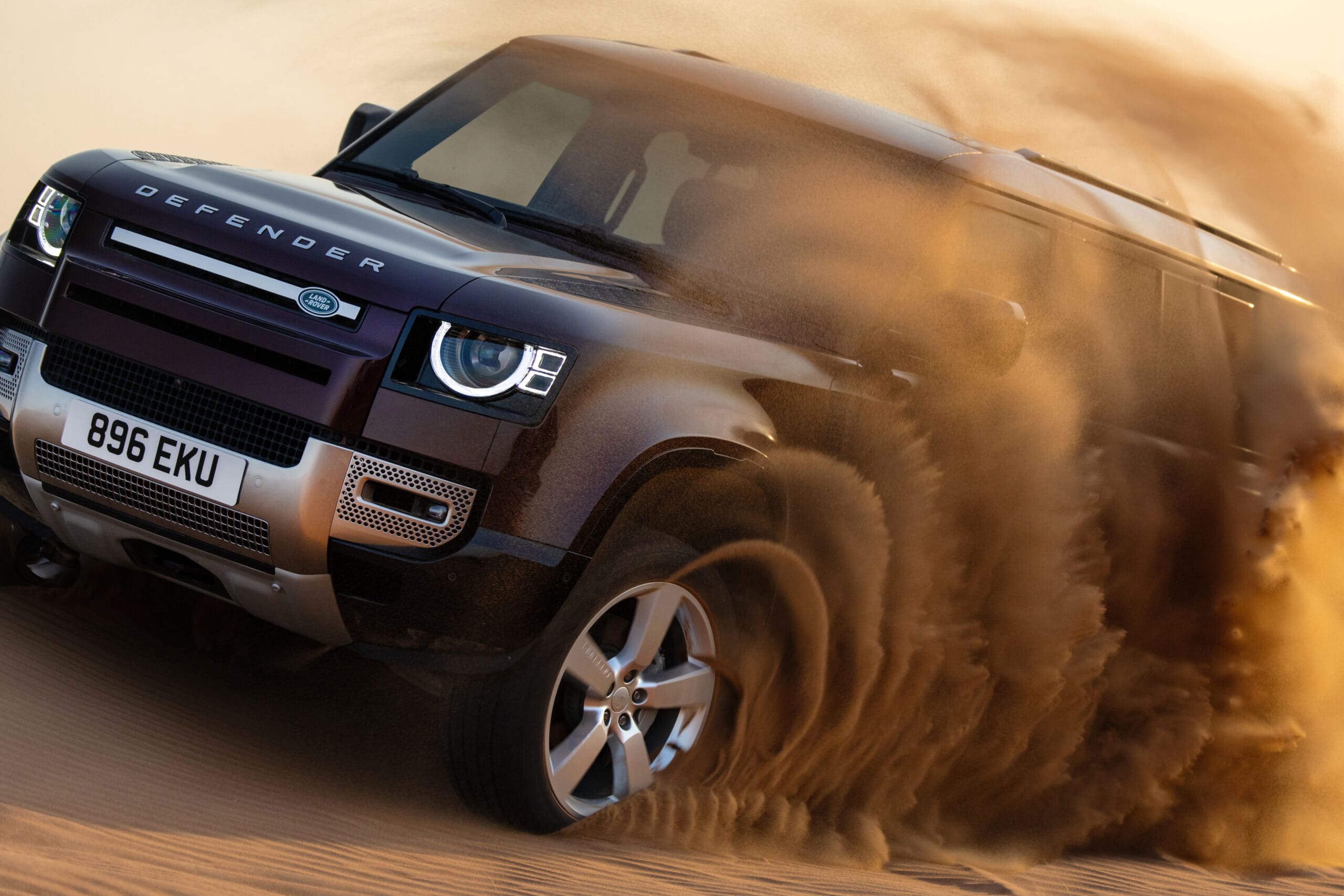
The global automotive industry is facing mounting pressure from several directions simultaneously. Manufacturers must contend with intense competition from both established brands and a growing number of Chinese automakers, many of which are entering international markets with competitively priced vehicles and rapidly advancing technology. At the same time, tariffs and shifting trade policies have increased costs and complicated global supply chains, forcing manufacturers to rethink production locations and sourcing strategies. Jaguar Land Rover (JLR) has revealed plans to develop a new Defender model for the United States using a platform sourced from Stellantis, a move that could significantly reshape the future of one of the company’s most important vehicles in its largest market. The connection carries an interesting historical symmetry. The original Land Rover, introduced in 1948, was heavily influenced by the wartime Willys Jeep, which demonstrated the value of a simple, durable four-wheel-drive utility vehicle.The announcement was made by JLR Chief Executive Officer PB Balaji as part of a broader strategy aimed at expanding the company’s presence in North America and reducing exposure to import tariffs.

The proposed vehicle would not replace the current Defender range sold globally but would instead be developed specifically for American buyers. While few technical details have been released, the project represents an unusual collaboration between two major automotive groups. JLR and Stellantis entered into a strategic partnership in 2025 focused on vehicle platforms and electrification technologies, and the Defender initiative appears to be one of the most significant outcomes of that relationship to date.
The current Defender is built in Slovakia and imported into the United States. According to JLR, the company is exploring ways to reduce the impact of import tariffs while increasing production closer to one of its most valuable customer bases. The United States accounts for approximately 30 percent of JLR’s global sales, making it the company’s single most important market. Executives believe there is substantial room for growth, particularly among affluent buyers seeking premium SUVs with strong off-road credentials.
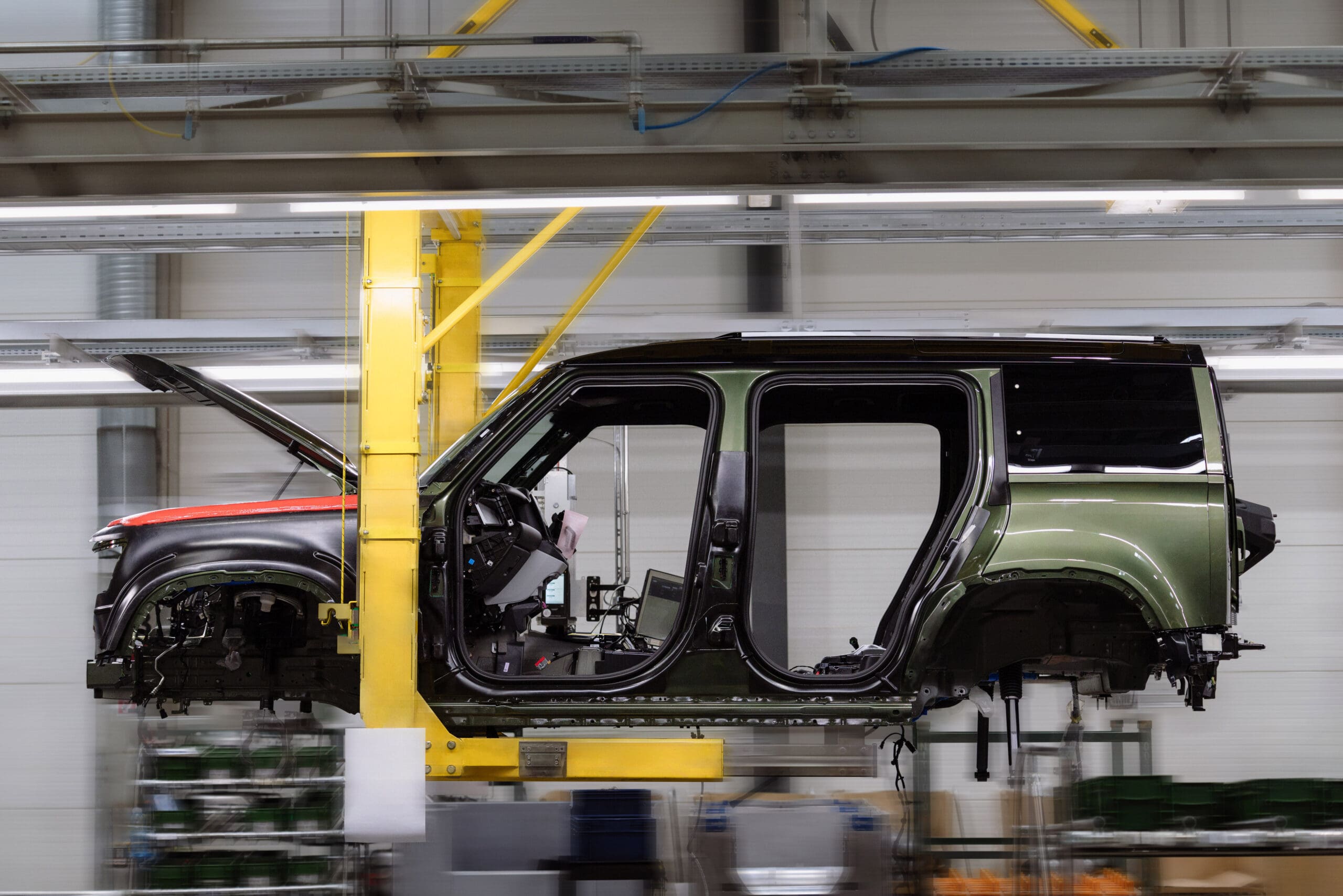
Industry observers have speculated that the new vehicle could be produced at one of Stellantis’ North American facilities, potentially alongside Jeep products. Reports suggest the Toledo, Ohio, assembly plant is among the locations being considered, although neither company has confirmed a manufacturing site. If production were to move to the United States, JLR would gain the advantage of avoiding tariffs while potentially increasing supply flexibility for North American demand.
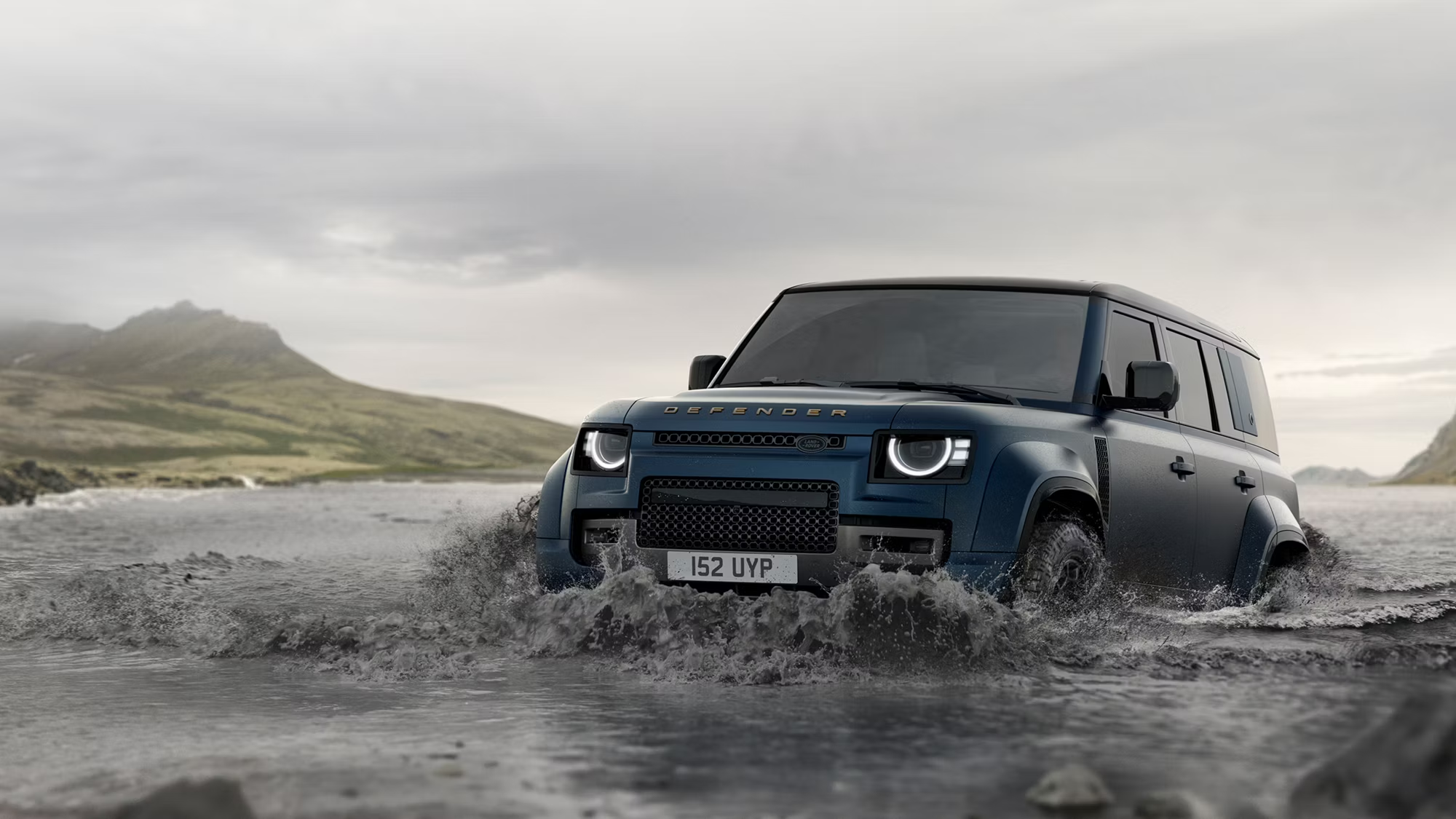
The announcement comes at a particularly interesting moment for the Defender brand. Since its relaunch in 2020, the modern Defender has become one of JLR’s strongest-performing products, helping transform the company’s profitability and global image. The vehicle has successfully balanced luxury, everyday usability, and genuine off-road capability, attracting buyers who may never have considered a Land Rover product in the past. The model’s popularity has been reinforced by the recent introduction of high-performance variants such as the Defender OCTA and the brand’s growing involvement in international motorsport.
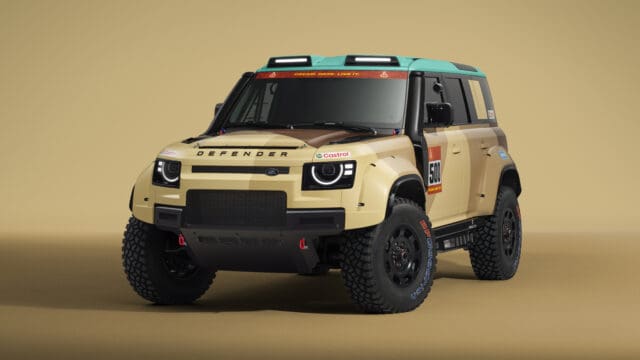
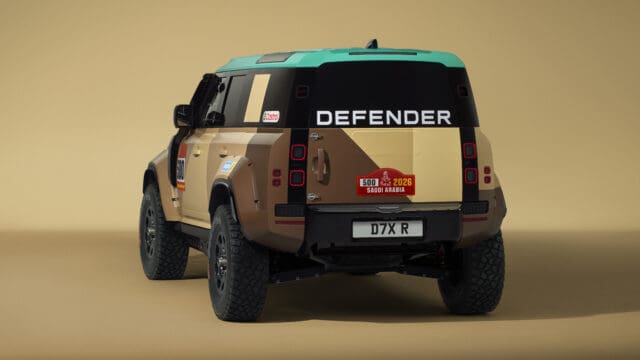
Defender’s off-road credentials have received additional attention through its factory-backed Dakar Rally program. The Defender Dakar D7X-R, based on the Defender OCTA platform, debuted in the 2026 Dakar Rally and secured victory in the Stock category, demonstrating the capability of a vehicle closely related to the production model. The success has helped strengthen Defender’s reputation as a serious off-road brand rather than simply a luxury SUV.
At the same time, JLR has adjusted its broader product strategy to reflect changing market conditions. The company recently announced plans to continue investing in gasoline and hybrid vehicles alongside electric models, acknowledging that customer demand for fully electric SUVs has not developed as rapidly as many manufacturers anticipated. This shift is particularly relevant in the United States, where larger SUVs and trucks continue to dominate sales and where hybrid powertrains are gaining acceptance among buyers seeking improved efficiency without sacrificing range or towing capability.
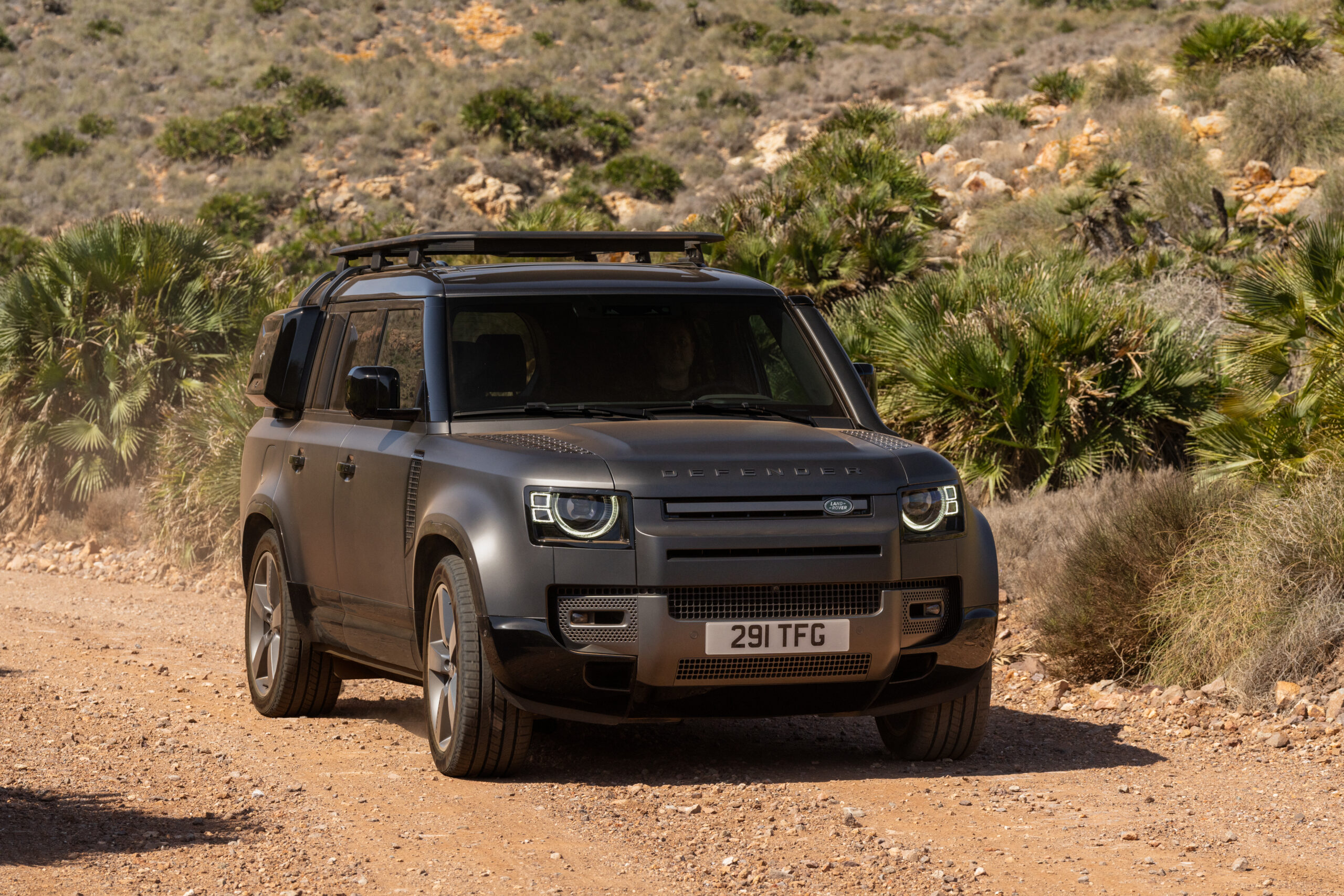
For Defender enthusiasts, the prospect of a Stellantis-based model will likely generate mixed reactions. Traditionalists may question whether a vehicle sharing architecture with a Stellantis product can retain the character that has defined Defender for decades. Others may view the partnership as a practical solution that allows JLR to expand its presence in North America while maintaining competitive pricing and production volumes.
Much remains unknown about the project, including its final design, powertrain options, and launch timeline. However, the announcement signals that JLR views the United States as central to its future growth plans and is willing to pursue unconventional partnerships to strengthen its position. If the project proceeds, it could become one of the most significant developments in the Defender story since the launch of the current generation, creating a uniquely American interpretation of one of the world’s most recognizable off-road vehicles.
Read More: Overland News of the Week
Our No Compromise Clause: We do not accept advertorial content or allow advertising to influence our coverage, and our contributors are guaranteed editorial independence. Overland Collective may earn a small commission from affiliate links included in this article. We appreciate your support.
