

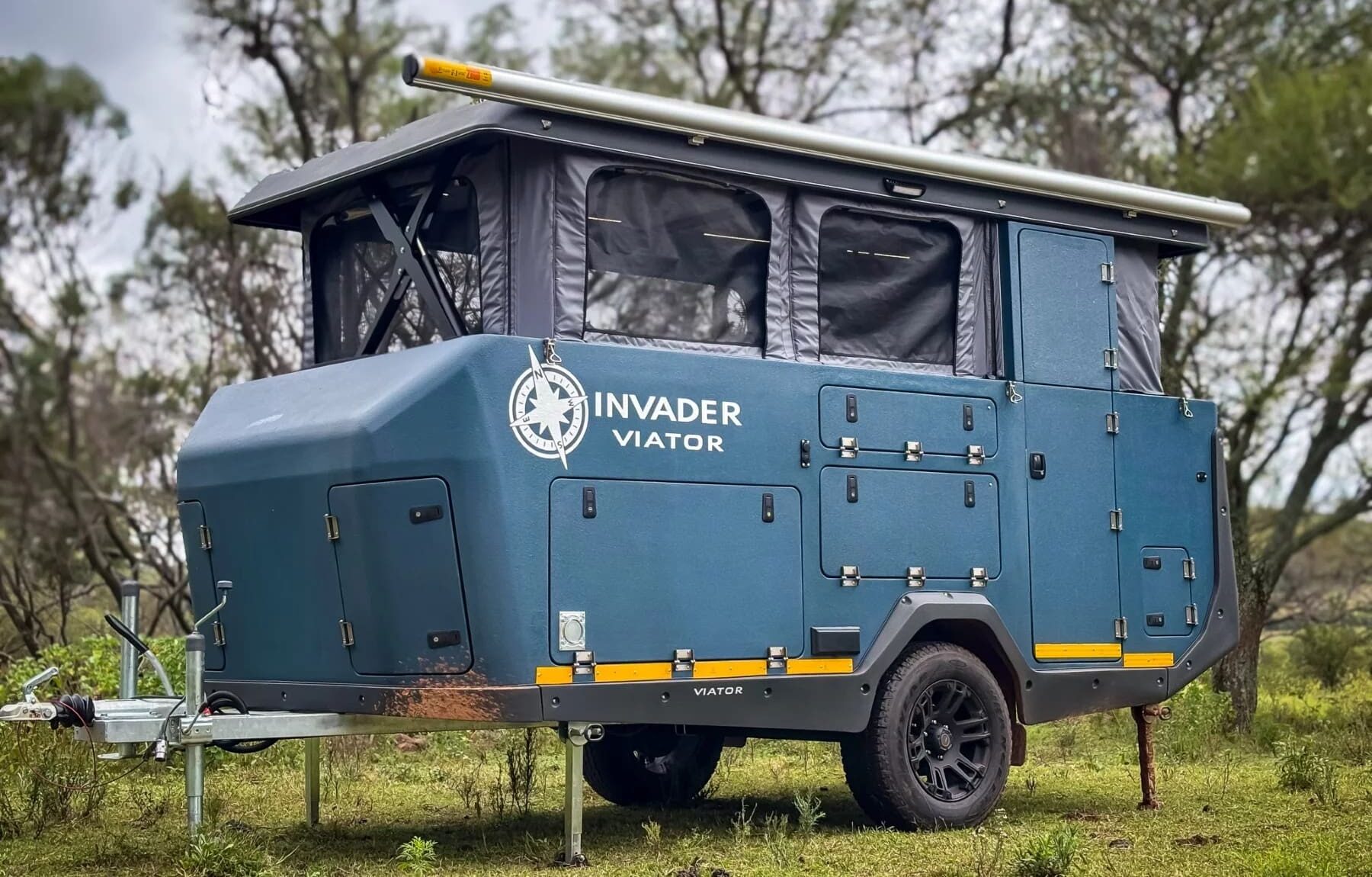
We recently published a Pop-top and Expandable Living Buyers’ Guide, which provided a useful opportunity to review the market and assess the range of available camper trailers, along with their features, strengths, and compromises. That exercise reinforced my view that a pop-top remains one of the most effective solutions for long-distance overland travel, offering a well-considered balance of simplicity, durability, and livability.

The Invader Viator recently caught my eye, partly because its color closely matches my own Land Rover camper, but more importantly because it adopts a similar pop-top concept—without the familiar Land Rover quirks. Cape Town-based manufacturer Invader Off-Road Campers has introduced the Viator as a new addition to its growing range of rugged towable campers. Positioned as a more refined and upmarket offering within the brand’s lineup, the Viator reflects a continued shift toward blending traditional off-road durability with increased comfort and convenience for long-distance travel.
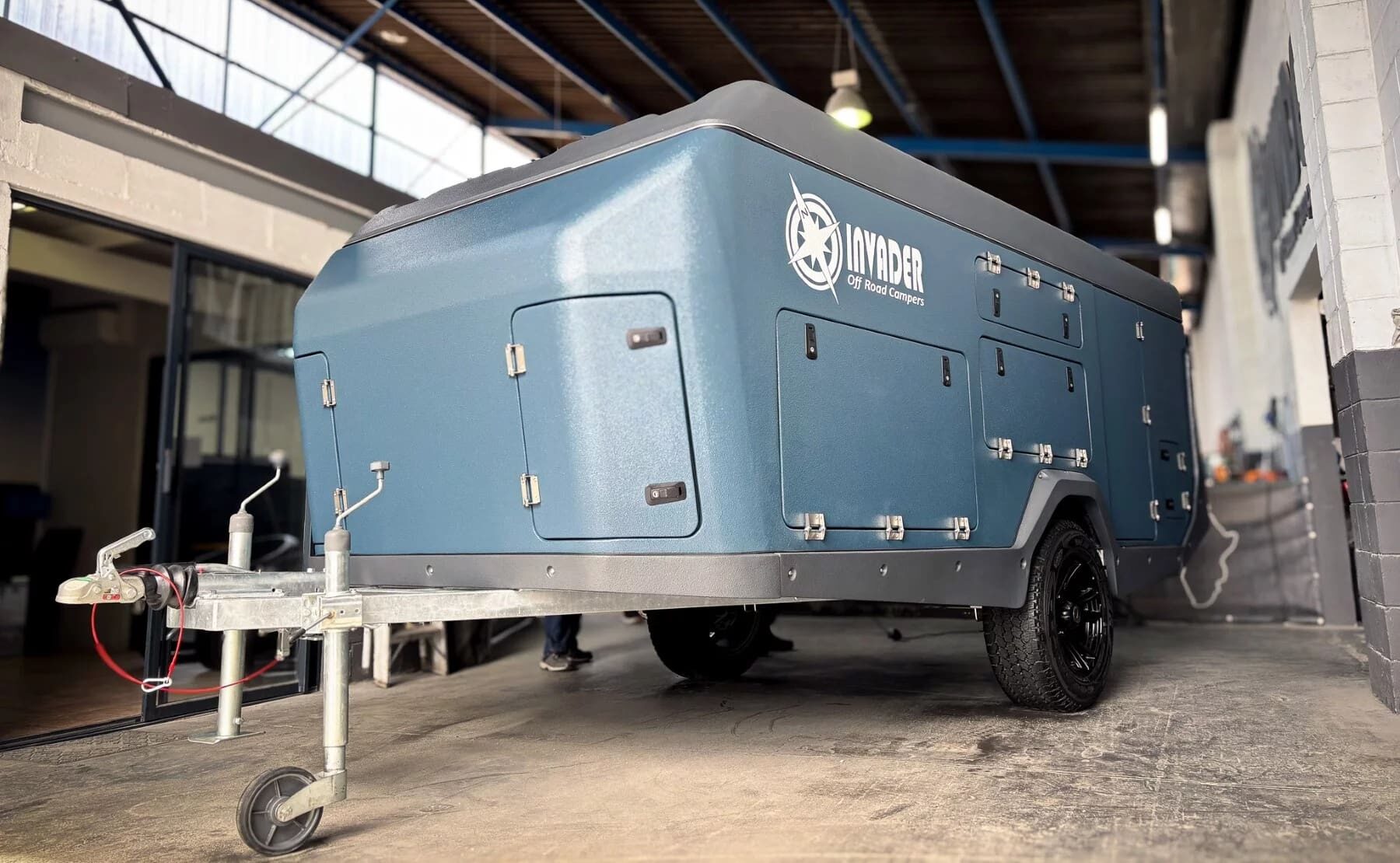
The Invader range has historically been built around a simple concept: delivering the space and amenities of a caravan in a compact, off-road-capable trailer. That formula remains intact with the Viator, but the new model appears to push further into the “luxury overland” segment, where expectations around ease of use, interior finish, and onboard systems are steadily increasing.
At its core, the Viator follows the same philosophy seen across the brand’s existing Duo and Quattro platforms. A lightweight, hand-laminated fiberglass body is paired with a robust chassis designed to handle rough terrain without excessive complexity. This construction approach has become something of a hallmark for Invader, offering a balance between durability and manageable towing weight—an important consideration for travelers operating mid-size 4WD vehicles.
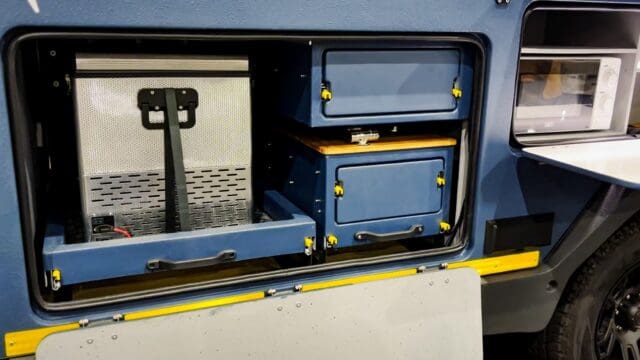

Where the Viator distinguishes itself is in its emphasis on refinement. Invader describes it as representing a “new era of luxury,” suggesting a more polished interior environment and an upgraded living experience compared to earlier models. While detailed specifications remain limited, the broader Invader design language provides insight into what buyers can expect. Typically, these campers integrate a full exterior kitchen with gas cooking, water systems, and organized storage, alongside interior sleeping arrangements that avoid the compromises often associated with smaller trailer tents.
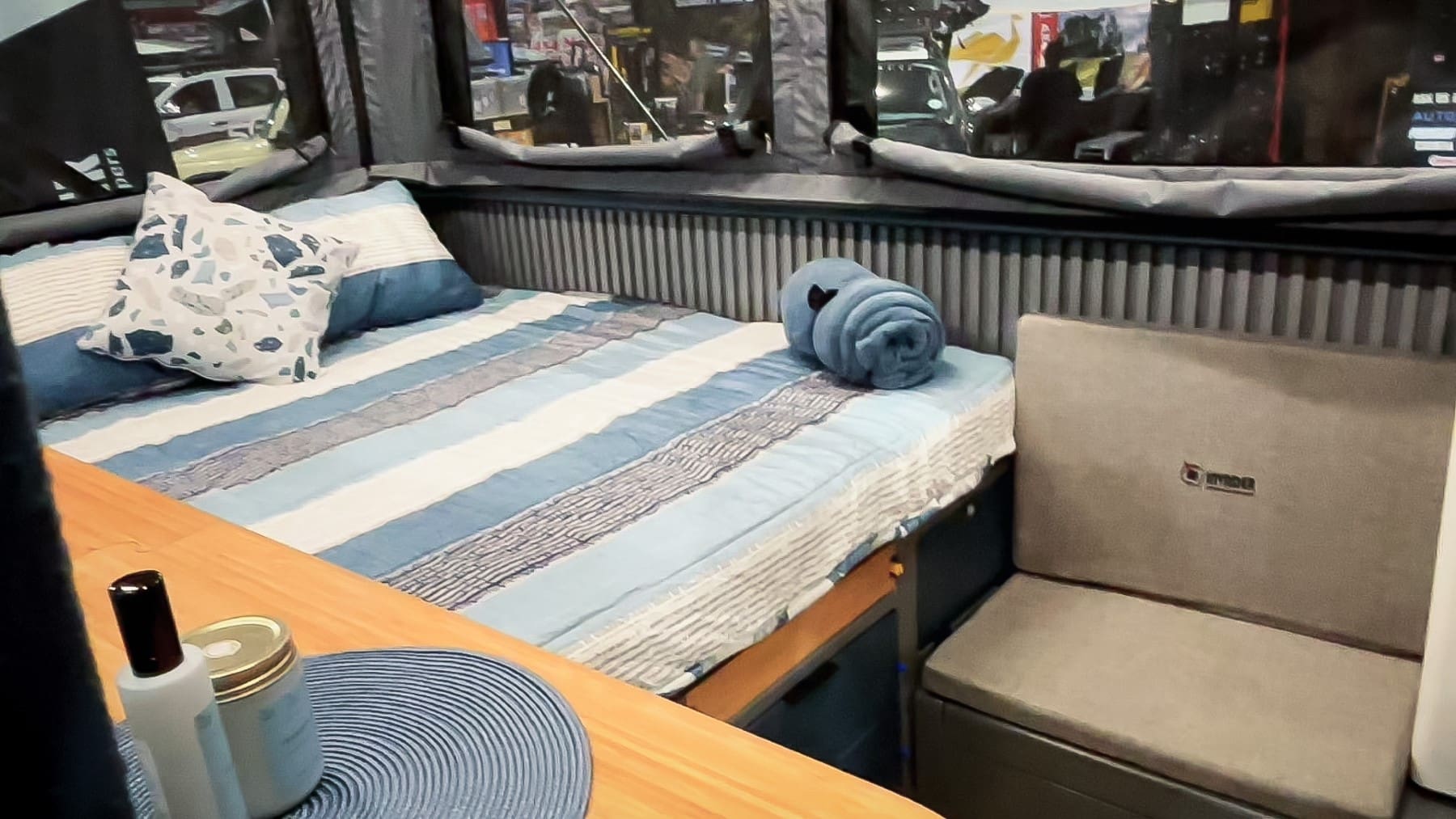
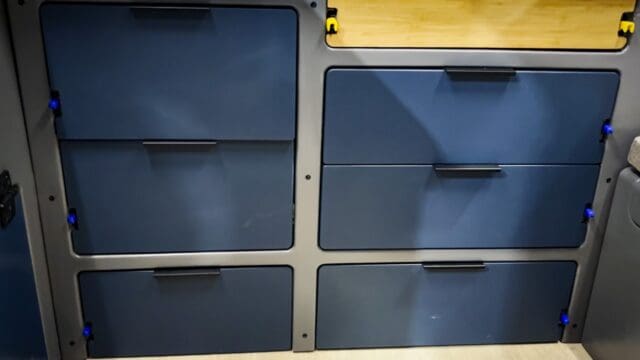

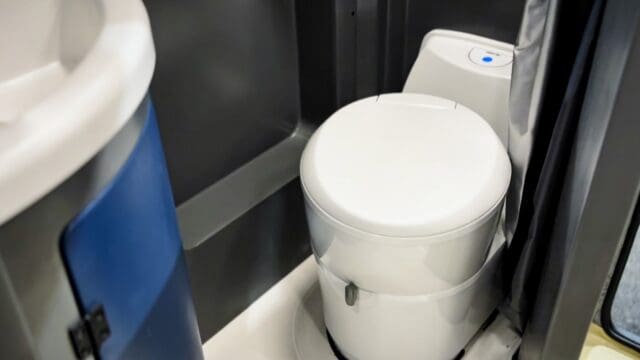
Interior comfort is a defining aspect of the Invader concept and is centered around a queen-size bed and a spacious en-suite bathroom that includes a large shower, vanity basin, and cassette toilet. Living space is supported by fold-out bench seating and an interior table, while premium wood finishes and paneling contribute to a more refined feel. Ample storage throughout the cabin ensures practicality for extended travel.


In practical terms, this means the Viator is likely to appeal to travelers seeking a relatively compact footprint on the road while maintaining a comfortable base camp once deployed.
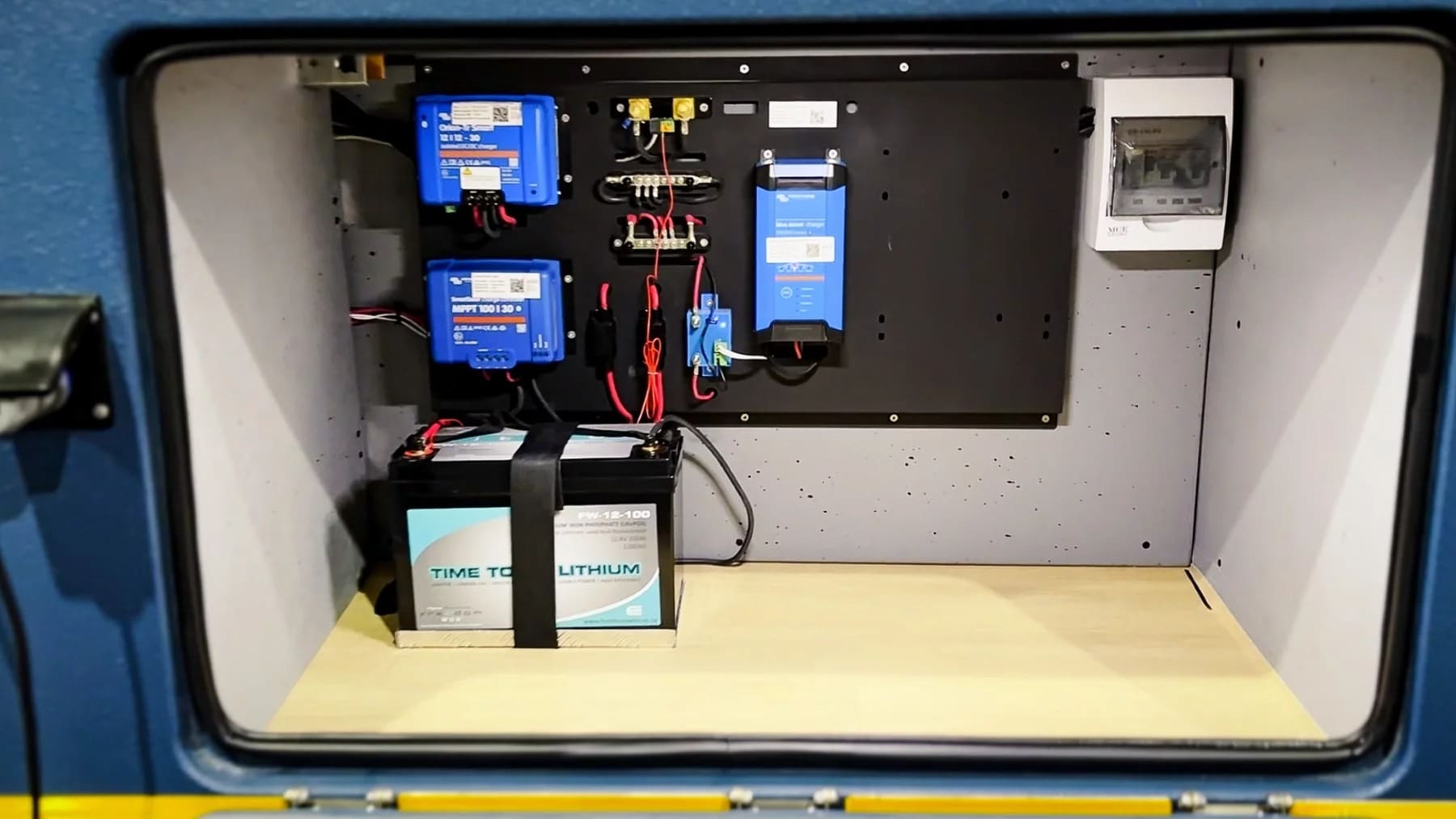
The electrical system is centered around a 100- or 108-amp-hour lithium battery, supported by a Victron DC-DC charger for charging while driving and a Victron solar controller for off-grid energy input. Battery performance and protection are managed by Victron’s smart monitoring system, while a 30-amp mains charger enables shore power charging when available. A dedicated vehicle charging harness is also included, ensuring efficient integration with the tow vehicle’s electrical system.
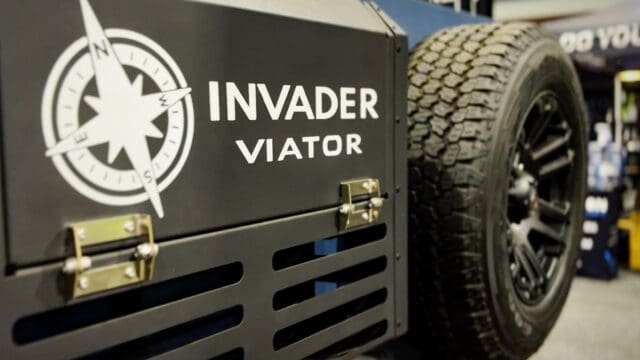
Off-road capability remains central to the platform. Invader campers are built on a galvanized ladder-type chassis system with heavy-duty axles and leaf-spring suspension, paired with all-terrain tires and high-clearance couplers. This setup is designed to cope with the corrugations, sand, and rocky tracks commonly encountered across Southern Africa and similar environments. While not intended to replace a dedicated expedition trailer with independent suspension, the configuration has proven to be robust, serviceable, and relatively easy to maintain in remote regions.

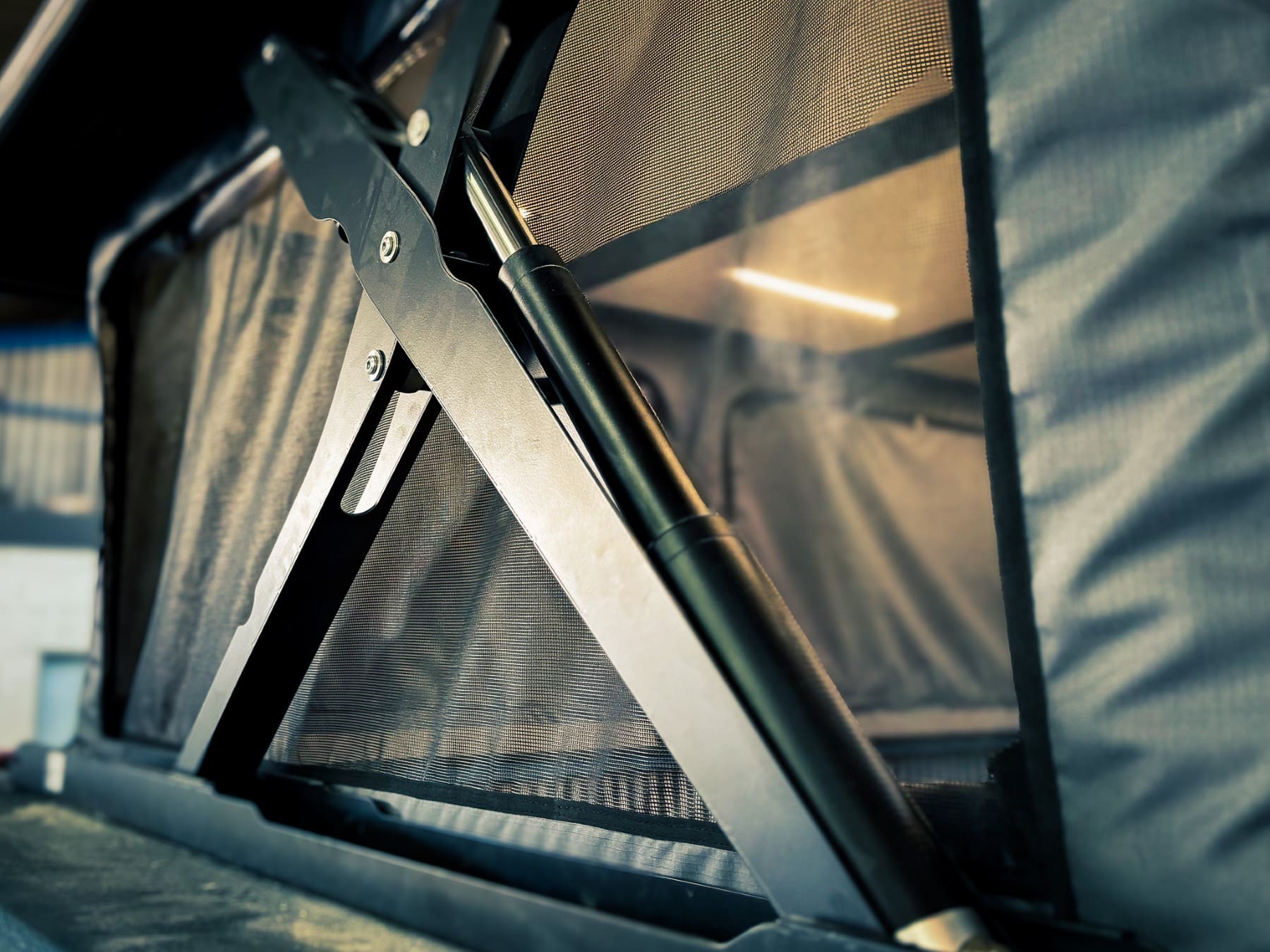
From a usability perspective, one of the brand’s strengths has been its straightforward setup process. Assisted roof-lifting systems allow the camper to transition from travel mode to living space in a matter of minutes. This is particularly relevant for travelers covering long distances or moving camp frequently, where simplicity and speed can significantly improve daily comfort.
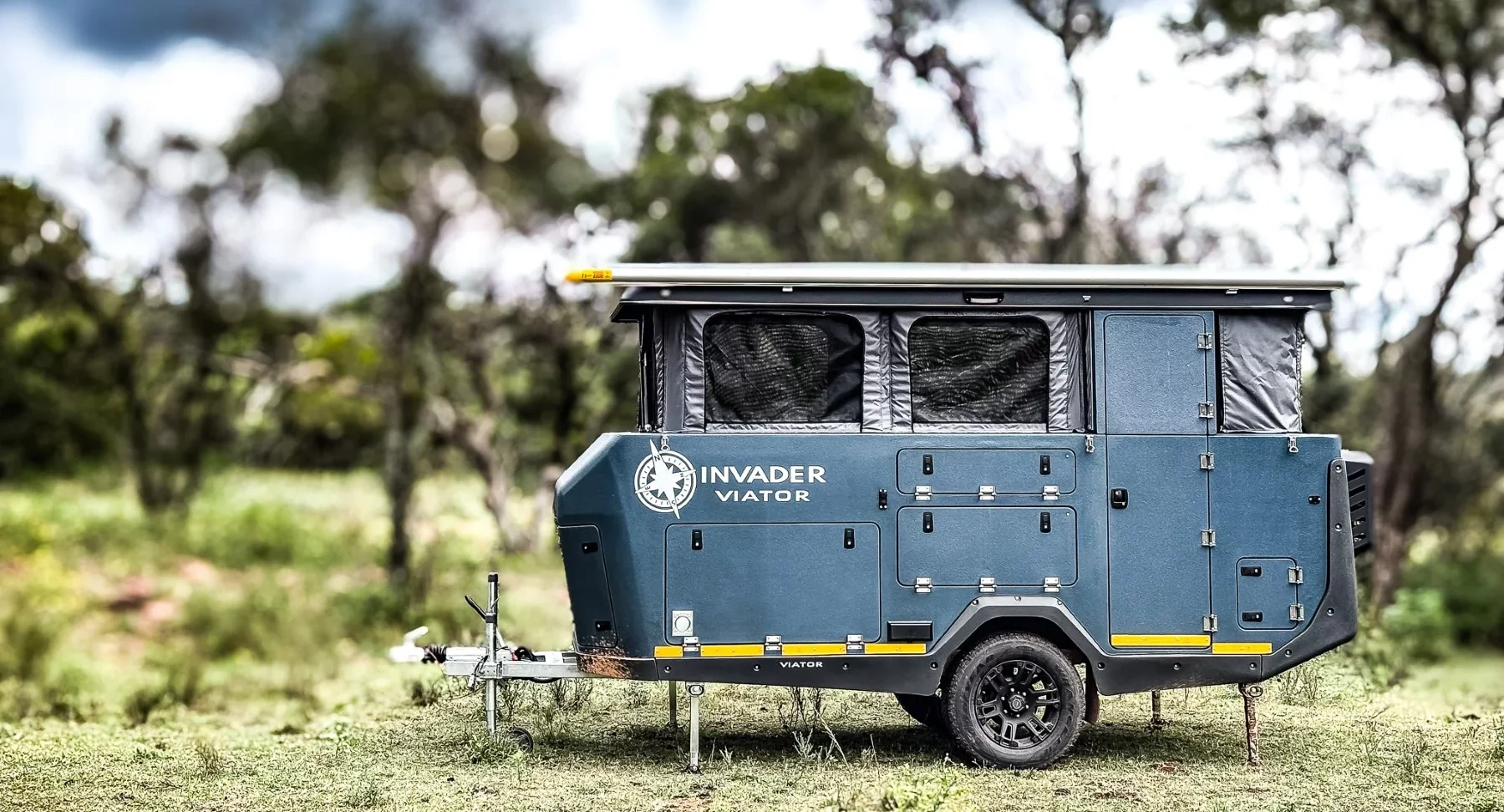
While pricing and full technical details for the Viator have not yet been widely published, it is estimated to be available for around $30,000 USD and is currently only offered in South Africa.
Read More: Overland News of the Week
Our No Compromise Clause: We do not accept advertorial content or allow advertising to influence our coverage, and our contributors are guaranteed editorial independence. Overland International may earn a small commission from affiliate links included in this article. We appreciate your support.
