

Back in the early 2000s, my father-in-law—encouraged by my enthusiasm for Land Rovers—decided to buy one for himself. He settled on a Freelander, which would not have been my first choice. While it was a stylish and comfortable vehicle, old Andre was less than satisfied, both with the car and, by extension, with me for promoting the brand. The Freelander proved unreliable, and spare parts were costly. “You should have bought a Defender,” I told him. He was unimpressed.
It raises an interesting question: what would he have made of this new electric Freelander? He likely would have appreciated the absence of a fuel bill, but reliability and resale value mattered most to him. As with the original, only time will tell whether this distant Asian relative can move beyond the divisiveness that once defined the Freelander name.

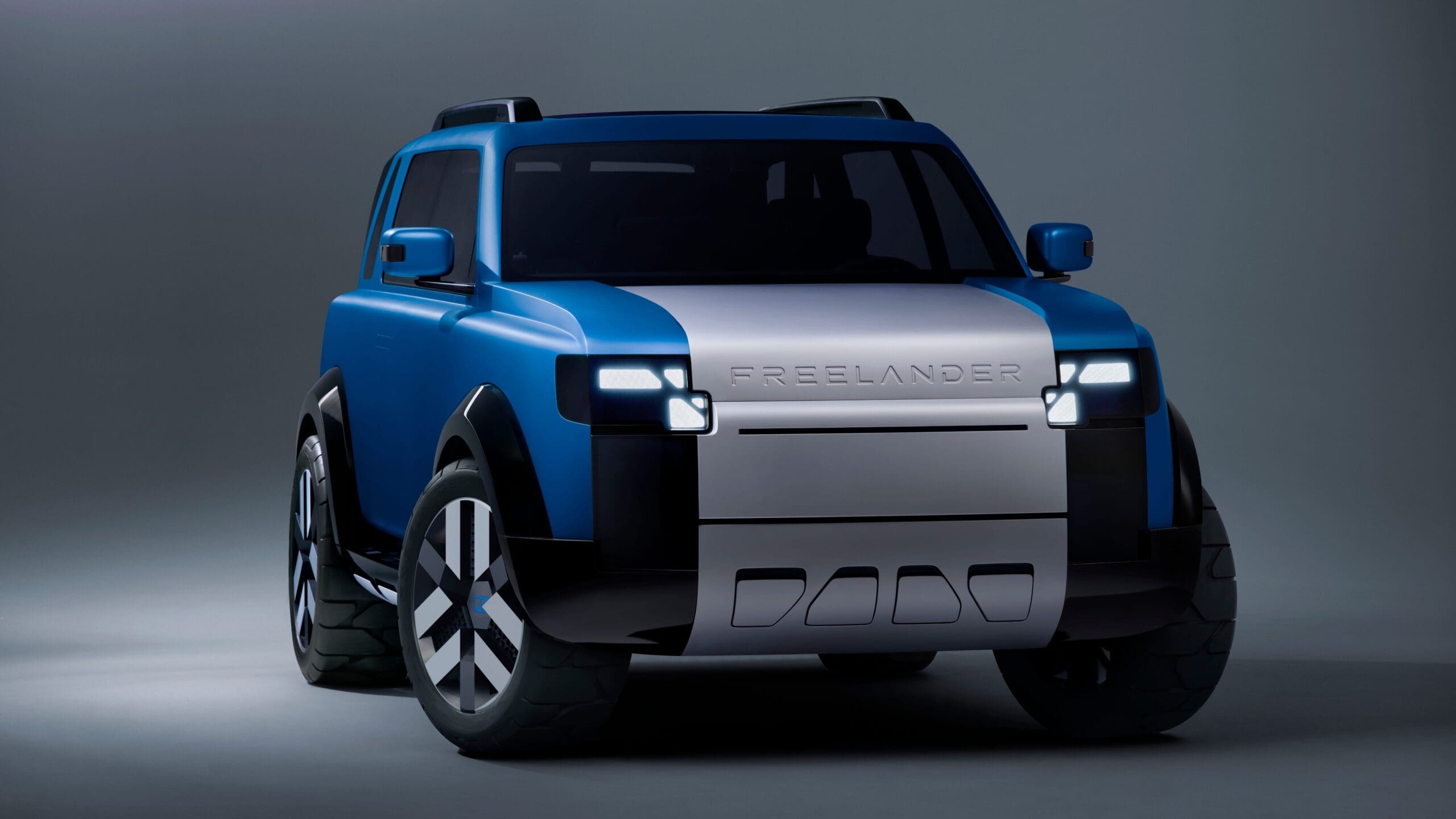
That Freelander name, long associated with accessible Land Rover ownership, has returned in an entirely new form with the unveiling of the Freelander Concept 97. Rather than a revival of the compact SUV that was produced from 1997 to 2015, this latest interpretation introduces a full-size, three-row electric SUV developed through a collaboration between Jaguar Land Rover (JLR) and Chinese manufacturer Chery. The concept represents the launch of a standalone Freelander brand positioned as a technology-focused electric vehicle line.
The Concept 97 serves as a preview of a production model expected to arrive later in 2026. It signals a strategic shift in how legacy automotive names are being reinterpreted for the electric era, particularly within the Chinese market, where demand for large, technology-rich SUVs continues to grow. The new Freelander brand will sit outside JLR’s traditional “House of Brands” structure, allowing it to operate with a distinct identity while still benefiting from Land Rover design influence.
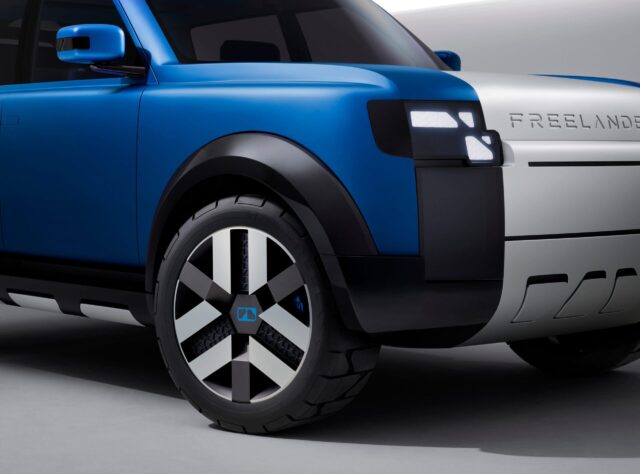
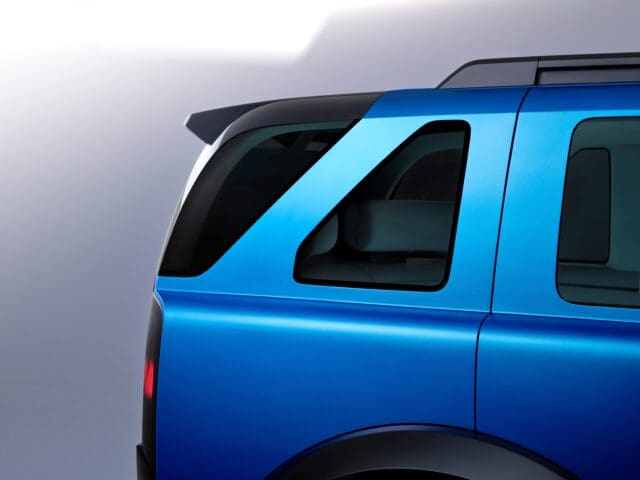
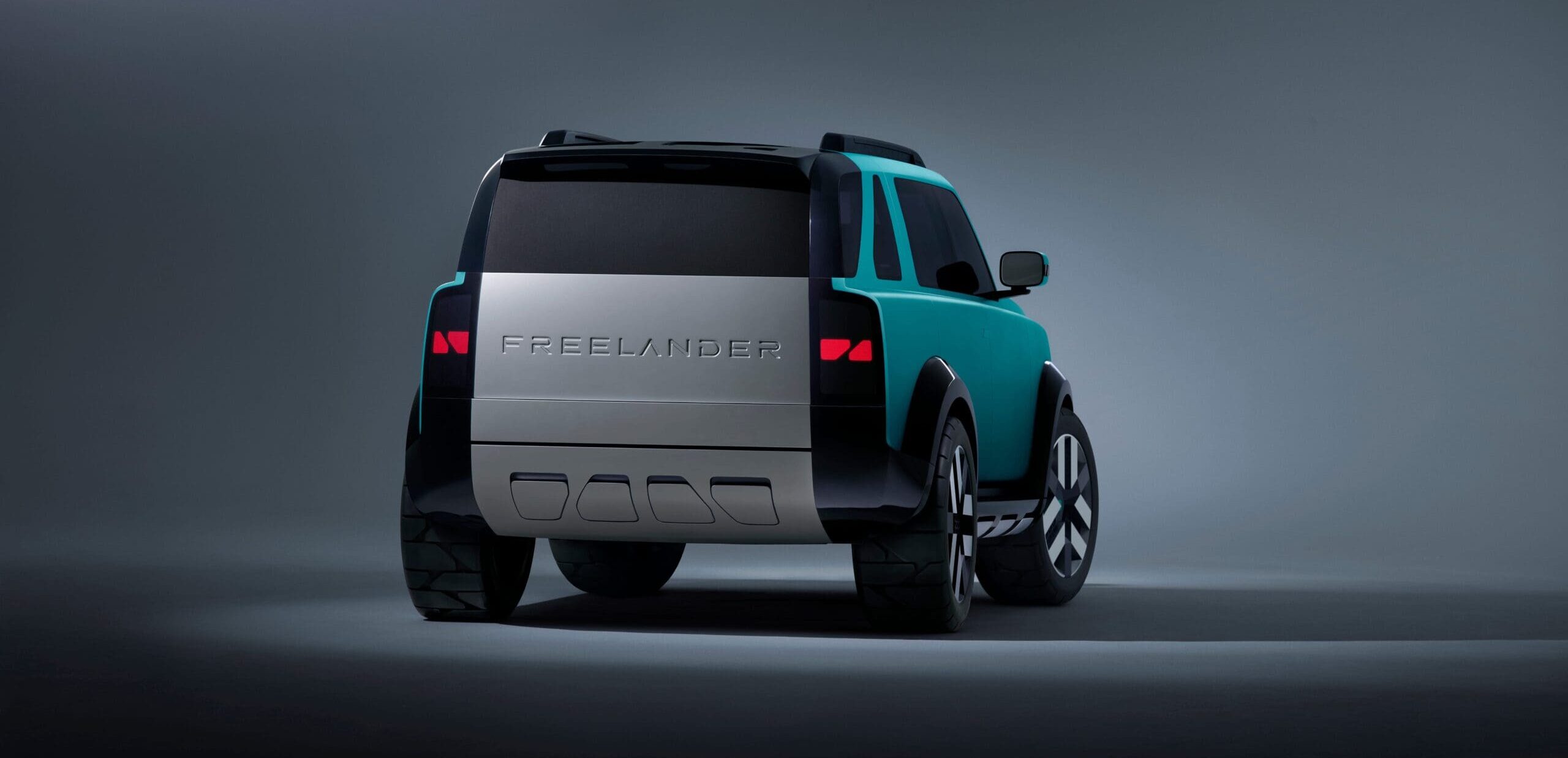
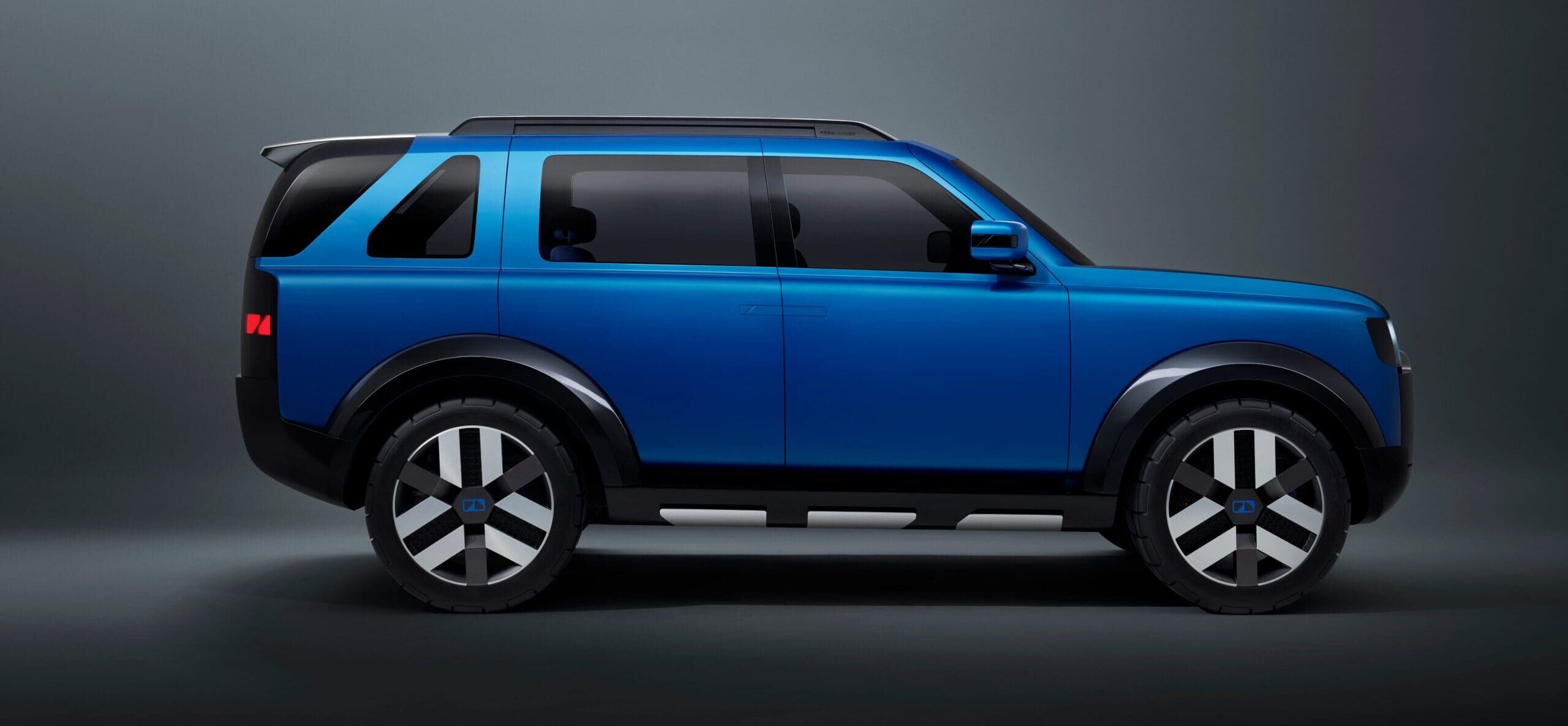
Visually, the Concept 97 draws heavily on the original Freelander for inspiration, albeit at a much larger scale. The upright stance, squared-off proportions, and distinctive D-pillar window shape reference the 1997 model, while modern elements such as flush surfaces and integrated lighting bring the design into line with contemporary electric SUVs. The result is a vehicle that balances heritage cues with a more global, future-facing aesthetic.
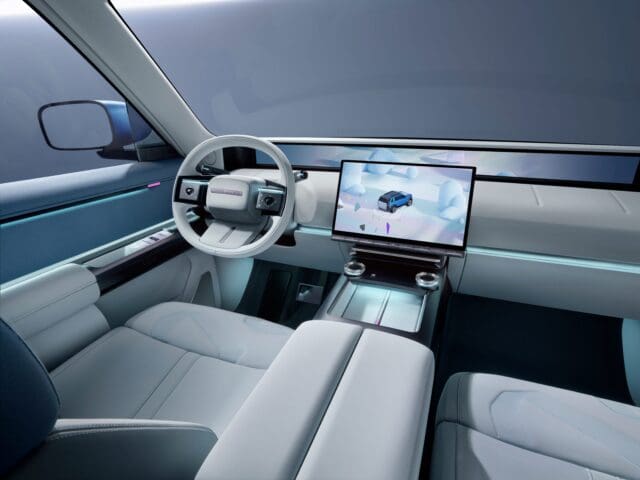
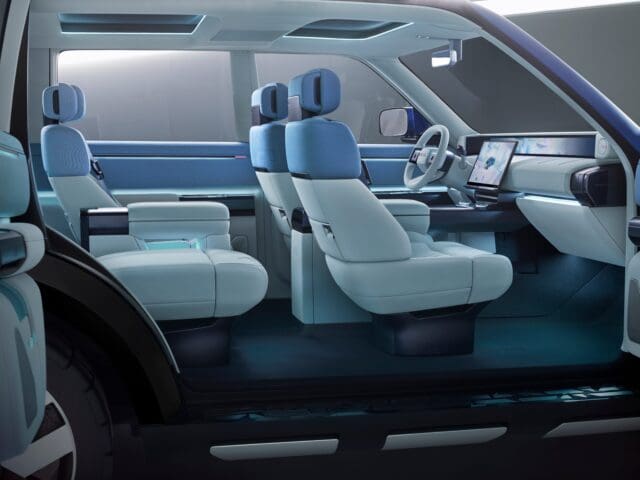
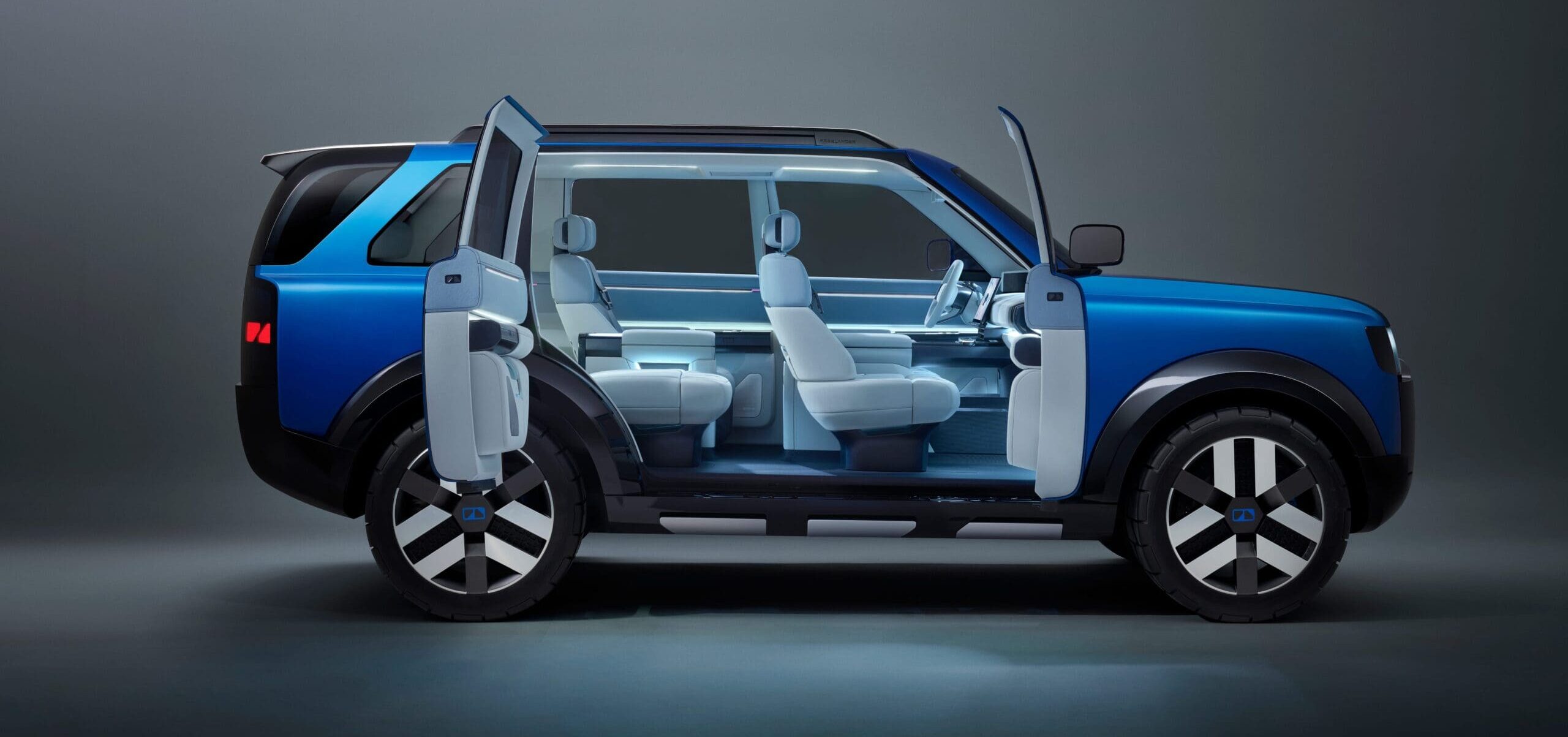
Inside, the concept adopts a technology-led approach typical of new Chinese-market vehicles. A wide, pillar-to-pillar display dominates the dashboard, complemented by a large central touchscreen and minimal physical controls. The cabin is configured with three rows of seating for up to six occupants, emphasizing comfort and space rather than utilitarian design. Early indications suggest that much of this layout will carry through to production, positioning the Freelander as a family-oriented SUV with a strong focus on connectivity and digital integration.
Under the skin, the Concept 97 is built on a new dedicated architecture rather than an existing Chery platform, highlighting the importance of the model within the joint venture’s future plans. Powertrain details remain limited, but the vehicle is expected to be offered in multiple electrified configurations, including battery electric, range-extended electric, and plug-in hybrid variants. Batteries will be supplied by CATL, one of the world’s largest EV battery manufacturers, while output figures are expected to reach over 500 horsepower in certain configurations.
The Concept 97 integrates Huawei’s Qiankun advanced driver assistance system, which works in conjunction with LiDAR sensors to enable high-level semi-autonomous driving functions. Additional systems, such as predictive suspension and intelligent all-wheel-drive control, suggest that the vehicle has been engineered with a degree of off-road capability in mind, although its primary focus appears to remain on comfort and on-road refinement.
The creation of the Freelander brand reflects a broader industry trend in which established Western marques partner with Chinese manufacturers to accelerate electrification and reduce development costs. In this case, Chery provides the underlying engineering and manufacturing expertise, while JLR contributes design direction and brand heritage. The result is a product that blends elements of both companies, though it will not carry traditional Land Rover badging.
Production of the first Freelander model is expected to take place in China, with initial sales focused on that market before potential global expansion. While pricing and detailed specifications have yet to be confirmed, the Concept 97 indicates that the new Freelander will occupy a space between mainstream and premium electric SUVs, targeting buyers who prioritize technology, interior space, and modern design.
Read More: Overland News of the Week
Our No Compromise Clause: We do not accept advertorial content or allow advertising to influence our coverage, and our contributors are guaranteed editorial independence. Overland International may earn a small commission from affiliate links included in this article. We appreciate your support.
