

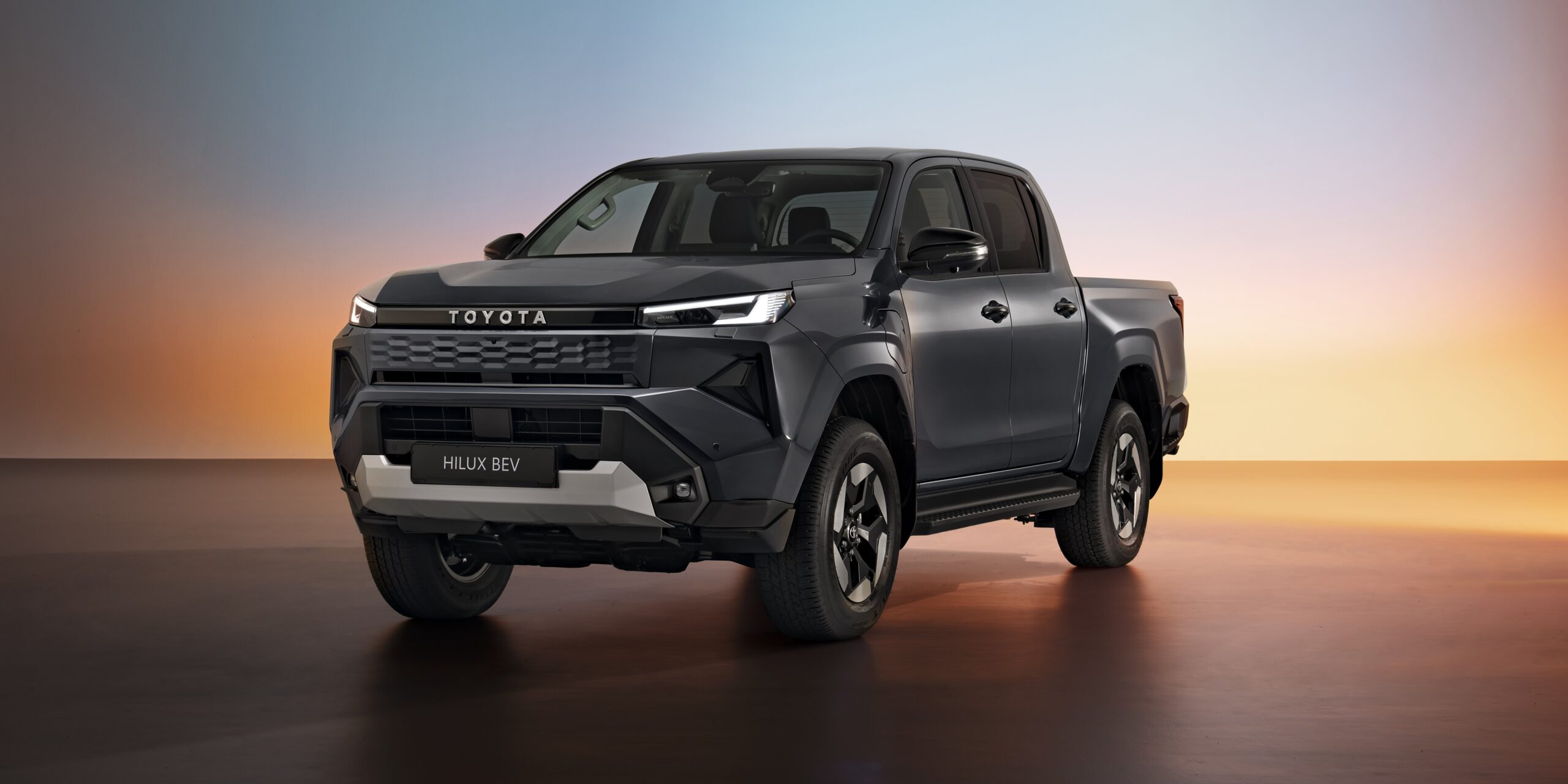
Toyota has presented the all-new ninth-generation Hilux at the 2026 Brussels Motor Show, marking the pickup’s first official European appearance since its global unveiling. This moment continues a journey that has seen more than 27 million Hilux vehicles sold worldwide, underscoring its long-standing role in markets that value durability and adaptability. Globally, reactions have been largely positive toward the model’s evolution and refinement, with many acknowledging that Toyota has thoughtfully modernised its flagship pickup. At the same time, a growing chorus suggests the new Hilux falls short of a dramatic reinvention, particularly in a segment that has become increasingly crowded and competitive. To be fair, evolution is often more dependable than revolution, and it is hardly surprising that Toyota has chosen to protect its reputation for reliability and steady performance rather than rush headlong into unproven technology.
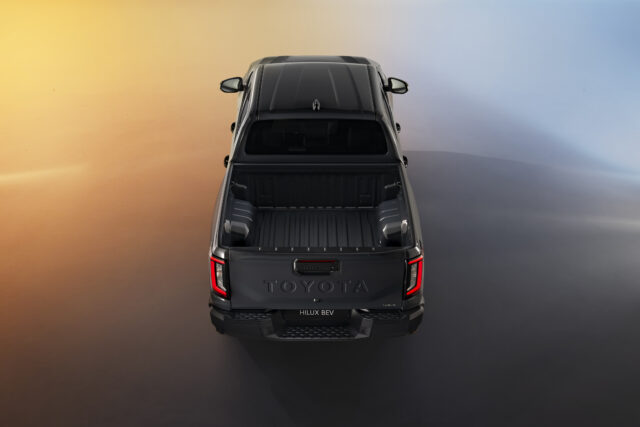
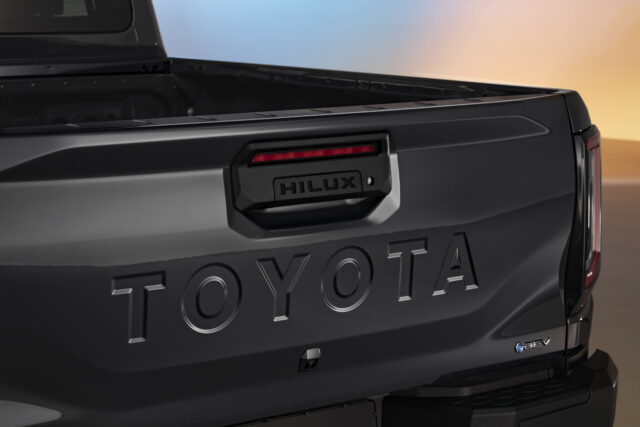
The new Hilux remains grounded in the qualities that have defined the series—reliability, toughness, and practical capability—while also extending the range of options available to customers. For the first time in the model’s history, Toyota is offering a battery-electric version alongside an electrified diesel option. This expanded powertrain strategy reflects Toyota’s multi-path philosophy, which aims to address a diverse set of customer needs and regional regulatory environments. This is welcome news for European overlanders living in cities where low-emission vehicles are permitted, and fossil-fuel vehicles are restricted or banned.
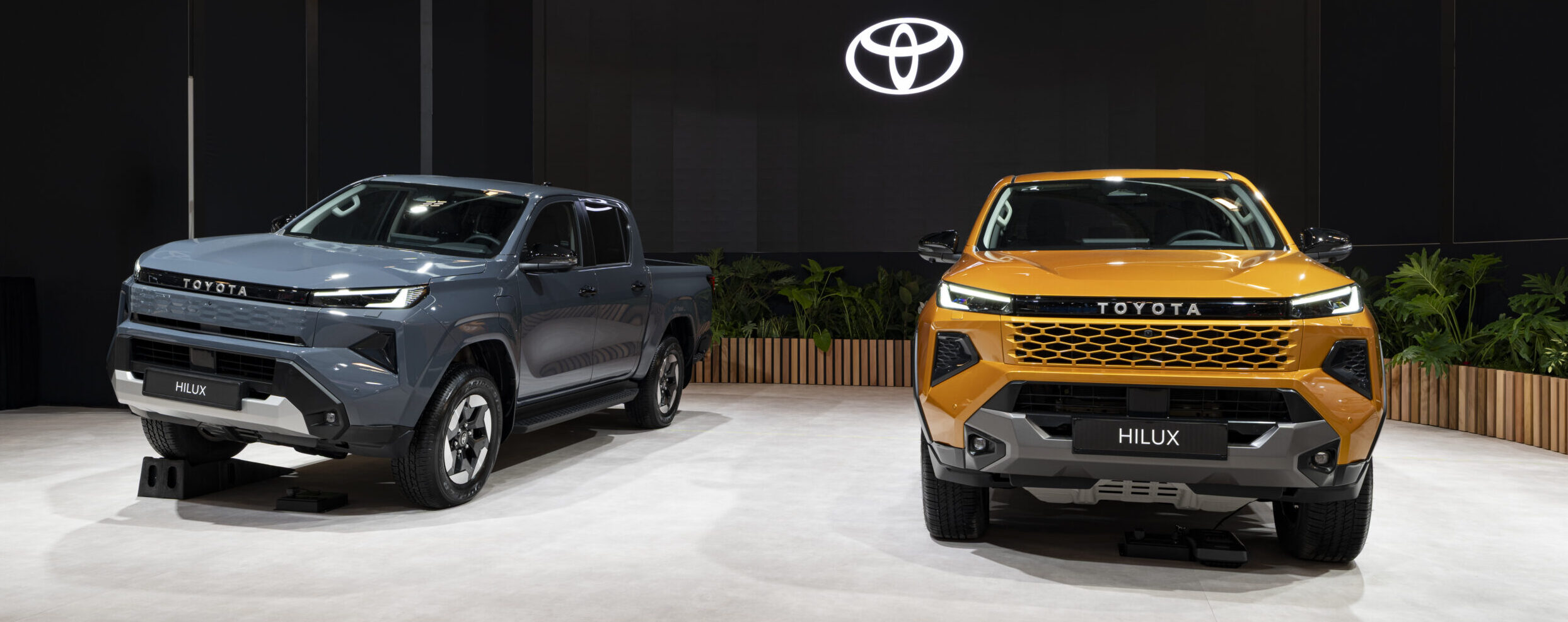
On display in Brussels were two electrified variants: one with a 2.8-liter diesel engine paired with a 48-volt hybrid system, and a fully electric Hilux powered by a 59.2-kilowatt-hour lithium-ion battery with front and rear eAxles. The hybrid diesel variant is expected to be the primary seller in European markets, with deliveries commencing in mid-2026. Toyota indicated that other versions, such as petrol and diesel combustion engines for specific regions, will also be available as required by local conditions.
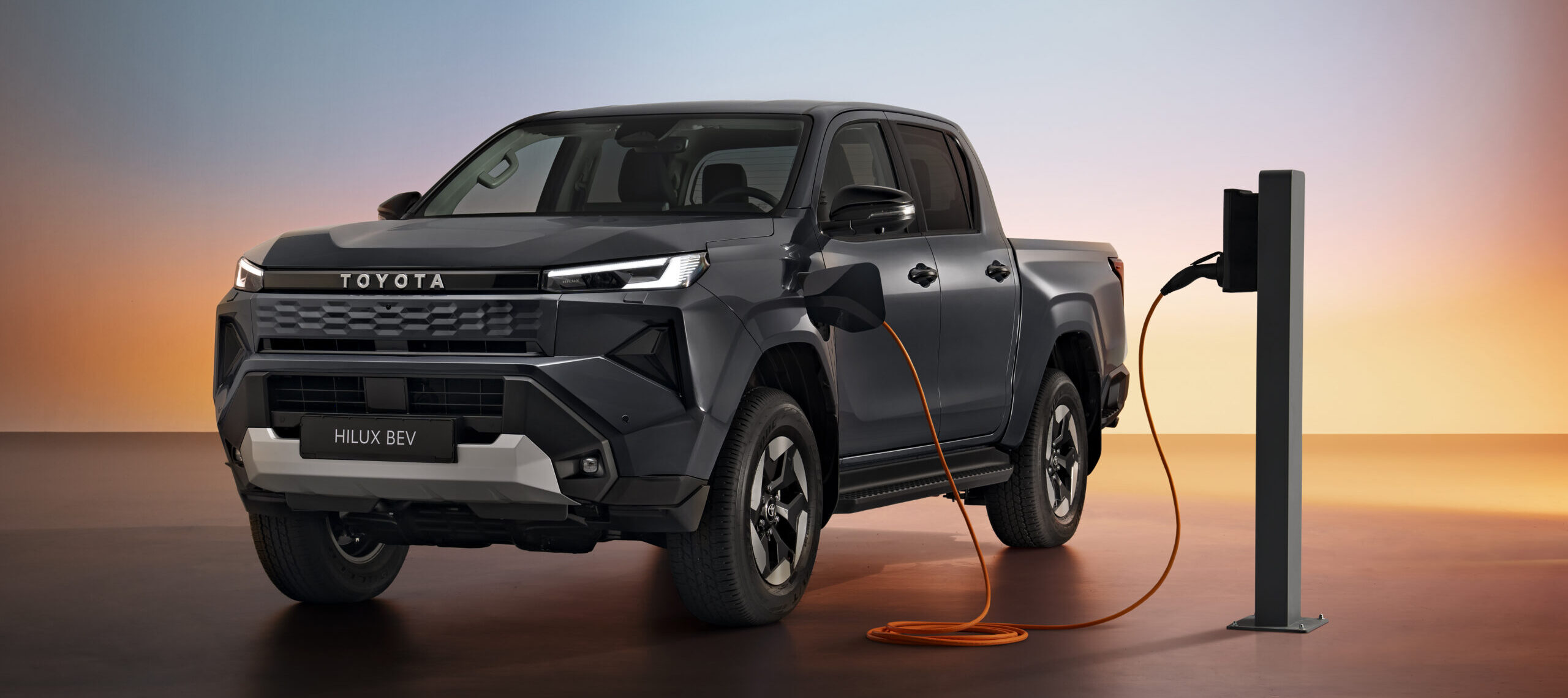
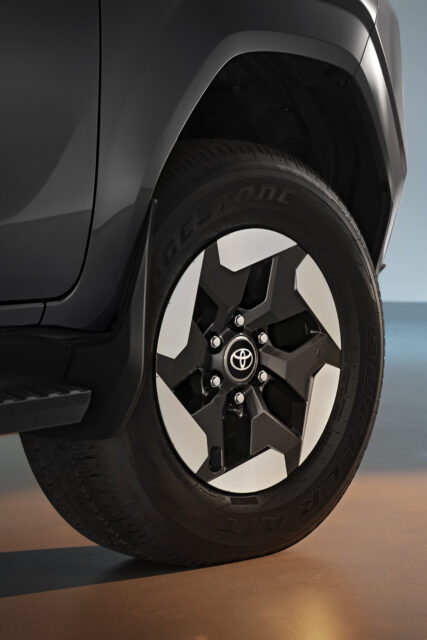
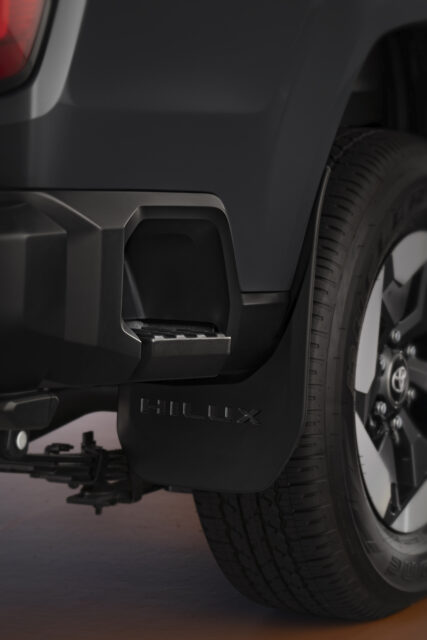
The electric Hilux represents a significant shift for the model. Toyota has engineered the battery electric version to retain the structural integrity and off-road capability associated with the Hilux nameplate. It uses permanent all-wheel drive and is designed to deliver consistent performance across a variety of driving conditions. Although full homologation figures may vary by market, preliminary data suggest a combined driving range sufficient for practical use in urban and rural settings.
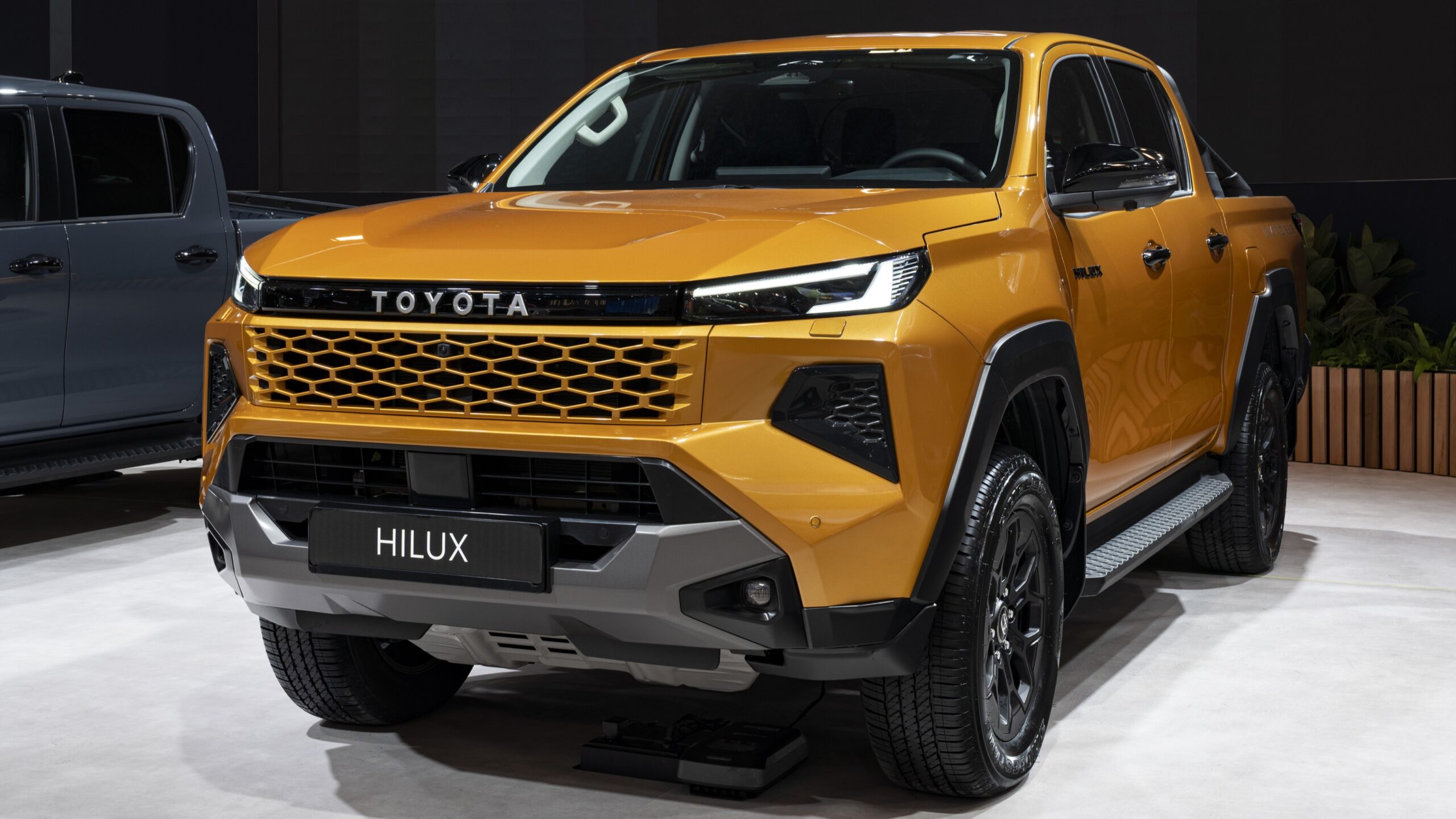
Both electrified variants of the Hilux share a body-on-frame architecture that has been a hallmark of the series. This construction method contributes to sturdiness and resilience, traits valued by commercial and recreational users alike. The design theme for the new Hilux has been described as “Tough and Agile,” a characterization that Toyota says reflects the vehicle’s capability to operate in diverse environments while maintaining a modern visual presence.
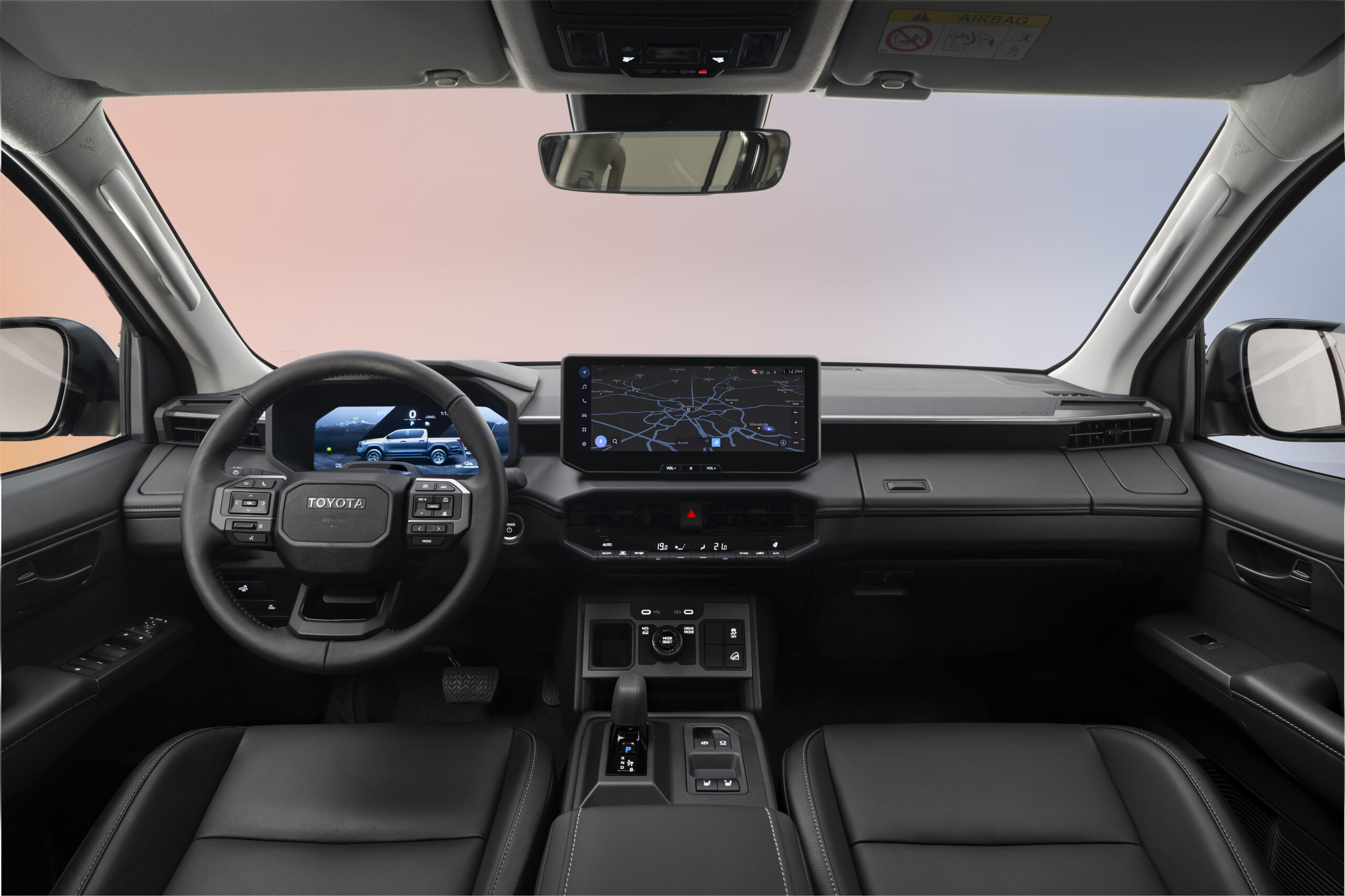
Inside, the Hilux blends functionality with enhanced comfort and technology. The cabin layout has been updated to improve practicality for daily use, and the range of Toyota T-Mate active safety and driver-assistance systems has been expanded. These systems support both on-road ease of use and off-road readiness, with features designed to enhance visibility and maneuverability in challenging conditions.
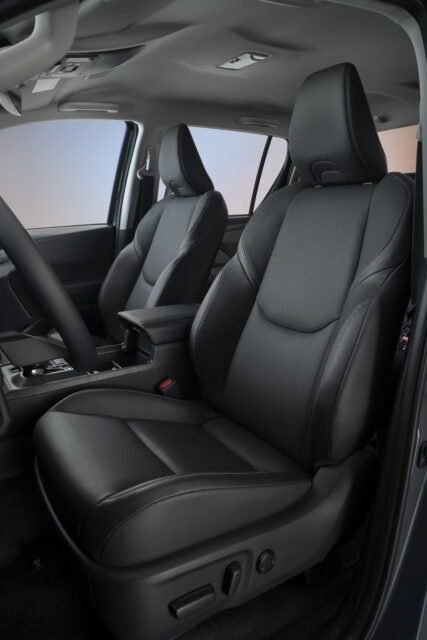
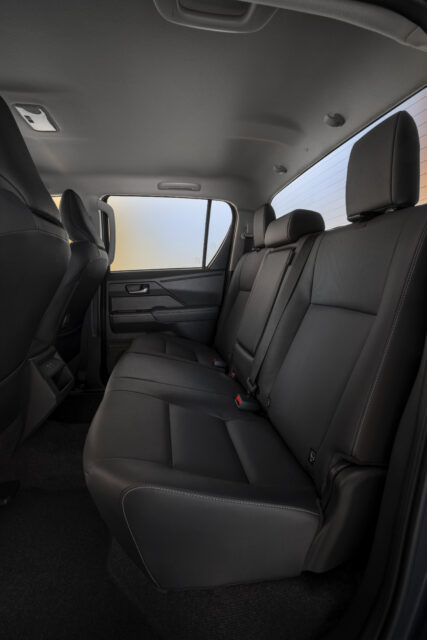
Toyota has positioned the new Hilux to serve a range of customers, including businesses that rely on dependable performance for work duties and individuals seeking a versatile vehicle for recreational use. The double-cab configuration, offered across the European line-up, combines passenger comfort with functional load-carrying capability. This choice aligns with market trends that favor dual-purpose vehicles capable of handling both professional and personal roles, and it will surely only be a matter of time before we see overland- kitted versions of these vehicles.
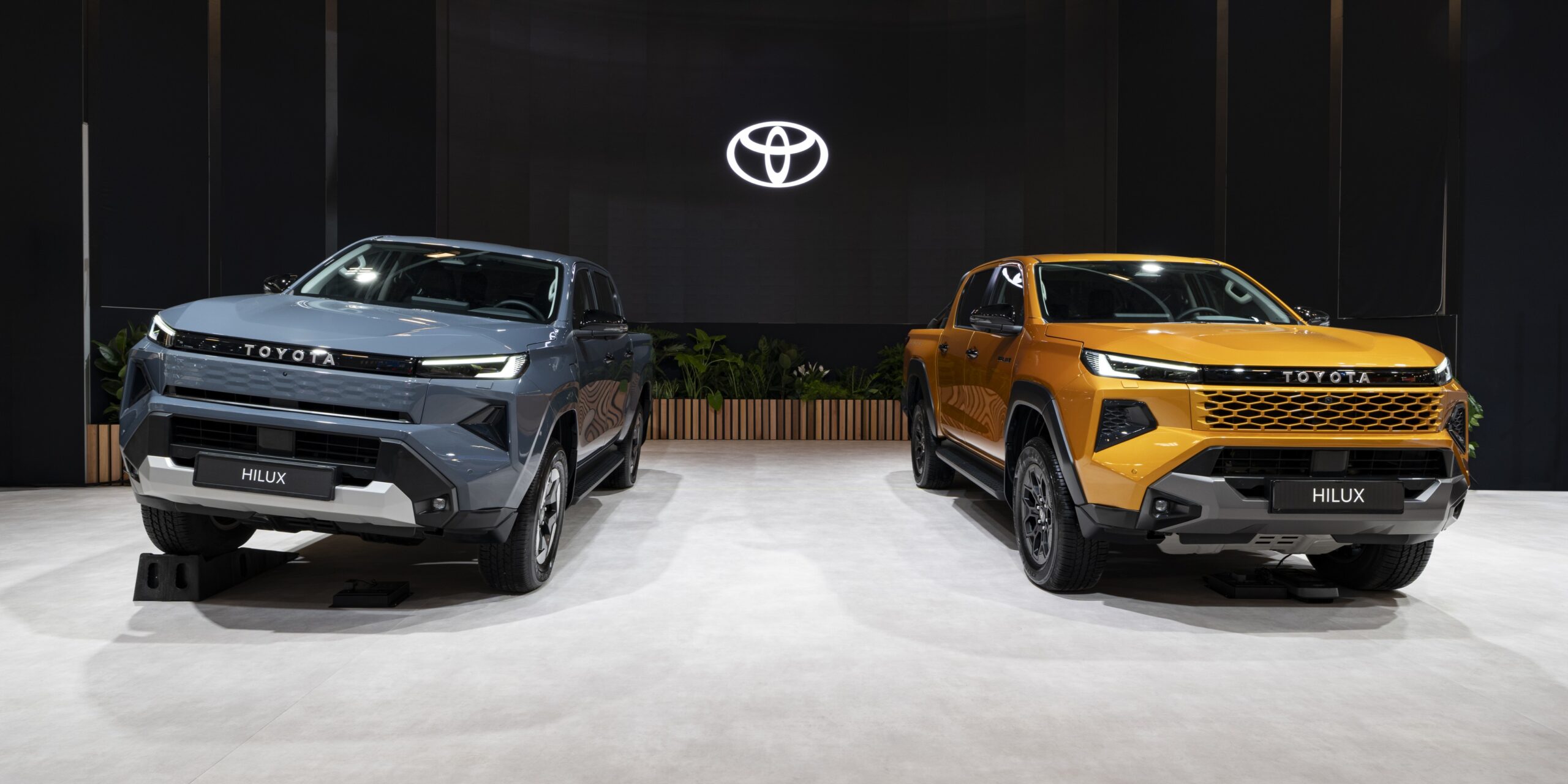
Toyota plans to begin introducing the Hilux BEV to European markets in April 2026, followed by the Hybrid 48V version in July of the same year. Local pricing and detailed performance specifications are expected to be shared closer to those respective launch dates.
Read More: Overland News of the Week
Our No Compromise Clause: We do not accept advertorial content or allow advertising to influence our coverage, and our contributors are guaranteed editorial independence. Overland International may earn a small commission from affiliate links included in this article. We appreciate your support.
