

Near the summit of 7,800-foot Mingus Mountain in central Arizona is one of the country’s most well-known paragliding launch pads. From a dizzying precipice near a stand of communications towers, pilots from the Arizona Hang Gliding and Paragliding Association (AZHPA) run for a few very meaningful steps down a grassy slope before launching themselves into the void, trusting only a handful of cords and a thin sheet of nylon. Arjun Heimsath, president of the AZHPA, assured the small group of journalists huddled well away from the cliff’s edge that, “Really, a paraglider is one of the safest ways to fly—once you’re in the air.” As the pilots twirled in graceful arcs, searching for thermals to climb, I couldn’t help but think about Subaru’s leap of faith with the design of the 2026 Outback.
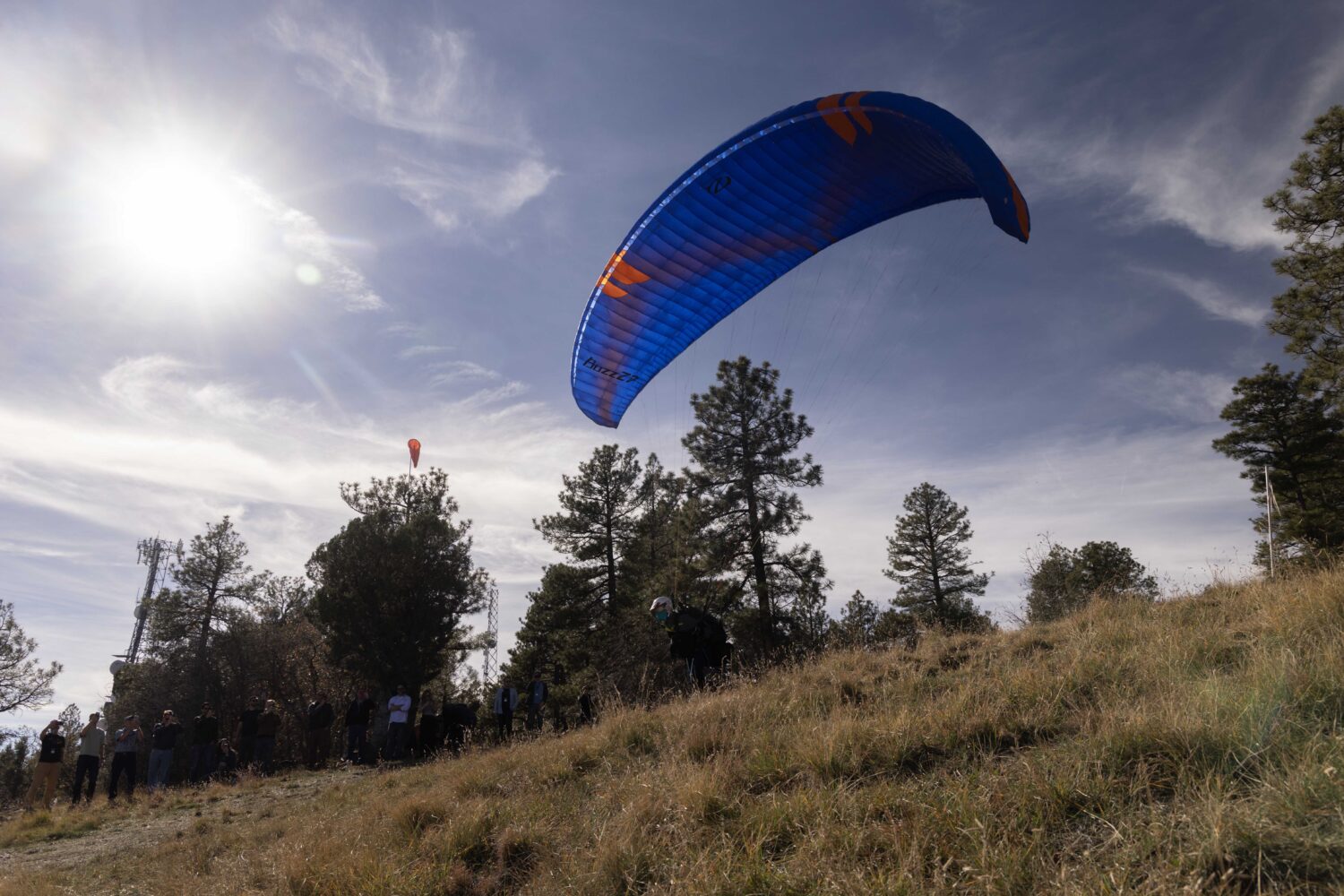
Taking off from Arizona’s Mingus Mountain.
When the new Outback debuted at the New York International Auto Show earlier this year, Subaru was taking those nervy first steps into the unknown, and its radically different styling—all origami sharp edges, upright grills, and squared off overhangs—met with not a small amount of consternation. But now that the 2026 Outback is soaring out in the world, it appears that Subaru has ultimately played it safe with its flagship wagon.
The 2026 Outback Gets Its Wings
Both symbolically and materially, Subaru lives and dies with the success of the Outback, so getting it right is not optional. Over the last 10 years, the design has evolved gradually (why mess with success?) as the Outback has grown in size, ramped up its standard equipment, and added popular and profitable trims like the Wilderness Edition. It’s a stalwart adventure platform in the local-yokel domestic overland world, and Subarus in general are well-known for overachieving off-piste. Relatively fuel-efficient, exceptionally reliable (Consumer Reports puts Subaru at number two in their overall reliability rankings, splitting perennial champs Toyota in first and Lexus in third), blessed with lots of useful interior space and a decent, if not extravagant, list of standard equipment, an Outback is also a solid commuter choice.
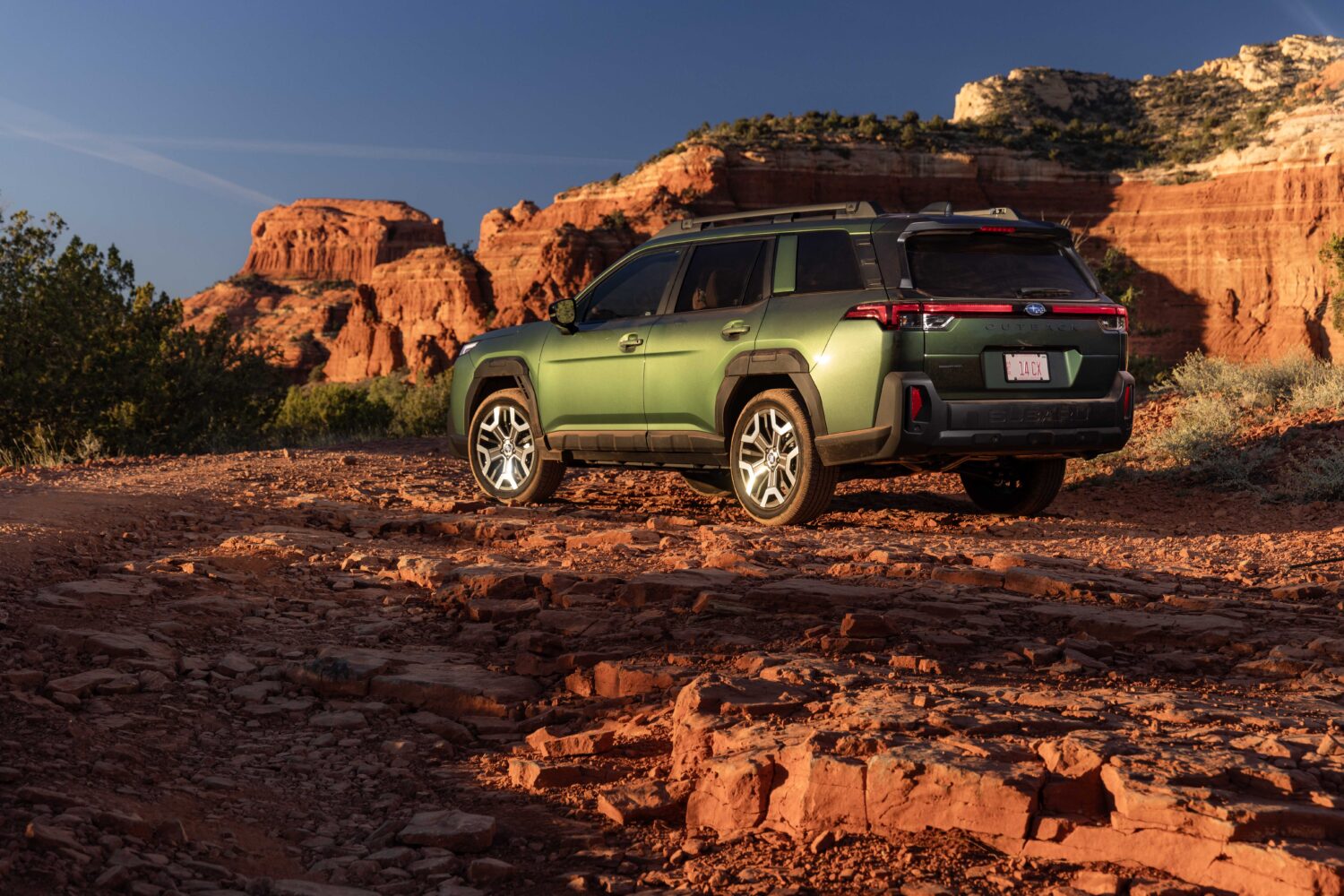
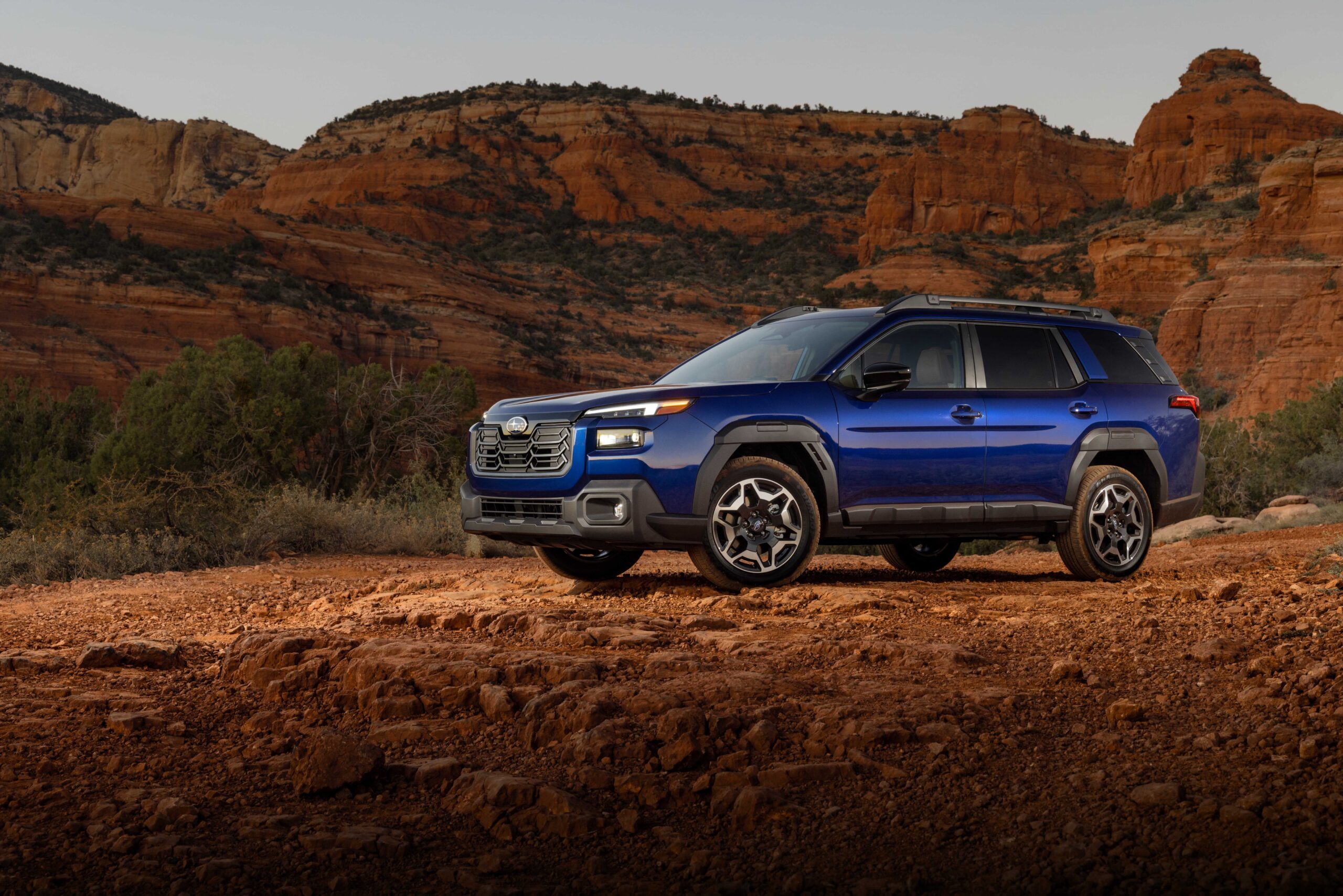
Subaru needs to walk this fine line between its overall perception (and capabilities) as a rugged adventure vehicle and the more quotidian realities of how drivers use their vehicles. The Subaru engineering team at the first drive event in Sedona, Arizona, admitted as much up front. To achieve this balancing act, instead of throwing pasta at the wall, Subaru claimed that they derived the Outback’s significantly updated look, body structure, and features directly from surveys and feedback from Outback owners. Is this the manufacturer deflecting responsibility for the polarizing and heavily criticized new styling onto its customers? I don’t think so, but perhaps that’s because I find myself in a minority among my automotive journalist peers—with the exception of one exterior design choice, I like the 2026 Outback’s look better than the outgoing model.
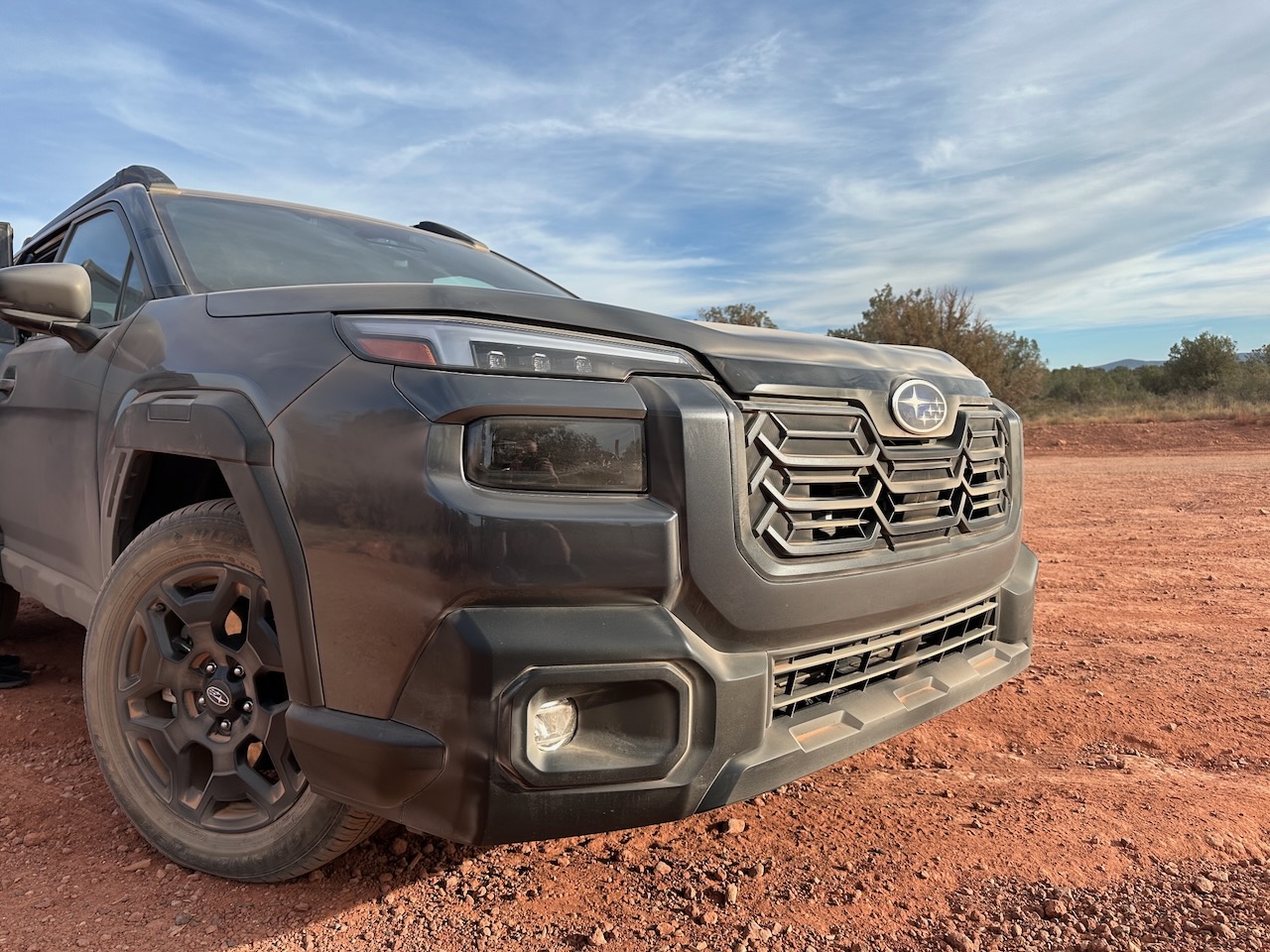
Vertical light stack emphasizes the 2026 Outback’s square shape. Premium trim wheels are 18 inches.
What’s Going On Inside the 2026 Outback?
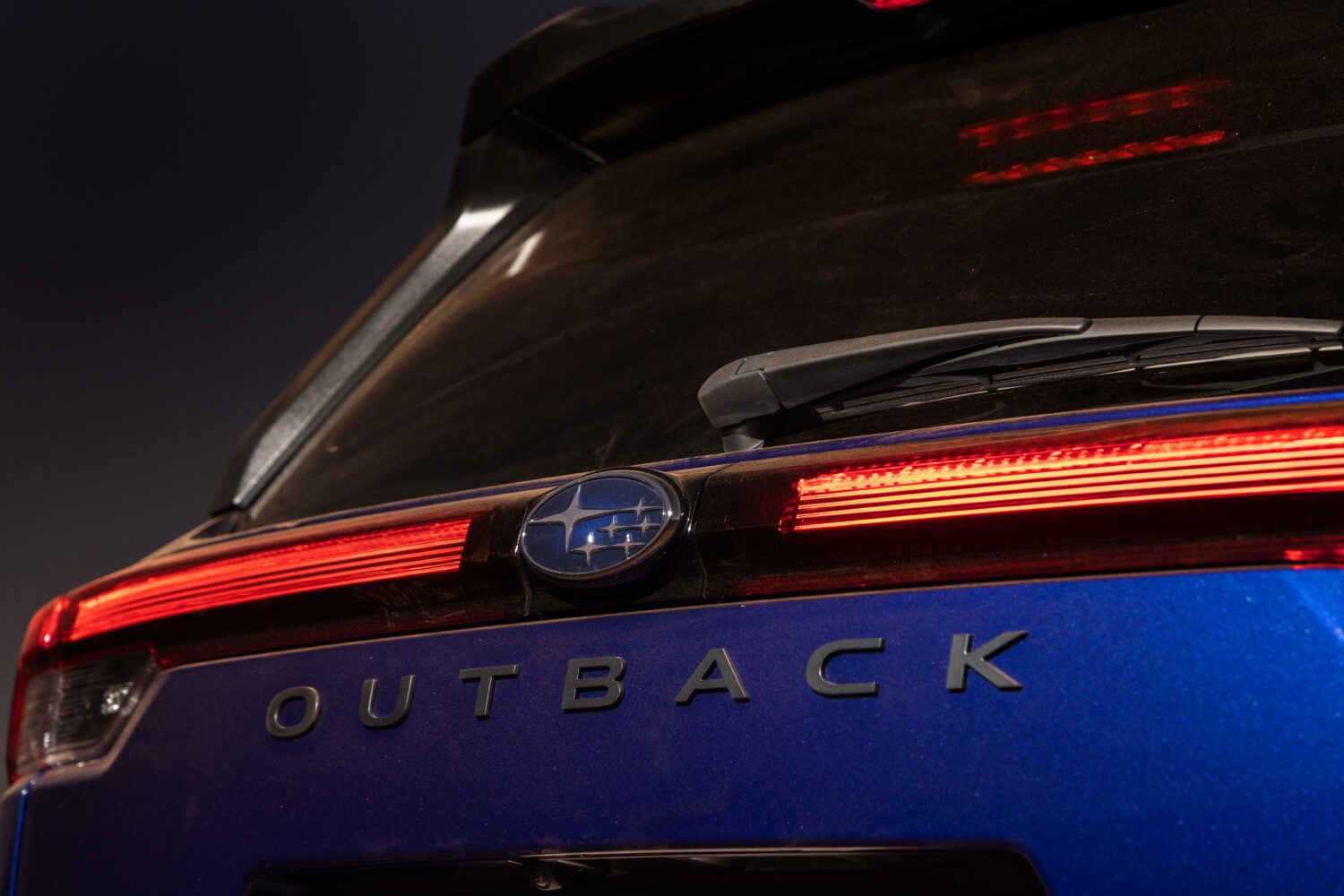
Among the conclusions Subaru drew from its Outback owners dataset was that while they love the overall compact size and car-like driving characteristics compared to bigger 4x4s, they desperately wanted more interior space. Boosting room inside the Outback without dramatically enlarging the vehicle as a whole demanded changing its form factor—from a zeppelin-shaped wagon to a taller SUV-adjacent cube, especially in the rear. The quadrilateral adjustments are a little deceiving: there are only an extra 2 inches added to the roofline over the 2025 car. Cargo capacity increases from 32.6 cubic feet with the rear seats up and 75.6 cubic feet with the seats down in the previous model to 34.6 cubic feet and 80.5 cubic feet, seats up and down, respectively, in the new one. With the rear seats collapsed, the load floor is completely flat.
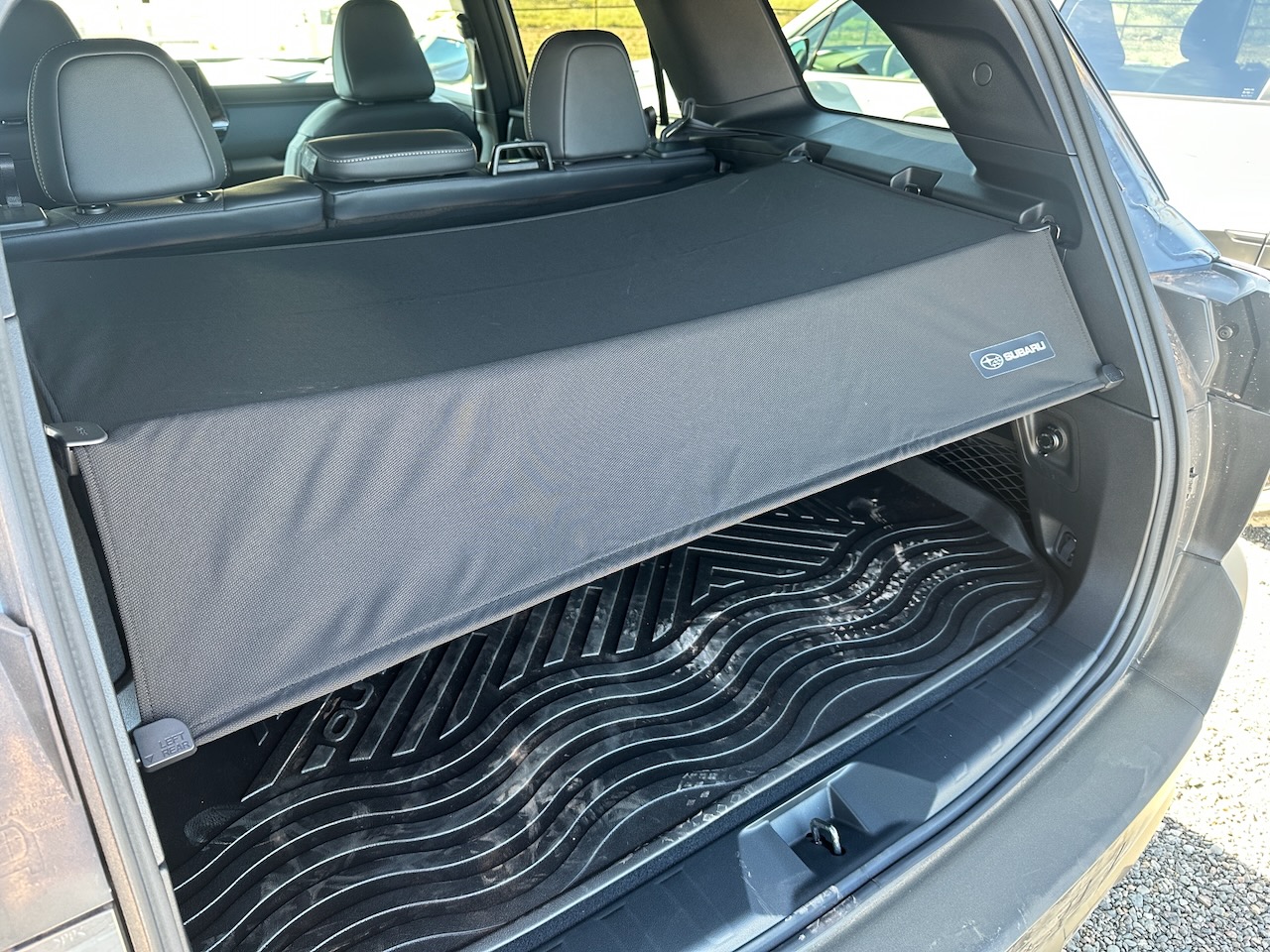
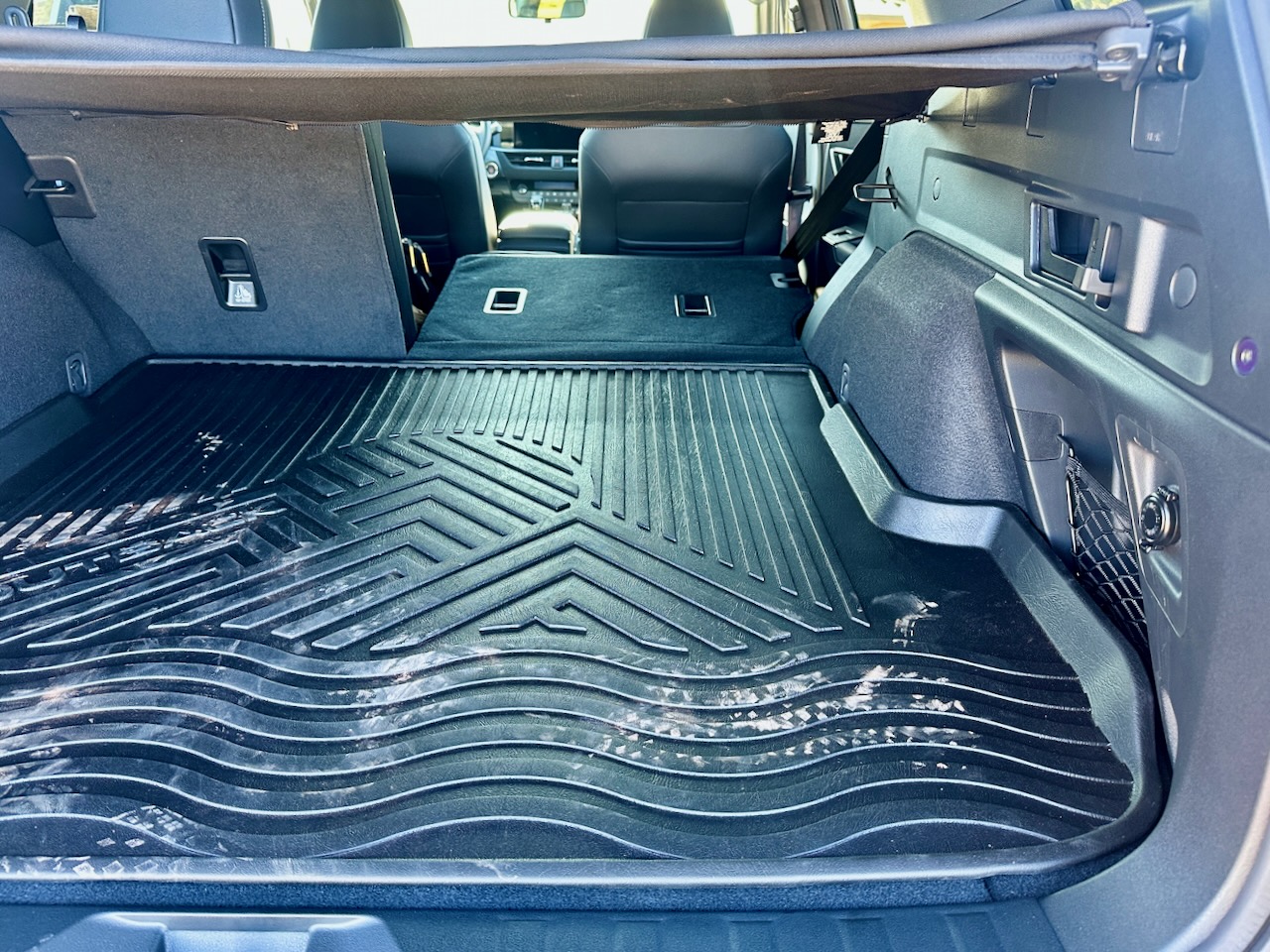
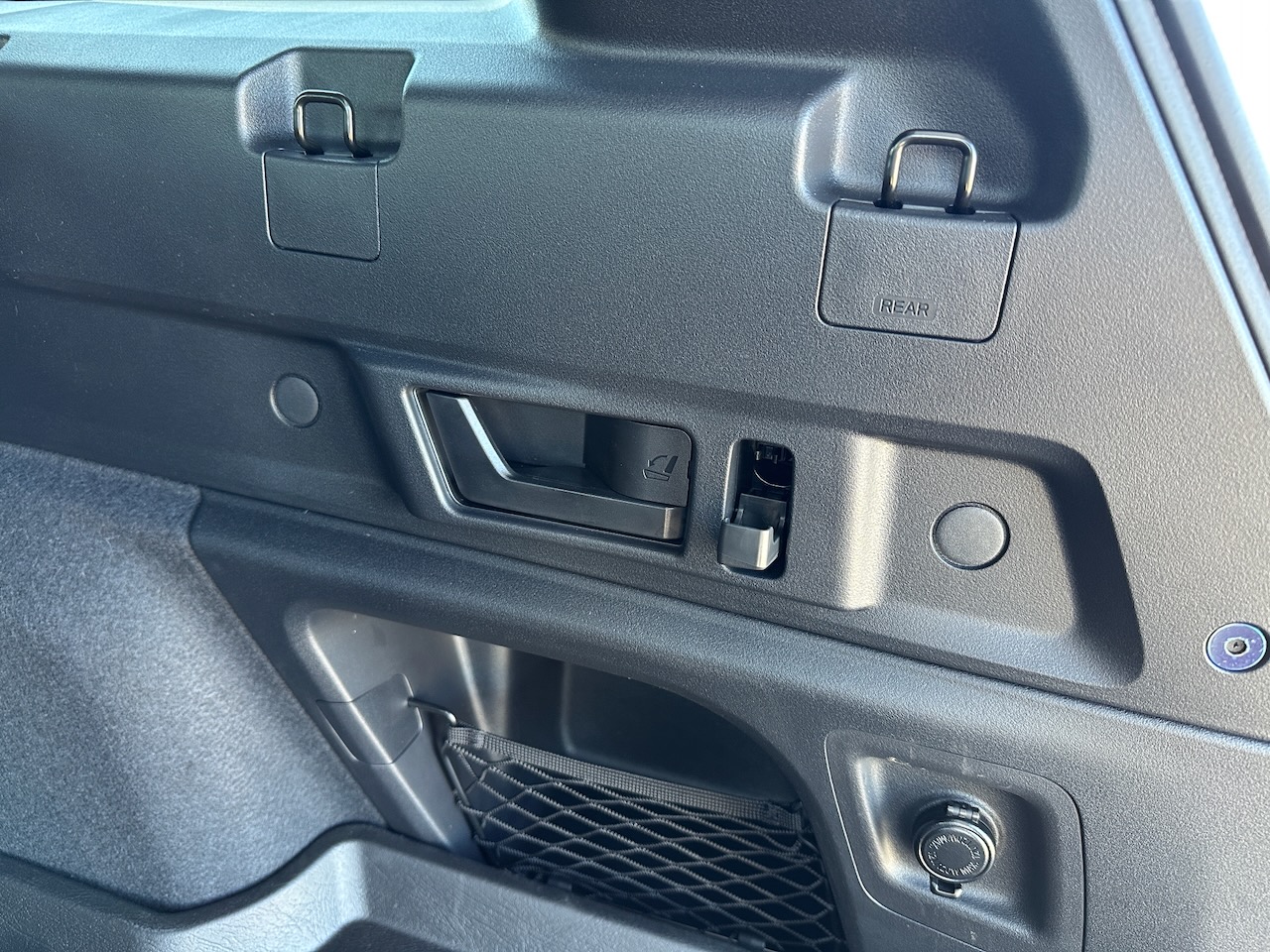
Not only is the cargo area roomier, but the less dramatically sloping rear hatch and more upright sides should make the packing puzzle easier to solve. There are plenty of new storage-related features in the 2026 Outback as well, including what seems like an endless number of useful hooks and tie-downs, as well as integrated MOLLE panels. The multi-function cargo cover ditches a heavy solid frame for lithe fabric construction that’s washable and foldable, but also strong enough to double as a dog hammock. Speaking of our four-footed friends, Subaru includes handy dog-indexed diagrams drawn on the trim panels for measuring out space for canine transport (among other things).
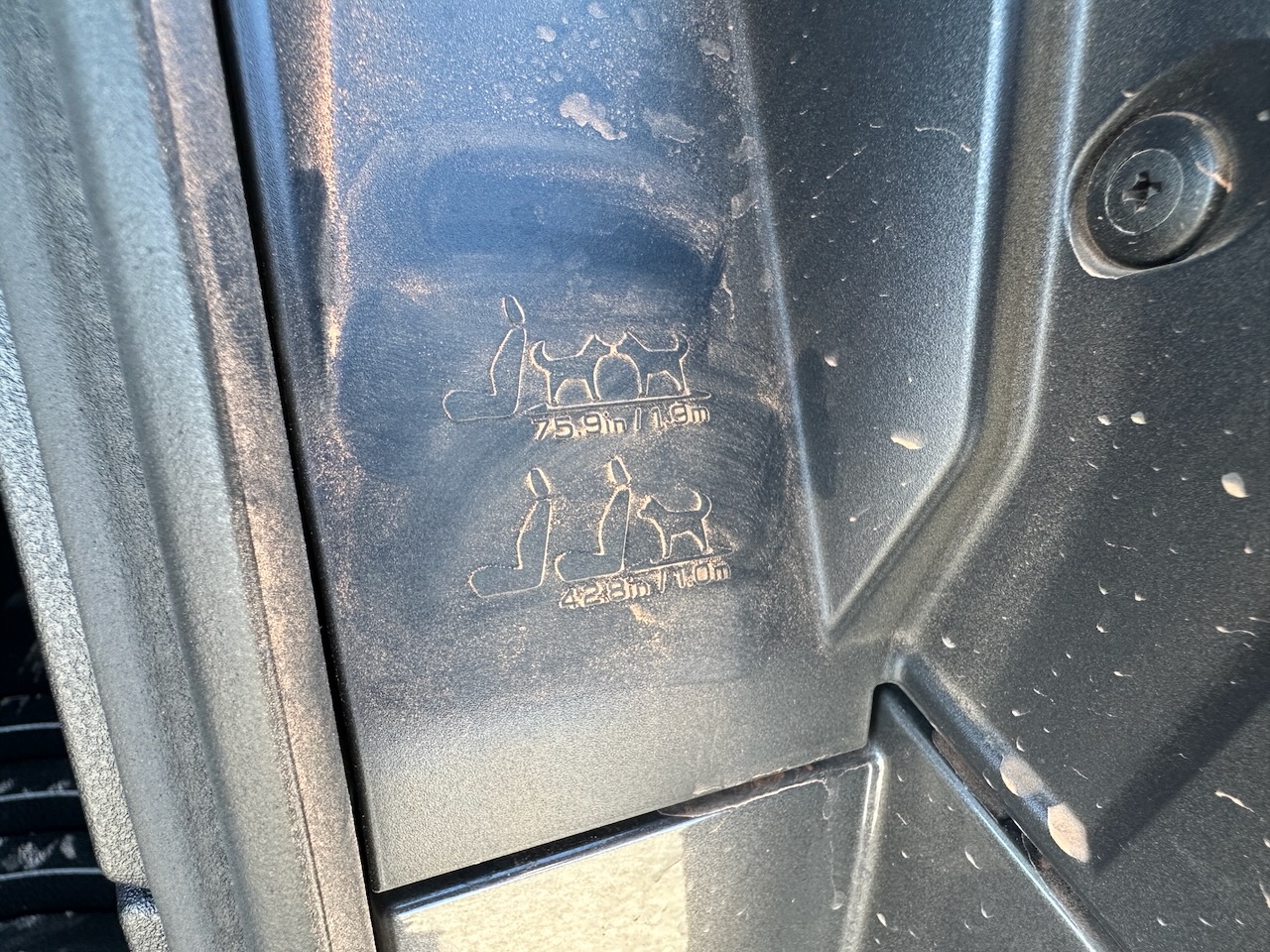
Dog-indexed measurement key for the cargo area.
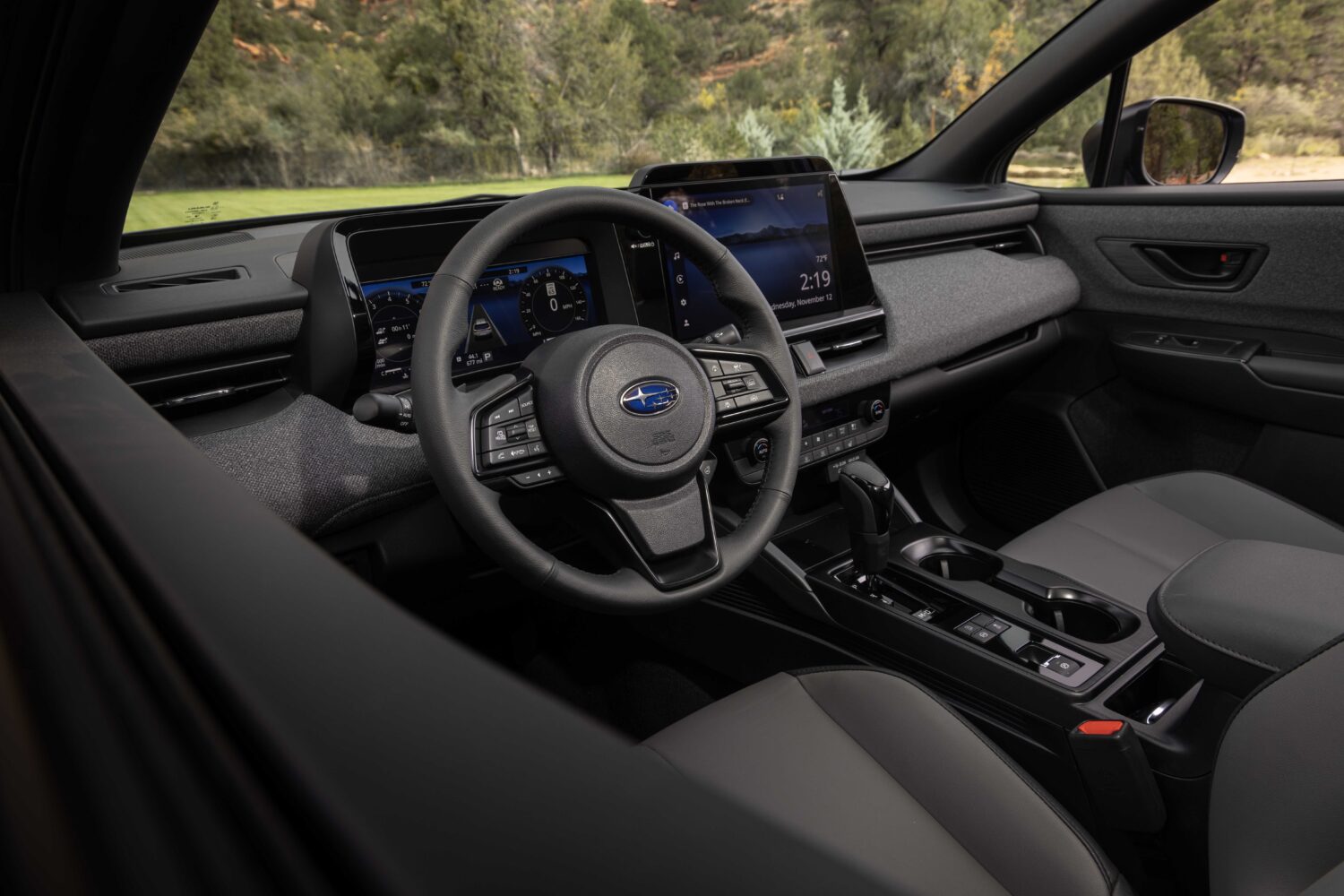
Up front, there are other significant departures from the 2025 Outback. Subaru designers emphasized the horizontality of the new passenger cabin, one that’s now dominated by a center 12.1-inch multimedia touch screen, paired with a 12.3-inch digital instrument panel for the driver. All the climate vents are turned on their sides, and the general sweep of the dash and the admirably low cowl emphasize the new linearity. Subaru wanted the upper part of the dash to be uncluttered and minimalist (the only physical switch above the beltline is for the multimedia system’s power/volume knob), while the lower dash hosts all the interior’s functional aspects. To the sound of much rejoicing, we discovered a whole swath of cleanly mounted and labeled physical knobs and buttons (including on the steering wheel) to control key functions like climate and heated seats. Subaru was listening again—Outback owners complained about navigating touch-screen menus to accomplish basic and frequently used in-car commands, so they returned many of those to their rightful place in the 3D world.
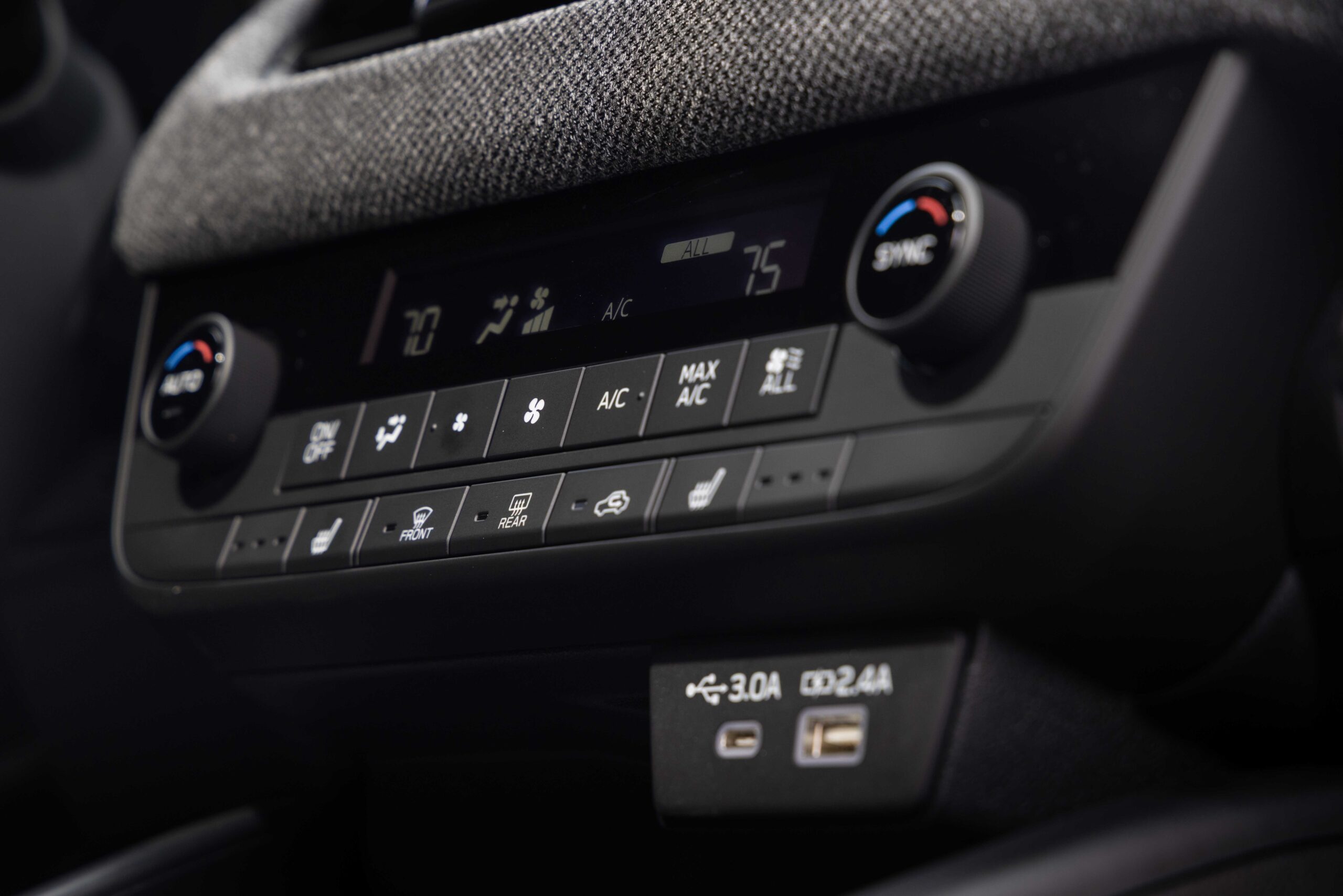
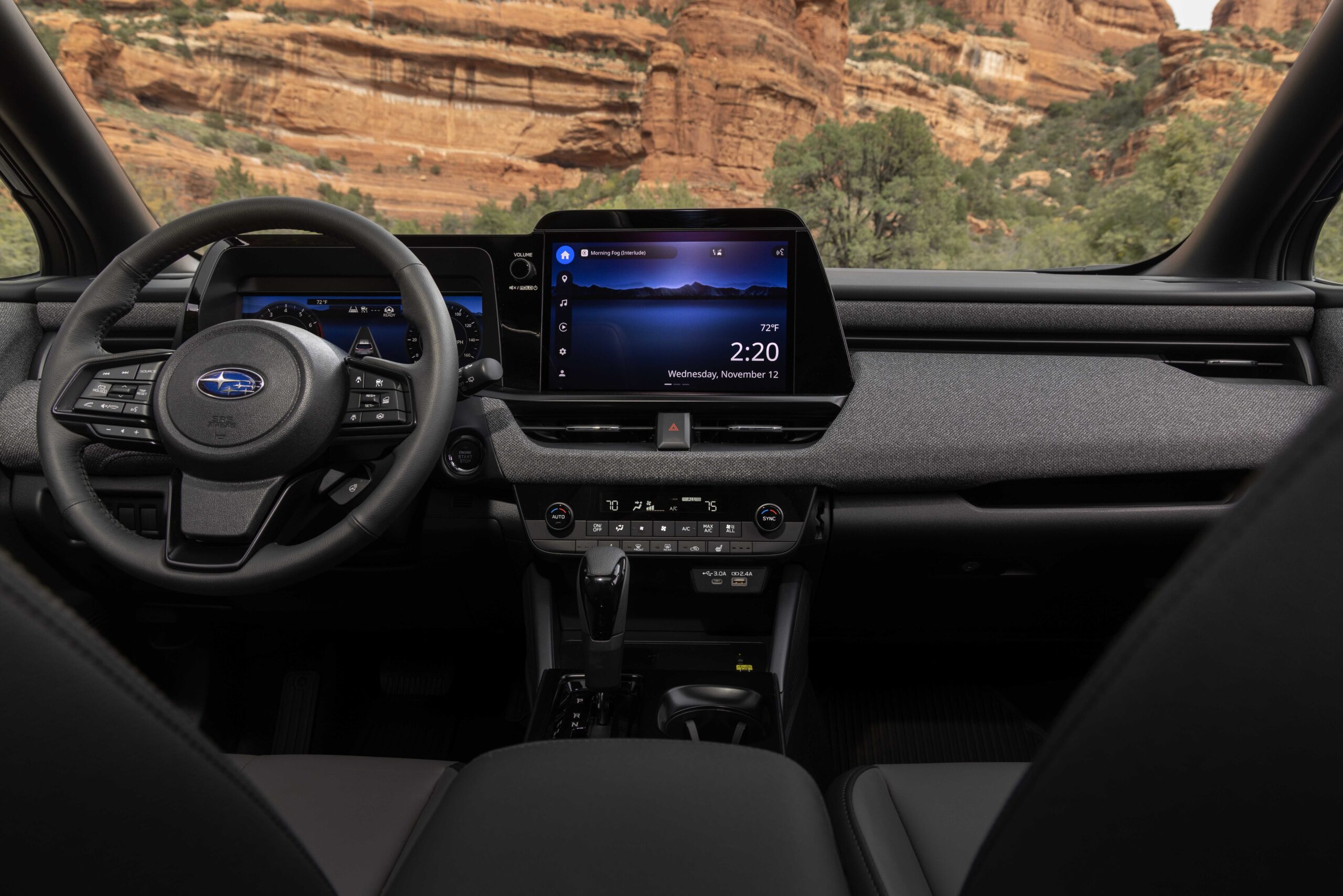
There are still plenty of features buried in the multimedia system, but the screen is highly responsive with very little latency, and the native navigation app works well, even if its aesthetics are a little bit last decade. Apple CarPlay and Android Auto are standard for smartphone connection. The digital IP has some degree of customization available, but not as much as in some other competing brands. Information is crisply displayed, however, and the best option of all for the screens’ ecosystem is Quiet Mode. Everything goes black except for just a few basic metrics displayed dimly in the instrument panel, like speed and outside temperature. This jives well with Subaru’s desire to keep the upper dash panel as simple and distraction-free as possible. Another eliminated distraction is your water bottle rolling around the floorboards or rattling in the door. Revised cupholders grip vessels with spring-loaded fingers and now accommodate a 32-ounce Nalgene bottle. Door panel pockets are carpet-lined to reduce noise.
Outside the 2026 Outback
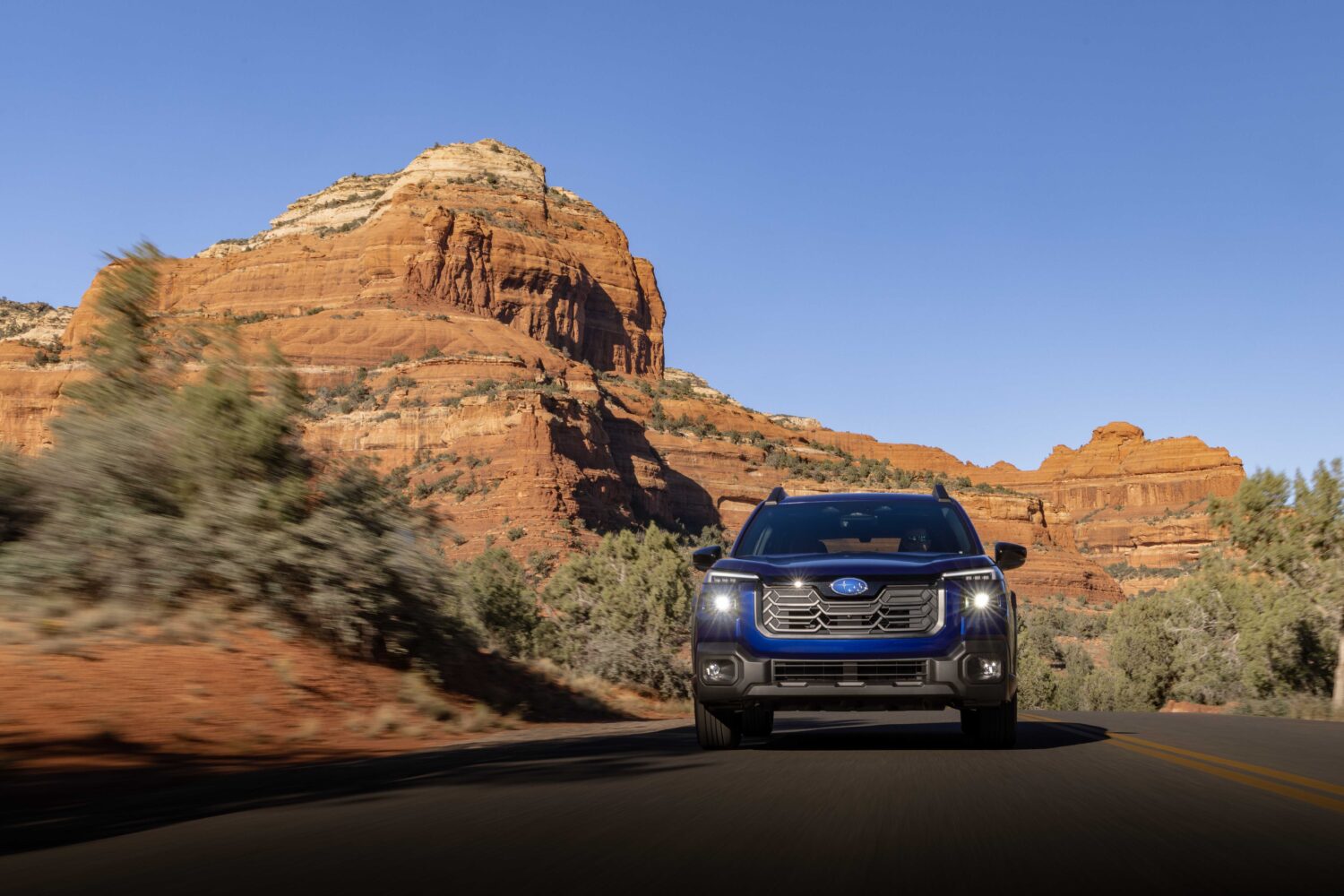
As alluded to above, only one design cue on the new Outback tempered my overall approval of the new styling. Above each wheel, a squared-off composite panel with rectangular embossing is attached to the fender. Subaru says it invokes the look of a grab handle you might find on a canoe. It looks busy and tacked on to my eye, and I wonder how much more cladding will find its way onto the production version of the Wilderness model, but I understand the effort to emphasize the new overall shape. Otherwise, the 2026 Outback looks buff, purposeful, and no-nonsense in a distinctively Subaru way. It will certainly stand out against the sea of blobby CUVs that Subaru pits the Outback against.
It’s not all form outside the car; there is plenty of function as well. First among these features is the roof rack. Again, Subaru knows its outdoorsy audience, so perhaps no other OEM spends as much time thinking about roof racks and cross bars as Subaru. The 2026 Outback now has an 800-pound static weight rating (220 pounds dynamic weight) on the roof, as well as an industry-first 220-pound static horizontal load rating for the ladder-type roof rails. String one end of your hammock to the rack, and the other to a nearby tree, and you’ve got an instant campsite. The bars themselves do not fold out of the way like on some older models, but they move along the rails smoothly, and with clearly marked notches, so there’s no guessing to keep them parallel to one another. Steel loops integrated into the rails act as tie-downs for even more versatility.
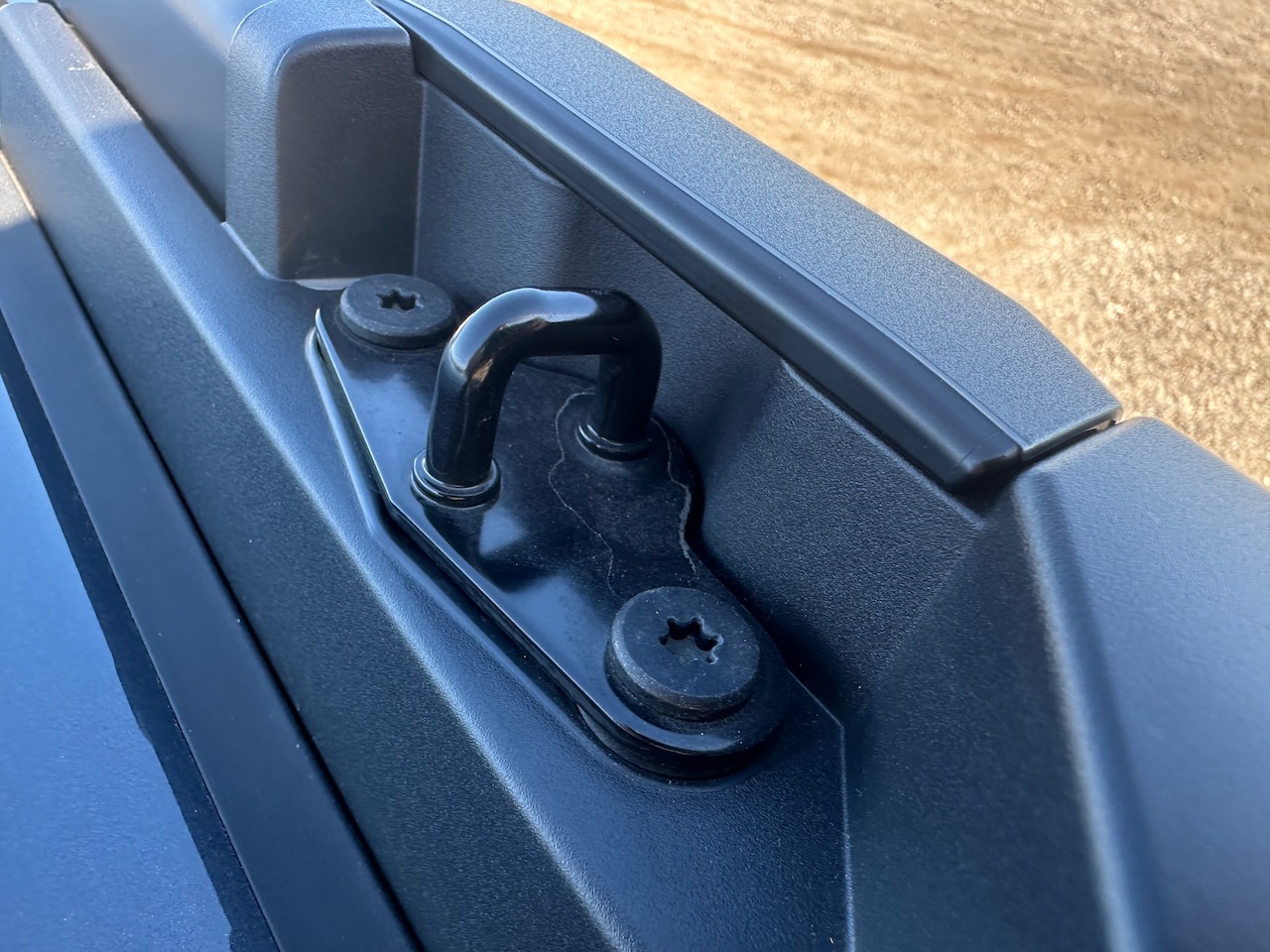
Robust steel loops add lashing versatility to the roof rack system.
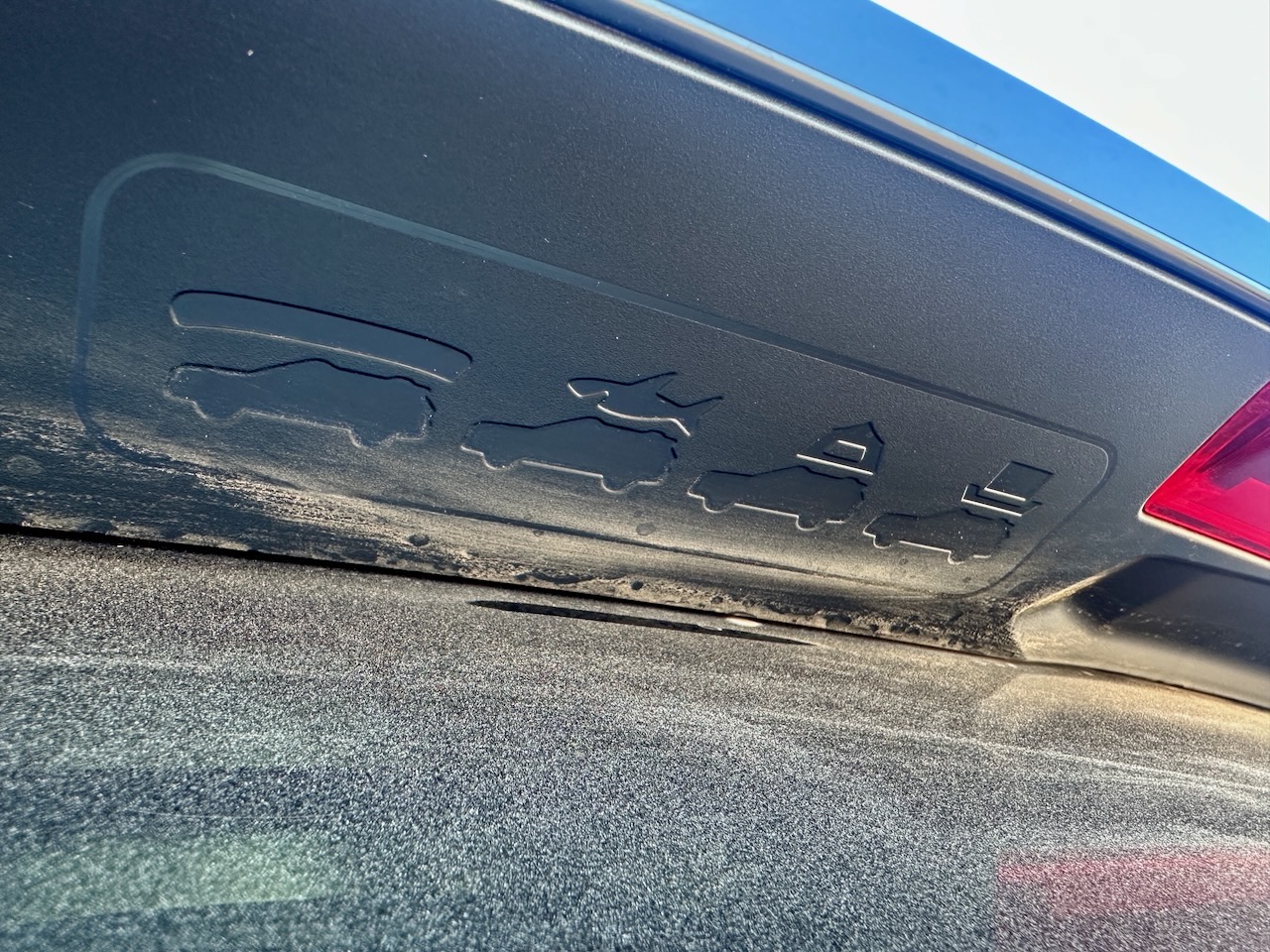
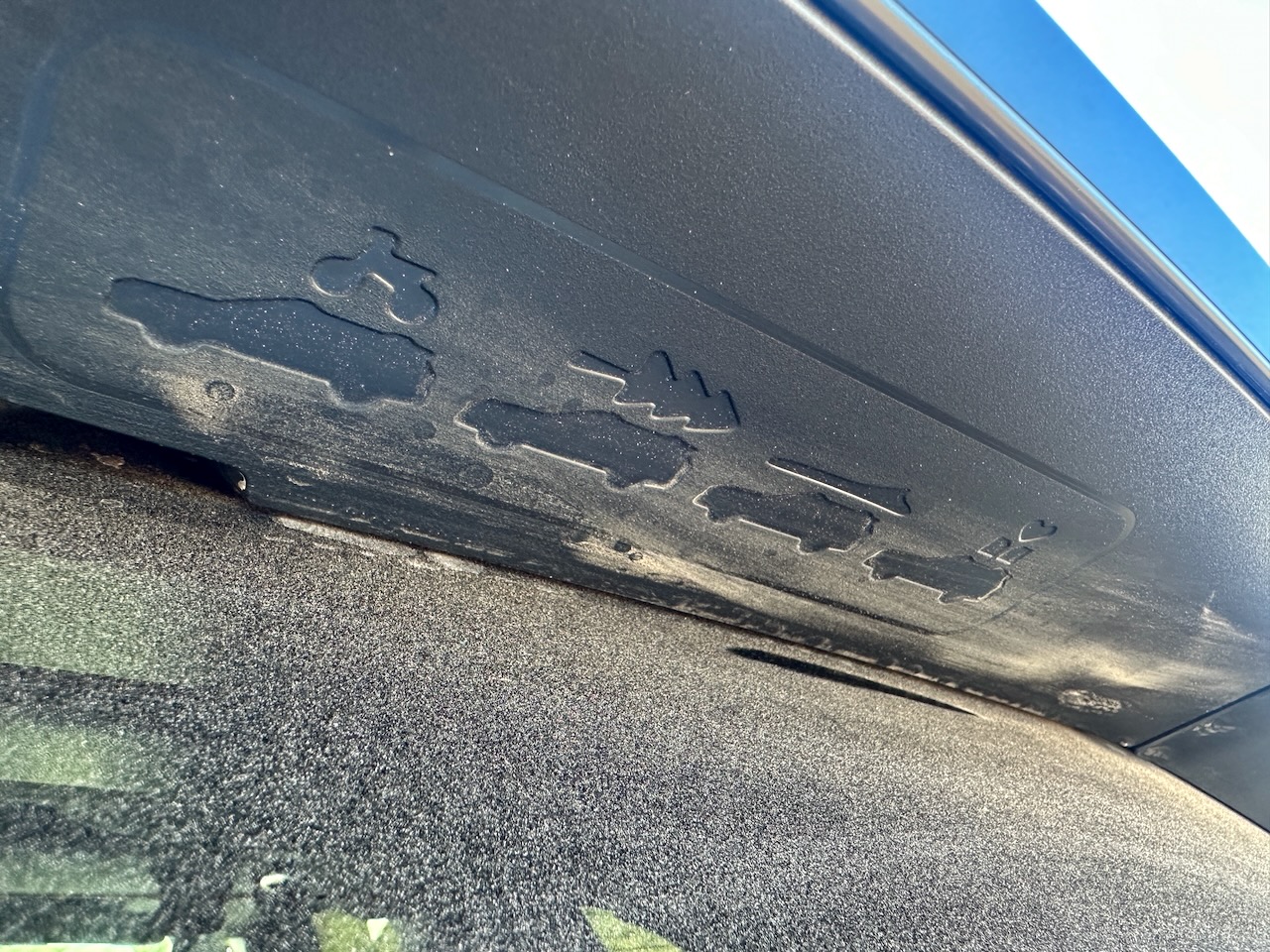
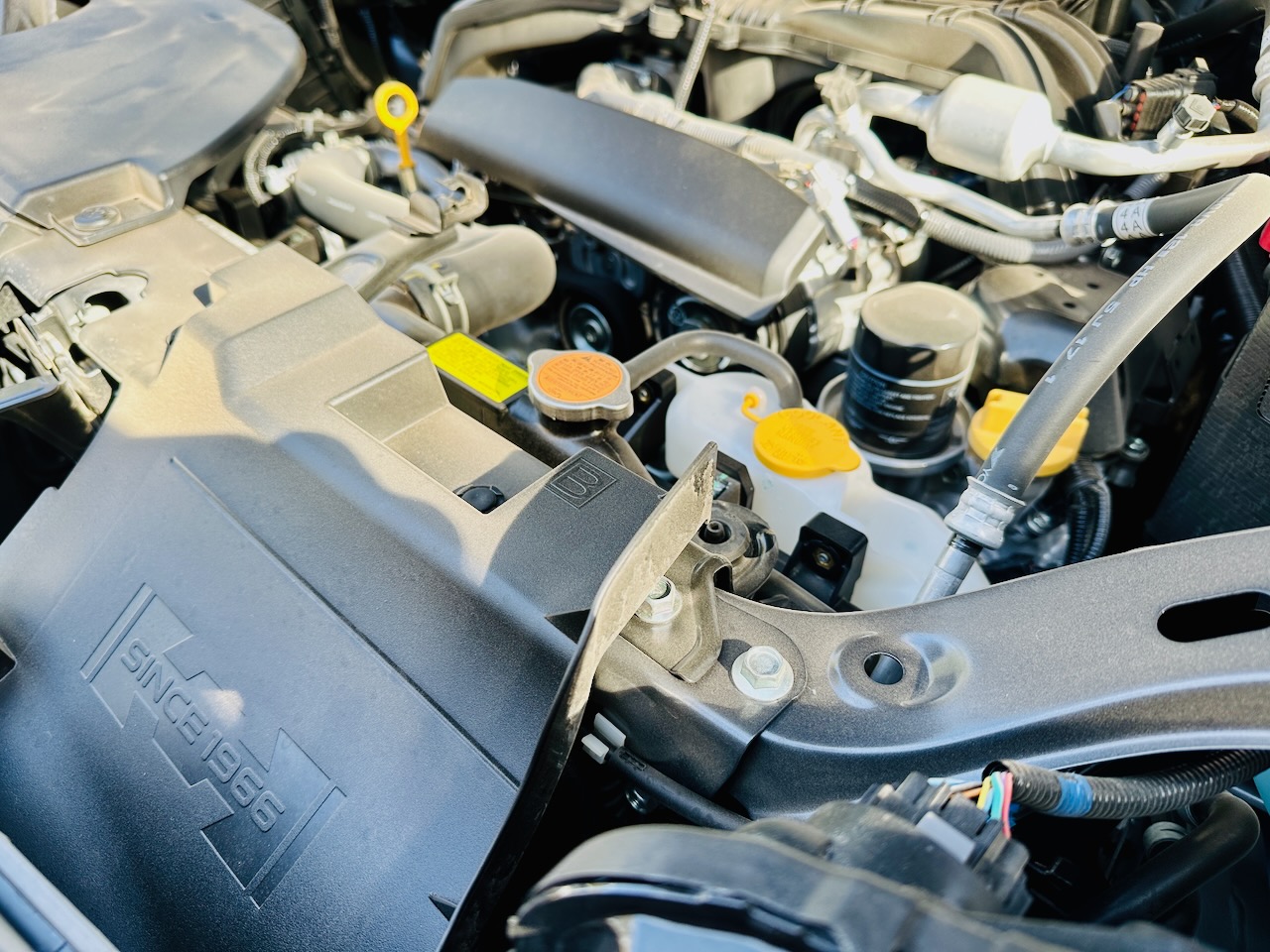
LED fog lights anchor the much more vertical lighting stacks in the nose, which pump up the look of the flat hood, upright grills, and the boxier side profile. Subaru equips turbocharged XT models with 19-inch wheels, either black or machine-finished, over the 18-inch rims on the standard cars. A few Easter eggs can be found here and there, including on the underside of the rear hatch spoiler. Small Outback icons display a range of items one might lash to the roof, including a roof tent and what whimsically looks like a great white shark. Another is the stylized boxer engine logo on a trim panel under the hood, reading “Since 1966” in both English and Kanji.
Driving the 2026 Outback
Subaru is indeed clinging hard to its unique horizontally-opposed engine architecture that has been in its cars for four decades. In the 2026 Outback, that engine comes in two flavors: the stalwart 180-horsepower 2.5-liter naturally aspirated flat four, and the 2.4-liter turbocharged unit that churns out 260 horsepower and 277 pound-feet of torque. I complained about the thrashy gutlessness of the NA motor in my Forester Wilderness review, and the critique still stands, especially in the larger, heavier Outback. But at least with the new Outback, drivers aren’t stuck with the 2.5 as the only option (like the Forester is, the hybrid model notwithstanding). The turbo engine is available in the Limited and Touring models, designated XT (as well as the upcoming Wilderness), but not on the entry-level Premium trim (there is no base model Outback for 2026). Both engines bolt up to the Lineartronic CVT with 8-speed “manual mode” controlled with flappy paddles behind the steering wheel.
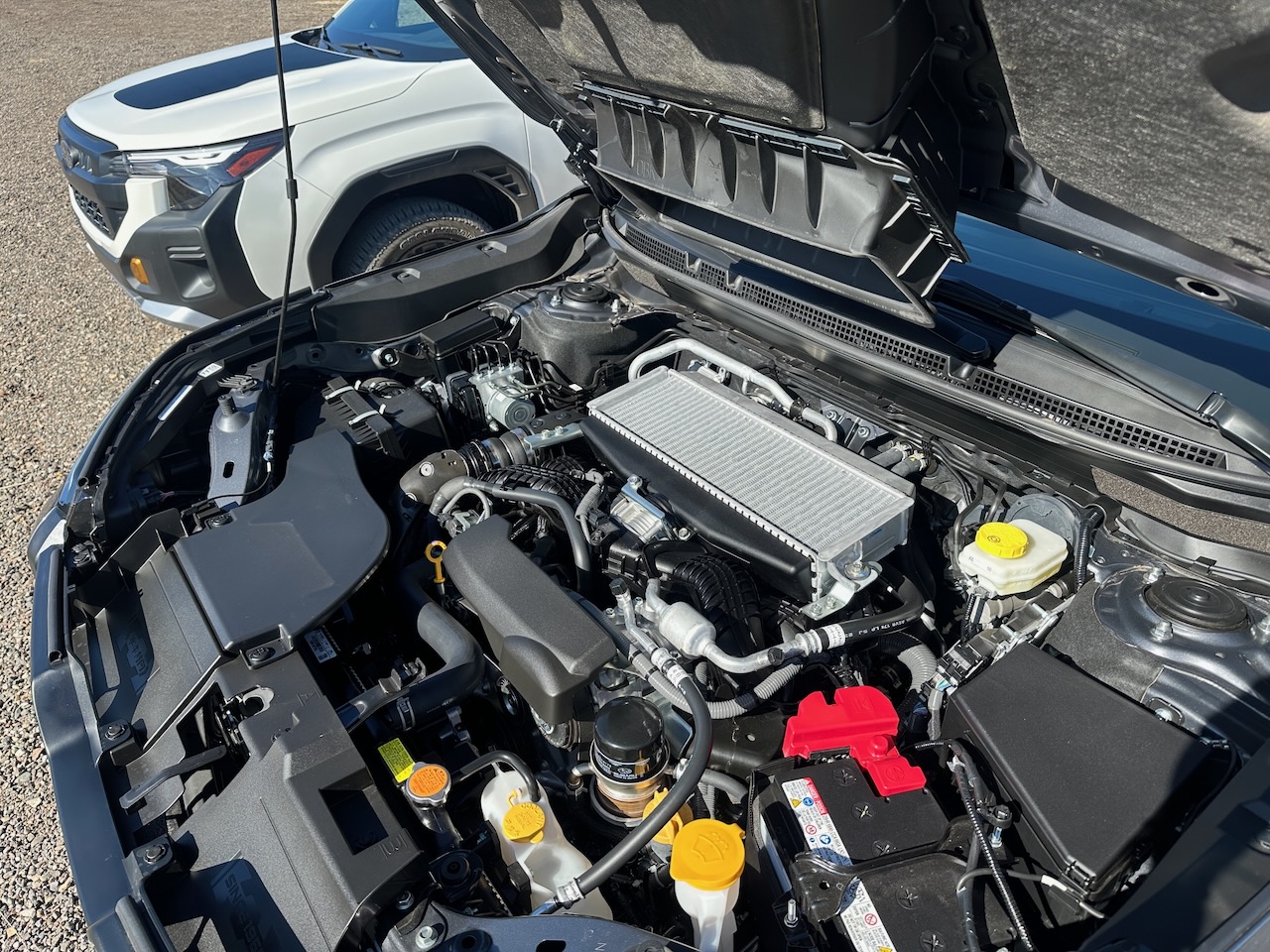
The optional 2.4-liter turbocharged boxer engine makes 260 horsepower.
Fuel economy lands at an EPA-estimated 25 city/31 highway/27 combined MPG for the 2.5-liter, while the turbo engine achieves only 21 city/29 highway/24 combined MPG. With the 18-gallon fuel tank, range will be sufficient for both, but saddled with approximately 3,900 pounds to move down the road, taking the efficiency hit with the higher-spec engine is worth the tradeoff. With forced induction, moving down those roads is a pleasure, not a pain, riding a fat surge of power ramping up around 1,900 rpm and nearly all the way to the 5,600 rpm redline (peak torque arrives at an impressively low 2,000 rpm). Manual shifting mode is more satisfying in Subarus than it is on CVT-equipped cars from other manufacturers, and the ride on tarmac is well-damped and predictable—if a little numb. Electronically controlled shocks and struts are projected to be standard on Wilderness Edition Outbacks.
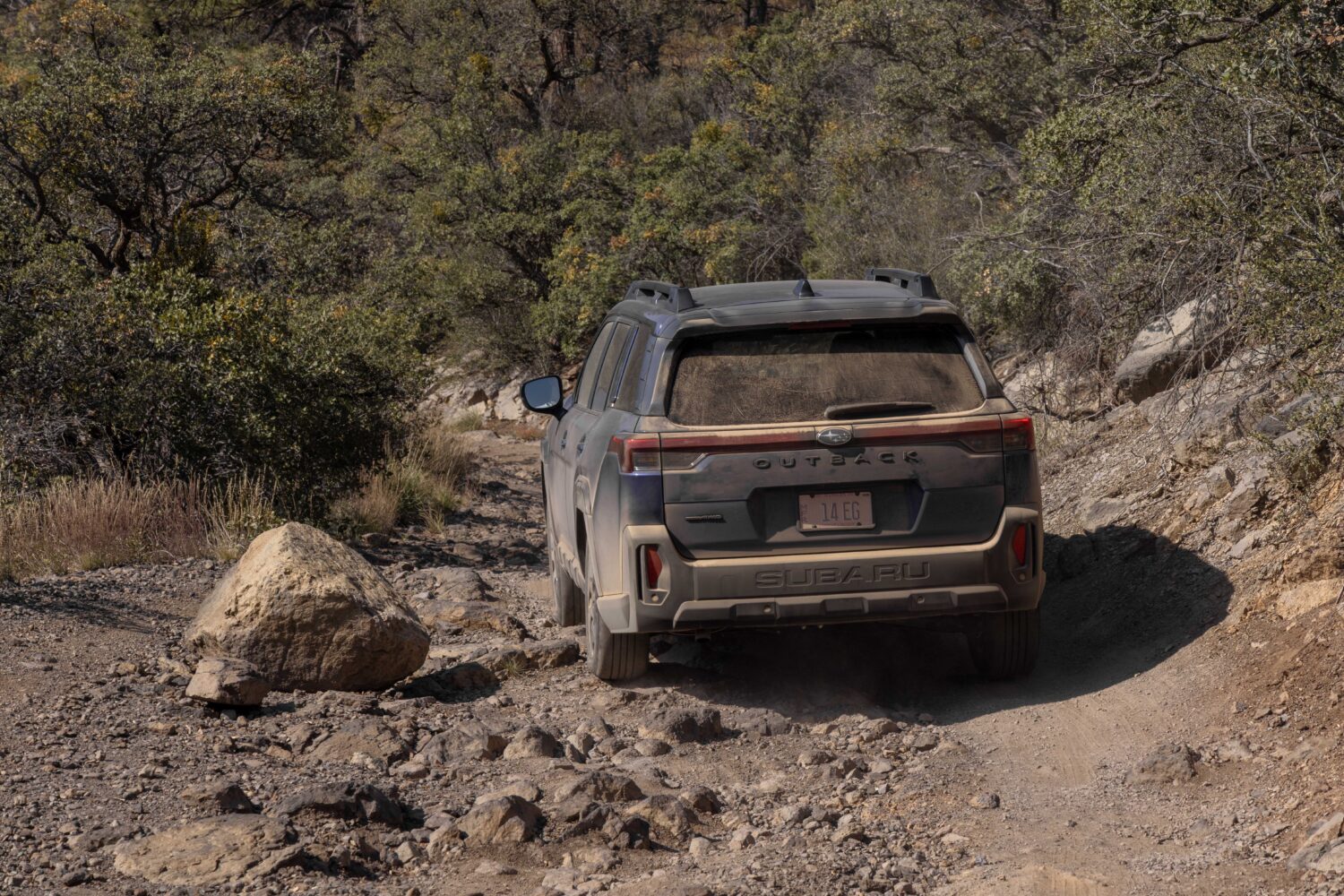
Outback Overland
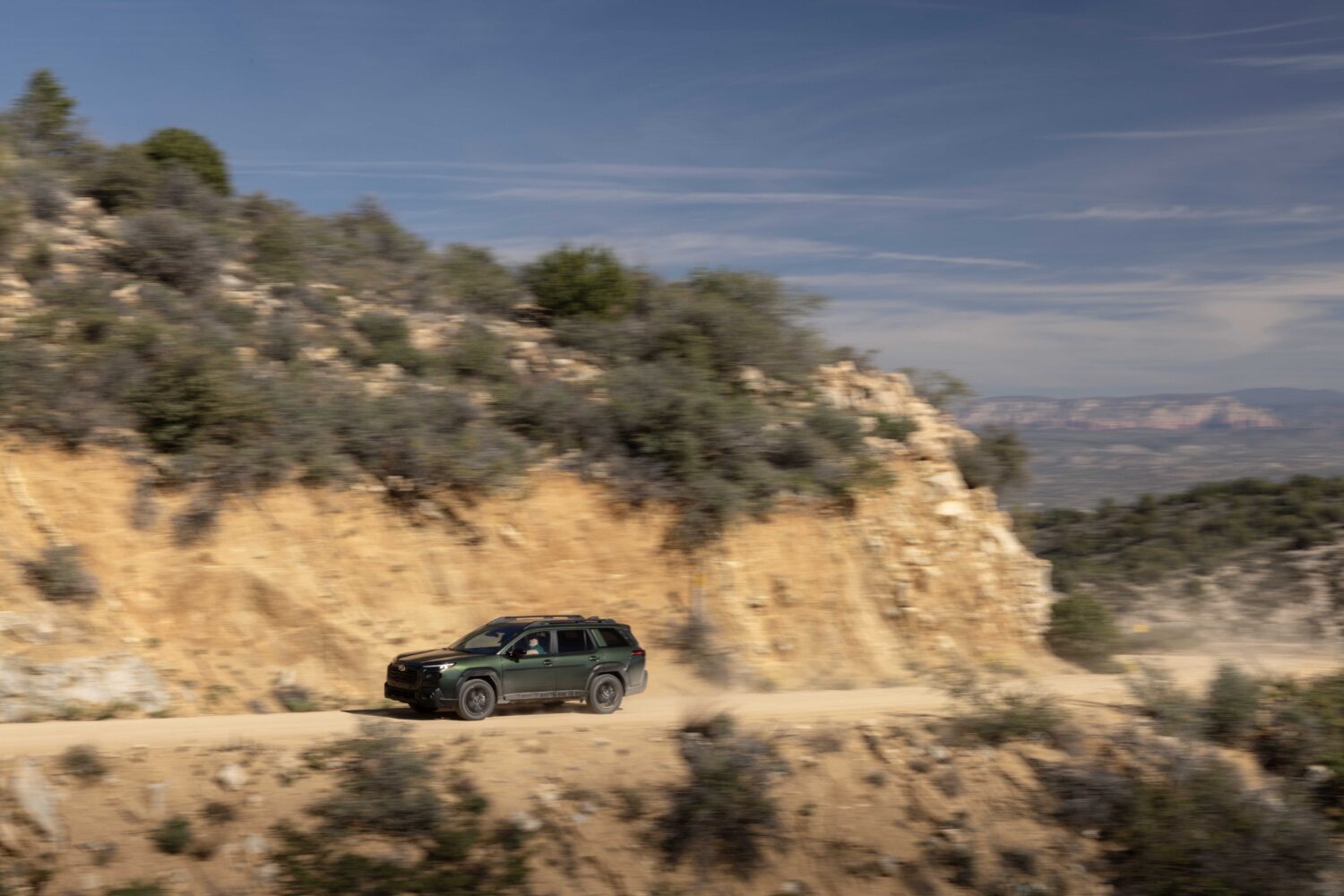
Charging down the east slope of Mingus Mountain on sinuous US-89A, we followed closely in the wake of a 991 Porsche 911 Carrera 4S Cabriolet (the only other brand that continues to stick with boxer engines). In his rearview, the Porsche pilot was probably bewildered to see half a dozen identical Subaru wagons coated in mud and dust hustling down the hill behind him. Dynamically, the Outback, particularly on 19-inch 225/55 rubber, is fairly engaging at the limit in short bursts, but where Subaru makes its reputation is where the pavement ends.
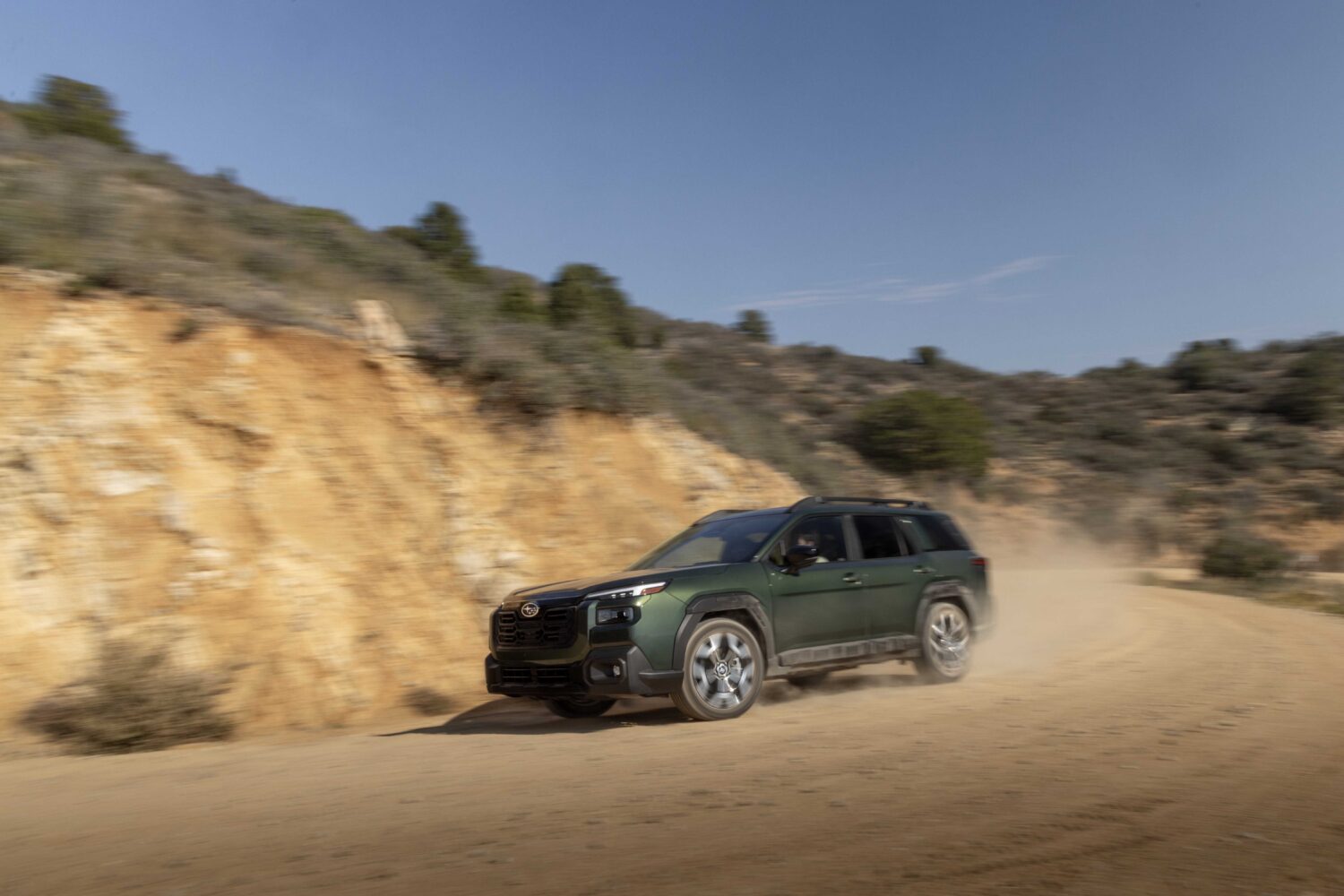 We traversed about 100 miles of tracks through the Prescott National Forest, and among the creosote and cactus on rutted and washboard desert roads around Sedona. With 8.7 inches of ground clearance, 20 degrees of approach angle, and 22.5 degrees of departure angle, there is plenty to work with on cross-axle terrain, and traction was never an issue with Subaru’s off-road-focused X-Mode driving mode, even on all-season tires. X-Mode includes hill-descent control, as well as improved response from the differential programming. There is a lot of capability to be unlocked on this platform, and even in non-Wilderness trims, the Outback will be plenty of 4×4 for a huge swath of buyers, and it’s still the gravel road champ among its competitors. For explorers looking at trailers, the 2026 Outback tows 3,500 pounds—another argument for ponying up for the turbo engine, as the NA motor would suffer considerably with that much mass in tow.
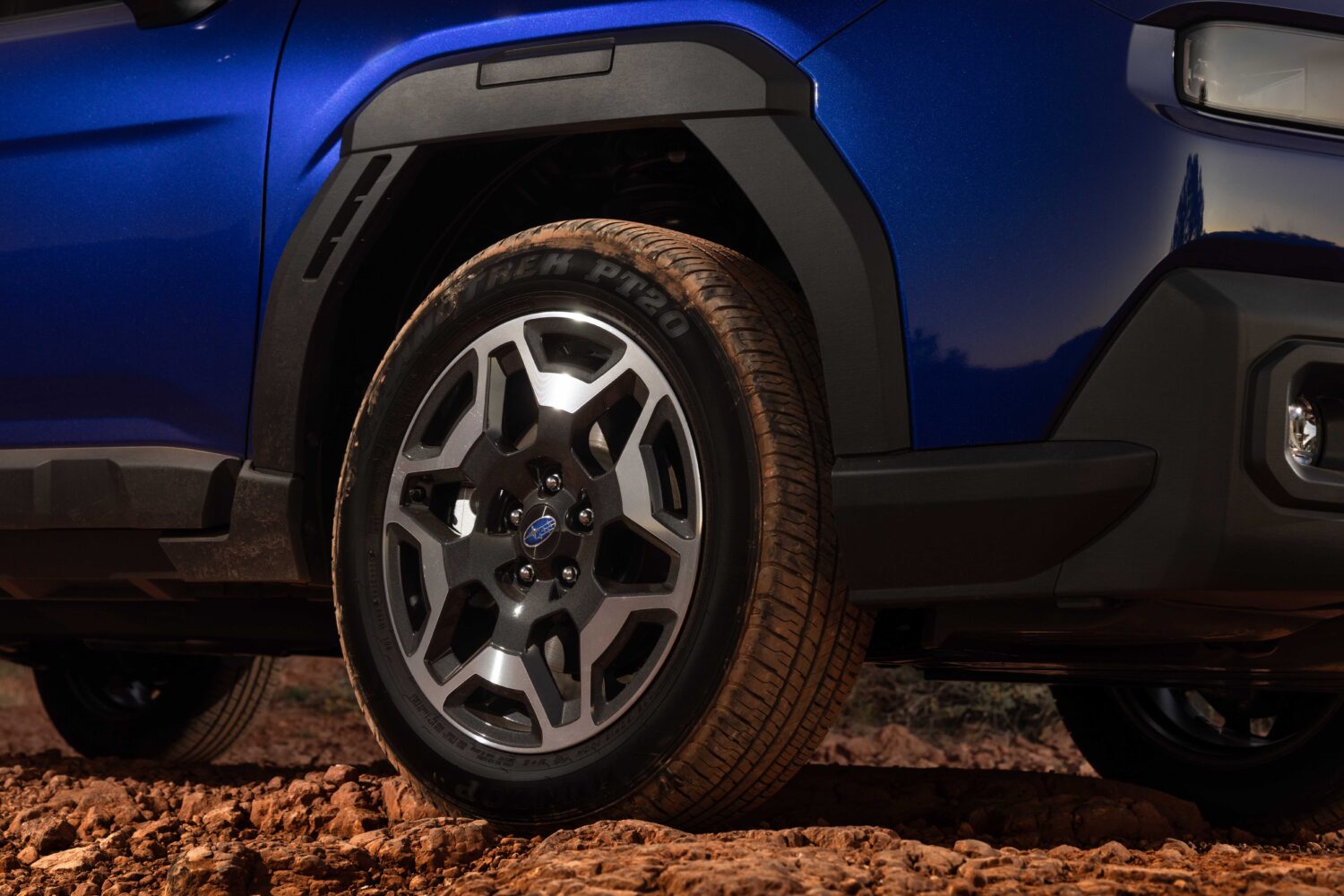
Touring and Limited trims have standard 19-inch wheels.
Where the new Outback really shone was on teeth-rattling washboard. Gone are the old squeaks, bangs, and jangles of old Subarus. The 2026 Outback feels tightly screwed-together and eerily quiet, a welcome improvement. On long off-road traverses, it’s easy to underestimate how much noise, vibration, and harshness of ride can grate on drivers and contribute to fatigue. How well this newfound solidity holds up over the long run of ownership isn’t clear, but it’s a great start.
In addition to the robust roof rack and the versatile cargo area, a few other under-the-radar touches help set up the Outback as an out-of-the-box adventure vehicle. The 68-amp-hour main battery with dedicated power management software allows drivers to use lots of 12-volt accessories with the engine off for long periods without fear of draining the battery. Plenty of standard rubber floor mats and cargo liners keep the interior protected from muddy puppy feet or on especially grimy or wet journeys. On Limited and Touring models, a 360-degree surround-view camera system offers a crisp and comprehensive view of the terrain around the car. But this is the extent of long-term travel upgrades on the standard models. If anything, the Limited and Touring Outbacks, with their Nappa leather trim and heated and cooled seats, feel almost too nice to get really grubby. There is no inverter or 115-volt outlets, and rock crawlers will need to wait for the introduction of the Wilderness Edition to get real skid plates, upgraded suspension, and gnarlier tires.
A Big Leap Forward for the Outback
In all, the 2026 Outback marks a significant (but safe) leap forward for the model without radically reimagining the original formula. Under the new styling, Subaru has clearly put a lot of effort into boosting the overall quality of the car, both in terms of the underlying engineering and the passenger compartment. The 2026 Outback Premium starts at $34,995, with top-shelf Touring XT models ringing in at $47,995. As we reported earlier this year, that’s worryingly close to the $50,000 mark, which the yet-to-be-released Wilderness Edition will surely land on with dealer-sourced options. The big value proposition on the Outback is the 2.4-liter turbo engine. Adding less than $3,000 to the base price of either the Limited or the Touring model, it’s a no-brainer, as it really makes the wagon take flight.

Pros:
- Silent and clunk-free construction
- Swiss Army knife interior and exterior gear storage
- Gutsy optional turbo engine
- Refined multimedia system
Cons:
- Desperately slow base engine
- Dedicated overlanders will need to wait for the Wilderness Edition
From $34,995 | subaru.com
Read More: First Drive :: 2026 Subaru Forester Wilderness
Images: Subaru, Stephan Edwards
Our No Compromise Clause: We do not accept advertorial content or allow advertising to influence our coverage, and our contributors are guaranteed editorial independence. Overland International may earn a small commission from affiliate links included in this article. We appreciate your support.
