

Overland Journal Podcast Episode #22
New to Overland Journal and want to grab a subscription! Visit Overland Journal and enter code: overlandpodcast at checkout for 20% off. We thank you for being a subscriber.
Guest Bio:
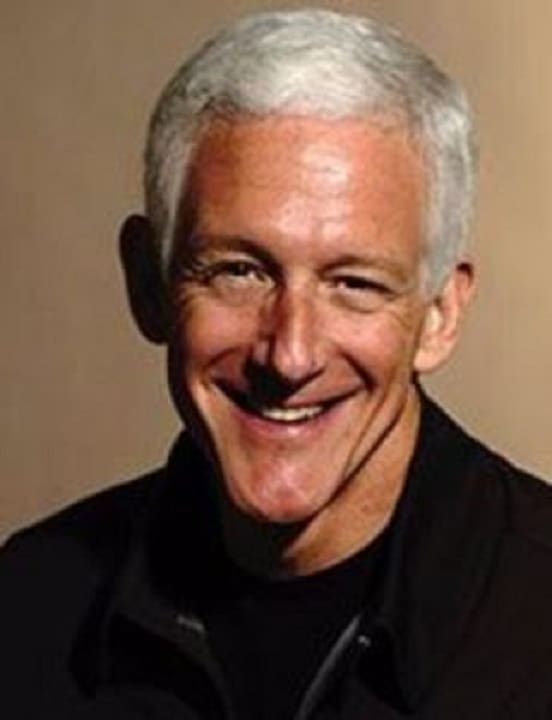
Chris Van Dyke is a distinguished branding expert and visionary leader with over 30 years of experience across the private, public, and non-profit sectors. OSU-Cascades Vice President Becky Johnson praised his integrity and passion for outdoor adventure, noting his message deeply resonates with graduates. Van Dyke began his career in law, serving as a district attorney in Oregon before joining Nike in 1984. During his 14-year tenure at Nike, he rose to Asia Pacific director of marketing, becoming a central figure in global brand management.
His leadership in the outdoor industry includes roles as vice president of marketing at Patagonia and co-founder of Nau, one of the first benefit corporations in the U.S. An avid adventurer, Van Dyke has sailed the Pacific and motorcycled across the Andes. Now a partner at Songlines Communications in Bend, he holds degrees from Occidental College and Arizona State University.
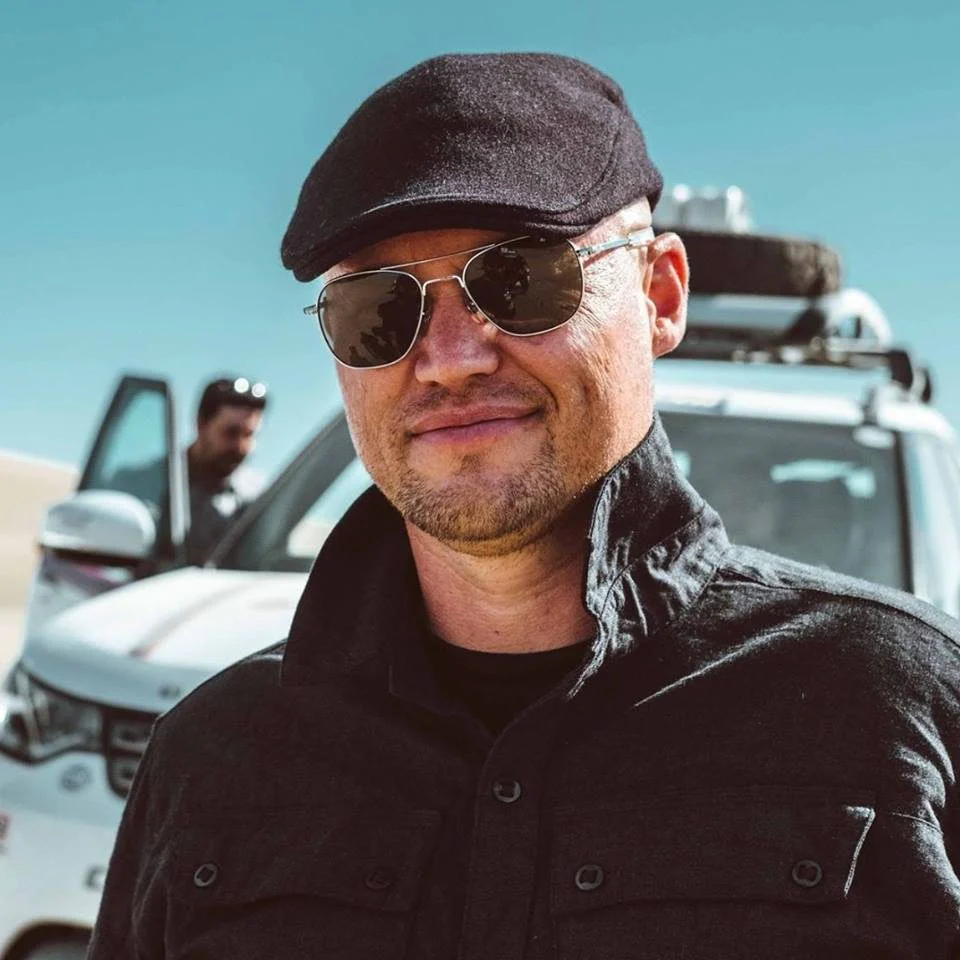
Exploring with EarthCruiser in Oregon
Recorded in Bend, Oregon, Scott begins by sharing his travel plans to explore the Alvord Desert and Steens Mountains with his EarthCruiser. This backdrop sets the stage for an engaging conversation with Chris, a dear friend and travel companion. Scott and Chris reminisce about a memorable motorcycle trip through South America but quickly dive into a broader discussion about Chris’s life.
Business Wisdom and the Seeds of Adventure
Chris Van Dyke’s career spanned significant roles at renowned companies. His time at Patagonia and nearly two decades with Nike, transitioning from their legal team to a product manager, equipped him with a treasure trove of business wisdom. He shares stories that have left imprints on those around him, emphasizing the impact of insightful advice over the years.
Sailing the World: From Alaska to Antarctica
Chris recounts his transformative sailing experiences, emphasizing the importance of preparation. From cruising through the Sea of Cortez to adventurous passages from Tahiti to Hawaii and even into the icy realms of Antarctica, his tales are filled with awe-inspiring encounters with wildlife and the sheer power of nature. He highlights the learning that comes from ensuring everything aboard is secure, a valuable lesson that translates into his extensive overland travels.
Translating Sailing Lessons to Overland Travel
The conversation steers towards applying lessons from sailing to overland travel. Chris shares how meticulous preparation, honed during his sea voyages, is crucial for successful and safe overland adventures. His stories illustrate the importance of foresight and planning, whether on water or land.
Building a Cultural Legacy: Lessons from Patagonia
Chris reflects on his time at Patagonia, a company renowned for its culture of innovation and environmental responsibility. He discusses how maintaining core values amidst growth is comparable to nurturing a relationship. The conversation delves into how Yvon Chouinard’s leadership philosophy allowed Patagonia to thrive by emphasizing quality and letting their people enjoy life beyond work.
The Pursuit of Balance: Time, Wealth, and Adventure
A poignant segment of the conversation is the exploration of life balance. Chris advocates for prioritizing time and experiences over the relentless pursuit of wealth. His insights are particularly moving as he recounts personal trials that reshaped his priorities, urging listeners to savor life’s adventures and avoid regret.
Motorcycle Odyssey: Lessons from the Road
Reflecting on their epic motorcycle journey from Colombia to Ushuaia, Scott and Chris discuss the lessons learned from traveling on two wheels. From the camaraderie of riding with skilled companions to the technical challenges faced, they emphasize the importance of training and taking calculated risks, reminding us to always strive to be better.
Nike: Learning from Failures and Building Success
Chris shares pivotal moments from his tenure at Nike, detailing the company’s navigation through mistakes and their strategic comeback. His narrative about the birth of the “Just Do It” slogan, signing Michael Jordan, and embracing innovation provides invaluable insights into brand management and cultural perseverance.
A Great Company Revitalized: The Patagonia Comeback
Chris recounts how Patagonia confronted its challenges and successfully realigned with its core values, reinforcing its commitment to environmental and social responsibility. This segment underscores the power of maintaining authenticity in business.
Modern Vehicles and Evolving Adventures
Moving into the present, Chris discusses his current overland vehicle, a thoughtfully designed Sprinter van, crafted to suit his travel needs. This conversation reflects his experience-driven approach to configuring vehicles that are reliable and efficient.
Books, Travel, and Life Lessons
In the latter part of the podcast, Chris shares his favorite books and their profound impacts on his worldview, recommending titles like “Man’s Search for Meaning” by Victor Frankl. He concludes with advice for aspiring travelers: step outside your comfort zone and embrace the growth that comes from new experiences.
Host Bios:
Scott Brady
Scott is the executive publisher and co-founder of Expedition Portal and Overland Journal and is often credited with popularizing overlanding in North America. His travels by 4WD and adventure motorcycle span all seven continents and include three circumnavigations of the globe. His polar expeditions include two vehicle crossings of Antarctica and the first long-axis crossing of Greenland. @scott.a.brady
Our No Compromise Clause: We do not accept advertorial content or allow advertising to influence our coverage, and our contributors are guaranteed editorial independence. Overland Collective may earn a small commission from affiliate links included in this article. We appreciate your support.
Transcript
#22 Exploring Business and the World With Chris Van Dyke
Scott Brady: [00:00:00] Hello and welcome to the Overland Journal Podcast. I am your host, Scott Brady. Uh, my co-host, Matt Scott, he’s not with me today. I’m up in Bend, Oregon, beautiful part of the country. I’ve picked up an EarthCruiser and I’m getting ready to head out into the Alvord Desert and the Steens Mountains for a few weeks of exploring.
And being in Bend, Oregon, uh, gave me the opportunity to connect with a longtime friend and travel companion, Chris Van Dyke, who’s gonna be on the show with me today. Thank you for being on the show, Chris.
Chris Van Dyke: Oh, it’s my pleasure. It’s a double pleasure ’cause I get to see you. It’s been a while.
Scott Brady: Yeah, it has been a while.
Great. And we, uh, enjoyed an, an amazing trip on motorcycles down in South America, but we’re gonna touch, uh, the, the very tip of the iceberg of Chris’ life and his experiences, uh, in business and as a traveler. In business, Chris was the vice president of product development and marketing [00:01:00] for Patagonia. He worked for nearly two decades with Nike, uh, both in their legal team and then as a product manager, and he helped found the Now clothing brand, uh, which is a, a premium, uh, line of, uh, both urban and outdoor related performance clothing.
He was a district attorney as well. I mean, there’s a lot of, there’s a lot of great stories that, that we’re gonna go through today, and he’ll… He has some incredible insights related to not only travel, but also business. Uh, I was reminding Chris before we started the, the recording that, uh, there has been a few nuggets that he’s given me of thoughts through the years that have stuck with me for, for literally for years and made a, made a huge difference in my business.
So thank you, Chris, again for- Well- … for being on the, on the podcast … ab-
Chris Van Dyke: absolutely my pleasure, Scott. Thank you for inviting me.
Scott Brady: Well, uh, I think it would be neat to first talk about the places that you’ve traveled. The sailing stories just sound fascinating. So tell, tell us about where you sailed in the world with, with Chris, [00:02:00] your wife, and, and where you, where you traveled.
Chris Van Dyke: Well, we, we took off for three years on our own sailboat and sailed it to Alaska, uh, to, to Mexico, spent several years in the Sea of Cortez, the coast of Mexico and South America, and then we crewed on a boat, and we became kind of regular crew members. We crewed on a, uh- Month-long passage from Tahiti to Hawaii.
Then we crewed on a month-long passage down the coast of Peru from Puerto Montt to Ushuaia. And then I did a five-week trip from Ushuaia to Antarctica and back-
Scott Brady: Oh …
Chris Van Dyke: which was the, the culmination of my, uh, hairball sailing experience.
Scott Brady: So, so you’ve nearly sailed the seven seas it sounds like.
Chris Van Dyke: Pretty much. And we’ve chartered all around the world.
We’ve, we were, rode out a hurricane in New Zealand on a charter boat and-
Scott Brady: Wow …
Chris Van Dyke: sailed in Thailand, Australia, New Zealand. Um, sailed some in the, in the Caribbean, uh, Mediterranean. So just almost everywhere, so.
Scott Brady: Well, it, it, it, the timing of [00:03:00] this conversation is around COVID and, and you wanna talk about being able to socially distance yourself, being on a sailboat would allow you to do that in ways that would be- Oh
pretty, pretty impressive.
Chris Van Dyke: Yeah, for a month at a time pretty easily.
Scott Brady: Yeah. I was reading in the news, uh, just a couple days ago about this guy who had been on, out in the ocean for three months, and he cruise, you know, he cruises into, into the port in New Zealand. Now, he knew what was going on from some satellite communications, but they wanted to quarantine him when he showed up.
And he says, “Man, I’ve been quarantined for three months.” So it was, it was really, it’s pretty interesting to see how- Yeah … isolated… I mean, we think we can get isolated overlanding, but you can really get in the middle of nowhere on a sailboat.
Chris Van Dyke: You can. I mean, you, you can be a month from land.
Scott Brady: Wow.
Chris Van Dyke: And, and, you know, rescue is a whole different proposition out in the ocean.
You can hope for freighters, but, you know, sailors like to get out of the shipping lanes. Yeah. They’re the [00:04:00] good places to sail, so it makes the chances of, of rescue if needed even, even more hazardous and, and remote and You know, it’s, it’s interesting because the time at sea is not only psychologically interesting- Yeah
being in this small space with infinite horizon in every direction, uh, but also physically. You’re- Yeah … you’re in constant motion. Uh, you’re never still. Mm-hmm. And to step off a sailboat after being on it for a month or two, you get land sick. You can’t… You get nauseous from being still. It’s a real, just a, a, you know, opposite reaction, but it’s-
Scott Brady: Oh, that’s fascinating
Chris Van Dyke: physical as well as psychological. It’s-
Scott Brady: And tell me about the trip that you did to Antarctica. What kind of a boat was it, and what you experience in that five or six weeks down to Antarctica?
Chris Van Dyke: Yeah, it was, it was a, a boat that was called Flyer-
Scott Brady: Okay …
Chris Van Dyke: that won a Whitbread back in the ’70s, and it was purchased and, and privately turned from a ketch into a sloop and was doing sort of private high [00:05:00] latitude sailing, and it’s the boat, uh, we, we crewed on from Tahiti to Hawaii, got to know the skipper and first mate, and they wanted to go to Antarctica.
They hadn’t done it before. So they kind of scooped up crew that they had spent a month or more with to be very selective because you’re 12 people in a 60-foot boat for five weeks is, uh, socially interesting. Put it that way. I can imagine. The dynamics are really important.
Scott Brady: Sure. ‘
Chris Van Dyke: Cause like bivvying in a tent for three or four days, imagine that for a month, five weeks.
So I was invited on the trip. Uh, my wife Christine sailed down the coast of, of Chile in preparation, then we outfitted the boat in Ushuaia and left Ushuaia, went past Cape Horn, went down onto the Antarctic Peninsula, and sailed around down there until we were driven out by a, a really serious cyclone, 80 mile an hour winds, 40-foot seas.
We kind of fought our way back to the, to South America, but it was extraordinary. I mean, it’s, it’s, it’s another planet. [00:06:00] It’s-
Scott Brady: Yeah, genuinely is. Yeah. And I’ve not been to the peninsula of Antarctica, and ’cause there’s so much wildlife there. Were you able to, to interact with some of the wildlife there? Oh,
Chris Van Dyke: in- intense.
Wow. No, just the whales and the seals and the penguins, and, you know, the penguins, they, they haven’t seen people, so you get off the boat and land, and they just sit in the middle of them. It’s just-
Scott Brady: They don’t care?
Chris Van Dyke: Yeah. The, the wolf seals are aggressive. You gotta be careful with your inflatables with those things, and, um, whales everywhere.
I mean, it’s just ex- it’s extraordinary. You know?
Scott Brady: Wow.
Chris Van Dyke: The light, it’s light 24 hours a day.
Scott Brady: Right.
Chris Van Dyke: You can be a monkey with a camera and get good photographs.
Scott Brady: That’s so true. That’s, that explains why I’ve gotten a few good photographs- … in my life. Uh, good light. Um, what, when you, when you were doing all of this sailing- And then you started to do more overland travel.
Uh, give us some insights into what you learned as a sailor. What were some of those takeaways that really helped prepare you for overland travel?
Chris Van Dyke: Oh, interesting question. Um, you know, [00:07:00] when I first started doing offshore passages, I started by racing up the coast of Washington, did the Swiftsure Race out and around s- uh, Swiftsure Rocks.
Um, I had a friend that, whose boat I crewed on, um- That we’d had during several overnight passages. He had this story. He said, “Well, every boat has this black box down in the bilge, and when you’re offshore at night, that’s when shit happens.”
Scott Brady: Sure.
Chris Van Dyke: Um, you can’t see land, everything’s dark, it’s storming, you’re being thrown around.
You’re making withdrawals from that black box.
Scott Brady: Okay.
Chris Van Dyke: And that one withdrawal would be to have a part you needed, or one withdrawal would be something didn’t break because you checked it. Those are all the withdrawals you make. You need to keep a, a net positive balance in that bla- black box or you sink.
You
Scott Brady: know? Yeah.
Chris Van Dyke: You put deposits into the black box with preparation and planning. Hmm. And you literally think about every contingency on a sailboat, because as I mentioned a minute ago, um, rescue is going to [00:08:00] be far away, and a 60-foot boat can sink in two or three minutes, the right size hole in it. Uh, so you, you need to stop that from happening.
And so just preparation and thinking through every contingency prepares you for, for the trip. When we, my wife and I went sailing, we went, uh, down inside our boat, took pictures all around the boat, then turned the pictures upside down, and said, “If we rolled this boat, what would be flying around inside the cabin?”
And we thought we’d identified everything. We hadn’t. Refrigerator lids, uh, heavy toolboxes, things, batteries that weren’t properly secured. They were held down from, you know, moving around sideways, but bouncing a, a eight D battery upside down is gonna create havoc inside a sailboat. So we, we literally spent a month just correcting things in the unlikely event that you were to pitch pole or roll the boat, it happens, that you’d be safe inside.
Um, if the boat floats, it’s the same place. And that can, and that can happen
Scott Brady: w- that can happen with a vehicle. You could easily roll it. [00:09:00] You’re so right. So securing all that stuff.
Chris Van Dyke: Securing it, and then like a vehicle, where do you secure it? You know, how, how low in the boat are the heavy things? Um, where do you put the chain?
How do you, where do you put the batteries? Where do you keep the tools? All of those, you know, extra oil, the water, all of those things, uh, affect the balance of a sailboat, and dramatically affect it if it’s, if it’s turned on its head. So thinking about those things. There was, we did our first offshore trip up the coast of Washington, and our sailboat has what’s called a steering quadrant.
The cable comes around the steering wheel, goes around pulleys, and goes back around the rudder. And there’s a big piece of bronze about three feet in diameter that the wire rope runs around and comes back to the pulleys. And when you turn the wheel, it shifts this, and this big iron thing turns the rudder shaft.
Scott Brady: Okay.
Chris Van Dyke: The pulleys, as they turn, the, the, the cable as it turns a corner, there’s bronze pulleys, and there’s just steel bearings that go through. I, just before our trip, I said, “You know, I think I better go st- check out the steering system on this.” And the [00:10:00] steel pin, the cotter pin had fallen out. The pin holding the pulley had backed halfway out.
It was still holding the pulley on, but a quarter inch, the pin had come out, I’d lose my steering. Not something you want to happen offshore – Wow … while you’re sailing. You could lose c- total control of the boat. So, you know, just the inspection, the preparation, thinking about contingencies, I think all of those are directly transferable into overland travel, in a vehicle, on a motorcycle.
Na- name your equipment. Just, uh, thinking through where you’re going, what you might need- Hmm … and then prioritizing, you know? ‘Cause you can’t take everything.
Scott Brady: Yeah, it was interesting when you just showed me the little walkthrough with your Sprinter today. Uh, I, I immediately noticed that right behind the driver’s head was the satellite phone, all of the communication devices.
And a lot of times people will have a sat phone tucked into a drawer in the back of the vehicle, or they’ll, it’ll be maybe in the drawer of a Sprinter. But if that vehicle was to catch fire, you won’t be able to [00:11:00] get to the phone. So that, to me, when I first saw that, I thought, “This is somebody who has traveled a lot.”
And it, it makes sense with the boat. You’ve gotta be able to grab that stuff in a moment.
Chris Van Dyke: Absolutely. And, you know, packing your life raft. I mean, what, what are the things you want in your little, uh, Pelican case inside that life raft? Yeah. And so you gotta spend some time… And there’s a lot of, people have a lot of experience on this.
You know, people have actually spent a lot of time in life rafts. Sure. But you need to do the research. You need to look to the experts who’ve actually encountered these things and, and see what saved them, what worked, what didn’t, what would they have left home. You know, what were the critical items? And I think you need to go through the same checklist, you know, on the water or on the dirt.
Scott Brady: Yeah.
Chris Van Dyke: Just same things apply.
Scott Brady: Well, that’s fascinating. And, and I, I remember reading parts of Yvon Chouinard’s book, L- let, I think it was Let My People Surf, was it? Yeah,
Chris Van Dyke: yeah.
Scott Brady: And, you know, in your time with Patagonia, w- how did you see that translation come across, where they were able to [00:12:00] grow a company so successfully and m- have such a, an emphasis on quality and innovation, but still let their people surf?
If there was somebody listening to this podcast with a, with a new business and they’re trying to build that kind of a culture, what would be some things that you would recommend to them to think about in how to make that culture- Yeah … exist for them too?
Chris Van Dyke: No, and how, how to preserve it. Yeah. Because what happens with growth is those cultures die.
Oh. Um, there’s… It’d be successful as a business, but die as a culture, and that’s a painful thing to see. And I, I’ve been blessed to, to have been at two kind of iconic brands, um, Nike, which focused on sport, and Patagonia on outdoor gear, which both struggled with that-
Scott Brady: Yeah …
Chris Van Dyke: uh, through the growth phase, and both were founded by people who had, had an overriding passion for the, the sports that they made equipment for.
And, and Nike was running even o- originally, but it became basketball and tennis and baseball and football and all the cleated sports. [00:13:00] Patagonia was climbing and branched out into alp- all sorts of alpine sports. And I, I think kind of the hard way, through some, some rough times, both companies learned that- Um, protecting a culture is like protecting a relationship.
Mm. It takes, takes investment, takes time. It takes commitment. Uh, it takes making sure everyone knows what the, where the guardrails are for the company and what their value, what the shared values are. And for Yvon, um, he has maintained his passion for surfing, climbing, fly fishing, traveling. That’s what he does, and he’s, he is quite literally a billionaire.
He gives away a lot of his money to conservation, environmental causes. But that is one big component of the values-driven culture that, that he’s created and nurtured. Yeah. He’s really worked to keep those values in place because you know what it’s like. You, you start a company with three or four people, then it’s 20, then it’s 30, and oh my God, we’ve got more sales than [00:14:00] we can make product for, and pretty soon you got 100.
Well, the last 80 people don’t know the stories. They don’t know the, the, the hardships and the, the, the travel stories and the adventure stories that the- Mm … founders knew. You’ve, you’ve got to expend some effort to, to keep those elements alive in a culture so that people can sh- can share the, the things we learn from them, and- Yeah
it takes effort, and it’s a lot of work.
Scott Brady: Yeah, I could, I can see that, and, and it’s something that as the overland industry grows, trying to maintain that, those ethics of being responsible travelers and, and being good guests in the countries that we visit, and being mindful of our impact, um, both towards the environment and towards the cultures that we interact with, being very positive around that.
And it was… It’s interesting when you read a little bit about Yvon’s history. He was a bit of an overlander himself. He ended up doing a, like a Volkswagen van trip down through the, through s- and a sailing trip through South America, right?
Chris Van Dyke: He [00:15:00] did. He traveled. They left in a Volkswagen bus, or f- I’m sorry, a Ford van.
Scott Brady: Ford van,
Chris Van Dyke: okay. Because he was in Patagonia. They had to… They took a transmission apart on the side of the road in Chile someplace. And eventually sold it, uh, but they were headed from California down, uh, to climb Cerro Torre and Fitz Roy, uh, in the tip of South America, and they went down. They bivvied in a cave, in a cave for a month before they made their assault, but they surfed in the northern part of South America.
They climbed and skied the mid part, and then- Did their famous climb down the tip of South America at the end of it, and it was a six-month journey. So yeah, he’s, he’s traveled all over the world. Um, uh, y- the only place I went first before him was Fanning Island. I got there on a sailboat to surf before he did.
It’s the only claim I have. It’s the only pl- only place on the planet that I was first, but yeah, he is- Wow … a very experienced traveler.
Scott Brady: Yeah, prolific, right?
Chris Van Dyke: Yeah.
Scott Brady: And do you feel that those travels helped him shape his company as well? Do you think that that gave him s- it’s, it maybe centered him or [00:16:00] grounded him a little bit?
Chris Van Dyke: N- without question. No, I, I think the, the values of travel and the way he traveled, uh, w- was sparse. I mean, he took very little gear, lived off the land. When he w- the company was first started, uh, they couldn’t afford food when he was climbing in Yosemite, and they literally bought dented cat food. They couldn’t afford full-price cat food.
They got dented cans of cat food and ate cat food while they were climbing in, in Yosemite back in the ’60s.
Scott Brady: So-
Chris Van Dyke: Incredible … you know, I think living that way simply and, and focusing on the experience and not crowding it with extraneous, uh, uh, uh, challenges and problems and things you have to find solutions for, I think he still lives simply even as a billionaire, and he, he runs the company simply.
There’s, there’s no offices. Everyone sits in common areas. Um, he, he spends… My, my first week there [00:17:00] can- was comprised of I sat in the day with him in a blacksmith shop. He told me the history of the company as he made a piton- Wow … which he made when he first time founded the company, and then I sat in a r- office with him for another two days, having him talk to me about the philosophy of the company.
And- Wow … that’s what he puts people through. He really wants everyone who works there to understand the, the values that have driven it and, uh, frankly have made the place so successful, right? That- Wow … people know that Patagonia walks the talk, and it’s, it, it’s, it takes some work. Yeah.
Scott Brady: Yeah, that’s a fascinating story that someone at that level of leadership within that size of an organization- Yeah
would take that amount of time. I don’t think most do that, and I think that that’s probably why those cultures get lost or they get reinterpreted- Yeah … as new people come on board.
Chris Van Dyke: And now he’s got people helping him, you know? That, I think, you know, the company’s tripled in size or doubled since I was there.
But the, just that exercise of introducing people to the culture so that when reference is made in a catalog or Yvon makes reference to a story about something that [00:18:00] happened, there, you know, there aren’t these glazed eyes. People know what that story’s about. Um- Yeah … and you know, there’s a rich history with Doug Tompkins and, and Chris and all the people, Rick Ridgeway, that are, are really a part of the legacy of the company and have all played an important role in it, and, uh, he, he makes people familiar with their stories as well.
Scott Brady: And one of the things that I’ve, I’ve taken away from a lot of your stories, Chris, is it looks like that you have had these chapters in your life where you get, uh, very focused on, uh, a business opportunity or maybe something that you wanna create. Uh, you focus on that and you… It seems like you understand the timing when it- you need to be done with it or move on from it, and then you go and you play.
I mean, you go travel the world by a sailboat or you go… Uh, help the listener, maybe give some encouragement or some understanding around how do you do that? How do you accomplish that in your life where you can, you can have these sprints as a business person and then [00:19:00] follow it up with a day that you leave and you go off on your sailboat?
Chris Van Dyke: Yeah. I, I think Initially that was simply attention deficit disorder for me. I get, get bored easily and I like to play, and so I always wanted to do something new. But I think, I think as I got older and, you know, kind of became more senior in some of the positions I had in companies, it just became an element in our planning.
You know, when we went sailing, um, that’s not an activity that two people on a sailboat can do when they’re 80 years old or- Sure … 70 years old. We wanted to do it while we’re young enough to physically be able to do it. And we said, “We can take time out. We’ll come back and we’ll look for something else to do,” and just made the decision.
You know, there’s a, a little bit of stepping off the edge when you leave that good job- Right … to go do something. Um, I wouldn’t trade the experiences I’ve had for anything in the world. And, you know, had I stayed in some of these companies, would I have been more senior and, you know, been… had more responsibility?
[00:20:00] Probably. You know, you’ve gotta make a, a, a trade in your life about, you know, what sort of balance do you want? If you wanna be the CEO of a Fortune 500 company, or would you be happy being a VP of marketing and then taking three years off to go sailing?
Scott Brady: Right.
Chris Van Dyke: It was the latter for me.
Scott Brady: Yeah.
Chris Van Dyke: Right? So, you know, everything’s a trade.
And, um, I think if, if you plan well, it’s a, it’s a… For me, it’s been a really easy trade to make.
Scott Brady: Yeah, one of the things that’s been so interesting for me in having these conversations for the podcast and the people that I’ve met in recent years in my life, it seems that across the board there is this recognition that, uh, the one true piece of wealth that we have is time, and, and it seems like that we spend time with recklessness.
It seems like that we’re always convinced that we have more time. So we’re, we’re very frugal with money even- Yeah … or we wanna try to accumulate as much money as we can, but then we’ll give away time like it doesn’t have any value, and it’s [00:21:00] really the only thing… I mean, from Bill Gates to me, there’s…
Bill doesn’t have any more time than I do in a day. He can’t… Even being a billionaire, he can’t buy more time than 24 hours.
Chris Van Dyke: Right.
Scott Brady: So it’s, it’s very finite and it seems like that the more that I consider it, the more that I think about it, the more that I recognize that wealth for me is starting to look like, how much time can I spend- Yeah
enjoying the world? Like, it really comes down to time. Do I have enough money to take off for months or years at a time?
Chris Van Dyke: It’s about setting priorities- Yeah … and what’s the most important thing to you. And, you know, I- Lost, you know, kids in my life who didn’t get to grow up and, and you know, the losing an only child I think reset all my value points- Mm
about time being the one asset, uh, that we have, that’s the only thing we have even a slight bit of control over.
Scott Brady: Sure.
Chris Van Dyke: And you start making decisions based on that. You know, I, [00:22:00] I, I, when we did the, uh, the video for the, the South America trip-
Scott Brady: Right …
Chris Van Dyke: um, at some point someone was asking me, “So why in the world are you doing this trip?
You know, you’re, you’re way over your head.” This is, this is way beyond what a sane person would do with the writing abilities that I possess. And I, I, I, I really meant it when I said that, you know- I’m not gonna be laying on my deathbed wishing that I had worked more days.
Scott Brady: Yeah.
Chris Van Dyke: That’s not gonna be… I know for a fact that’s not what I’m gonna be thinking about.
But I don’t wanna be laying there regretting the things- Mm … that I would have liked to have really done and didn’t simply because I got my priorities wrong. And I-
Scott Brady: Yeah …
Chris Van Dyke: I think it’s, it’s about making decisions of, of what your priorities are. And once you do that, the rest is easy. You know, that’s, the decisions-
Scott Brady: Yeah
Chris Van Dyke: are no-brainers.
Scott Brady: Yeah. It seems like regret is the most difficult pill to swallow. Yeah. ‘Cause you can’t… Uh, it’s like you… It’s the things you can’t undo or you can’t fix, ’cause it’s already, the ship has sailed, right? So-
Chris Van Dyke: And money, things, okay, you can make more [00:23:00] money, but like you said, time is- So finite … well, you just don’t create more for yourself.
Scott Brady: Well, and that brings me to the trip that we did to, to South America. So this was Expedition 65. Yeah. It was put together by a mutual friend of Chris and mine, uh, Jim Hyde from RawHyde, and, uh, they, they conduct, uh, premium BMW Motorrad training. So if you’re a big bike rider, or even if you’re not and you’d like to see how it is to learn how to ride a big bike, uh, they do a great job of training.
It’s just, uh, they… We don’t have any affiliation with them. This is just a personal recommendation based upon my, the learnings that I’ve had with Jim and his team. But Jim pulled together a small group of people. I think there was maybe 18 of us total.
Chris Van Dyke: Uh, I think we started with 13.
Scott Brady: 13, okay.
Chris Van Dyke: Because we had a driver- That’s right
we had 12 other people, but I think there were 13 riders.
Scott Brady: Yeah. So it was, uh, a little bit bigger than you’d normally have in a group of buddies, but, um, by the end of it, we all were a group of buddies. But, uh, it was, it was such a, a, [00:24:00] an eclectic group of folks. And we, we left Cartagena, Colombia, and the intention was for the group to go all the way to Ushuaia.
And, and there wasn’t a lot of folks that actually made it to the end, not because they got sick or injured, but I think the, the timing, they ran out of time maybe, right?
Chris Van Dyke: Well, no, uh, two people, Chris White and Bill Whitaker, had to leave the group early to make a run for Ushuaia- Okay, got- … ’cause they didn’t wanna miss it.
Scott Brady: Got
Chris Van Dyke: it. So they, their trip was cut short, uh, while we were in, exploring some of the mountain regions of Southern Chile. But everybody made it other than the, the one injury we had. Everyone made it to Ushuaia.
Scott Brady: Yeah.
Chris Van Dyke: Which I think there were 12 riders made it down there at different paces, but-
Scott Brady: And that, was that the longest trip you’ve ever done on a motorcycle?
Chris Van Dyke: Uh, no, without question. No, that was 11,300 and some miles in two, about two and a half months.
Scott Brady: And what did you take away? I mean, you’ve, having traveled in sailboats and- Tacomas and Expedition vehicles. What did you learn traveling on the motorcycle? What was your [00:25:00] big takeaway from the bike?
Chris Van Dyke: Oh my gosh. W- um, well, the takeaway from the bike was a 1,200cc bike is capable of riding a ride like that.
And, you know, as you know, a lot of it off-road in some, some, some pretty severe terrain.
Scott Brady: Yeah, we were really off-road.
Chris Van Dyke: Yeah. I- if you train. Uh, I, I’d ridden motorcycles my entire life. I rode bikes from the time I was 12, 13 years old, and I’d never been trained on how to ride a 560-pound bike- … in the dirt. And I- Sure
I did a couple courses with Jim. I learned more in three days. And I’m, I’m not affiliated either. I’m just a happy former customer.
Scott Brady: Right.
Chris Van Dyke: Uh, but for that training, I would not have been able to successfully do this ride. Um-
Scott Brady: Yeah, some of that stuff we did in Ecuador was pretty technical. That
Chris Van Dyke: was challenging.
Oh, my goodness. It was- Yeah. You know, and there, there were… We, we had the, uh, uh, Colin Evans. And Colin became a good friend, and, uh, along with everybody else. But I, uh, Colin lives in Oregon, so I see him more. But we, we had the, the DFU- [00:26:00] Um, number for all these elements we’re on. Don’t look up.
Scott Brady: Yeah.
Chris Van Dyke: And the death road, which is supposed to be the ultimate DF road, that was like a six or a seven.
Right. We were on roads that put that thing to shame. I mean, literally, you remember, there were six, seven-foot wide, rocky, off-camber-
Scott Brady: Totally …
Chris Van Dyke: 10-degree downhill, and 1,000-foot drop-offs. I, I, I would be nervous walking on some of those roads.
Scott Brady: Yeah.
Chris Van Dyke: They were intense.
Scott Brady: They,
Chris Van Dyke: they were-
Scott Brady: And we were taking big bikes.
Chris Van Dyke: We were taking big bikes.
They were big bikes. And just don’t look. I mean, the, the one, the lesson, don’t look where you don’t wanna go. And I will tell you, how many times that went through my head, “Don’t look where you don’t wanna go. Don’t look where you don’t wanna go.”
Scott Brady: Target fixation,
Chris Van Dyke: right? ‘Cause you really don’t you don’t wanna go there.
Scott Brady: Well, and I, I think the, it was the last night that I was with the group, we were way up in the mountains in Peru. Uh, I think we were maybe 14,000 feet. Yeah, yeah. And that was one of the coldest nights I have had camping in my life. I was, I [00:27:00] had all the gear I needed on the bike, and, and I think that that’s one of the things that I love about the motorcycle, is it reminds us of how simple life can be if we allow it to be.
Yep. Uh, so I, I traveled for months off of that motorcycle with everything, you know, just a few items, if you think about it. It would all fit in the passenger seat of a car.
Chris Van Dyke: Yep.
Scott Brady: Everything that I had.
Chris Van Dyke: Yep.
Scott Brady: And but I was cold that night, and, uh, that was such a neat spot. It was beautiful by that lake and everything.
Stunning.
Chris Van Dyke: Right. And it was like a gold mine or something- It was … nearby, wasn’t it? You know, the … It was, you know, I think the other big takeaway for me was, you know, follow as closely as you can to riders that are better than you, and watch ’em. Yeah. I mean, just pay attention. And, you know, the, the few times I could catch up to you, watching you was one of the people I, I watched in this.
You know, but Jason and Chris White and- Yeah, good riders … you know, some of the riders on, on, on this trip were extraordinary. Yeah. Not just good. You know, Tiberio.
Scott Brady: Yeah,
Chris Van Dyke: really good. These, these guys are world-class, [00:28:00] and there’s nothing better. If you can f- can finagle your way into a group of riders that much better than you are, just pay attention what they’re doing, and, and don’t be shy about asking.
Yeah. And, uh, and I learned a ton just from the people on the ride. It’s just really, really good.
Scott Brady: There’s so much that we can take away from m- keeping that mindset of being a student, right- Yeah … of always, of always learning. And I learned so much on that trip from all of you that I was, that I was with.
And, and the importance of, the importance of training, especially on something very … I mean, motorcycles fall over, and that’s what … I think people get away with a lot of stuff in four-wheel drives- … because they don’t typically fall over, right? Right. But you can’t fake it on a motorcycle. It, it’s over. You either, you either get the skills and you learn how to ride one, or you don’t, or they fall over, so.
Chris Van Dyke: No, and it, there were, there were sections. It, we were- 15,000 plus feet in Bolivia and we had about 20 miles of… There really wasn’t a road. There were tracks through two [00:29:00] mile wide sand for 20 miles and I’m not, I’m not a lover of sand, and I was struggling. I went down, I… You know, 20 times if I went down once.
Sure. And, um, uh, Evan Furstman rode, finally rode up to me, uh, as I was laying under my motorcycle saying, “Someone just shoot me.” ‘Cause at that altitude, picking your bike up, I- Oh man, you’re smoked … I was, I was so toast. You’re smoked.
Scott Brady: Yeah.
Chris Van Dyke: And Evan kinda shuffles up, said, “Hey Chris, how m- how many pounds of air you got in your tires?”
I said, “I’m, I’m aired down. I’m down to, like, 21 pounds.” He said, “That’s 10 pounds too many.” That’s right. He literally took my tires down to 12, 11, 12 pounds. I rode right out of there. You know, it was just little things like that. I said, “One won’t stay on the rim.” He said, “That’s the least of your problems, bro.”
Scott Brady: He’s right.
Chris Van Dyke: Yeah, he’s right. Yeah. I’m not gonna hit a rock, not in that stuff. Right. And I was able to totally ride out. You know, the, the lesson of the day that’s, you know, saved the rest of that week for me was simply, you know, when you get a [00:30:00] really extreme condition, you gotta make extreme adjustments, and I just…
Those people knew that stuff. I didn’t. It was really g- it was fabulous.
Scott Brady: Yeah, and I think one for me, one of the other lessons that I really took away from that trip is the importance of not riding at night. It doesn’t mean that that doesn’t happen on occasion- Yeah … where you have a flat and you gotta fix it, or you have a, you know, a GI issue ’cause of a bad taco and you, you know, you end up coming into camp or into a hotel late at night.
But, uh, that was definitely a lesson from that trip. There was just too many nights that we came in late, and there were people that were very tired, limited visibility at night in the developing countries.
Chris Van Dyke: Rain.
Scott Brady: Yeah.
Chris Van Dyke: Yeah. No, it was… You know, I- I… Things happen, right? They
Scott Brady: do.
Chris Van Dyke: So tires get flat, you get lost, uh, you have, you know, some mechanical problem.
But we rode too many nights that we could have planned around. I, I agree. They were the result of bad planning, not unforeseen events. And I- Yeah … I think particularly in, in literally third world countries like [00:31:00] that, too many variables. Yes. You, you just… It doesn’t matter how good a rider you are.
Scott Brady: Mm-hmm.
Chris Van Dyke: Um, those things happen.
Yeah. And I think I, I finally got to the point, I said, “When the sun goes down, Chris goes down.”
Scott Brady: Yeah. I’m
Chris Van Dyke: camping.
Scott Brady: Yeah.
Chris Van Dyke: So you guys can go on. I’ll catch you tomorrow. Right. And, uh, there- I was not the Lone Ranger. This just wasn’t me. There was, you know, a split. Some people just have a higher risk tolerance.
Scott Brady: Sure.
Chris Van Dyke: And that’s, uh… My risk tolerance was unforeseen consequences riding at night. Don’t go there.
Scott Brady: Yeah. One of the, the closest I w- like, in my memory, one of the closest I went to, to really having a bad accident was on that trip, and it was a- at night. And, uh, uh, I was following behind a car and, you know, the car passes over this manhole, what I thought was a manhole cover, but there was no cover there.
And of course, the front end of the bike went, and I just had a split second to try to add some throttle to- to loft the front end a little bit, which maybe helped, but I ended up with a, you know, a high speed, you know, pinched [00:32:00] flat, lost air immediately, and I was lucky that I didn’t go down from the impact itself.
Yeah. ‘Cause the whole back of the bike came up and, and then, you know, and of course the rear barely made it out of the hole. And, and then I ended up with a flat on the side of the road, uh, with really not enough room to pull out. I was really right on the side of the road- Yeah … as you guys remember. And, and, and that was just, for me it was definitely a, a lesson of if it had been the daytime, I would have seen it.
Chris Van Dyke: Yeah.
Scott Brady: Easily seen the shadow- Yeah … and how the light was casting into the hole, and known that that wasn’t a man cover, manhole cover. And yeah, definitely those that are listening, if you can at all avoid riding or driving at night. It, it, you’ll hear it time and time again, but it’s actually one of those great truths, I think.
It,
Chris Van Dyke: it’s real. It’s real. Yeah. And, you know, the hazards, uh, you know, the people down there tie their cattle and horses up on 30-foot-long ropes by the side of the road. That’s where the grass is greener. They do. And the horse walks across the road, and right about throat level is a piece of rope- [00:33:00] Yeah … coming at…
You know, we, I ducked under 10 of those- Yeah … riding at night. And had they been three inches lower, right off the bike. Right. I mean, you know, you just, you don’t see them. And in the daylight, you can see the animal, you see the rope. It’s just- For
Scott Brady: sure …
Chris Van Dyke: it’s a different thing. Uh, uh, the s- the moderate risks become severe in the dark, and you s- you gotta accept that.
Scott Brady: Yeah. You really gotta look at it like Russian roulette. How many bullets do you wanna put in the cylinder, right? And if you, and if, and if it’s w- you know, one out of every 30 days that you have to ride at night, then it’s, your risks are pretty low. And- How many times
Chris Van Dyke: you wanna spin it?
Scott Brady: That’s right. Yeah.
Exa- exactly. And on that trip, uh, actually after I had left the group, I started listening to a book on tape called Shoe Dog. Uh, and it was based upon your recommendation. Right. And that, of c- was, uh, Phil Knight’s book about starting and, and running and growing, uh, the Nike organization. How was that experience working- Oh, uh-
for, for Nike?
Chris Van Dyke: It, I think more than anything else, it’s the job that changed my [00:34:00] life. You know, I was there longer than any place else I worked. Uh, I was, went to school. Was trained as an attorney. Right before I was at Nike, I was actually a district attorney. I was elected when I was 30 years old. I had no business doing that.
Near the end of the term, Nike recruited me to be a lawyer and to go back to Washington, DC, and to carry on the, the fight that had been happening with US Customs. And Shoe Dog ends the book with the battles going on with this particular customs agent that is now fighting with the now publicly traded small company, Nike.
So I was the next attorney in line to go back and do battle with US Customs. So I was hired as an attorney and- Wow … went back to DC for a couple of years and, uh, tried a big case before the International Trade Commission and got a really big settlement, a, a duty claim settlement out of Customs, and brought the check back to, to Knight, and he said, “Okay, you’re coming back to Beaverton, and you’re gonna be in charge of investor relations and PR.”[00:35:00]
I’m a lawyer. What do I know about investor relations, PR? Nothing. Um, I don’t think anyone in any job had ever done their job before at Nike at that time. That was just the culture. It was a bunch of accountants and lawyers who were, uh, track and field guys who loved sports, were competitive as hell, wanted to make better products, and started this company.
And then time I joined the company was about- 400 million, you know? Now they’re pushing 40 billion
Scott Brady: Insane
Chris Van Dyke: They grew from f- first two years I was there, they grew from 400 million to 800 million in one year. From 800 million to 1.6 billion, and then had their first big stumble. You know- Yeah … their stock lost half of, half its value.
The sales went backwards. Nike almost got wiped out in the mid-’80s, and I had a ringside seat, um, in my role as investor relations and PR to kind of, how does a, how does a young, hot brand like this get their [00:36:00] mojo back? And- Yeah … it was the education of my life. I got the, the free MBA, if not PhD, in how does a startup get back on track?
And I, what I learned watching them get themselves out of that hole- literally shaped my professional life from then on.
Scott Brady: What, what were some of those key takeaways? What were those, some of those big learning events that you saw? How did they get their mojo back? Yeah, well- What were some of the m- the main things they did?
Chris Van Dyke: Recognizing how they’d screwed up- Yeah … was the main thing. You know, they, they were publicly traded. They had been doubling their sales and earnings every year for 10 years. Do the math.
Scott Brady: Yeah.
Chris Van Dyke: They’d started 100,000. I mean, you get to a billion really fast. Well, the, the, the shareholder expectation then becomes you gotta double your sales every year.
Well, that’s not sustainable, right?
Scott Brady: Right.
Chris Van Dyke: But they were trying to do it, and they did some stupid shit. Yeah. They started making, uh, moon boots for Michael Jackson. They started making fashion shoes. They, their arrogance made [00:37:00] them believe that if they could put a swoosh on it, they could sell it.
Scott Brady: Mm.
Chris Van Dyke: And they were wrong.
You know, their, the franchise for that brand, their customer was an athlete. And when Nike started making moon boots and, and fashion shoes and leather shoes, people left them like the plague. And they recognized they’d gone off track, and they said, “Athletes got us to where we are. We are a sports and fitness company.
We’re not gonna do this other crap. Let’s figure out how we kind of recommit to sports and fitness.” And the three things they did, Just Do It was born.
Scott Brady: Great slogan.
Chris Van Dyke: Michael Jordan was signed. And, and cross-training as a category was created, and they haven’t looked back. You know, they were at 800 million when that fiasco happened.
I wrote the annual report that year. That was an experience. Uh, they’re now $40 billion brand. And every 18 months to two years, Nike has an off-site with the senior 100 people, and [00:38:00] they literally recommit to the values that got to the company where they are. You know, they look back and say, “What’s happened this year?
What do we have to do differently? What is the basis of our success? How do we get to where we are? What is the franchise we have? Why are people loyal to us? Why do we have a franchise with our customer? Let’s make sure we never lose that.” And they’ve done it ever since, and that process of kind of, I call it renewing your vows.
Scott Brady: Yeah.
Chris Van Dyke: You know, it’s like a marriage that lasts 40 years. You know, good brands stick around because the people that run the place renew their commitment to the underlying values that- Kind of grew them to where they are. Watching Nike do that, kind of, you know, s- you know, swallow the hard pills of, of recognizing the mistakes, fire a lot of people.
You know, kind of… They had 50 million pairs of shoes they had to get rid of at cost. You know, you can imagine what that does to your bottom line.
Scott Brady: Sure.
Chris Van Dyke: They bit the bullet for about three years, and [00:39:00] they’ve been a leader in the industry since. It was amazing, amazing thing to watch.
Scott Brady: Yeah, I, I remember for me that “Just Do It” slogan was…
It was definitely an impact on me. It, it, you know, as a young, as a young person, I was a triathlete at the time, and I wanted to just do it. It, it, it definitely resonated with me, so that was s- it w- it worked on me as a customer. Well,
Chris Van Dyke: it’s a, it’s a, a, a, a war cry for a company, but it’s also a, a personal one of motivation.
Yeah. You know, when you, when you’re training and you don’t feel like doing it anymore. You need to, you know, you need to do that extra lap. You need to do the extra 10 miles on the bike. You need to run the extra four. You do it because y- y- you know, you’re committed to it. And I… It’s, it’s worked, you know, in the ’80s, and it’s still working in, going into the 2020s.
Scott Brady: And, and after you left Nike, did you immediately go back to, to work or did you get a chance to do some adventuring after that stint?
Chris Van Dyke: No, that was… Well, that, that’s another funny story because I, we had wanted to go sailing. We had bought us- uh, [00:40:00] uh, purchased a sailboat. We had paid for it. We were living on it.
We came back. We had been living in Hong Kong for four years, came back and retired, and took off for Alaska on the sailboat. And while in Alaska, I was contacted by Yvon Chouinard- … who said, “Hey, Chris, I hear you left Nike. We’re having some problems down here. We’d love to have you come down, run product and marketing.
Would you be willing to come out of retirement?” Well, we had just set off on our five-year dream, and- Christine and I spent a lot of sleepless nights, uh, a, a lot of Pinot was consumed- … thinking that, thinking that one through on the sailboats sailing back through British Columbia. Decided to do it. It wa- you know, Patagonia was a brand that I’d admired.
Uh, Chouinard was a man I’d admired. It was the business, to me, that demonstrated that you can do well in business by doing good-
Scott Brady: Yeah …
Chris Van Dyke: in the world. And so I came back, put, you know, f- took the boat down to, sailed the boat down to Ventura, worked for Patagonia [00:41:00] for a few years, and then when I was done there and kind of gotten done what I wanted to do, we continued our sailing, sailing adventures out of Ventura.
Scott Brady: And, and how long did you work for Patagonia?
Chris Van Dyke: Uh, about four years. Okay. Three and a half years.
Scott Brady: Okay.
Chris Van Dyke: Yeah, and it was… You know, they, they had gone through exactly what Nike did. You know, Yvon came to realize that, you know, 300 million, if it was at 400 million, he could give away another f- 30 million bucks to conservation.
So they started doing stupid stuff.
Scott Brady: Yeah.
Chris Van Dyke: And consumers coined the phrase Patagucci, because Patagonia was making a lot of expensive fashion stuff. They lost their franchise with their core customer. People thought they weren’t committed to outdoor sports, and- Mm … Patagonia had to go through a, a period of recommitment, and I, I helped, helped lead that process.
They had all the answers. I mean, they knew what they were doing wrong. They just had to kinda swallow it and get back on the right track. It was, it was fun to watch. They’ve… They haven’t made that mistake again. It’s really, it’s, uh- It’s- … a sign of [00:42:00] a great company.
Scott Brady: Yeah, it’s fascinating to see how nimble a company that size can be if they really commit to it.
Chris Van Dyke: Yeah. Yeah. Well, it’s, it’s privately owned. Mm-hmm. You know, they don’t have shareholders, you know?
Scott Brady: Sure.
Chris Van Dyke: Yvonne is been offered a lot of money by private equity companies and by… I actually orchestrated a conversation between Phil Knight and Yvonne Chouinard about a purchase. Yvonne just went, “I, I, I can’t go there.
I can’t turn my brand over to somebody else.” So it’s still a family-owned business-
Scott Brady: That’s fascinating …
Chris Van Dyke: at a billion dollars, ’cause he knows, or he believes that, that only he can, can kind of protect that, what he’s built.
Scott Brady: Yeah.
Chris Van Dyke: And he’s probably right. He or a family member.
Scott Brady: Yeah, and that’s the difficulty. How do, how do you maintain that legacy?
Chris Van Dyke: Yeah. Well, you have to be willing to say, “I’m at a billion dollars right now. I’ve made some mistakes. I’m perfectly happy taking this company backwards to 600 million, and do the right thing, and then rebuild again.” Yeah. ‘Cause I don’t have any shareholders ag- to moan and groan.
Scott Brady: Right.
Chris Van Dyke: I own this, [00:43:00] this bad boy, and I’m gonna do what I want.
And he’s, you know, he’s made some mistakes, but, you know, 99% of the time he’s, he’s done the right thing afterwards. It’s, it’s been fun to watch.
Scott Brady: No, that’s imp- It’s a
Chris Van Dyke: real model.
Scott Brady: That’s impressive. And, and it, and it certainly that, that realization that things need to evolve and change. I mean, you’ve, you have owned a, a bunch of different vehicles.
You, you- Yeah … when we first, when we first met, you were, you were building a Toyota Tacoma and, and- Yeah … I think yours took a similar path to mine, where it got very he- heavy, very heavy and a little, a little overbuilt like mine was. I, I can certainly recognize that in, in my first Tacoma project. And then you had a Tundra next, is that
Chris Van Dyke: right?
Right. Right. Yeah, and I, I c- I think I modeled mine a lot of the things you did. But- Yeah … you know, it-
Scott Brady: Sorry about that.
Chris Van Dyke: It was… Well, it was, it was bomber, but it was, you know, it was getting 11 miles to the gallon. Yeah. And I was, I was pushing a lot of steel down the road.
Scott Brady: Yeah.
Chris Van Dyke: And, you know, I, I built the Tundra.
I, I thought, you know, weight’s gonna be a [00:44:00] factor here, even though the thing’s already big and heavy, right? But when you add 3,000 pounds and you’re way over GVW, and you gotta do the suspension just to carry the weight, you go, “Some- something’s wrong with this picture.” And so it was a little different philosophy approaching the build.
I wanna go a little lighter. What do I really need, and can I use materials that are lighter? Mm-hmm. I mean, do I really need steel skid plates, you know? Yeah. I mean, little things, you know? Sure. You start thinking about, how much water do I have to take and- How much fuel? I mean, how many times did I actually run out of gas that I needed a, to custom build a 35 gallon d- gas tank?
Right. I mean, little things like that. And, um, turned out differently, you know, and, and… But like you and I were talking before, all these things are trade-offs. There’s no right answer here.
Scott Brady: Sure.
Chris Van Dyke: How are you
Scott Brady: gonna use
Chris Van Dyke: it? Everything’s a compromise. Where are you gonna go? What is your style of overlanding? Um, you know, how, what are the conditions gonna be in, are you gonna be in when you’re using it?
Um, how close is help? Yeah. All the, all those things you think about.
Scott Brady: And right now it looks like, uh, you gave me [00:45:00] a little tour of your, of your Sprinter. Tell me about your current overland vehicle.
Chris Van Dyke: Yeah, I, I started with the, the base is a sh- a, a short, low top, uh, four wheel drive Sprinter that Sportsmobile built out for me.
I had owned a E350 van, one of their, back in, God, the early 2000s of theirs. I liked their build. They were willing to work with me on customizing it the way I wanted, ’cause I, having time, spent time on a sailboat, I had a way I like to use small space, both my living space and my storage space. So they were totally open to accommodating that.
So I thought about what I wanted to take with me, what I was gonna put it in. Um, I had experimented with the first Sportsmobile and the Tacoma and with the Tundra, I knew what I wanted and needed to take. So I built the van around how I wanted to live and what I wanted to take. So, um, you know, Agile has done all my suspension upgrades, and- It
Scott Brady: looks great
Chris Van Dyke: they’re doing, they’re doing really good stuff. And I’ve, you know, we spent two and a half months in Alaska in it. We’ve been, we spent [00:46:00] two winters in Baja in it now. We’ve gotten ourselves into things I, I, uh, that I would not have expected, uh, you know, that construction vehicle to be able to handle, and it was absolutely fine It is, you know, with the proper modifications, it’s a, it’s a very worthy off-road vehicle.
You just have to know how big it is and how long the wheelbase is.
Scott Brady: Sure.
Chris Van Dyke: Where the low spots are.
Scott Brady: Yeah.
Chris Van Dyke: It’s just, you gotta be careful.
Scott Brady: Yeah, be a little gentle with it. One of the things I noticed when I looked inside your van that I really liked, you have a, you have a garage configuration in the back that looks like it can also be a small bed, um, and that gives you a ton of storage at the rear.
Right. But then it looks like you went with just a two-person dinette, and that looked really smart.
Chris Van Dyke: Yeah.
Scott Brady: Where you, you can still sit and work and enjoy a meal, but you’re not taking a bunch of extra space with a four-person dinette. I thought that was really smart. Y-
Chris Van Dyke: yeah, we made the, the driver’s seat and the passenger seat swing around, so if people are ever in the van with us- Sure
we can seat four people. [00:47:00] But we’re just not gonna have, for us, you know, again, back to our use, we’re not gonna have more than the two of us eating in it. And, you know, it actually drops down into a little single bed there. Never used it that way.
Scott Brady: Sure.
Chris Van Dyke: Um, the table swings out of the way, and the seats are actually, um…
this is the only little argument I had with Sportsmobile. You know, from sailing, you can’t have too much water and you can’t have too much solar panels. Sure. Solar panels. So we got 40 gallons of water, and it sits under the, the two seats. So the s- the seats were, dimensions were determined by 20 gallons of water.
Scott Brady: That makes a lot of sense.
Chris Van Dyke: So- And it’s, it’s a perfect place for one person to sit if you make the
Scott Brady: tank right. And they’re, and they’re, with them both being water tanks, then it equalizes the weight a little bit left to right as well.
Chris Van Dyke: And they’re, and they’re just forward of the rear wheels, so it’s kind of in the center.
Scott Brady: So it helps with the-
Chris Van Dyke: As are the batteries underneath. So we-
Scott Brady: Sure …
Chris Van Dyke: put all the heavy stuff in the middle and low.
Scott Brady: Yeah, it looks, it looks great. I’ll try to include, a, an image of the van in the show notes for everybody to see it. It, it’s a really smartly [00:48:00] designed vehicle that it looks like it’s got everything you need and, you know, your motorcycle travels have influenced that no doubt as well, but…
So a couple questions for you that come to mind, something that I like to ask those that are on the podcast. But, uh, what would you say are the top one, two, three books in your life that you, you have r- that has really influenced you, where you’d recommend someone to read, or the gift, the books that you like to gift to others?
What are some of your favorite-
Chris Van Dyke: Oh …
Scott Brady: books that you like to read?
Chris Van Dyke: You know, I, uh, as a kid, I, I went to 13 elementary schools all over the country. Wow. So I, I kind of s- started adventuring in elementary school.
Scott Brady: Yeah.
Chris Van Dyke: Being the new kid 13 years out of, 13 schools out of 6 years, you learn to adventure. But I- Yeah
but I, but I traveled a lot. And when I… I graduated from high school when I was just 16, so I went to Europe. I traveled around Europe and with my brother, who was just 15. The two of us loose in Europe for three months. Oh,
Scott Brady: that’s perfect.
Chris Van Dyke: It was fabulous. Oh, that’s amazing. You know, if you’re on $5 a day, you could [00:49:00] do it back then.
Scott Brady: Wow.
Chris Van Dyke: Uh, but one of the places we went, we went to Germany, was to Dachau. Okay. And read Victor Frankl’s book, Man’s Search for Meaning. And I think I’ve reread that book probably four times-
Scott Brady: Okay …
Chris Van Dyke: uh, about, um, man’s struggle to find meaning un- in the worst of situations, and the importance of a relationship and responsibilities to one another.
Mm. That, that I think shaped a lot of my thinking about the role of government, about how you treat people in an, in a company that you run. Um, just all of your interactions. Mm. It, it shaped it a lot. Um, I think one of my favorite outdoor books is The Emerald Mile. I, I just think it’s history, it’s geology, it’s conservation, it’s adventure, it’s river-running all, all rolled into, to one book.
It’s just fabulous. And, um, Edward Abbey, Desert Solitaire.
Scott Brady: Yeah,
Chris Van Dyke: that’s a great one. It, it, I think it was… Fueled my love of the desert. I’ve been living in the desert, [00:50:00] in the high desert here in Oregon ever since I read that book. Went to law school in the desert, moved here. That’s where I go to vacation and play.
It’s kind of my, it’s my happy place, so.
Scott Brady: Those are great suggestions, too. Yeah. No, sure. And if you were, if someone that was getting new into travel came up to you and they asked you, uh, “What advice do you have?” Like, what would be your first piece of advice that you would give someone that wanted to go travel the world?
Chris Van Dyke: That, the most fun I’ve ever had is when I planned to get outside my comfort zone. To, to have a little bit of anxiety-
Scott Brady: Yeah …
Chris Van Dyke: about what was in store for me, a little bit of anxiety about are my plans all together, anxiety about the culture, uh, anxiety about sometimes the risk or the danger. I’ve grown the most, I’ve learned the most, I’ve had the most fun- Mm
when not when I’ve gone and done something that was kind of easy and planned and, uh, totally predictable, but when it was more unpredictable. Um-
Scott Brady: Stretched you a little [00:51:00] bit.
Chris Van Dyke: Stretched me a little bit. And, and you don’t, you don’t have to stretch with physical danger. I mean, there’s, there’s, there’s cultural things.
Mm-hmm. I mean, I, I, I mentioned I, I worked in, in Hong Kong for, uh, a, a long time for Nike. I was supposed to go to Europe and, and run the marketing and product development for the European headquarters. At the last minute they said, “No, the growth area’s Hong Kong. Go there.” And I went, “Oh, man. Y- Asia, that’s kind of weird.
I’ve never been to Asia.” That… really uncomfortable. I think it was the, the lack of feeling your complete equilibrium that made the three, four years I spent in Asia so much fun. Wow. You know you’re in a different place, and I, I think I probably learned more and experienced more and had more fun being off balance a little bit on that.
I mean, the latitude’s 65. I mean, I, I was way out over my skis. I mean- Yeah … my… I had never ridden anything close to that. And, um, there were times when I wondered what the what the hell I was doing- [00:52:00] Yeah … on that trip. But in, in retrospect and, and 95% of the time, it was kind of you just taking the chance to go a little beyond what you think your capabilities are.
Doesn’t mean don’t plan, doesn’t mean don’t be careful, doesn’t mean don’t, you know, try to s- imagine what can happen, but just accept that that level of discomfort is what brings the fun to it.
Scott Brady: Yeah, and it’s what helps us grow. I think even if you think about exercise, it requires that- stretching of ourselves, that soreness that comes from pushing- Yeah
a little bit more weight today than you did yesterday, that helps make us stronger. And I, and I think the same thing applies in, in most of life. Yeah. Certainly with travel. I… And it, and it becomes a bit addicting in a way because you- Oh, yeah … you recognize that, wow, what’s, what’s that other culture like?
And then what’s that one like? And, and, uh, yeah, it’s certainly been transformative. Well,
Chris Van Dyke: and I just find myself, oh, have I not had an experience like that, I’m just, I start getting fidgety. I- Christine, she’s tired of [00:53:00] hearing me say it, I need an adventure. I need, we need to plan something. Yeah. We, we need to do something.
And it could be a short thing. I was just down in Yosemite with a buddy, um, who has climbed all of his life. And I, you know, I do, a, one or two pitch routes, you know, here and there, bolted stuff, go to Smith Rocks. Pretty lightweight climbing. And he said, “We’re going to Yosemite. We’re gonna do a big wall. Um, we’re, we’re gonna do Royal Arches, 17 pitches, 14 hours.”
I said, “David, I can- There’s no, there’s no frigging way.” And he said, “We’re gonna get a guide. We’re gonna get a Yosemite guide and we’re gonna go down there and do this.” And so six o’clock in the morning we’re in the, in the lodge- Now it’s called the Huayna again, thank God. Um, guide comes up to us, we’re the only ones there.
We’re standing around in our harnesses and our climbing gear, and he looks around and looks at us, looks around, looks at us- … and comes up to us, he goes, “Are you Chris and David?” David, by the way, is 77 years old. He says, “How old are you guys?” He said, “Have you ever done anything like this?” David said, “Oh, yeah, I’ve climbed this route [00:54:00] three or four times.”
I said, “I haven’t.” He said, “Oh, you’ll be fine.” You could see this poor guide thinking- … “Oh my God, what have I gotten myself into?” But 14 hours, 17 pitches later, we made it. I had no skin on my hands, my feet, my elbows, or my knees. It was one of those things about halfway through, I just, you know, I said- “Just do
Scott Brady: it”
Chris Van Dyke: “I’m going to finish this.” I’ve never been s- in so much pain. There was, it was just o- one exciting moment after another on that, but-
Scott Brady: That’s fascinating …
Chris Van Dyke: at the moment, I regretted it, but looking back, I would have missed that for the world. It’s just one of those things, right?
Scott Brady: Oh, that is so cool. Well, Chris, thank you so much for the time today.
You, you’ve always been an inspiration, and you’ve always been so, so gracious with your time. Chris has helped me with Overland Journal through the years with advice, and I’ve learned so much from you, Chris. Thank you so much for, for the time o- on the podcast today, and maybe we’ll get you on, uh, at some other [00:55:00] cool location in the world-
and we’ll talk a little bit more about adventure and your travels, but I, I’m really grateful for your time today.
Chris Van Dyke: This is a total pleasure. And, you know, you, you are personally responsible for me being involved in most of this overlanding stuff. Because it is the journal, it is the vehicles you built, it is the time I spent at, at the, uh, expo.
Yeah. All those things. You’ve c- you, you’ve, you’ve been a, a, a inspiration and a teacher for me in this, so thank you. It’s, uh- Yes … the publication’s great. It is- Thank you … I have learned so much from what I consider one of the best publications on the planet, so thank you for the work you do there. It’s fabulous.
Scott Brady: Well, I’m so grateful for the team. I wouldn’t, I wouldn’t have any of it- Yeah … without a bunch of people that are much smarter than me behind the- … behind the helm. So thank you for a- again for the time today, Chris, and, and, uh, it was nice to see you.
Chris Van Dyke: Great to see you.
Scott Brady: All right. Thank you.
Chris Van Dyke: Enjoy that Earth Cruiser.
Scott Brady: Yeah, you got it. Thanks.