

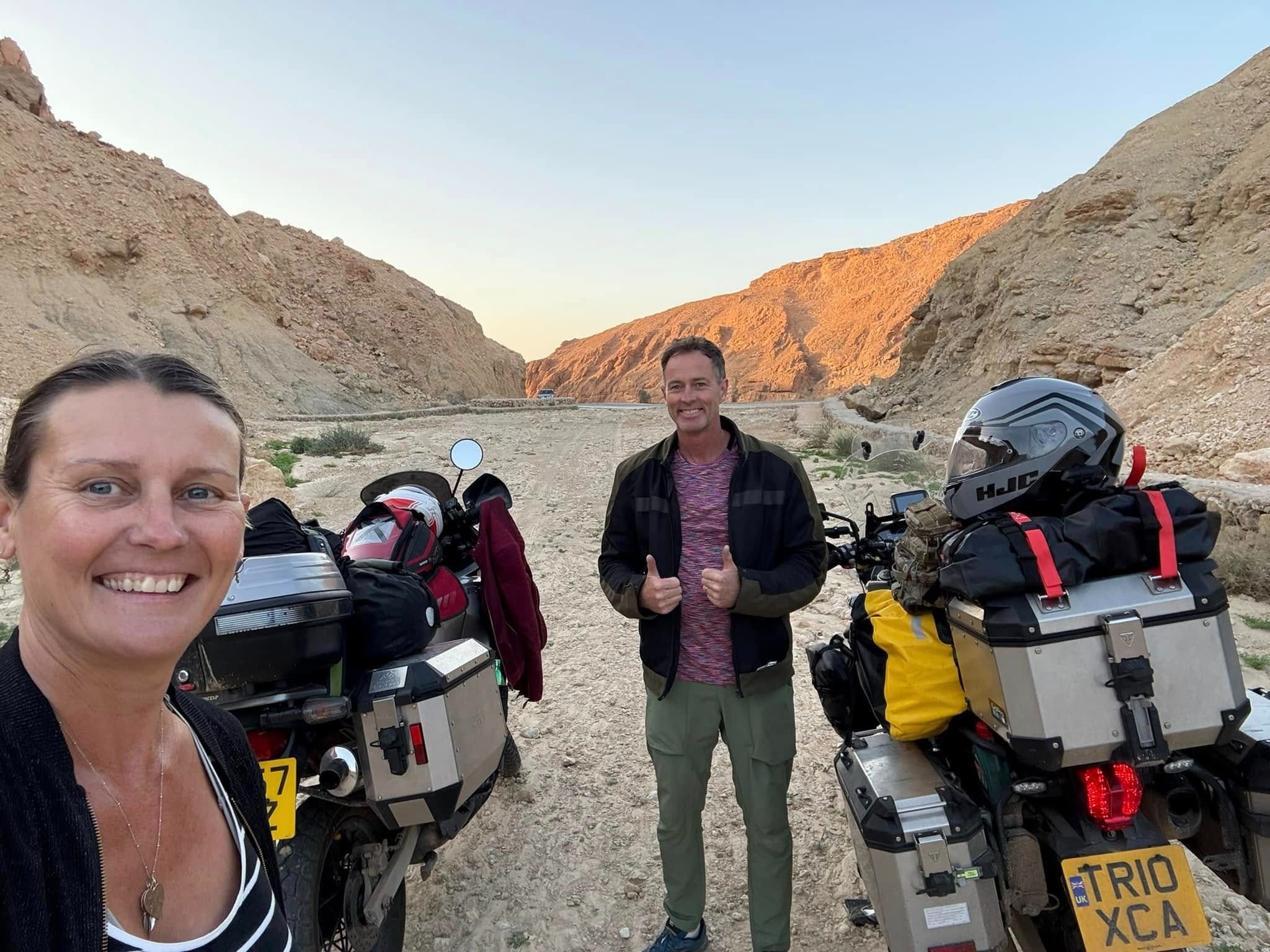
More than five years after the high-profile detention of two Australian bloggers, another overland journey through Iran would end in far lengthier imprisonment. British nationals Craig Foreman and Lindsay Foreman, both in their 50s, entered Iran on December 30, 2024 during a round-the-world motorcycle expedition. They crossed from Armenia with valid tourist visas, an approved travel plan, and a licensed Iranian guide. Family members said the couple intended to transit the country en route to Pakistan before continuing toward Australia.
Their case followed an earlier incident that had already drawn international scrutiny. In July 2019, Australian travel bloggers Jolie King and Mark Firkin were arrested at gunpoint in Tehran province while documenting a long-distance overland trip in a Toyota Land Cruiser. Iranian authorities alleged that the pair had flown a drone near sensitive locations without authorization and suggested that espionage-related charges were being considered. King and Firkin were held for approximately three months before being released in October 2019 as part of a prisoner exchange, a case that underscored the potential risks facing independent travelers in politically sensitive regions.
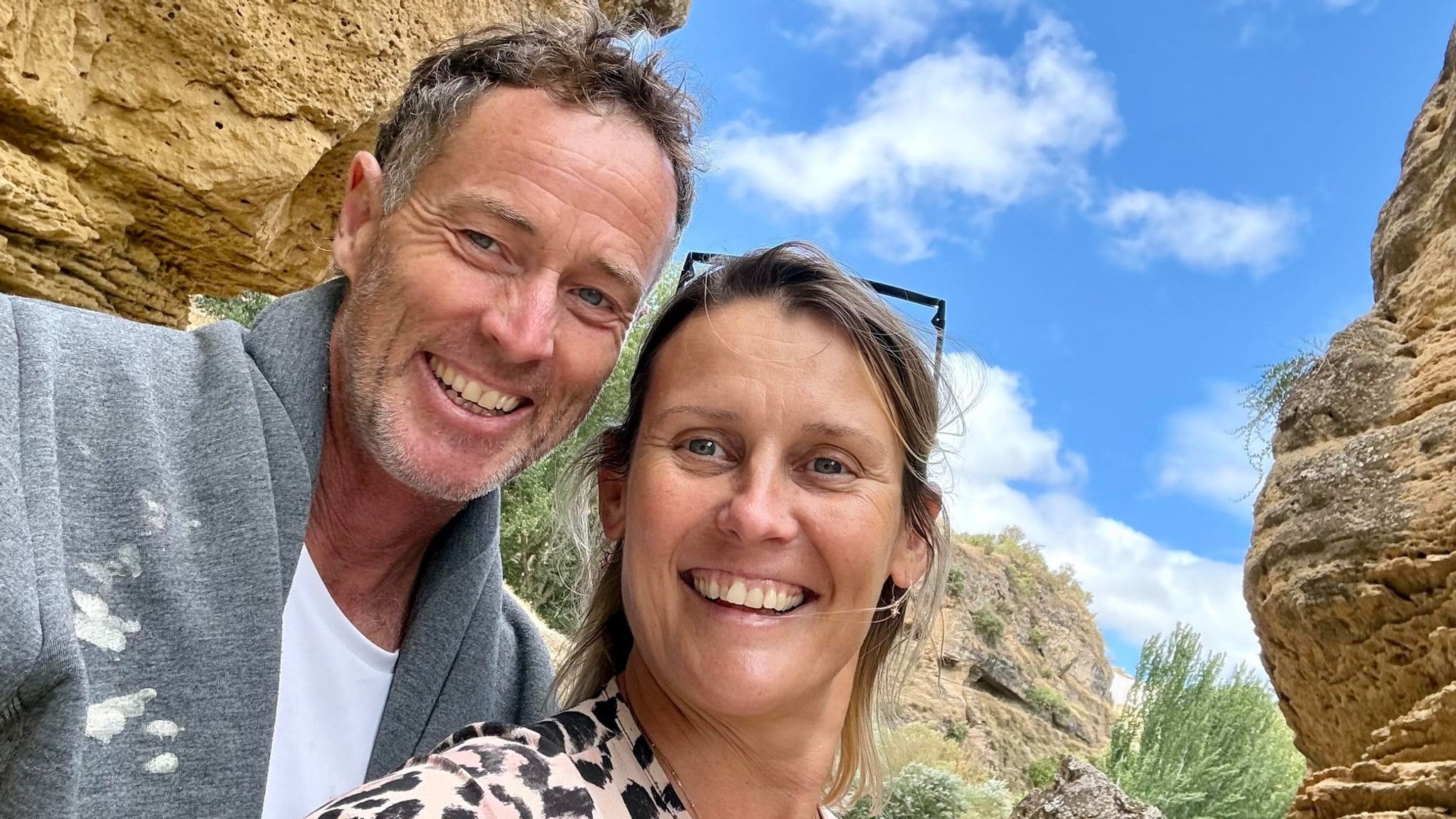
On January 3, 2025, while traveling near the southeastern city of Kerman, Craig and Lindsay Foreman were detained by members of the infamous Islamic Revolutionary Guard Corps (IRGC). No immediate explanation was provided at the time of arrest. In subsequent accounts relayed through family members, the Foremans said they were blindfolded, searched, and transported in an unmarked vehicle to an undisclosed location. They were placed in small cells and held separately without formal notification of the charges against them.
The couple later reported that they spent 56 days in solitary confinement. During that period, they were kept blindfolded for extended intervals and were not informed of the specific allegations underlying their detention. Family representatives described the early phase of confinement as marked by uncertainty and restricted communication with the outside world.
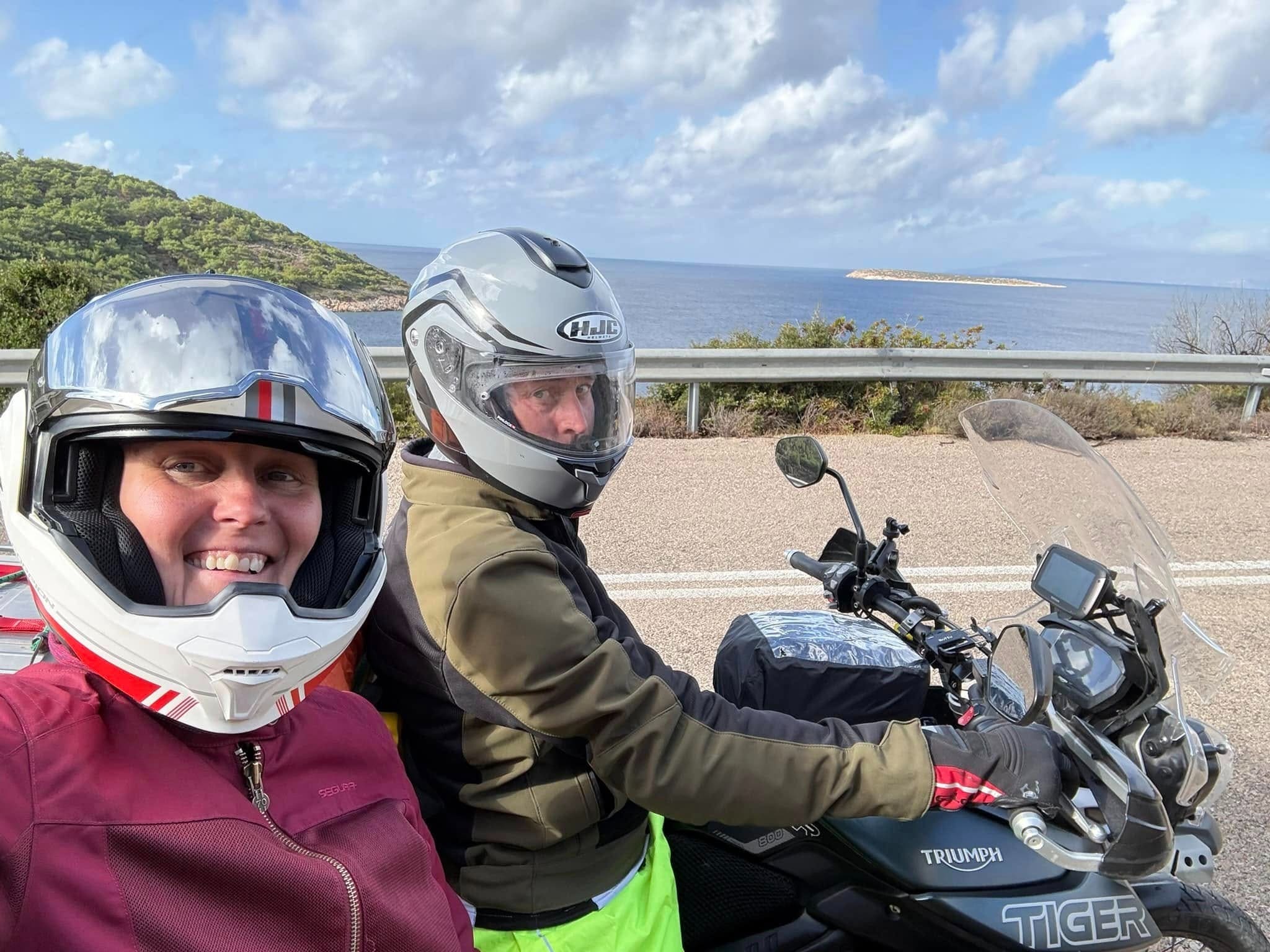
In February 2025, Iranian state media and judicial spokespersons publicly accused the Foremans of espionage and of collaborating with the intelligence services of what were described as hostile foreign powers. Official statements alleged that the pair had gathered information under the guise of tourism. The Foremans and their relatives have consistently rejected those claims, maintaining that their activities were limited to documented travel and cultural exploration consistent with their visas.
For much of 2025, Craig and Lindsay Foreman were held in custody in Kerman before being transferred mid-year to Tehran. Craig was moved to the political wing of Evin Prison, a facility long associated with cases involving political detainees and foreign nationals. Lindsay was transferred to the women’s section of the same prison complex. The two were housed in separate areas and had limited contact with one another.
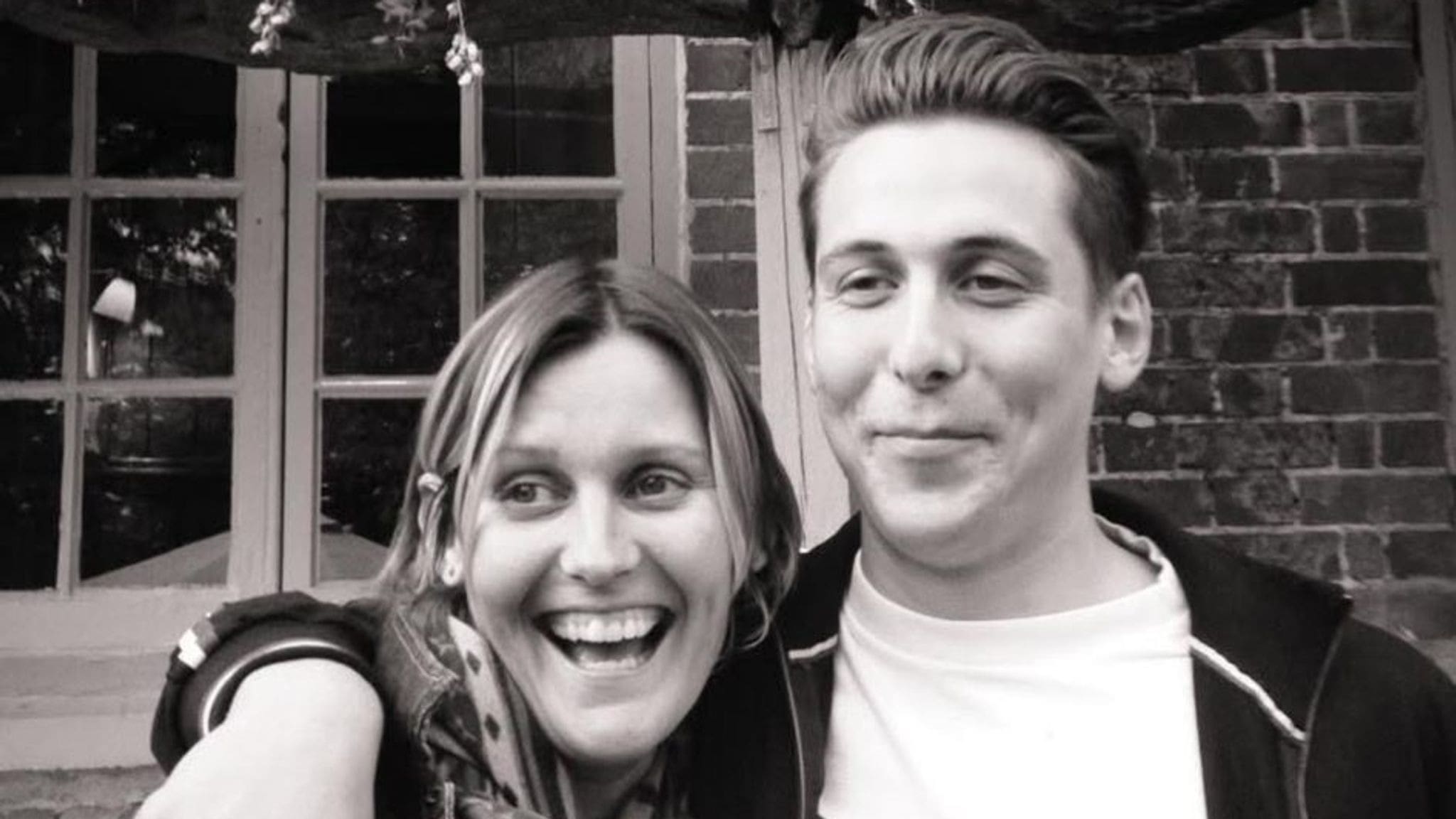
Family statements and reports from advocacy groups described conditions in detention as austere. They cited overcrowding, restricted communication, irregular consular access, and constrained opportunities to consult legal counsel. British officials sought access through diplomatic channels, but details of those interactions have not been made public in full.
In October 2025, the Foremans appeared before Branch 15 of the Tehran Revolutionary Court. According to relatives, the hearing lasted approximately three hours. The family has said that the couple was not permitted to mount what they considered a meaningful defense during the session and that the legal proceedings lacked transparency. Iranian authorities have not publicly released detailed evidence to support the charges.
Later in 2025, both Craig and Lindsay Foreman began a hunger strike in protest of their continued detention and what they characterized as a lack of due process. Through intermediaries, Lindsay described their treatment as inconsistent with constitutional protections and reiterated that they denied the allegations against them.
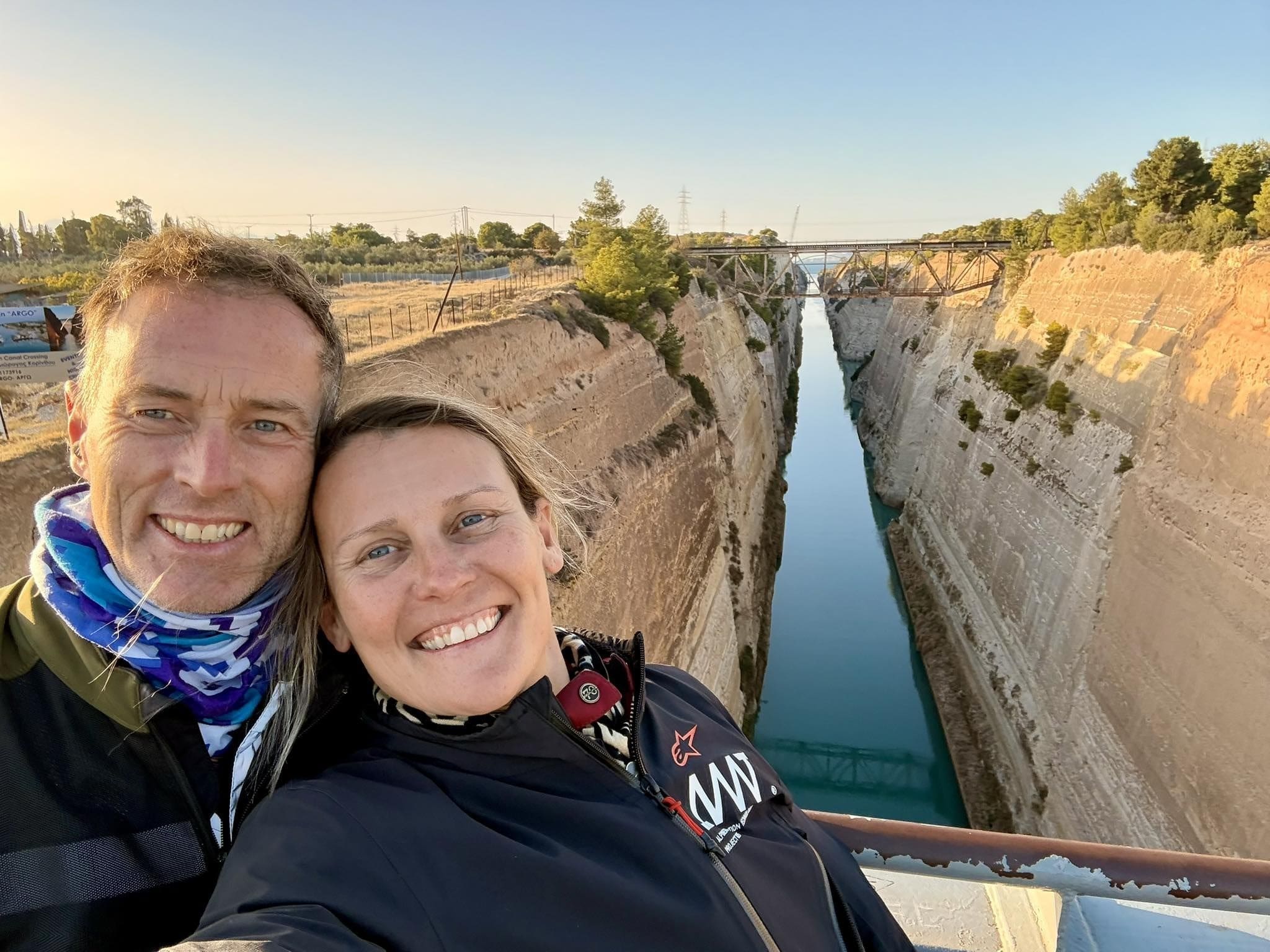
On February 19, 2026, Iranian authorities announced that the couple had been sentenced to 10 years’ imprisonment on espionage charges. The verdict followed the October court appearance, and no comprehensive public dossier of evidence accompanied the sentencing announcement. The Foremans’ family stated that no credible evidence had been presented to justify the conviction and reiterated that the couple had entered the country legally and complied with local travel regulations.
In a telephone interview conducted from within Evin Prison shortly before the sentence was delivered, Lindsay Foreman described the experience as an “endurance test for the mind.” She expressed hope that the matter could still be resolved within Iran’s legal framework, despite the severity of the ruling. Craig Foreman has likewise maintained his innocence.
The United Kingdom government condemned the sentence, describing it as unjustifiable. Foreign Secretary Yvette Cooper stated that British officials would continue to pursue the case through diplomatic channels and seek the couple’s return. Human rights advocates have raised broader concerns about judicial transparency and the detention of foreign nationals on national security charges, a practice critics often characterize as politically motivated.
Craig and Lindsay Foreman remain detained in Evin Prison in Tehran, serving their respective sentences while continuing to deny the charges against them. Evin Prison has become closely associated with what analysts describe as “hostage diplomacy,” a term used by critics to refer to the detention of foreign nationals or dual citizens on national security charges during periods of heightened geopolitical tension. The Foreman case, like that of Jolie King and Mark Firkin before them, has prompted renewed discussion within the overland travel community about the legal and political risks of crossing borders in regions where tensions with Western governments remain high. It must be noted that Iran is frequently described by overland travelers as home to some of the most welcoming and hospitable people they encounter on their journeys.
Read more on the family website, freelindsayandcraig.com
Image credits: The Foreman family (used with permission)
Read More: Buyers Guide :: Pop-top and Expandable Living
Our No Compromise Clause: We do not accept advertorial content or allow advertising to influence our coverage, and our contributors are guaranteed editorial independence. Overland International may earn a small commission from affiliate links included in this article. We appreciate your support.
