

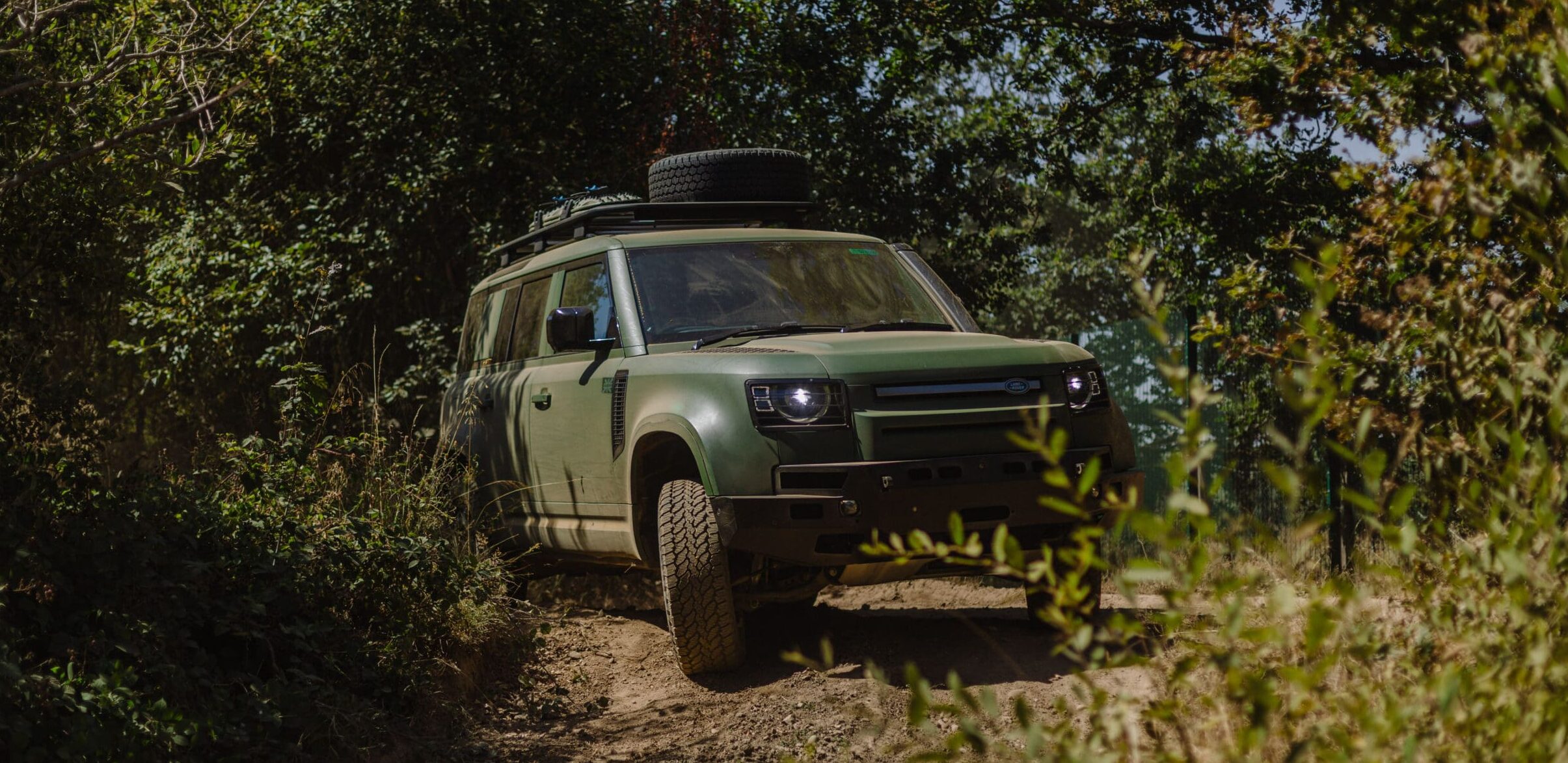
I recently spent a weekend surrounded by—and driving—the “new” Defender. While I appreciate the luster and luxury of these vehicles, I’m most drawn to their form and function. My own old Defender is beaten and bruised, carrying the scars of countless adventures while continuing to support my dreams. Wouldn’t a basic, rough-and-ready Defender be exactly what the outdoor and overland market needs? A vehicle that can be thrown around on trails across the world, combining excellent on- and off-road capability with immense character and practicality. Two recent developments could, theoretically, combine to give more salt-of-the-earth Land Rover enthusiasts exactly what they have been asking for and, in some ways, revive the heritage that Land Rover built.
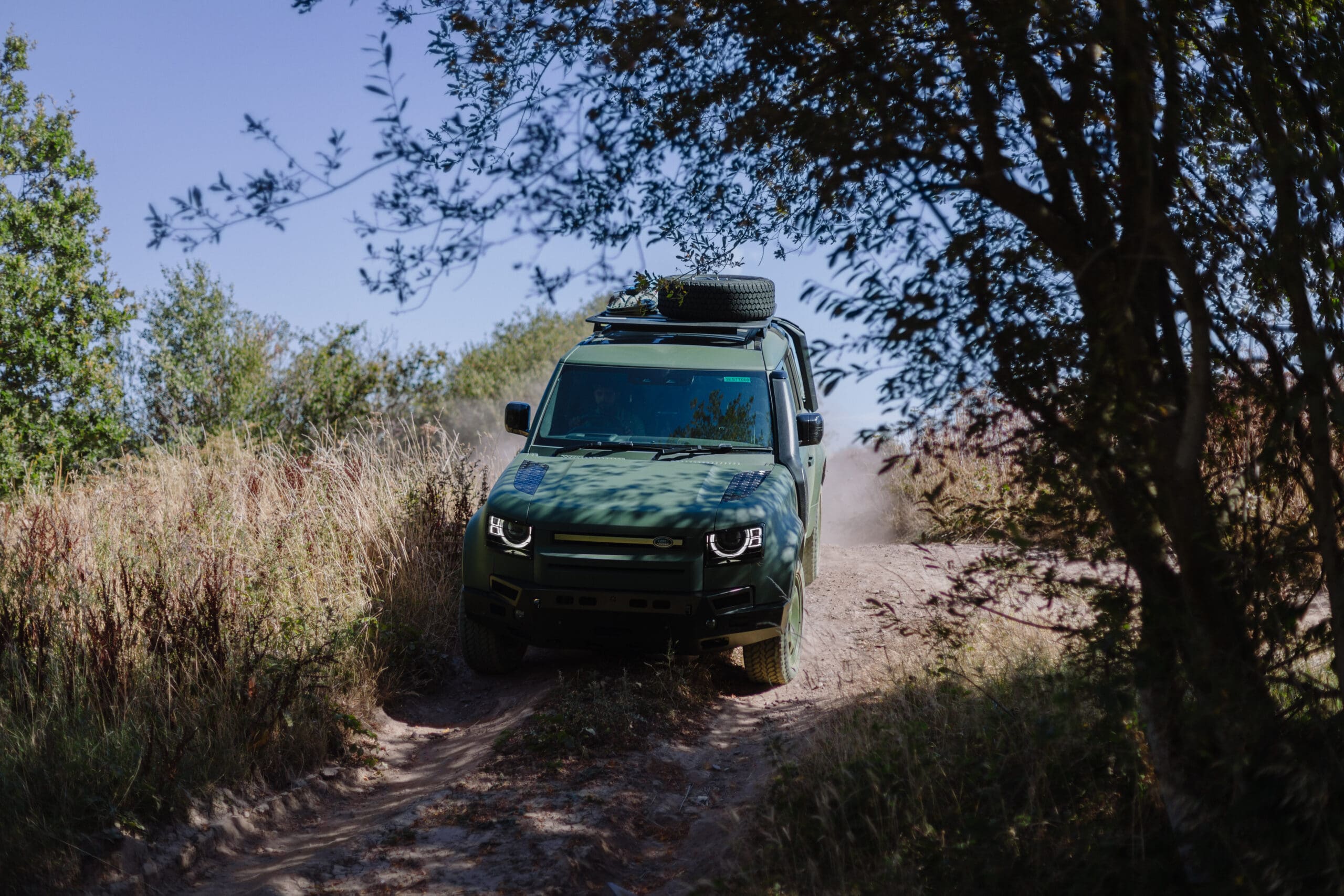
The Defender range could soon expand in two markedly different directions, with JLR unveiling a military utility vehicle based on the current Defender. At the same time, reports suggest that a civilian Defender pickup may be developed for the United States with assistance from Stellantis. A Defender pickup with a slide-in camper would surely be the best of both worlds.
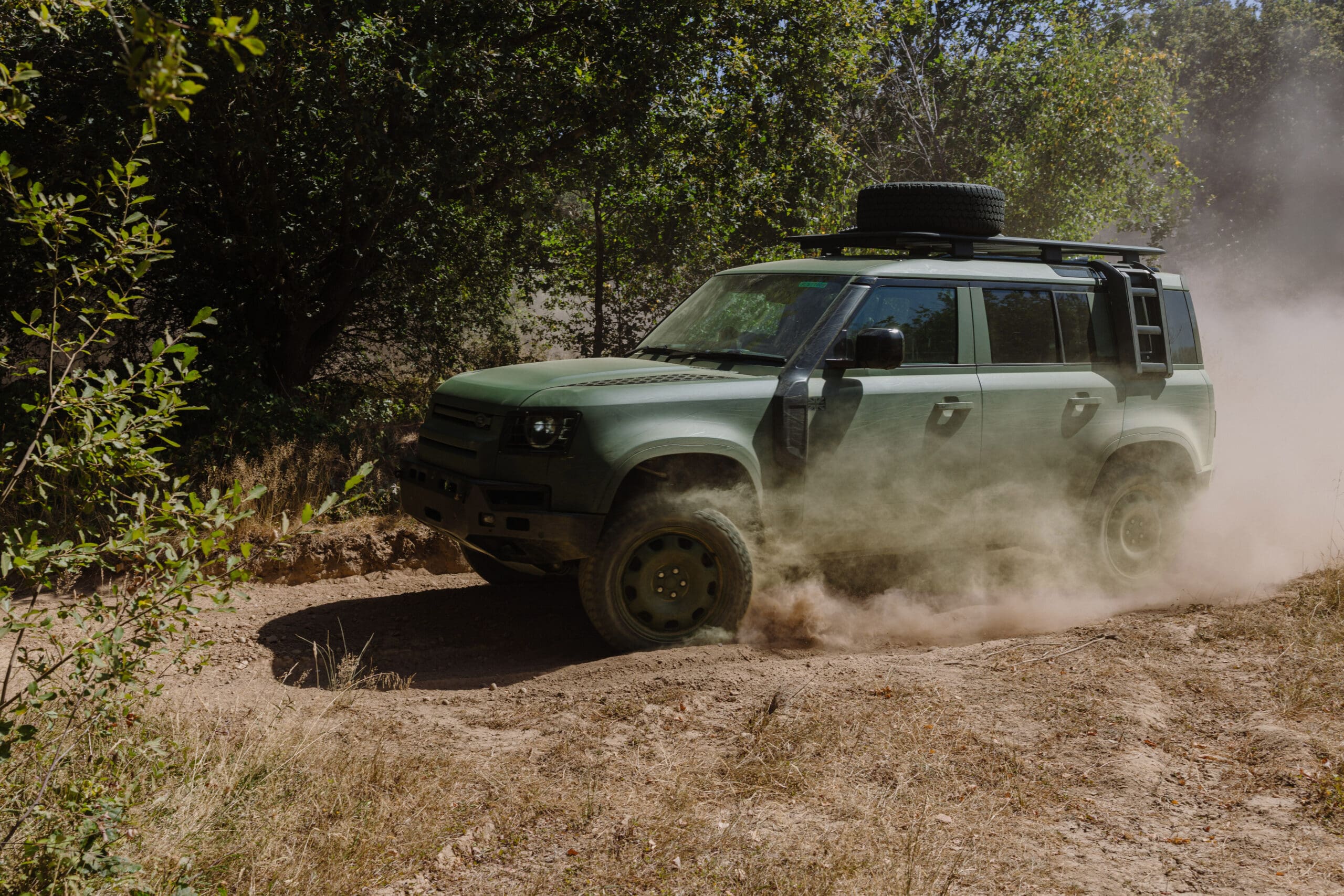
The confirmed development is the Defender Wolf Series II, a new family of light mobility vehicles created through JLR’s recently established Defender Defence Division. Based on the same D7x monocoque architecture used by the production Defender, the Wolf Series II is intended to compete for the United Kingdom Ministry of Defence’s Light Mobility Vehicle contract. JLR also plans to offer the platform to NATO defense organizations.
Three Wolf Series II variants were presented at the British Army’s DVD 2026 event at the Millbrook proving ground in Bedfordshire on September 16. These comprised a tactical mobility vehicle, a mono-tactical mobility vehicle, and a utility vehicle. JLR described them as the first of several planned configurations, demonstrating how the D7x platform can be adapted for personnel transport, equipment movement, and specialized military roles.
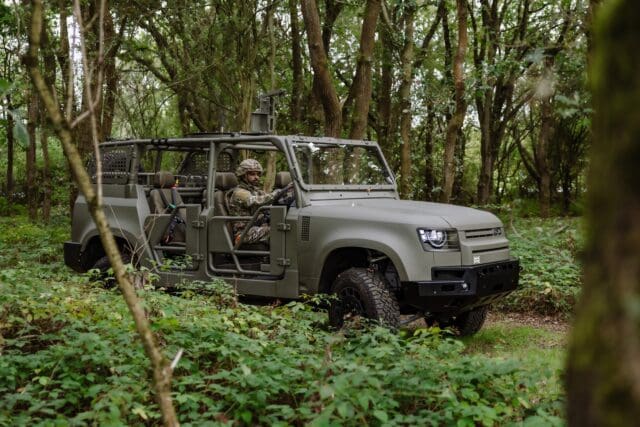
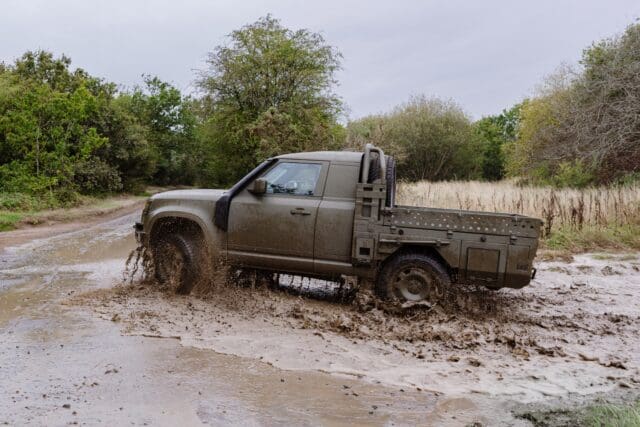
Of particular interest to overland travelers is the utility vehicle, which places a separate cargo bed behind a two-row cab. It provides the clearest indication yet that the current Defender’s monocoque architecture can support a factory-developed pickup configuration. However, JLR has not confirmed that the Wolf utility vehicle will be offered to civilian customers or that it is directly related to the reported American pickup.
The Wolf Series II represents a departure from the traditional body-on-frame construction of the original military Wolf and classic Defender. JLR claims the D7x structure has a torsional rigidity of 29 kilonewton-meters per degree, about three times that of a conventional body-on-frame design. The company also says the architecture provides greater payload capacity than the earlier ladder-frame platform, although it has not released payload figures, dimensions, engine specifications, or towing capacities for the military variants.
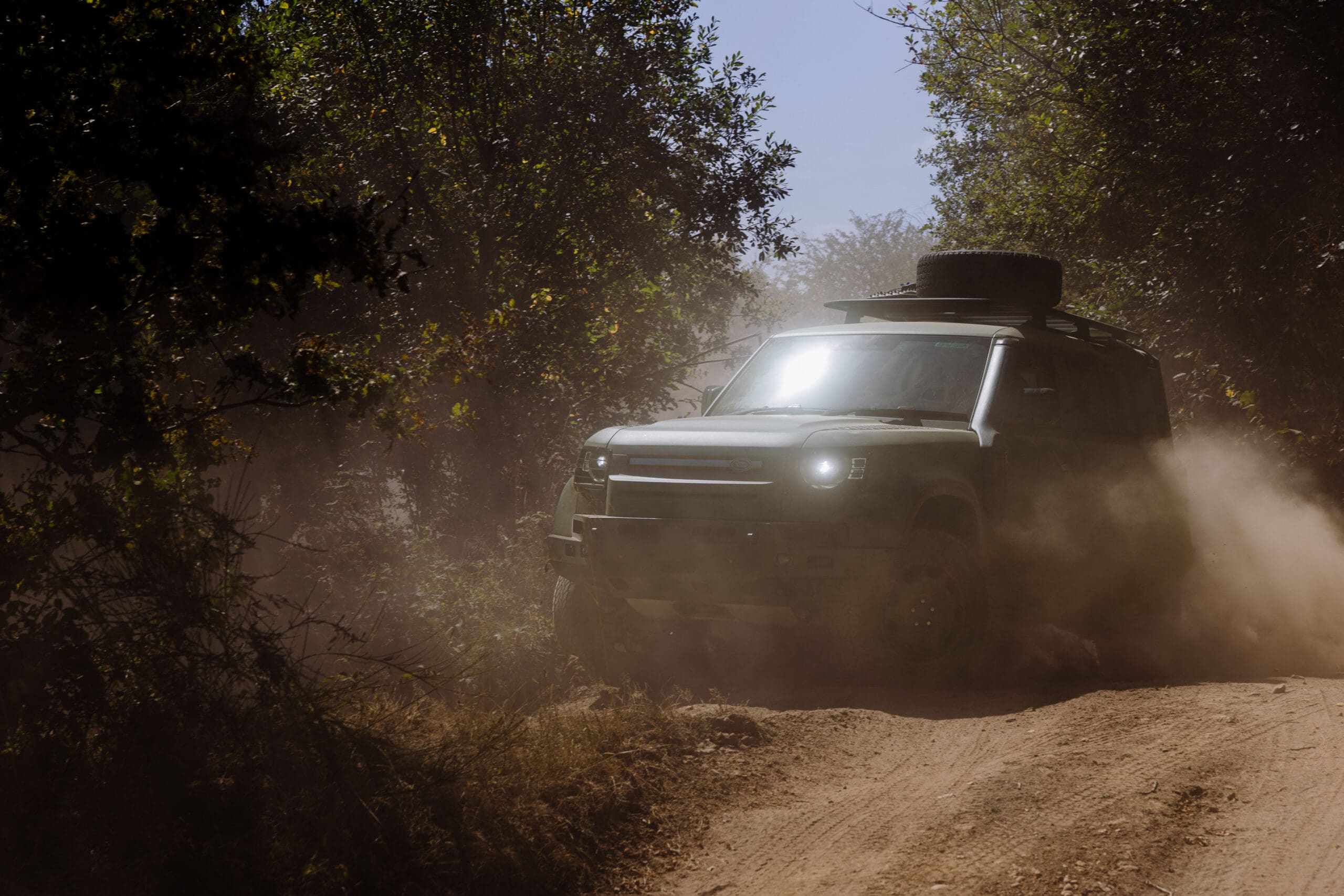
According to JLR, the underlying Defender completed more than 62,000 engineering sign-off tests and covered millions of kilometers in conditions ranging from 50°C desert heat to temperatures below minus 40°C in the Arctic. Defender technology available in civilian models includes Terrain Response 2, a dedicated Wade program, Configurable Terrain Response, and adaptive off-road cruise control. The Wolf versions are being simplified by removing unnecessary complexity and luxury equipment, while the United Kingdom produces its engines and several key technologies.
Patrick McGillycuddy, Defender Managing Director, said,
“Defender Wolf Series II is exceptionally robust and versatile. Its D7x monocoque construction enables us to adapt the platform to the wide range of roles and operational requirements demanded by military organisations.”
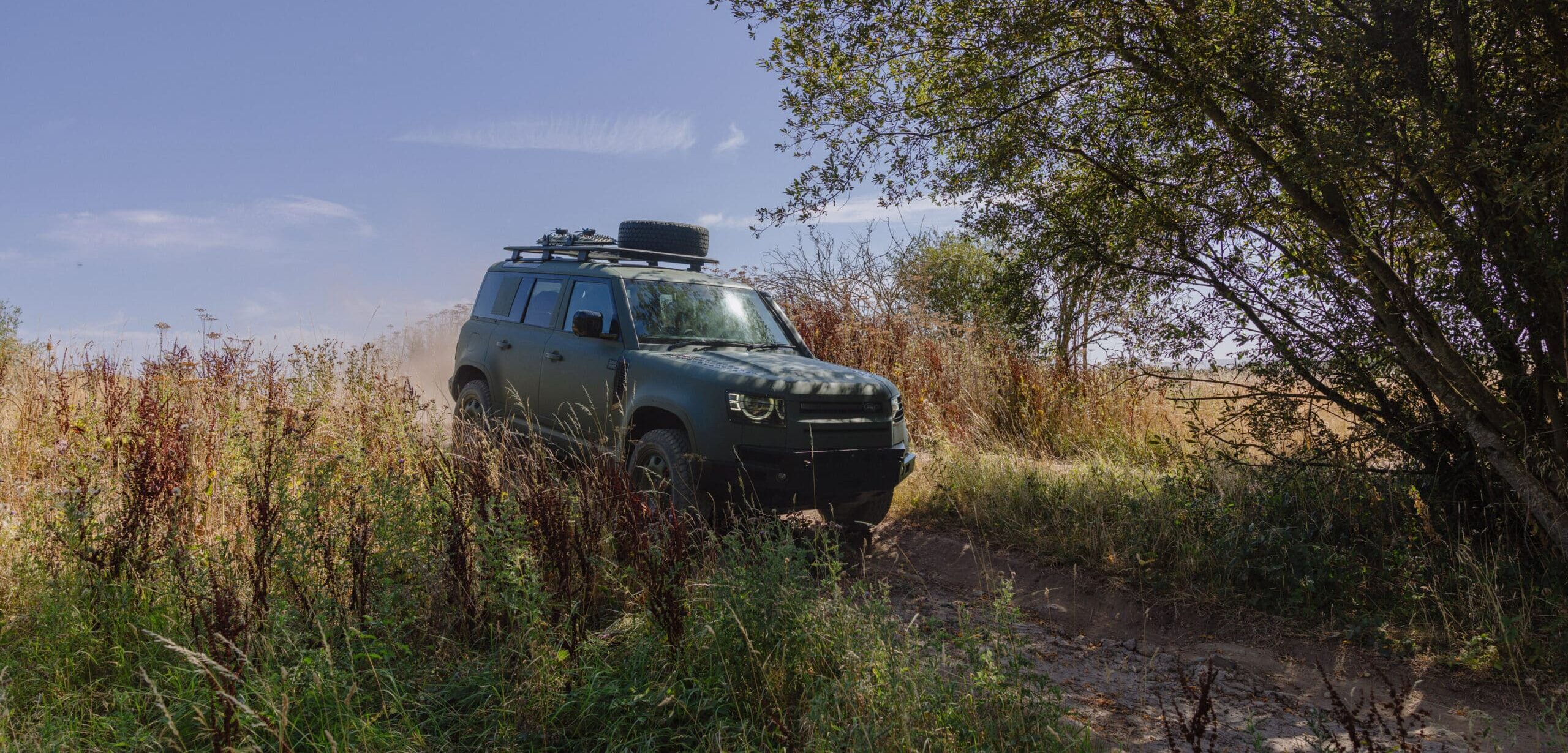
The military announcement arrived shortly before MotorTrend reported that the first product emerging from a proposed JLR and Stellantis collaboration could be a Defender pickup intended specifically for the United States. The report follows a nonbinding memorandum of understanding signed by the two manufacturers on May 20, 2026. Production could reportedly take place at Stellantis’s Warren Truck Assembly plant near Detroit, helping JLR establish a manufacturing presence in the American market while avoiding some import tariffs.
For now, the civilian pickup remains unconfirmed, and no production schedule, platform, price, powertrain, dimensions, or availability date has been announced. It is also unclear whether the vehicle would use Defender’s D7x monocoque, a Stellantis body-on-frame truck platform, or a newly developed architecture. Stellantis currently produces body-on-frame pickups under the Ram and Jeep brands, creating a fundamental engineering question for the partnership.
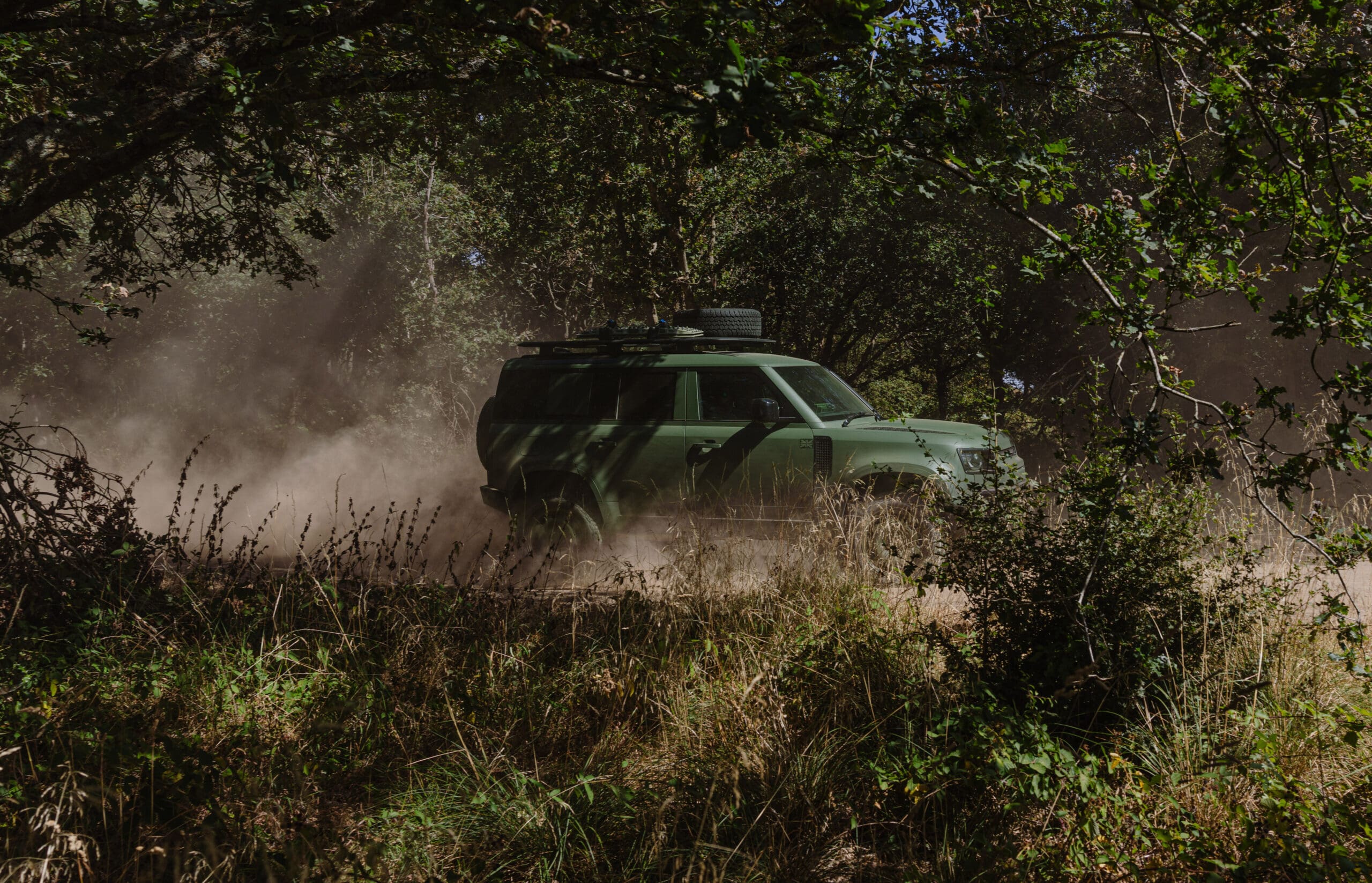
A production Defender pickup would return the model to a body style closely associated with its history. Classic Defender 90, 110, and 130 models were offered in pickup and crew-cab configurations until production ended in 2016. In the current market, the closest conceptual alternative is the INEOS Grenadier Quartermaster, a double-cab pickup derived from the Grenadier station wagon and built around a ladder-frame chassis.
For overland travelers, a Defender pickup could offer greater flexibility for carrying motorcycles, recovery equipment, commercial loads, or removable camping systems than the enclosed Defender 90, 110, and 130. Its usefulness would ultimately depend on payload, bed dimensions, towing capacity, range, wheel and tire compatibility, and the availability of durable, lower-complexity specifications.
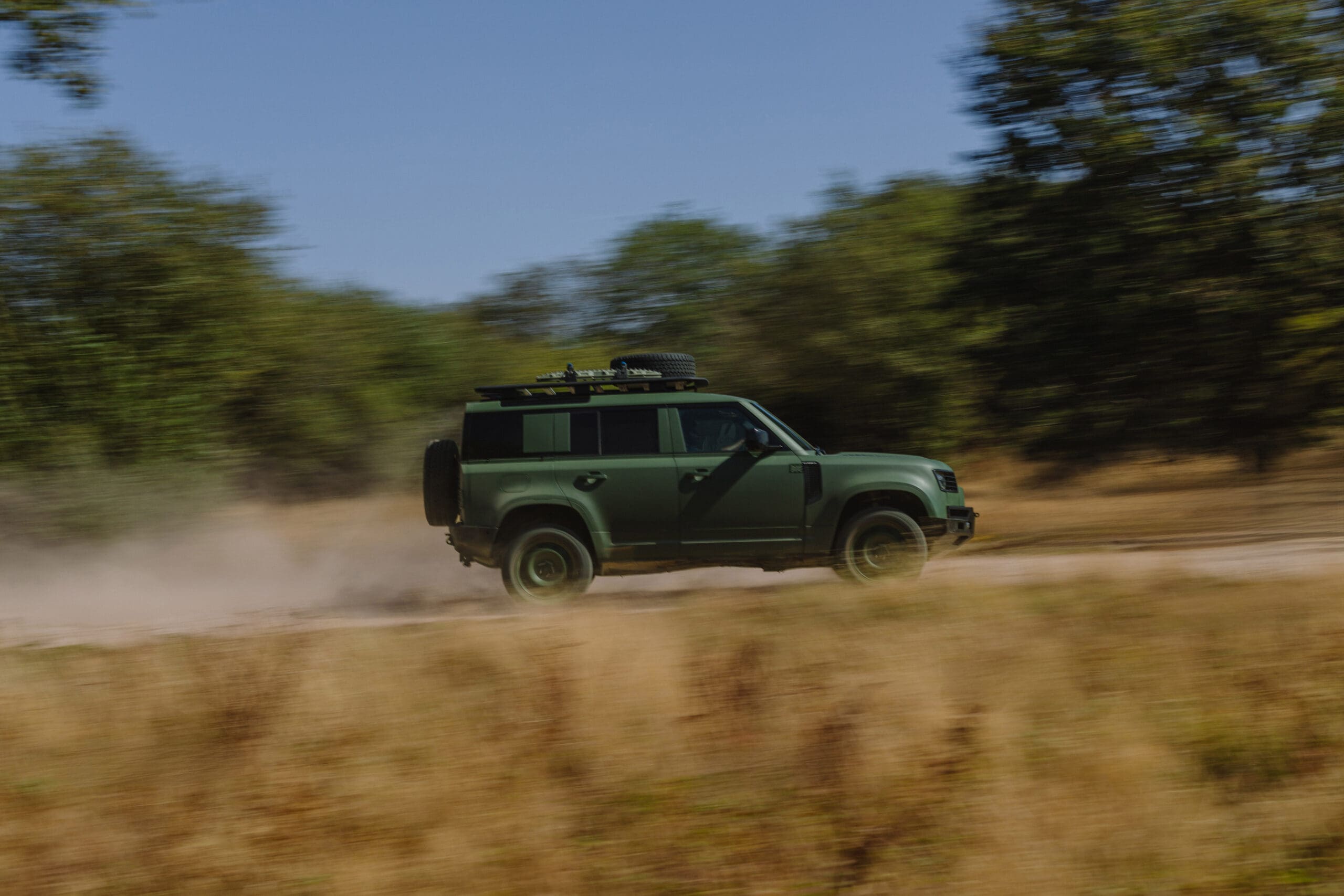
The Wolf Series II Utility Vehicle demonstrates that JLR can adapt the modern Defender into a functional pickup. Whether that military work becomes the basis for an American civilian model remains unknown. Still, the timing of the two developments suggests that the Defender name is moving beyond its current SUV-only role.
Read More: Overland News of the Week, September 11, 2026
Our No Compromise Clause: We do not accept advertorial content or allow advertising to influence our coverage, and our contributors are guaranteed editorial independence. Overland Collective may earn a small commission from affiliate links included in this article. We appreciate your support.
