

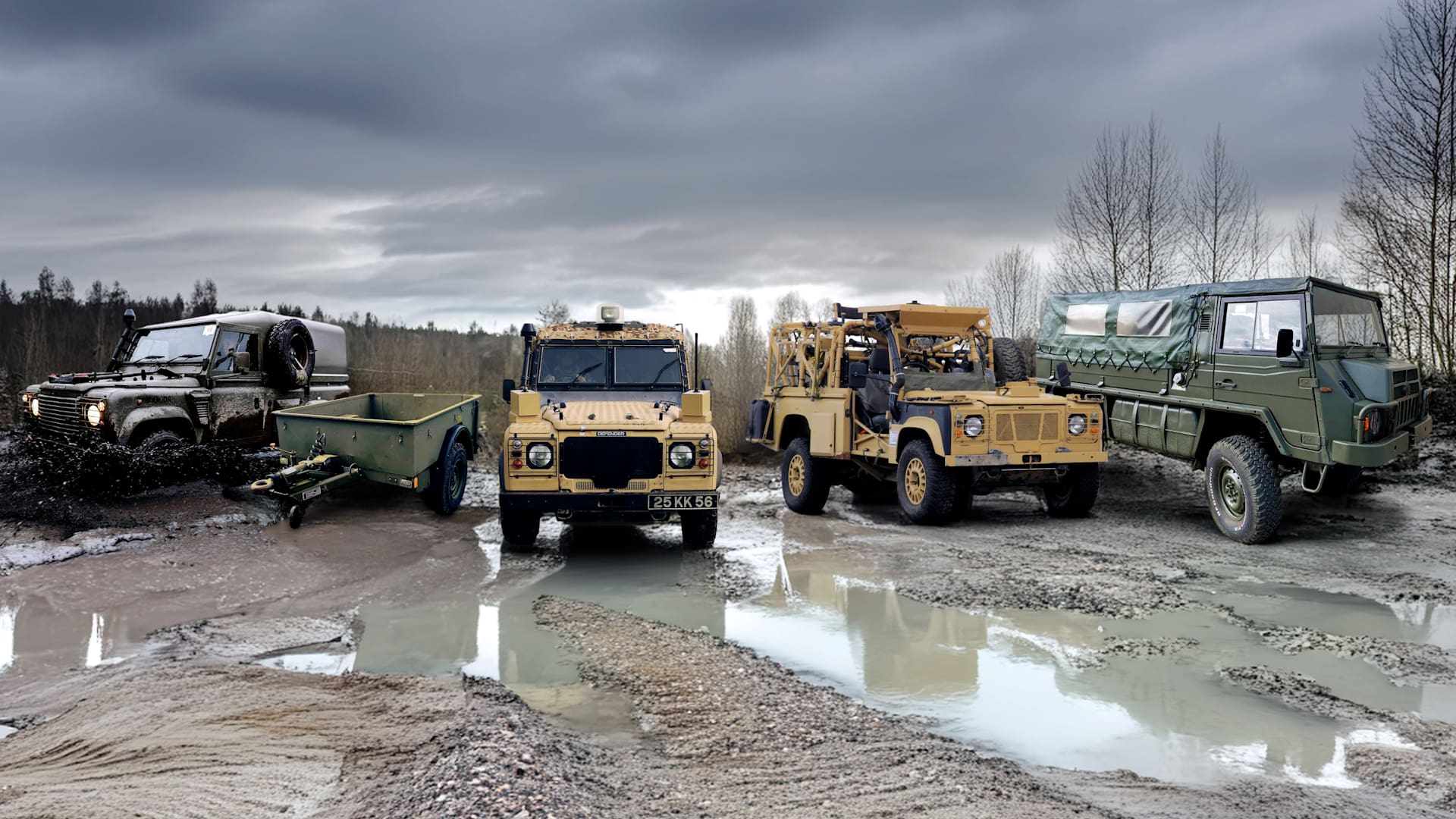
Initial Auctions Will Be Held in the UK Later This Month
I raised my children in a Land Rover Defender. Literally. They saw the world through flat glass, perched on a bench seat designed more for short-distance travel than long-term comfort. The only people who have likely spent as much time in a Defender—aside from hardened Land Rover overlanders—are servicemen and women in the UK Ministry of Defence (MOD), along with soldiers around the world, British farmers, and those working in search and rescue and maintenance roles. These iconic MOD vehicles have now reached the end of their service life with the MOD, which means many of them are about to begin a new chapter, continuing to do what Land Rovers have always done—important work.

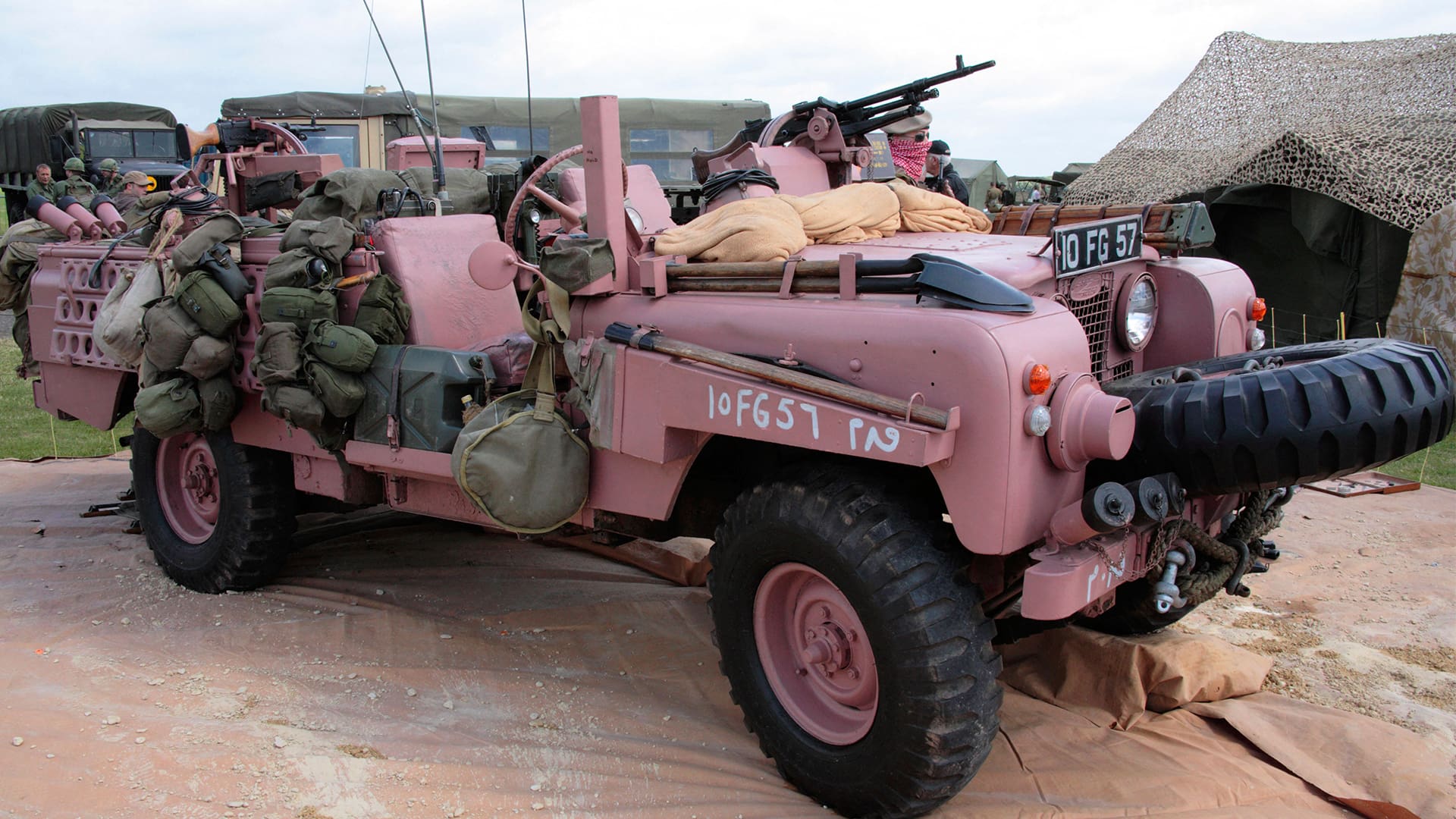
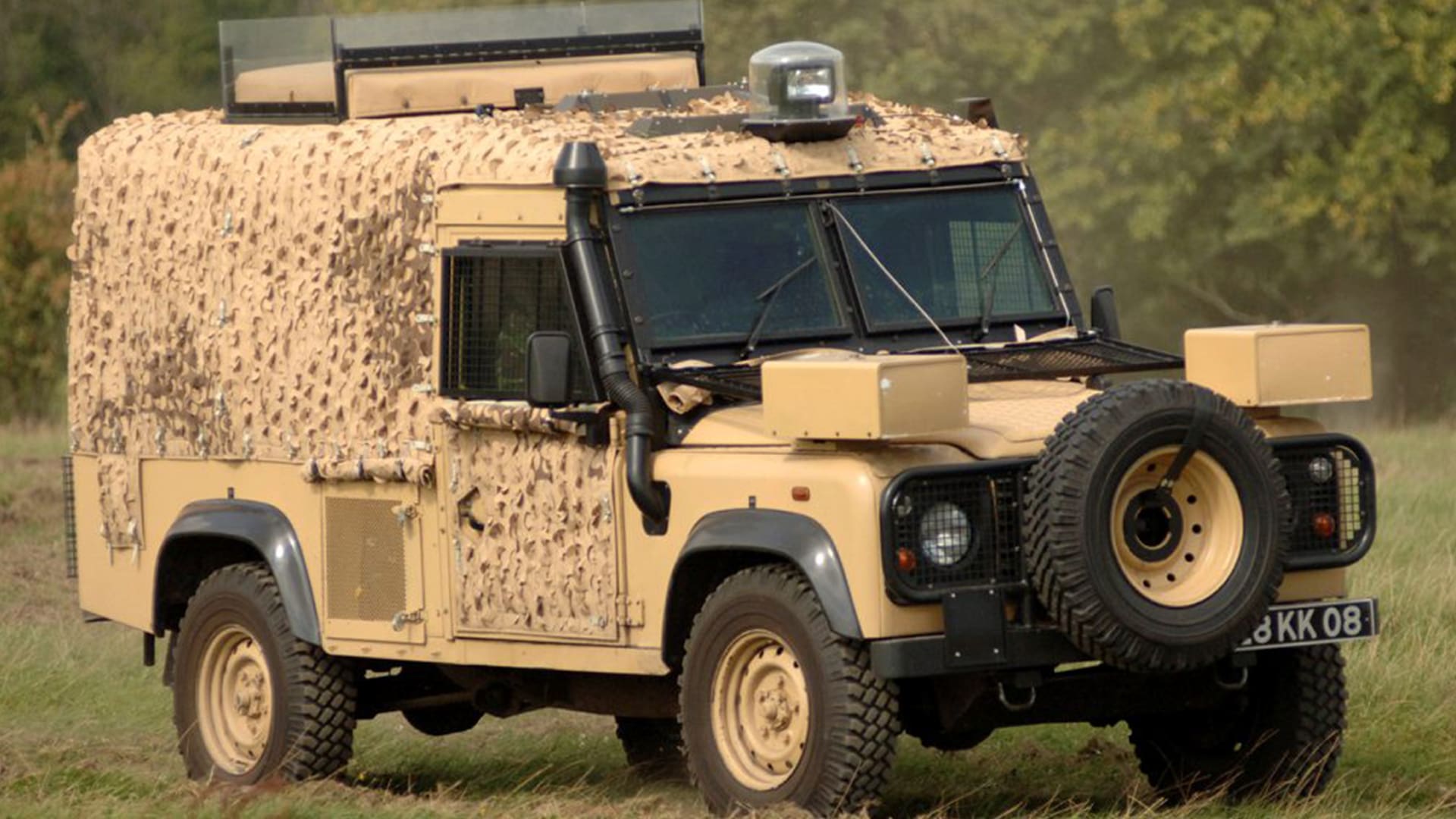
For decades, Land Rovers have served as the backbone of light transport within the Army, fulfilling roles that include patrol, command liaison, and the movement of personnel and equipment. Their reputation for simplicity and dependability allowed them to operate across diverse environments, from European training grounds to deserts and remote regions worldwide. As recently as 2025, more than 5,000 vehicles remained in active service, underscoring both their longevity and continued utility. During the Land Rover’s military history, numerous specialized variants have been developed, including the Series IIA Ambulance, designed to carry stretchers and a medic, and the Series IIA “Pink Panther,” adapted for desert reconnaissance by British Special Air Services. Experimental concepts also emerged, such as amphibious prototypes and hybrid designs like the Centaur half-track, which attempted to combine wheeled mobility with tracked capability.
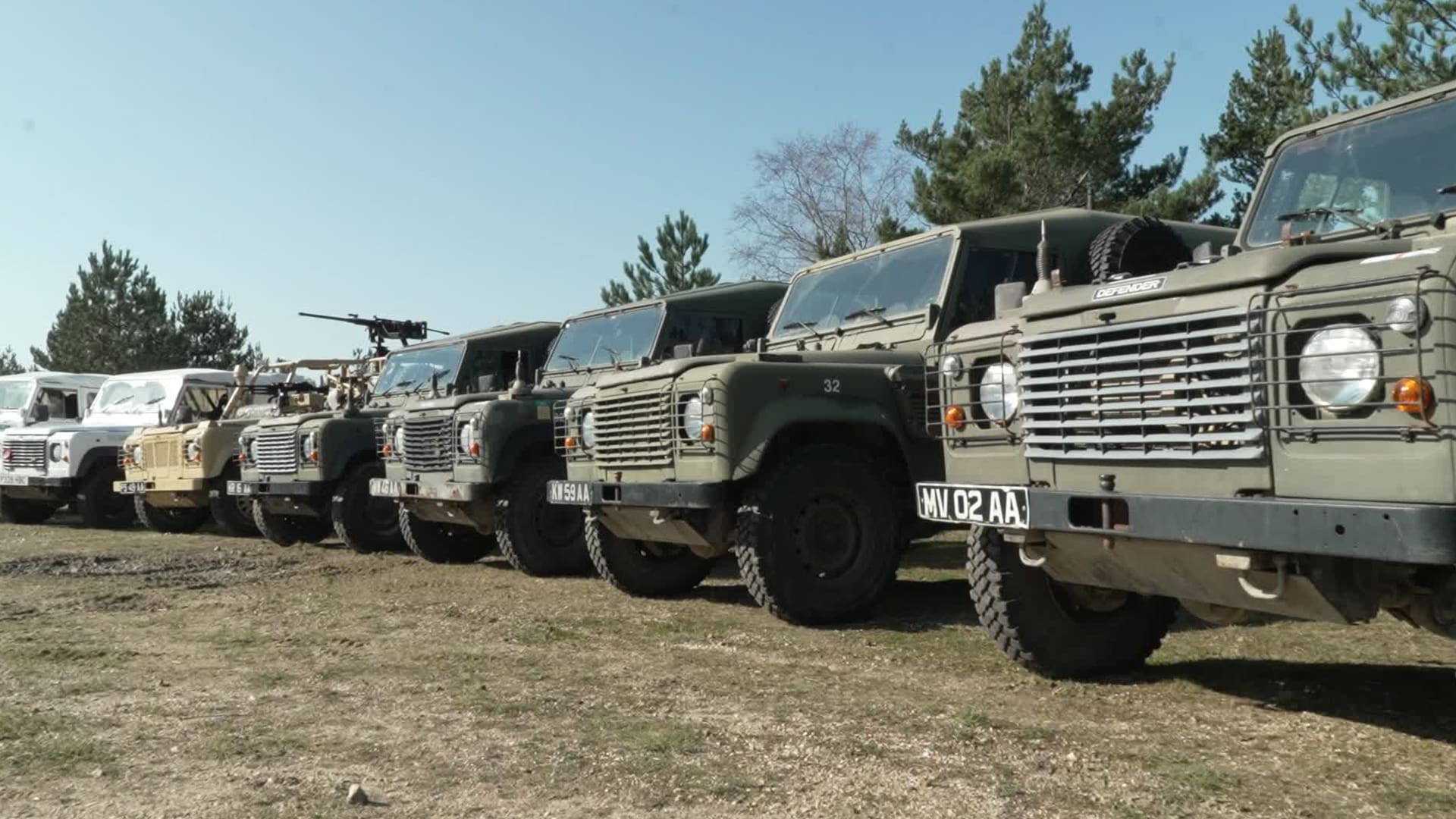
Many of the older vehicles have already been decommissioned, but newer vehicles will now head to auction, likely reinvigorating the second-hand Land Rover parts and used vehicle markets. Some will undoubtedly be rebuilt as overland, safari, or expedition vehicles. Others may find their way into service with foreign militaries or private security companies, while many will inevitably be stripped for spares. Unfortunately, as most are under 25 years old, few will be eligible for import into the United States in complete form, and will more likely arrive as parts.
After more than 70 years of continuous use for one of the most recognizable military vehicles in modern history, the phased withdrawal, which officially commenced in March 2026, signals a broader transition toward a new generation of light mobility platforms designed to meet the demands of contemporary operations.
The retirement process was formally acknowledged during a commemorative event at Bovington Camp, home to the Armoured Fighting Vehicle School. The event brought together military personnel, industry representatives, and government officials to reflect on the Land Rover legacy while outlining the Army’s future direction. Among those in attendance was Luke Pollard, who emphasized the historic connection between the vehicle and the British military.
Pollard noted that the Land Rover has become an enduring symbol of Army service, its silhouette closely tied to decades of operations. He also confirmed that the transition to a replacement platform is underway, marking the start of a competitive process to deliver a modern vehicle to personnel.
The shift is being driven by evolving operational requirements. While the Land Rover prioritized mobility and ease of maintenance, modern military vehicles must also integrate advanced communications systems, improved safety standards, and increased levels of protection. The Army is now focused on identifying a successor capable of meeting these demands without sacrificing mobility.
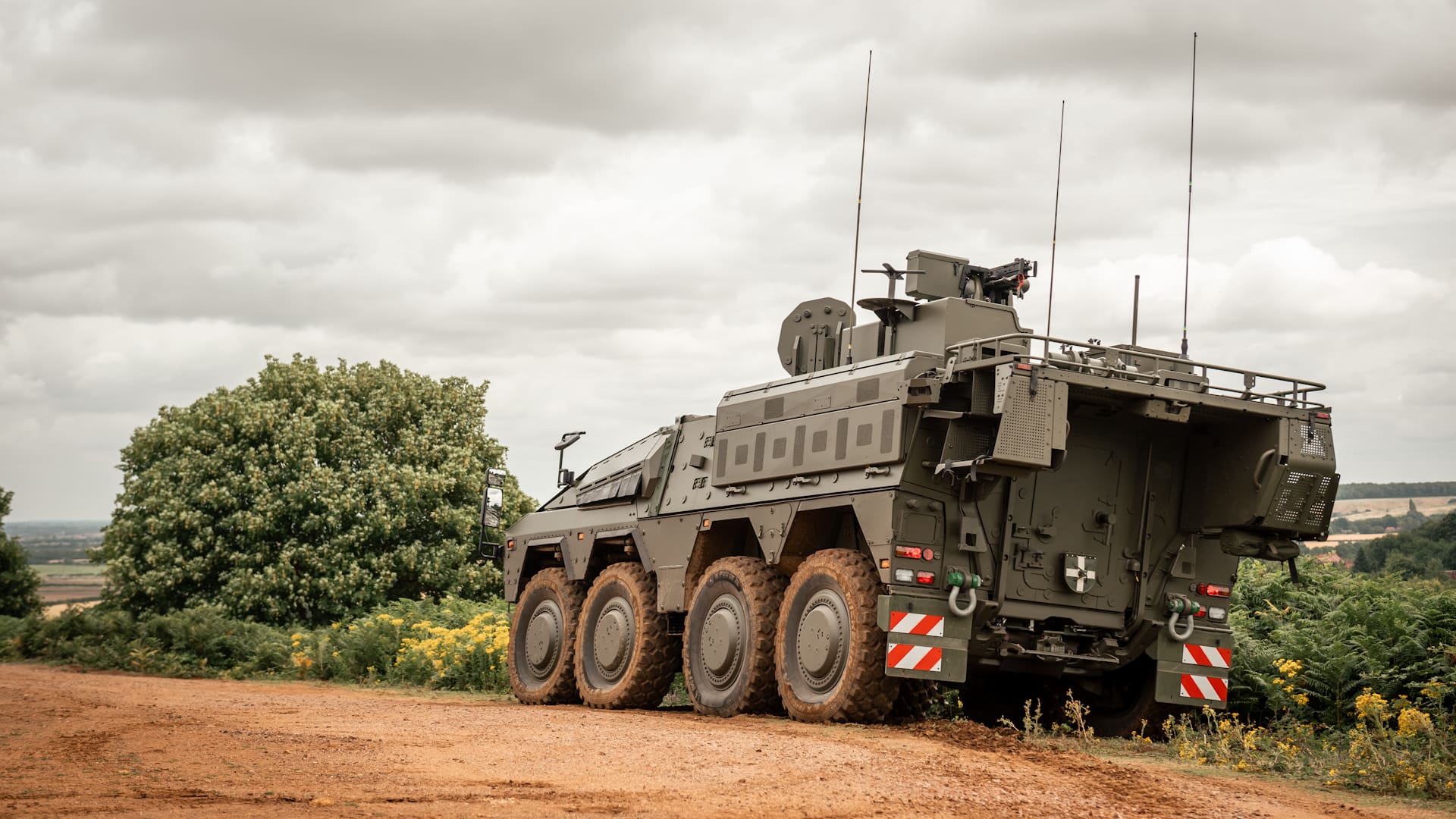
The Boxer vehicle is anticipated to replace the existing platform. (Image credit: MOD)
Although the Land Rovers are being withdrawn from service, their story is far from over as surplus units will be released through official disposal channels, with a public auction scheduled for April 21, 2026, via MOD Sales. Initially, more than 50 vehicles are expected to be offered, giving collectors, enthusiasts, and civilian users the opportunity to acquire a piece of military history. Top tip: if you can secure a Land Rover Wolf 130 Pulse Ambulance, it represents an excellent foundation for an overland vehicle.
Read More: Overland News of the Week
Our No Compromise Clause: We do not accept advertorial content or allow advertising to influence our coverage, and our contributors are guaranteed editorial independence. Overland International may earn a small commission from affiliate links included in this article. We appreciate your support.
