

For several years, attention has focused on the IMV 0, Toyota’s long-anticipated entry-level work truck, widely regarded as a platform with strong overland potential. Despite early enthusiasm, the model has so far been limited largely to markets in Southeast Asia, leaving many observers uncertain whether it will ever reach North America. In the meantime, a new contender has emerged that appears to offer a similar philosophy and is available in the United States.
The introduction of the Acela Dispatcher 4×4 signals the arrival of a compact vocational platform that may appeal not only to commercial operators but also to expedition travelers seeking a nimble base vehicle. Revealed at Work Truck Week in March 2026, the Dispatcher reflects Acela Truck Company’s effort to position a vehicle between conventional pickup trucks and more specialized utility platforms. By combining respectable payload capability, modular body configurations, and established off-road mechanical components within relatively modest dimensions, the truck presents an alternative approach to building a practical overland foundation.

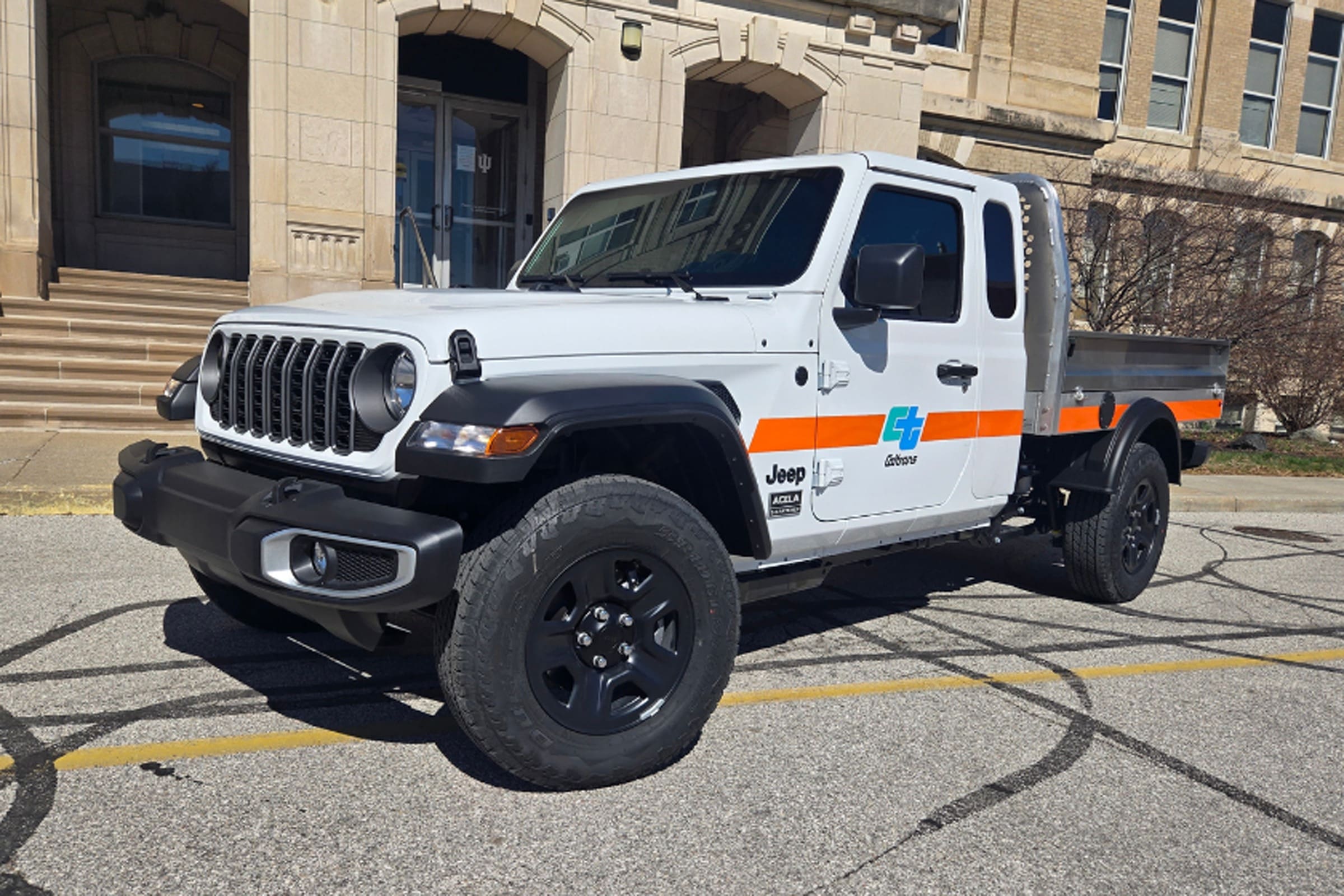
Built on a heavily modified Jeep Gladiator chassis, the Dispatcher features a 2-door extended-cab layout and a lightweight aluminum flatbed measuring approximately 7 by 5 feet. Folding or removable sides and a detachable tailgate allow the rear platform to be configured for a wide range of applications, while a cab-and-chassis option enables complete customization by upfitters. This structural adaptability is central to the vehicle’s appeal as an overland base. Expedition builders could easily substitute the standard flatbed for a modular camper body, mount a slide-in camper, or install an expedition tray system designed to carry fuel, water, and recovery gear, Australia-style.
The Dispatcher’s powertrain draws from Jeep’s established components, including a V6 engine paired with an automatic transmission and selectable four-wheel drive. Off-road performance is supported by solid axles, coil-spring suspension, and selectable low-range gearing, while approach and departure angles comparable to trail-focused vehicles reinforce its capability on technical terrain. These characteristics suggest the platform could handle remote tracks, desert routes, or forest access roads commonly encountered in expedition travel. For overlanders accustomed to mid-size pickups, the Dispatcher’s relatively narrow width and short wheelbase may translate into improved maneuverability on tight trails and within historic urban environments.
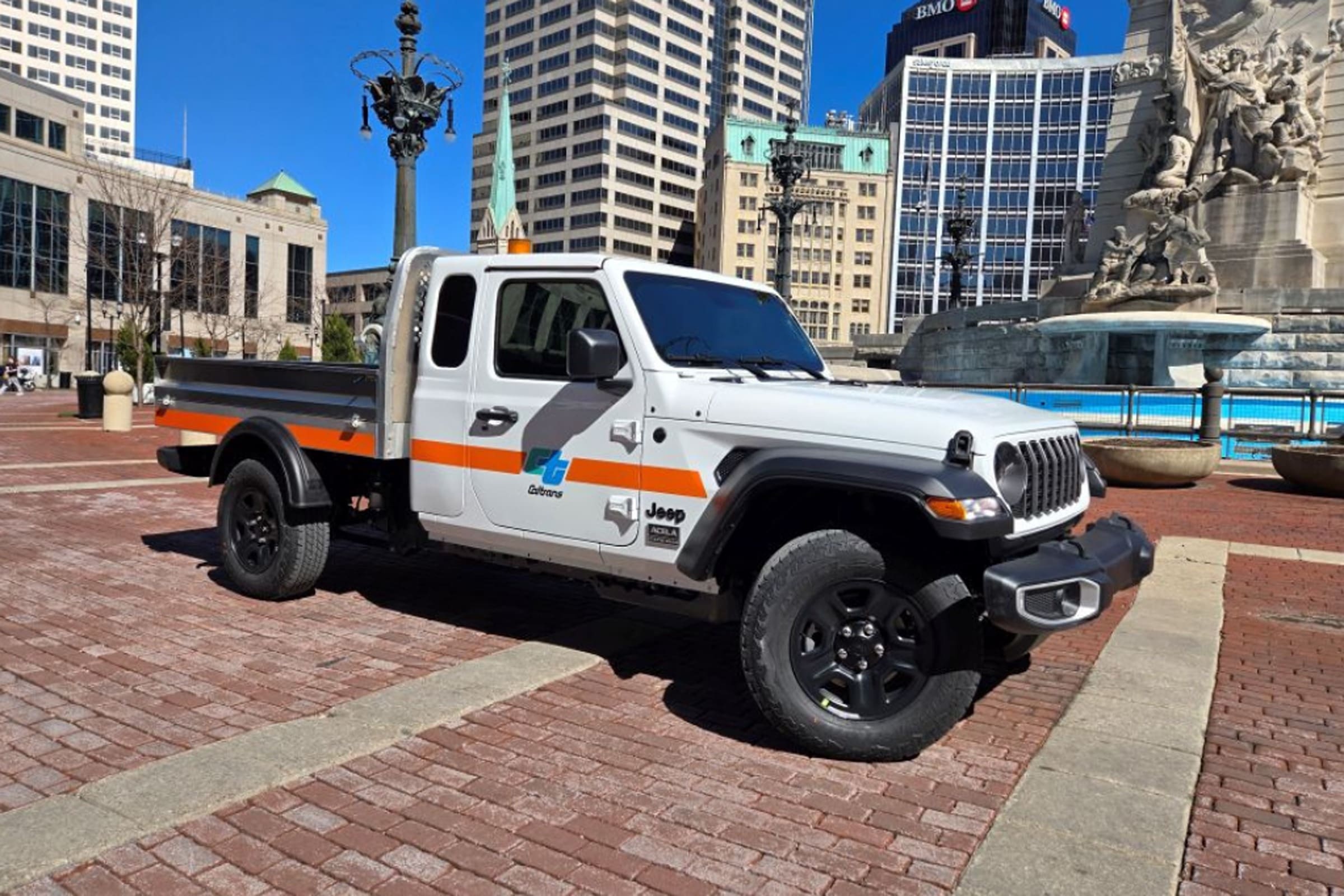
Payload capacity is one of the Dispatcher’s defining traits. Acela claims the truck can carry roughly 3,000 pounds or more, depending on configuration, a figure the company positions as exceeding typical half-ton pickup ratings. With a towing capacity of up to 7,700 pounds, the vehicle is capable of hauling an off-road trailer to establish a base camp, allowing the primary platform to remain unencumbered and available for exploration.
A high-output alternator, rated at approximately 240 amps, is designed to power vocational equipment and could similarly support auxiliary lighting, refrigeration, or onboard charging systems used during extended travel.
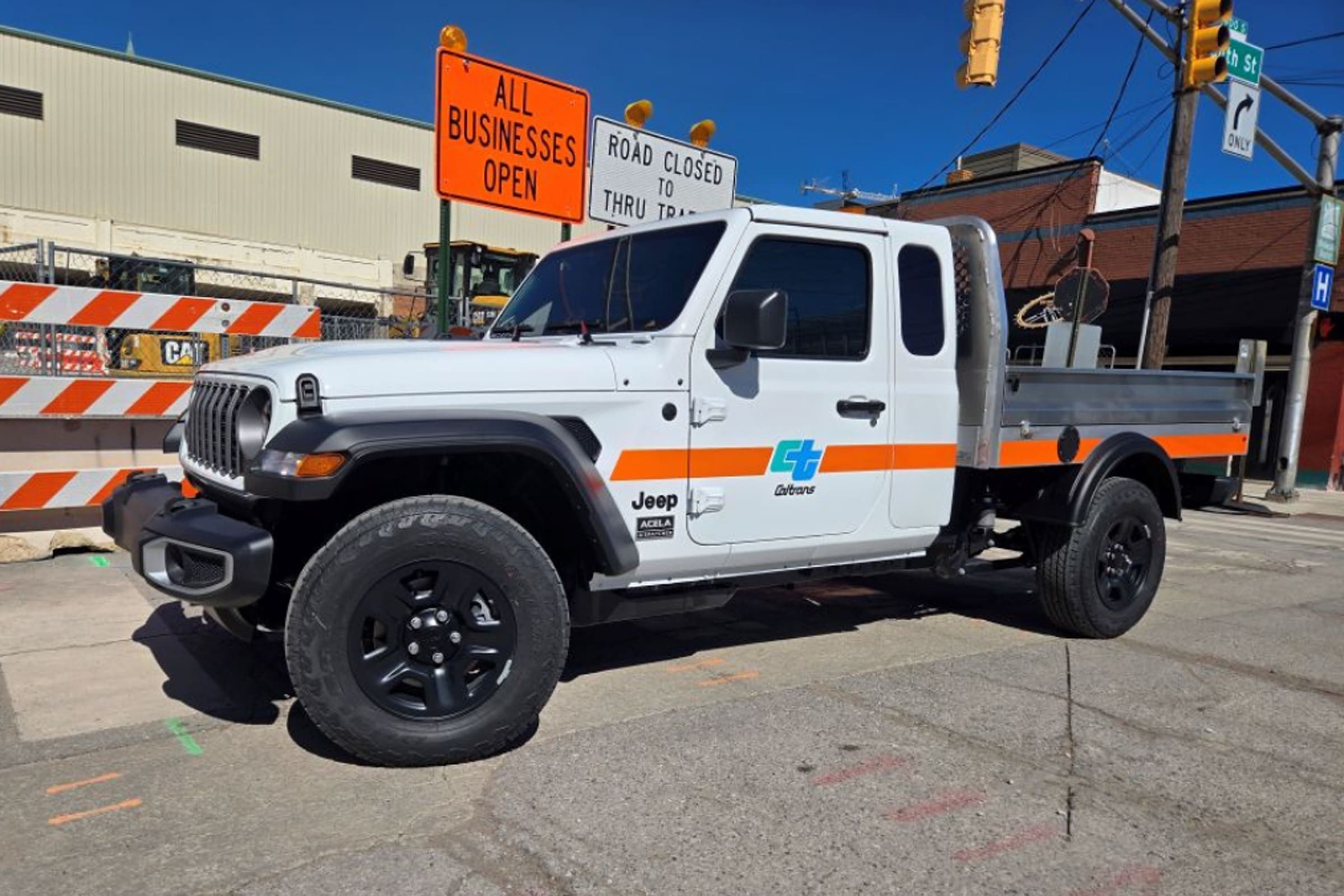
Compact exterior dimensions further differentiate the Dispatcher from conventional work trucks. With an overall length just over 18 feet and a relatively tight turning radius, the vehicle is intended to operate in restricted environments such as construction sites, utility corridors, and campus service routes. These same attributes may prove advantageous for overlanders navigating congested border towns, narrow mountain tracks, or densely wooded routes where larger expedition vehicles struggle.
The Dispatcher’s design philosophy aligns with Acela’s broader focus on mission-specific vehicles. The Montana-based company has built a reputation converting military surplus trucks and developing specialty platforms for emergency services, mining, and infrastructure support in remote environments. As a base overland vehicle, the Dispatcher occupies an interesting conceptual space. Its commercial origins mean durability and payload capacity were prioritized from the outset, while the Jeep-derived drivetrain ensures familiarity for service technicians and global parts networks. At the same time, its 2-door configuration and utilitarian interior may limit passenger comfort for long-distance travel compared with larger crew-cab trucks. Expedition builders would likely view it as a minimalist foundation suited to solo travelers, small teams, or perhaps even technical support roles within a larger convoy.
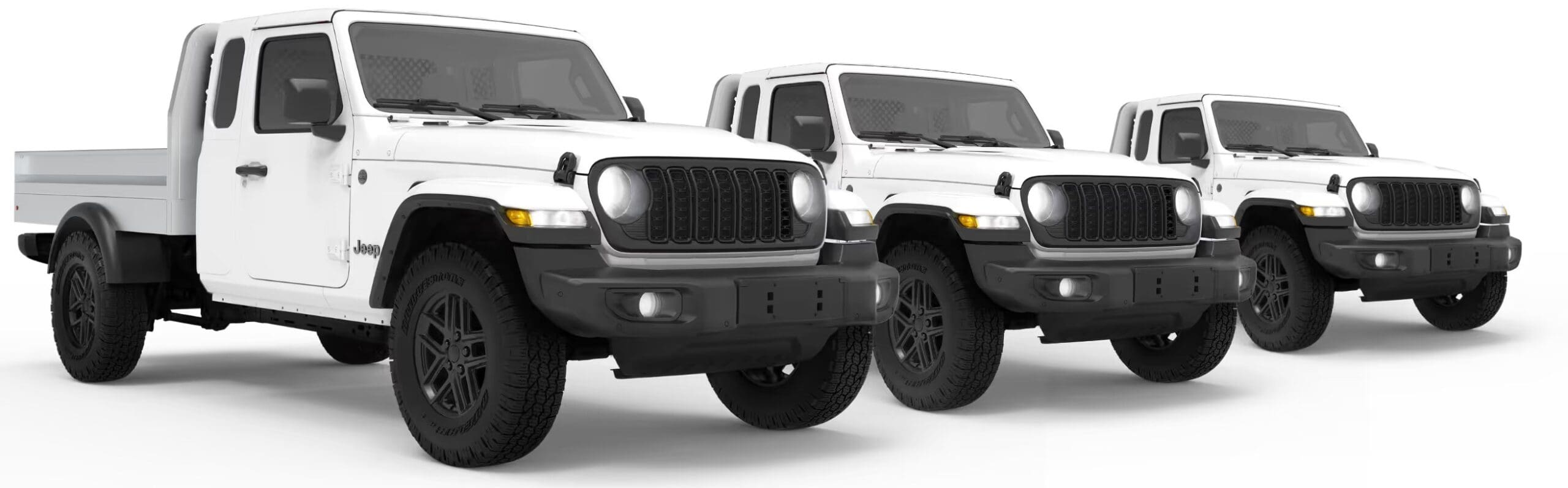
Availability through Acela’s dealer network is expected to begin in 2026, positioning the Dispatcher as a new option for fleet buyers and niche adventure-vehicle converters alike. Whether it ultimately finds a following among overland enthusiasts will depend on factors such as pricing, aftermarket support, and the adaptability of its chassis to camper conversions. Acela characterizes the Dispatcher as “a smart alternative to full-size vans and pickup trucks, and a major price-competitive upgrade from workplace, farm, and ranch UTVs,” suggesting a focus on affordability, although official pricing has not yet been announced.
Read More: Buyers Guide :: Pop-top and Expandable Living
Our No Compromise Clause: We do not accept advertorial content or allow advertising to influence our coverage, and our contributors are guaranteed editorial independence. Overland International may earn a small commission from affiliate links included in this article. We appreciate your support.
