

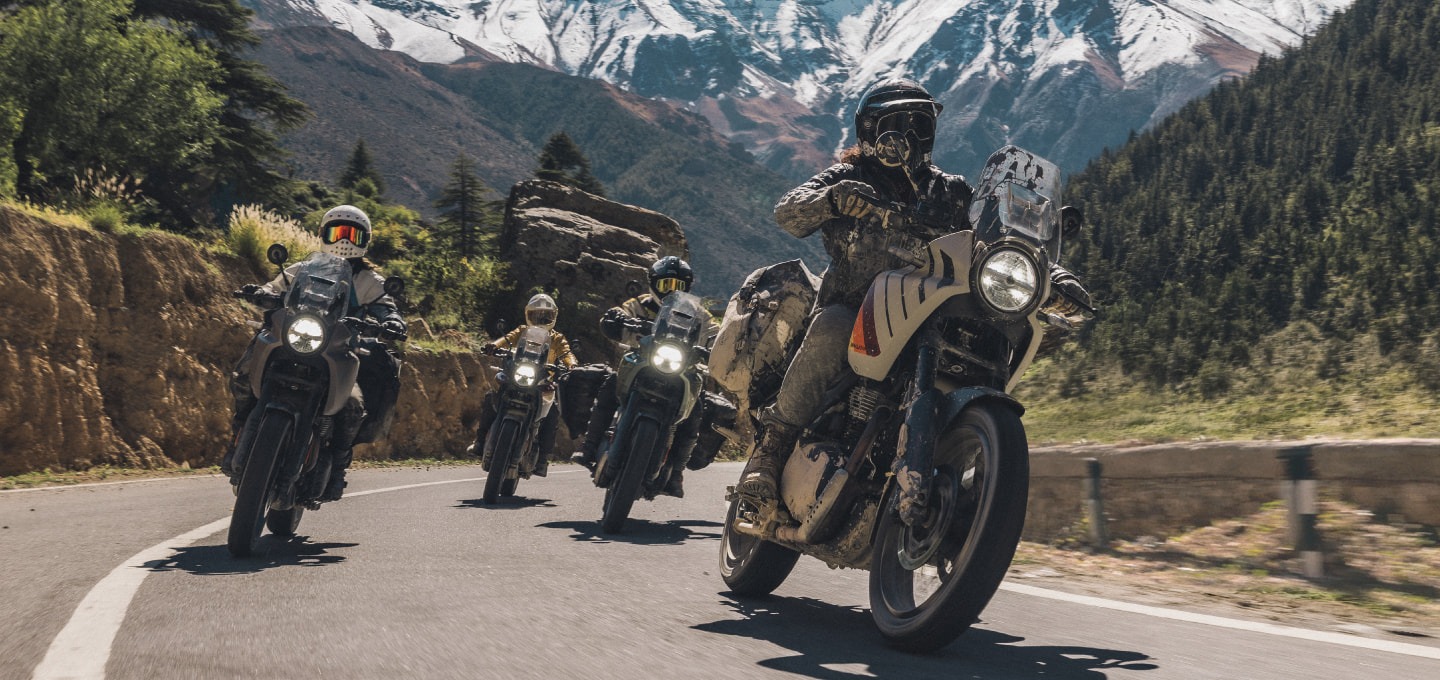
Whenever a new motorcycle is launched, I like to read what my fellow journalists have to say after they’ve spent time in the saddle. A spec sheet can tell you how much suspension travel a bike has, but it takes a ride over broken pavement to tell you how well it uses it. Press releases naturally play up a bike’s strengths, and a long list of new technology can make it easy to overlook the compromises.
I’ve always seen parallels between the Royal Enfield Himalayan and the Kawasaki KLR650. Both have earned the trust of long-distance travelers, and much of their appeal lies in their simplicity. A straightforward design can help keep the price down, and it’s reassuring when the nearest workshop is a long way off. So what does the Himalayan 750’s extra power and technology mean for the riders who made the Himalayan a success? Is this a step forward for them, or has Royal Enfield built a more road-biased motorcycle with adventure appeal to appeal to a broader audience? And how does the Himalayan 750 compare to the Himalayan 450?
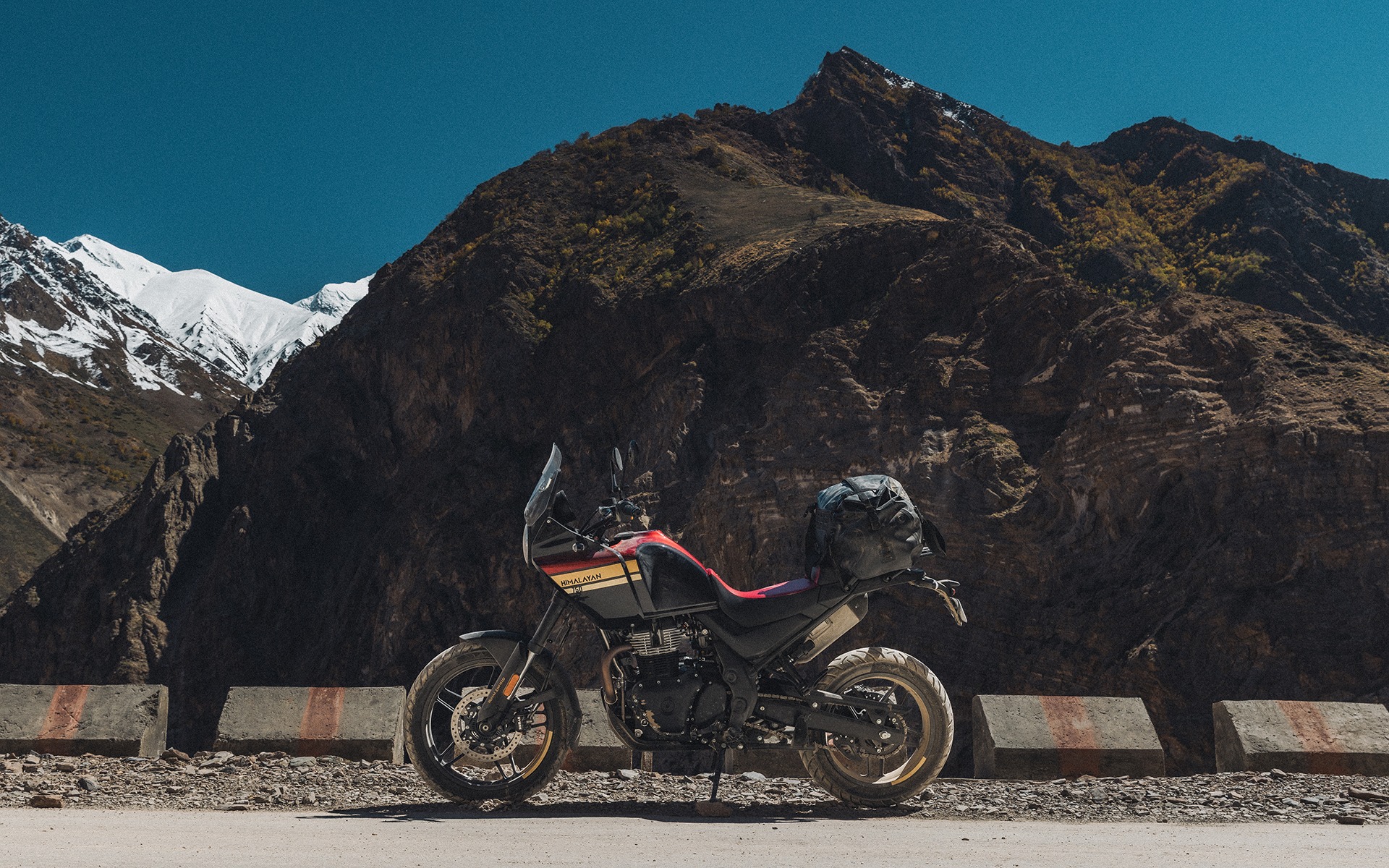
Royal Enfield launched the Himalayan 750 at EICMA in Milan on November 3, 2026, adding a twin-cylinder adventure tourer above the single-cylinder Himalayan 450. The new model pairs a 743 cc engine with cruise control, adjustable Showa suspension, and a choice of cast or tubeless spoked wheels. For overland riders, the biggest change is the additional torque for highway stretches and riding with a passenger or luggage. The 750 also weighs 62 pounds more than the 450, a difference that will matter when maneuvering a loaded motorcycle at low speeds.
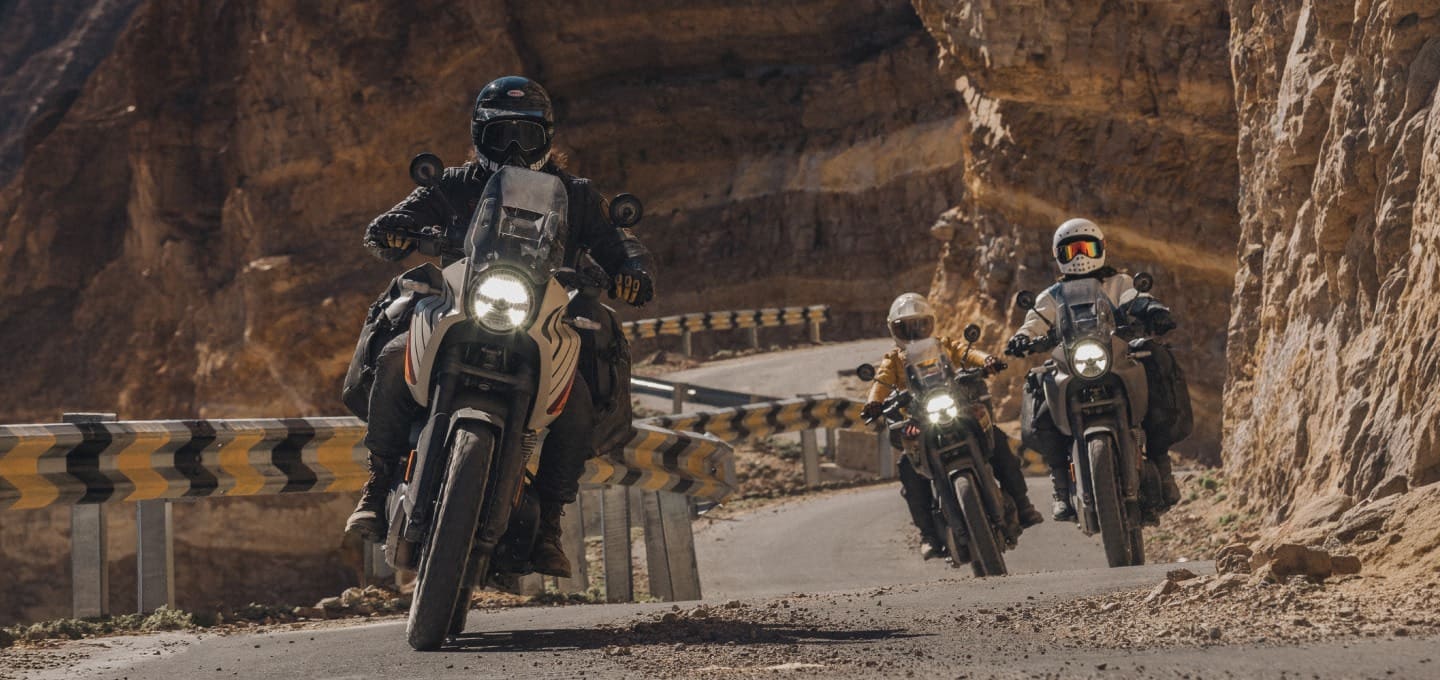
The air- and oil-cooled parallel twin produces 55 PS (about 54 horsepower) at 7,000 rpm and 63 newton-meters (46.5 pound-feet) of torque at 5,000 rpm. Royal Enfield says 90 percent of peak torque is available at 3,500 rpm. The engine is paired with a 6-speed gearbox. By comparison, the 450’s liquid-cooled single produces 40 PS and 40 newton-meters. The 750’s stronger low- and midrange output should give riders more room to hold a gear on rolling terrain or climb a grade with the bike loaded. Royal Enfield has stated that the Himalayan was built for the Himalayas, and more power is always welcome when faced with endless climbs, descents, and switchbacks.
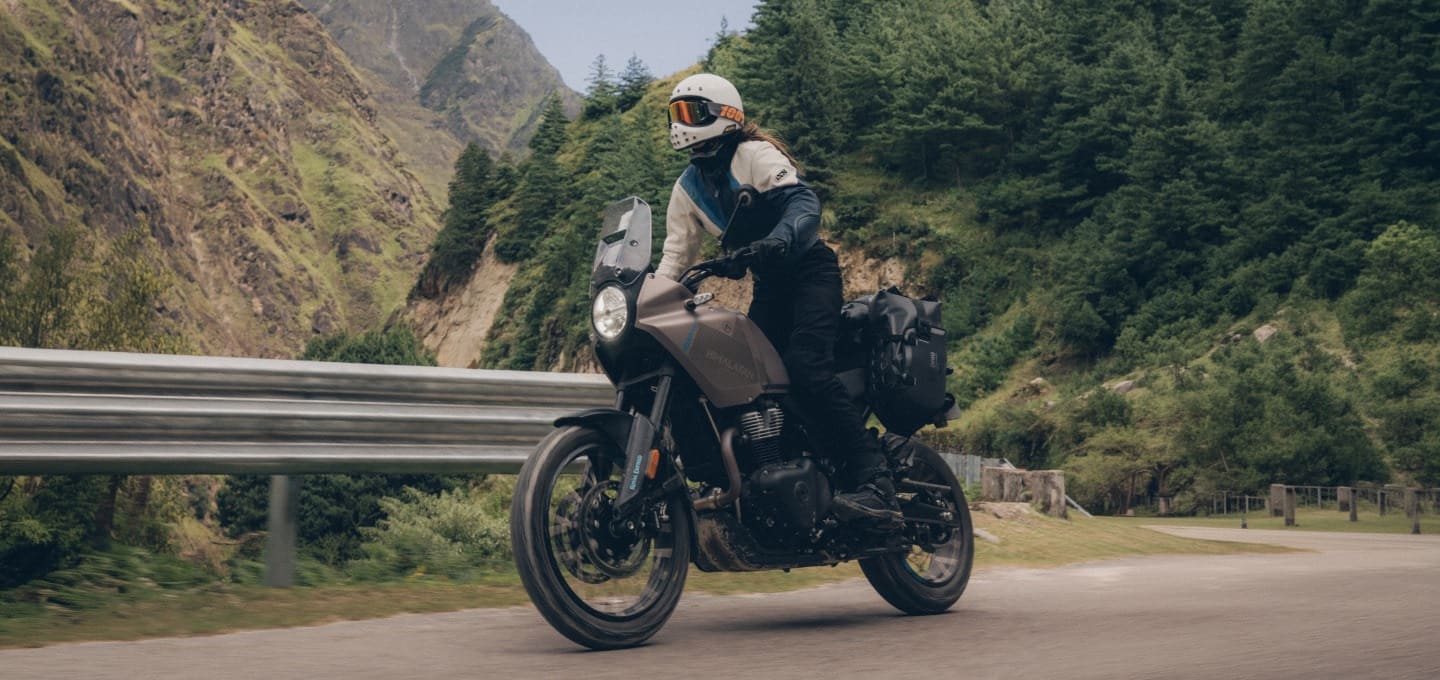
The chassis also reflects the shift toward touring. The 750 uses a 19-inch front and 17-inch rear wheel, compared with the 450’s 21-inch front and 17-inch rear. The fully adjustable 43 mm Showa fork provides 190 mm of travel, while the linkage-mounted rear shock offers 175 mm of travel, rebound adjustment, and a remote preload adjuster. The latter makes it easier to adjust the suspension when adding luggage or a passenger. The 450 retains advantages on rougher trails, with 200 mm of travel at both ends, 25 mm more ground clearance, and a curb weight of 196 kilograms (432 pounds) versus the 750’s 224 kilograms (494 pounds), measured on the same basis.
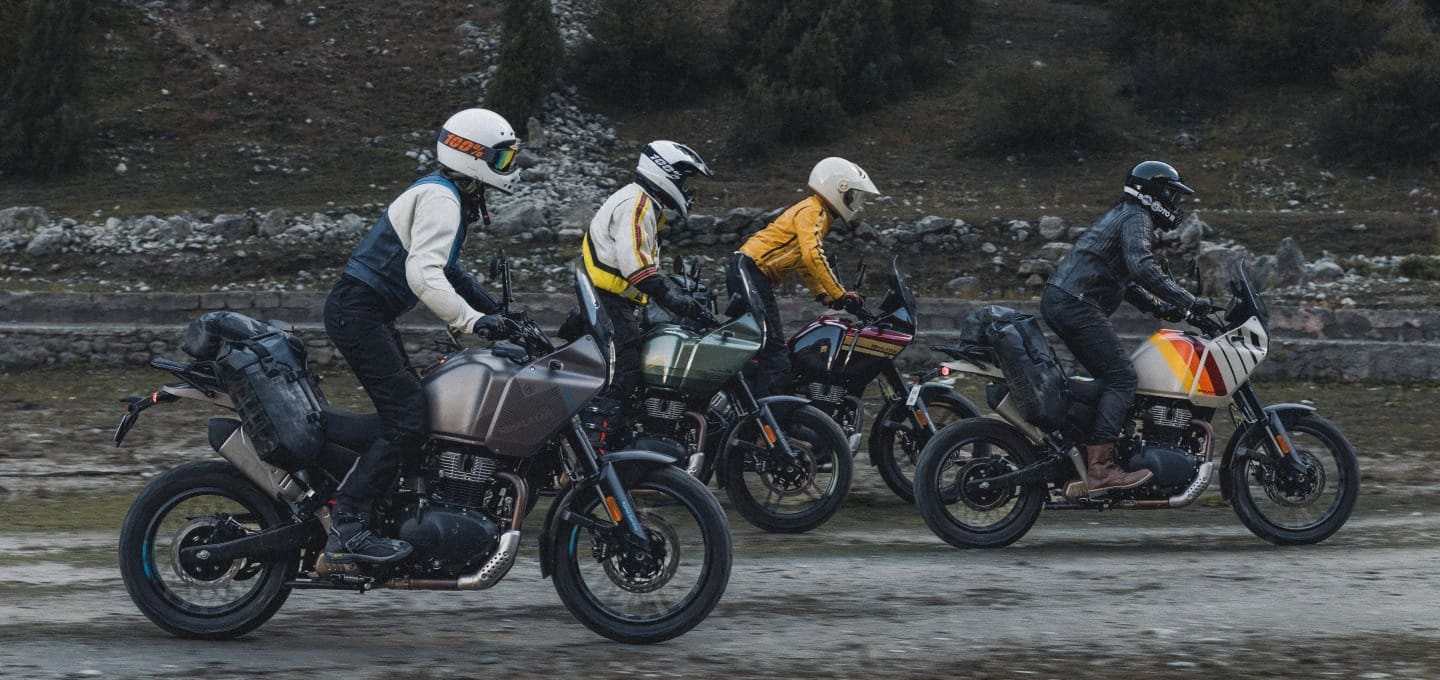
Royal Enfield lists a seat height of 815 mm (32.1 inches), 10 mm lower than the 450’s standard seat at its lowest setting. The 750 has separate rider and passenger seats, a five-position windscreen, and a 17.8-liter (4.7 US gallon) fuel tank. Standard equipment includes tire-pressure monitoring and a 4-inch round TFT display with Google Maps navigation. Five ride modes adjust engine mapping and rider aids, including cornering ABS and lean-sensitive traction control. The front brakes use twin 280 mm discs, and the rear ABS can be switched off for dirt riding.
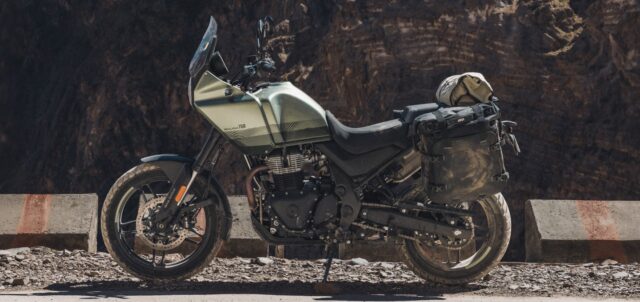
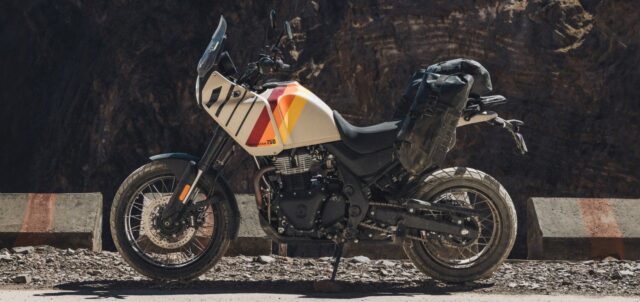
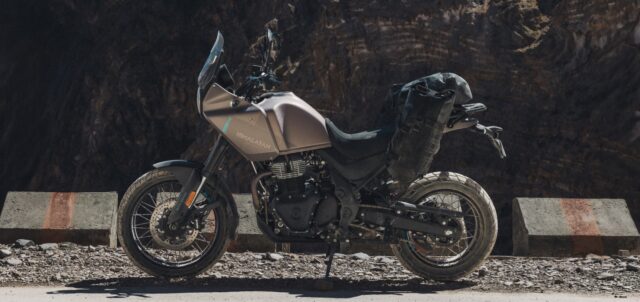
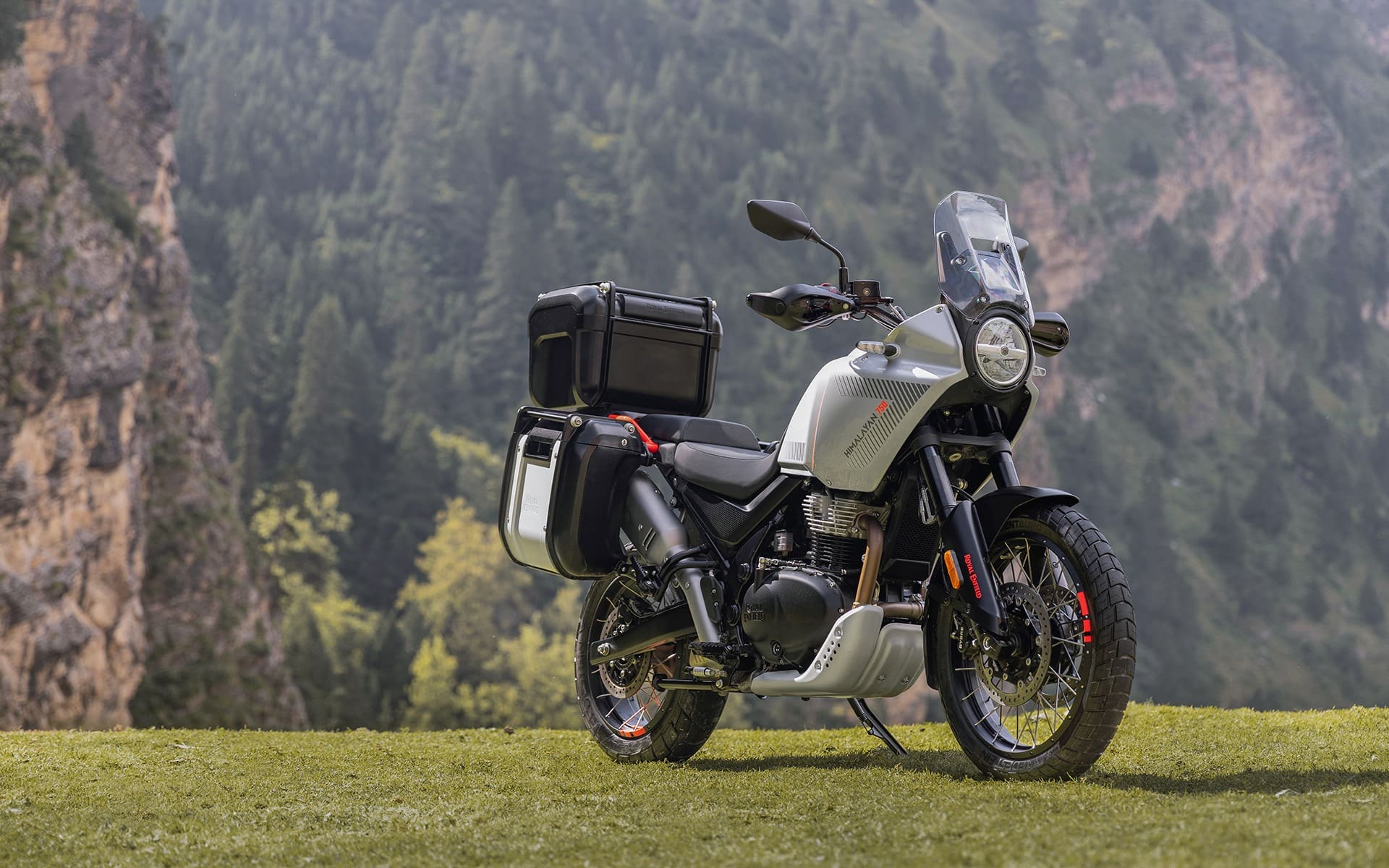
The cast-wheel version comes in Aztec Green, while the tubeless spoked-wheel version is offered in Viking Bronze and Siberia White. The Antarctic Silver flagship includes Givi panniers and a top box, along with heated grips, hand guards, and an aluminum skid plate. European bookings opened on November 3 through Royal Enfield and its authorized dealers. In the US, reports suggest that the first shipments are expected in summer 2027.
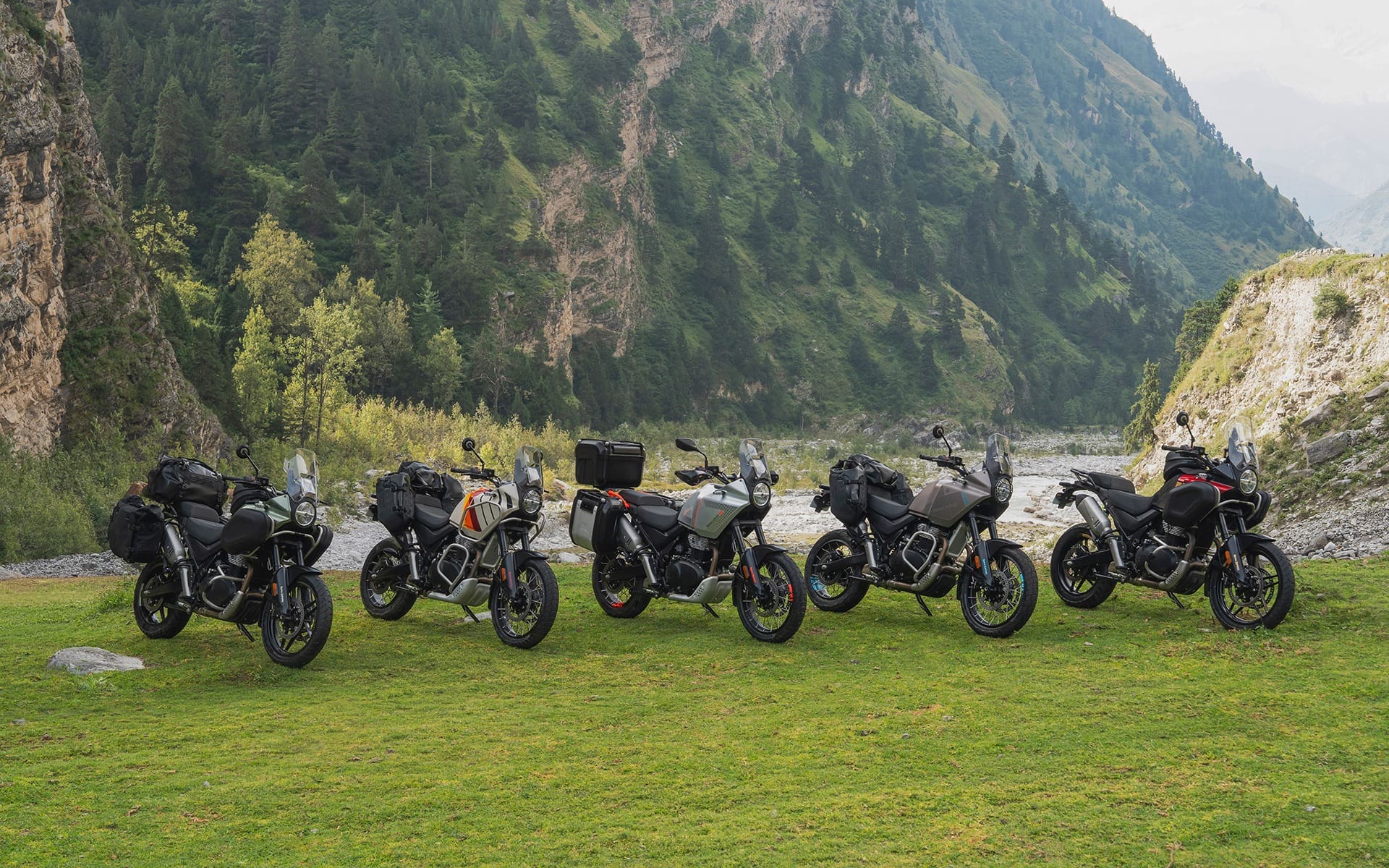
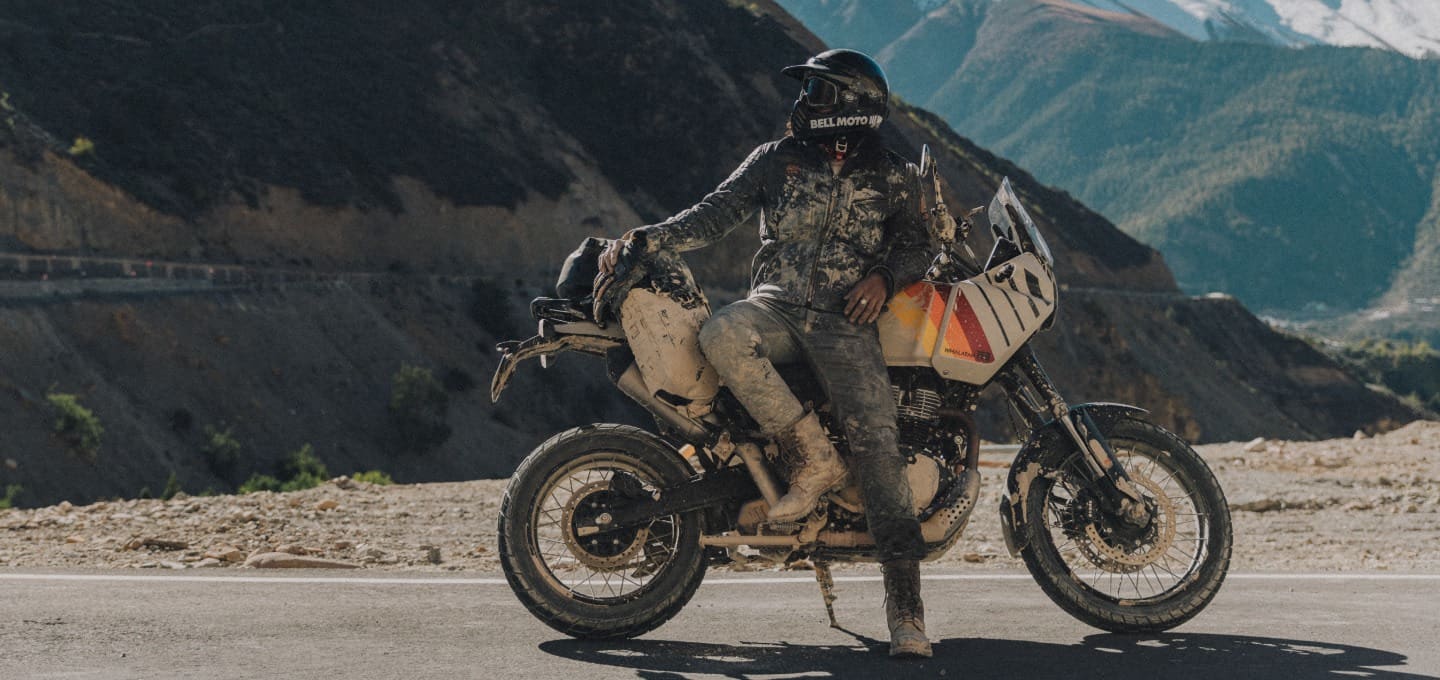
Which Himalayan makes more sense depends on how and where you ride. On paper, the 750’s extra power and touring comforts make it the better fit for long days in the saddle, especially with luggage or a passenger. The 450 still has its own appeal. Its output is modest, but it has earned a reputation as a dependable travel bike. That’s the reputation the 750 now gets to build on.
Converted to US dollars, introductory pricing for the cast-wheel Royal Enfield Himalayan 750 starts at approximately $9,240 in the UK and $8,140 in Italy. The spoked-wheel version is about $9,630 and $8,580, respectively, while the Antarctic Silver flagship comes in at $11,480 and $10,230. These conversions use November 16, 2026, exchange rates. Royal Enfield has yet to announce US pricing.
Read More: Overland News of the Week, October 23, 2026
Our No Compromise Clause: We do not accept advertorial content or allow advertising to influence our coverage, and our contributors are guaranteed editorial independence. Overland Collective may earn a small commission from affiliate links included in this article. We appreciate your support.
