


In a sign of what may be heading to the US market, Ford has confirmed that the Bronco Basecamp will reach Australia and New Zealand from mid-2027, combining an extended-range electric powertrain with integrated sleeping accommodations, a tailgate table, and power for campsite appliances. The five-seat, all-wheel-drive SUV expands the Bronco family with a vehicle aimed at everyday driving and camping trips.
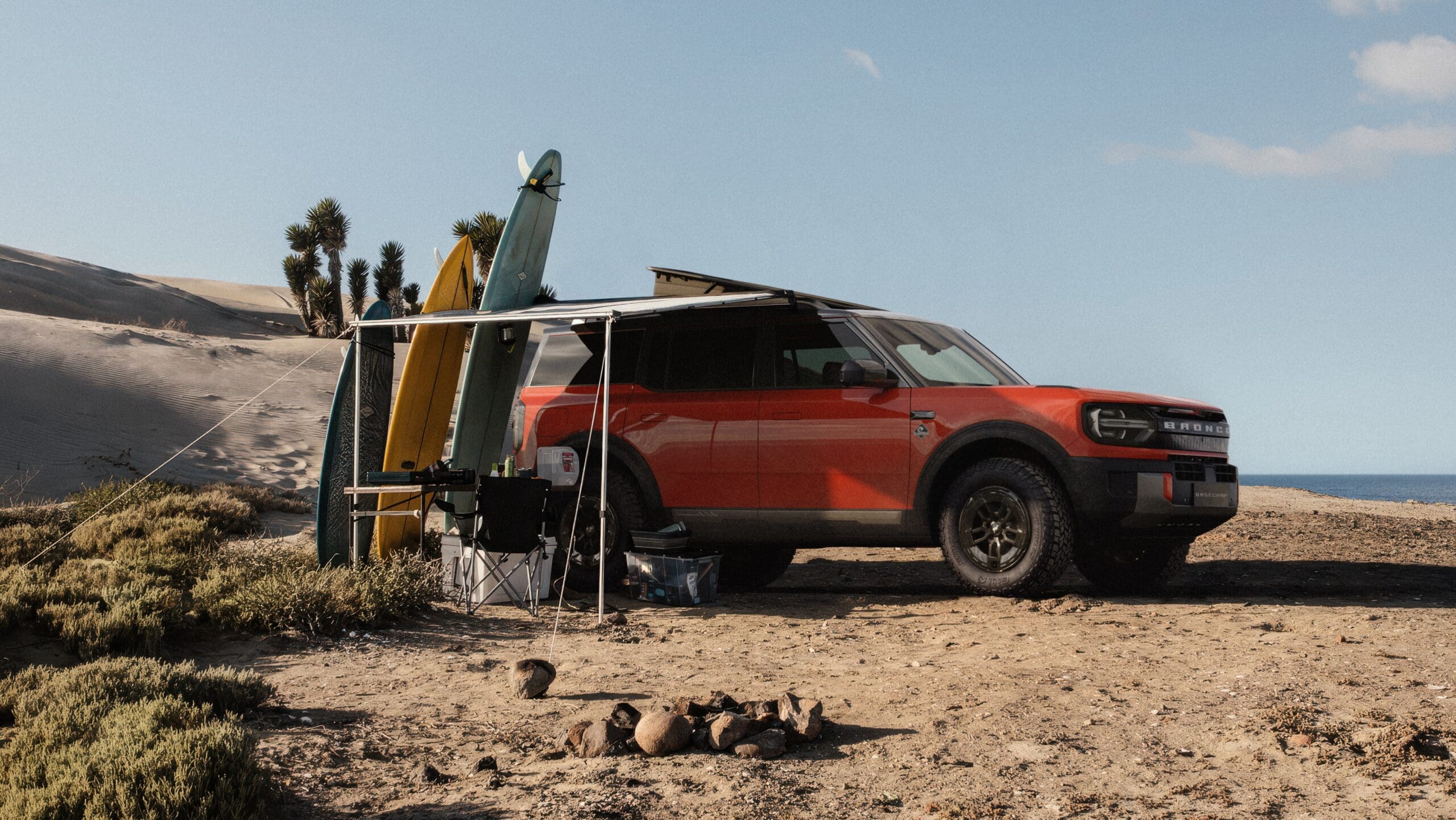
Ford describes the Basecamp’s powertrain as a “super-hybrid,” pairing dual-motor electric drive with a 1.5-liter turbocharged gasoline engine serving as a range extender. The announced usable battery capacity is 49 kilowatt-hours. Ford estimates a driving range of 800–900 kilometers, approximately 497–559 miles, but emphasizes that these preliminary figures remain subject to final testing. The estimates use the WLTP (Worldwide Harmonized Light Vehicles Test Procedure) procedure, and actual results will vary with conditions and vehicle use.
For overland travelers, that combination could offer electric driving while retaining the ability to extend a journey using gasoline. However, a preliminary range estimate cannot establish how the vehicle will perform with camping equipment aboard, on difficult terrain, or while supplying electricity at camp. Those operating conditions will be important when assessing its suitability for longer trips.
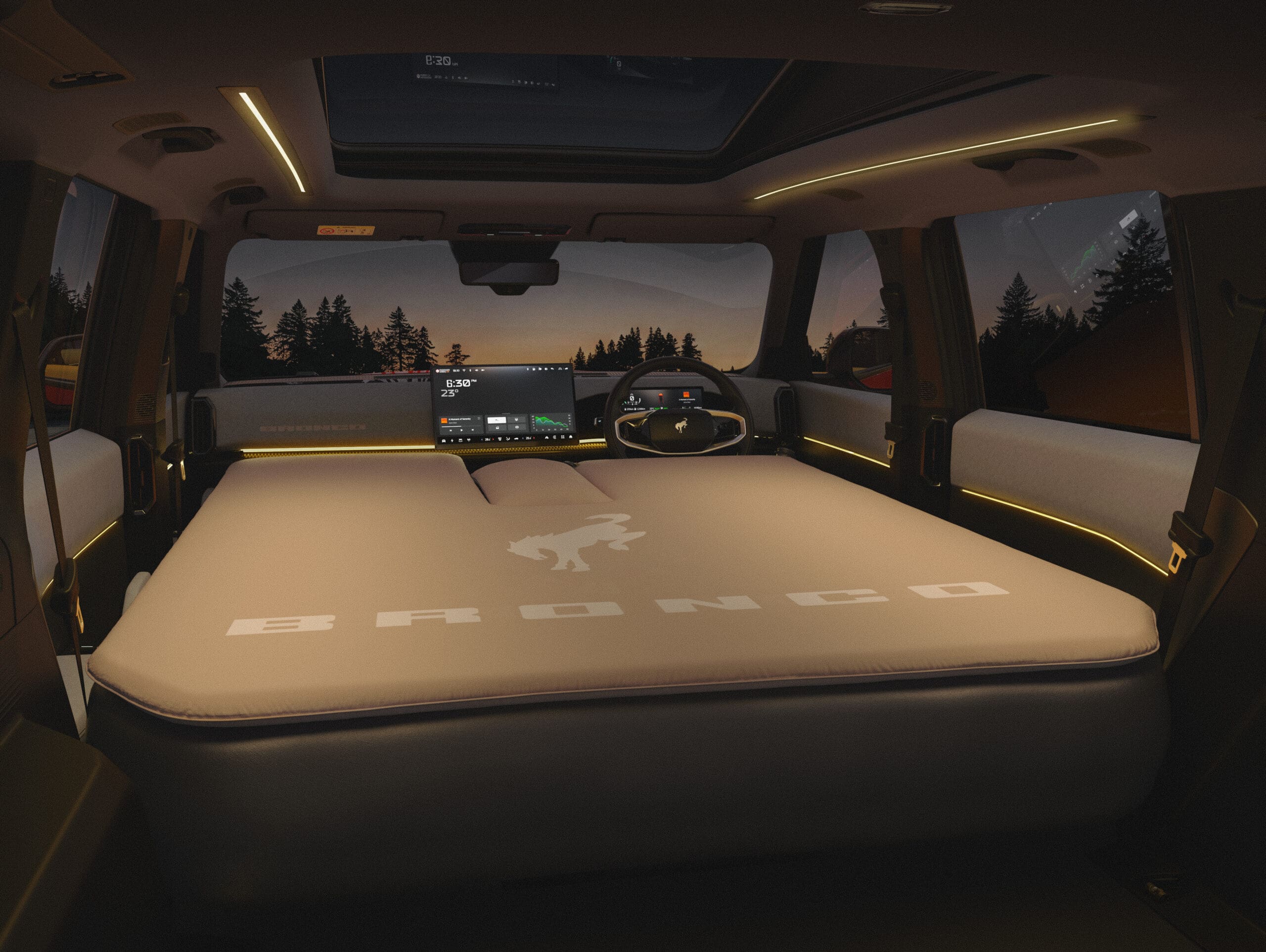
The Basecamp’s interior is designed to accommodate overnight stays. Both seating rows fold to create a sleeping surface when paired with a custom inflatable mattress, sold separately. Ford has also positioned USB charging ports on the B-pillars and arranged the cabin lighting for access while occupants are lying down. The Outer Banks model adds a powered pop-up roof that increases interior height, with an unzippable gusset for ventilation and an automatic rain-sensing closing function.
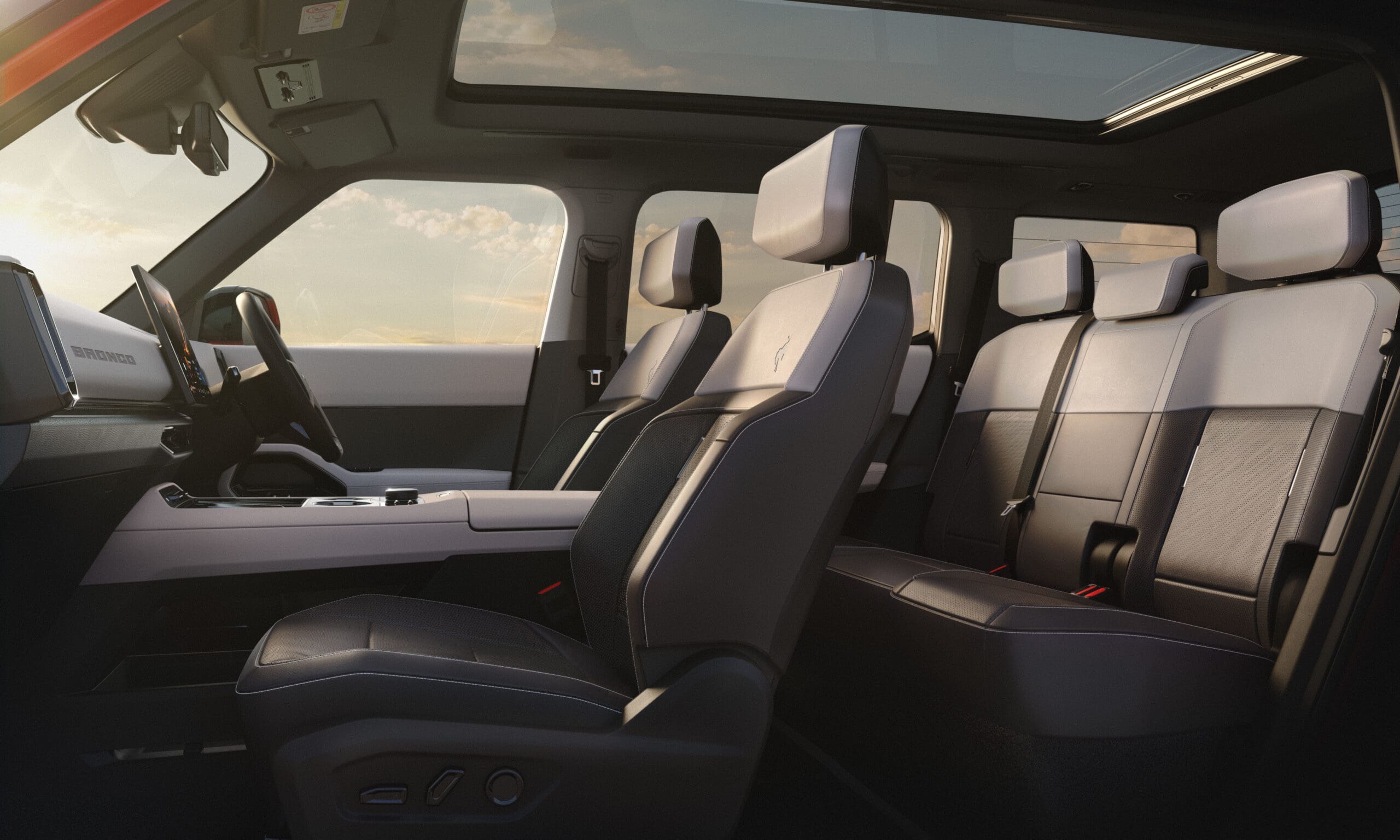
Compared with adding a rooftop tent or constructing a sleeping platform, this approach could simplify the conversion from daily transport to overnight accommodation. Its usefulness will still depend on the finished sleeping dimensions and how travelers manage luggage when the seats are folded. An integrated bed arrangement is appealing, but the ability to keep equipment accessible matters just as much during repeated nights on the road.
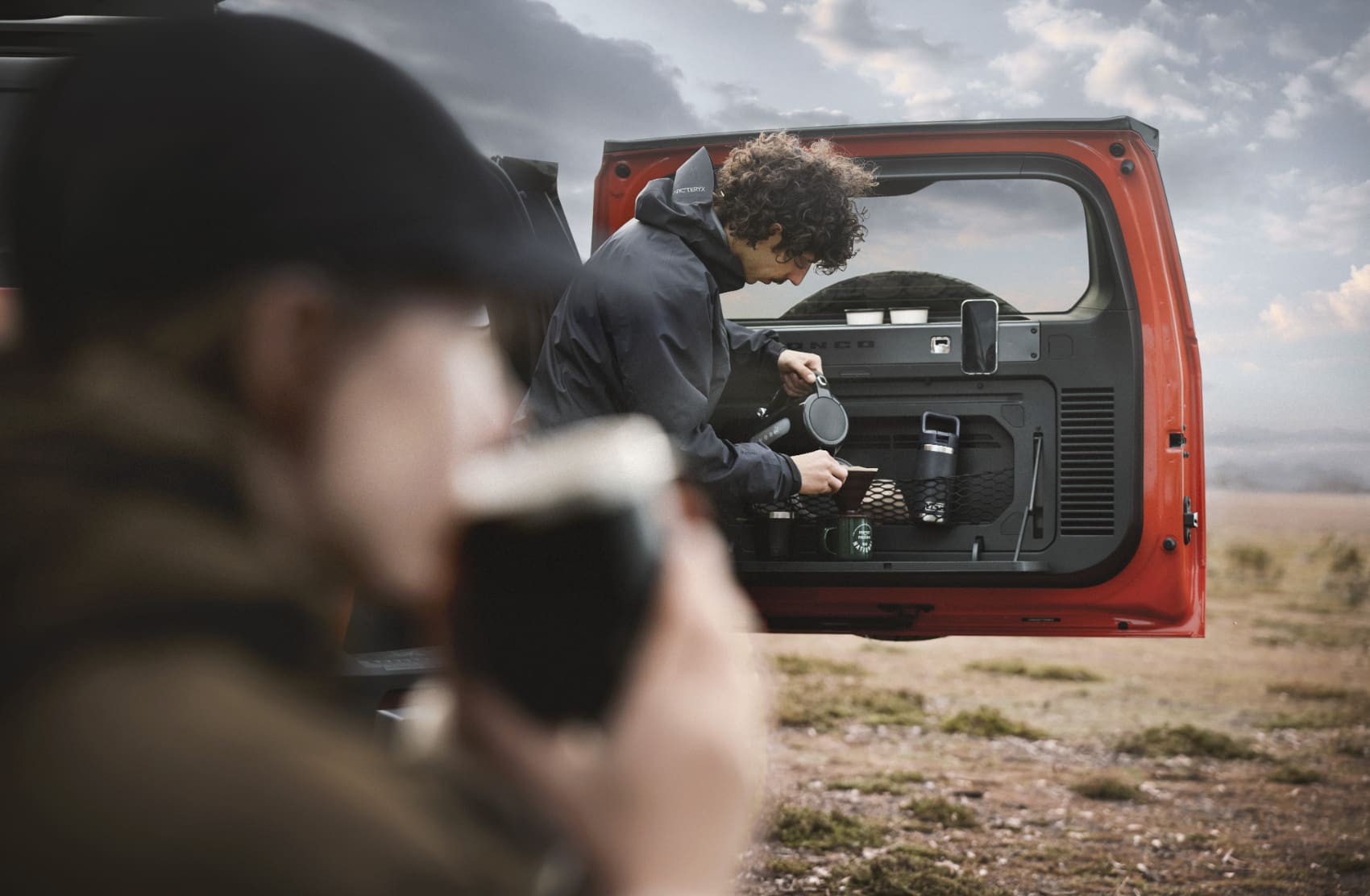
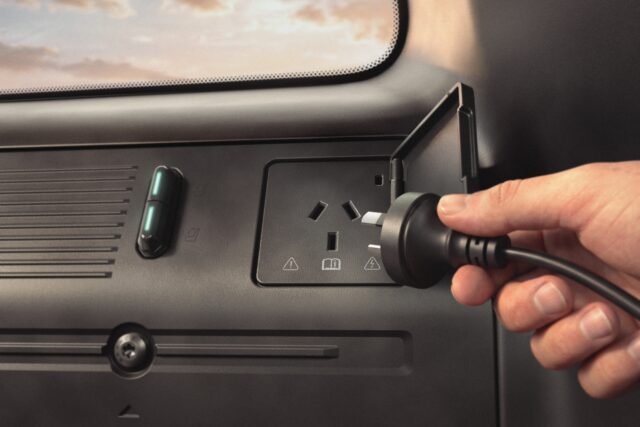
Ford’s Wild Kitchen arrangement incorporates a fold-down table into the rear swing gate. Pro Power Onboard supplies a maximum combined output of 6.6 kilowatts through interior and exterior outlets. The interior outlet is limited to 2.3 kilowatts; the exterior connection can supply 6.6 kilowatts when the interior outlet is unused, or 4.3 kilowatts when it is operating. Exterior use requires an extra-cost external adapter. Ford cautions that supplying appliances reduces battery charge and that the system may not power every device.
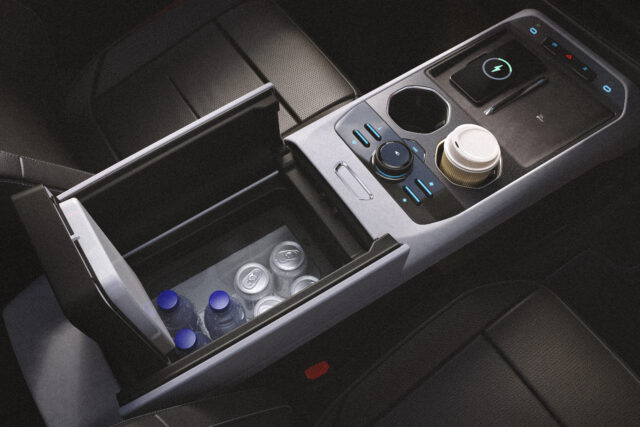
The Outer Banks also includes 7.5-liter temperature-controlled console storage, with availability as an extra-cost option on selected other models. It can warm or cool its contents, but operates only while the vehicle is running. That restriction limits its usefulness as a substitute for a refrigerator intended to preserve food throughout an extended stay.

The Basecamp’s strongest proposition is integrating accommodation and campsite power into a daily-use SUV. Buyers considering prolonged remote travel will need the final payload, clearance, towing, and charging specifications before judging the complete package. Ford’s initial announcement establishes a camping-focused direction, while leaving the practical limits of the production vehicle to be assessed closer to launch.
Pricing and the complete regional specifications will be released closer to arrival.
Read More: Overland News of the Week, September 11, 2026
Our No Compromise Clause: We do not accept advertorial content or allow advertising to influence our coverage, and our contributors are guaranteed editorial independence. Overland Collective may earn a small commission from affiliate links included in this article. We appreciate your support.
