

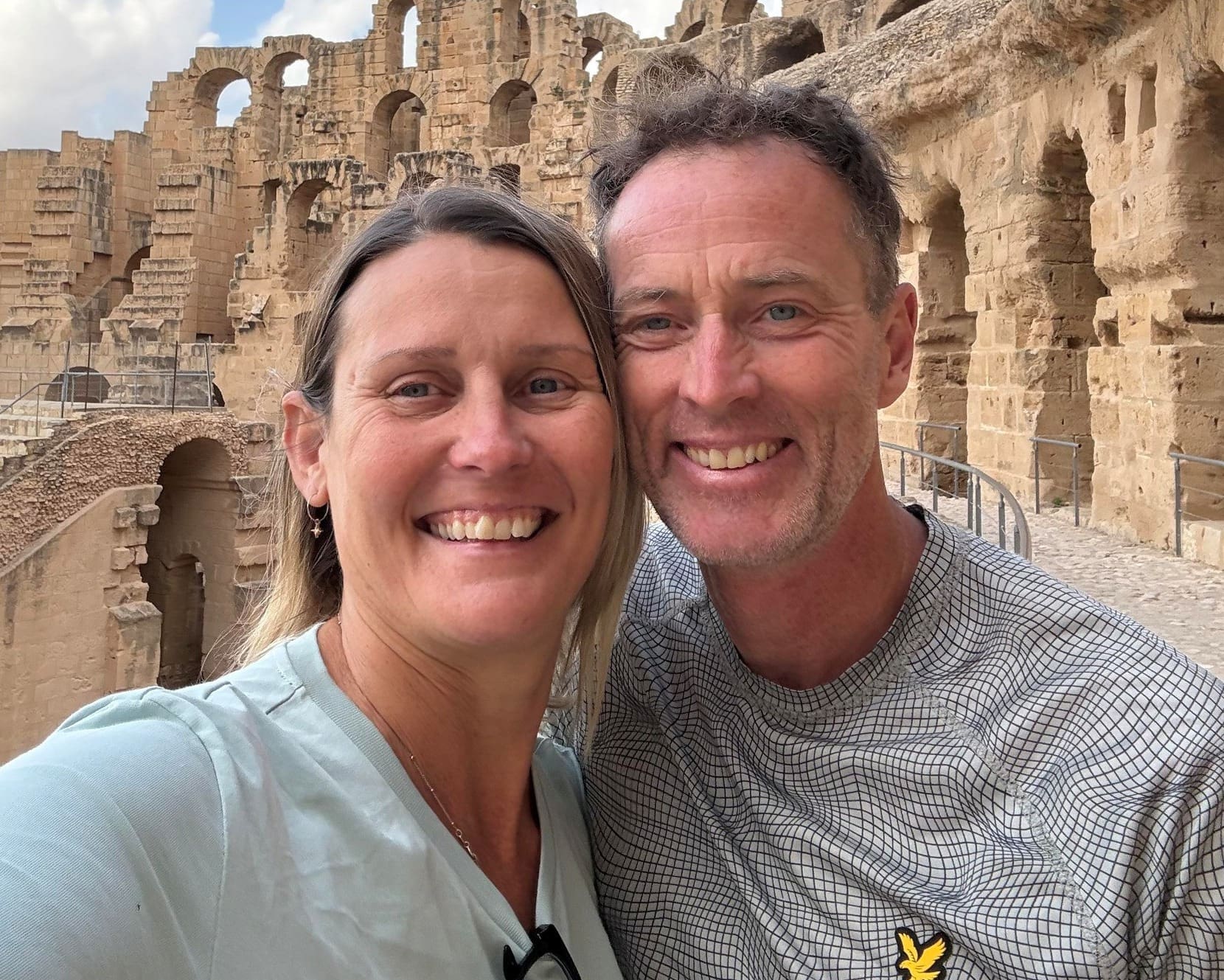
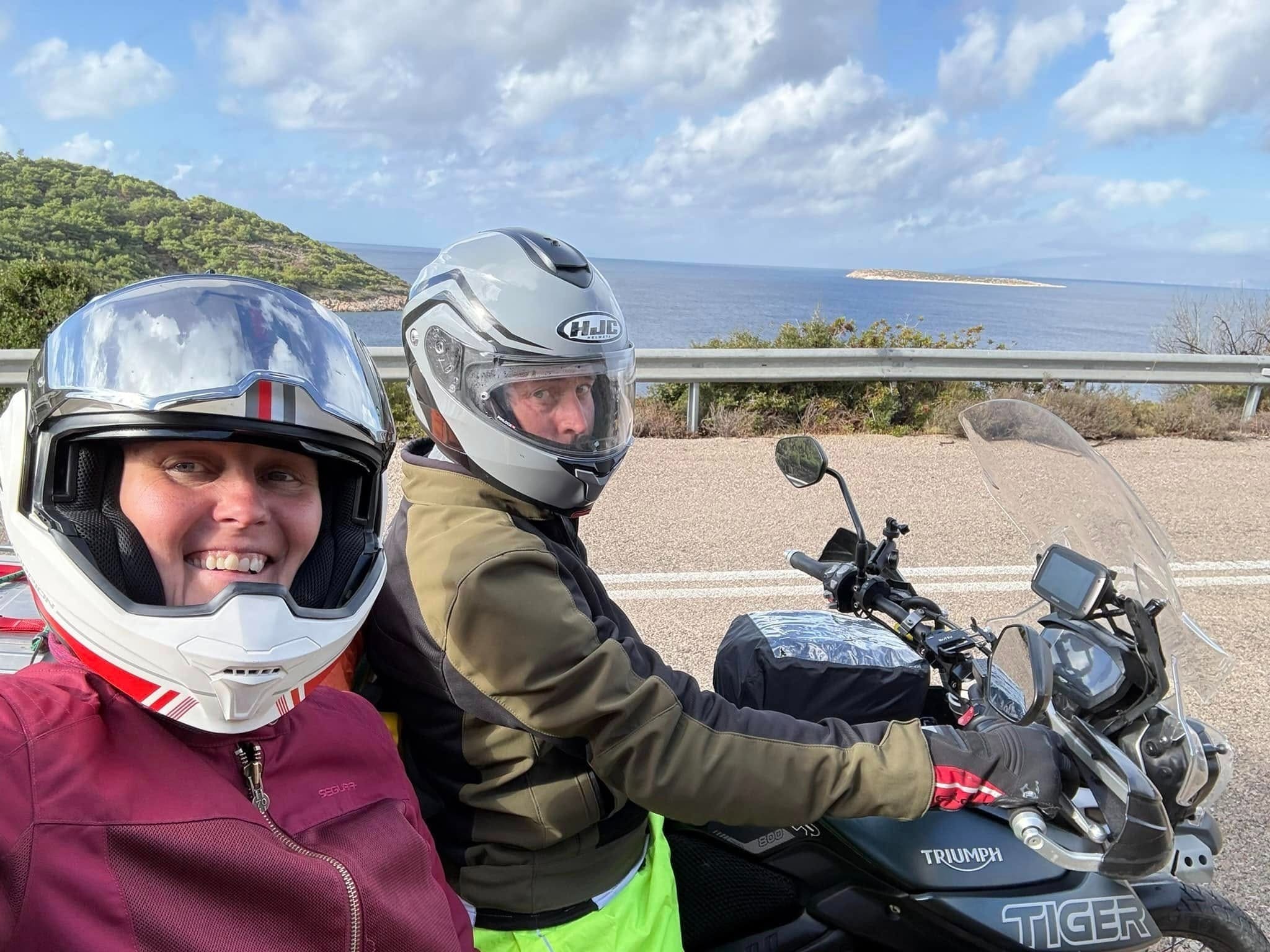
Craig and Lindsay Foreman, both from East Sussex in the United Kingdom, were arrested in Iran in January 2025 while undertaking an around-the-world motorcycle journey. According to reports, the couple had entered Iran legally from Armenia with valid visas and an approved itinerary as they made their way toward Pakistan and eventually Australia. Iranian authorities later accused the pair of espionage, allegations that both the couple and their family strongly deny.
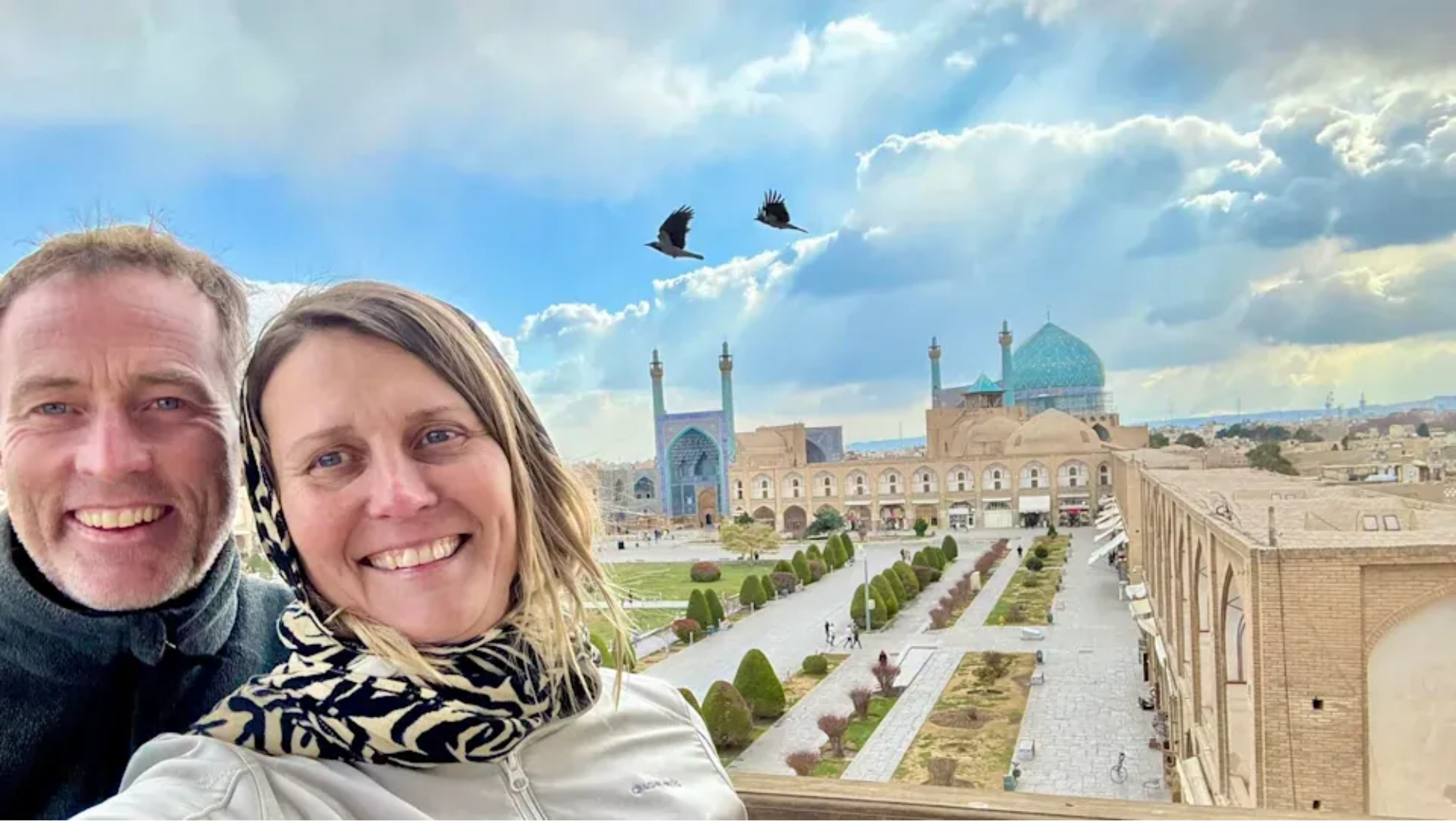
The Foremans’ detention quickly escalated from a consular issue into a broader diplomatic controversy. In February 2026, Iran’s Revolutionary Court sentenced the couple to 10 years in prison on espionage charges. Reports from multiple international media outlets indicate that the couple was allegedly denied the ability to properly defend themselves during proceedings and was asked to sign legal documents written in Farsi that they could not understand.
More recently, the couple reportedly lost their appeal against the sentence, with the case now moving to Iran’s Supreme Court. Family members claim the Foremans were not permitted to attend the appeal hearing and remain unclear about the legal process surrounding the case. Reports from the family also suggest conditions inside Tehran’s Evin Prison have deteriorated during periods of regional military tension. During recent unrest and reported strikes near Tehran, Lindsay Foreman described hearing explosions and drones nearby while imprisoned. Family members have additionally claimed the couple has undertaken hunger strikes in protest over their treatment and limited communication with the outside world.
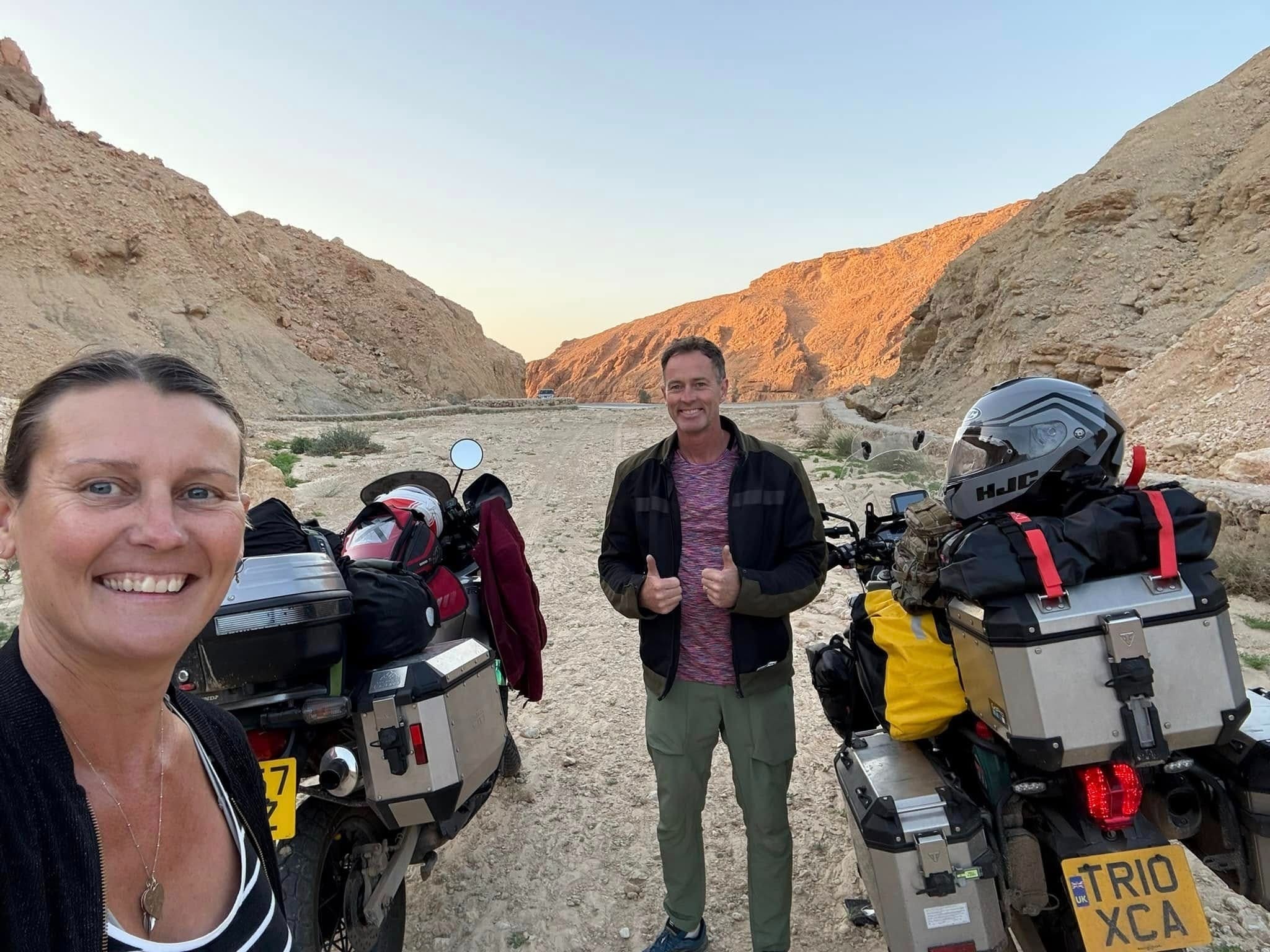
The story has resonated deeply within the global overland and adventure motorcycling communities because the Foremans were not inexperienced tourists wandering casually through a politically sensitive region. They were long-distance travelers undertaking a carefully planned international journey, something thousands of overlanders continue to pursue every year. Lindsay Foreman, who reportedly holds a doctorate in psychology, was also conducting research during the trip focused on human well-being and cultural perspectives on what constitutes a meaningful life.
Iran has a long and controversial history of detaining foreign nationals on security-related charges, particularly citizens from Western countries. Human rights organizations and foreign governments have repeatedly accused Tehran of engaging in what has become known as “hostage diplomacy,” where detainees are allegedly used as leverage in broader geopolitical negotiations.
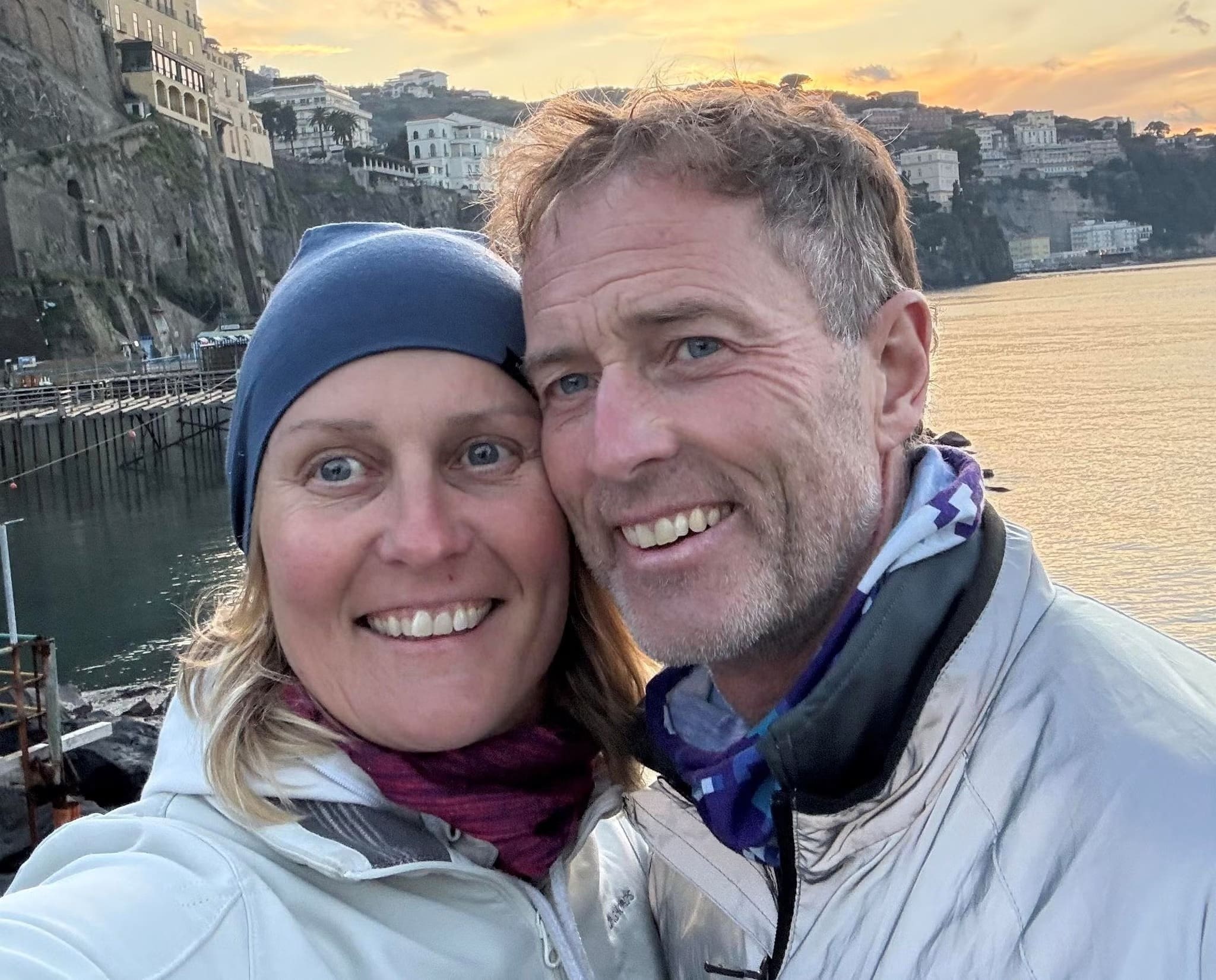
For many overlanders, however, the Foreman case feels particularly personal. Iran has traditionally occupied an important place on many transcontinental routes linking Europe, Central Asia, the Middle East, and South Asia. Before regional instability and shifting tensions made travel increasingly complicated, countless travelers crossed Iran each year on the way to destinations such as India, Nepal, Southeast Asia, and Australia.
Historically, travelers often described Iran as one of the highlights of their journeys. The country’s mountain landscapes, ancient caravan routes, deserts, and historic cities made it a compelling destination for vehicle-based travel. Yet the Foremans’ detention reinforces the reality that hospitality at a personal level does not always translate into safety at a political level.
The British Foreign Office has repeatedly advised against all travel to Iran, warning that British nationals face a significant risk of detention regardless of their intentions or legal status while traveling in the country. British officials have described the Foremans’ sentence as “totally unjustifiable” and continue to call for their release.
The detention of the Foremans serves as a sobering reminder that modern overland travel increasingly intersects with volatile realities. Routes that once formed part of the classic overland trail between Europe and Asia have become far more unpredictable over the past decade. For travelers accustomed to evaluating terrain, weather, and mechanical reliability, geopolitical risk is now equally critical.
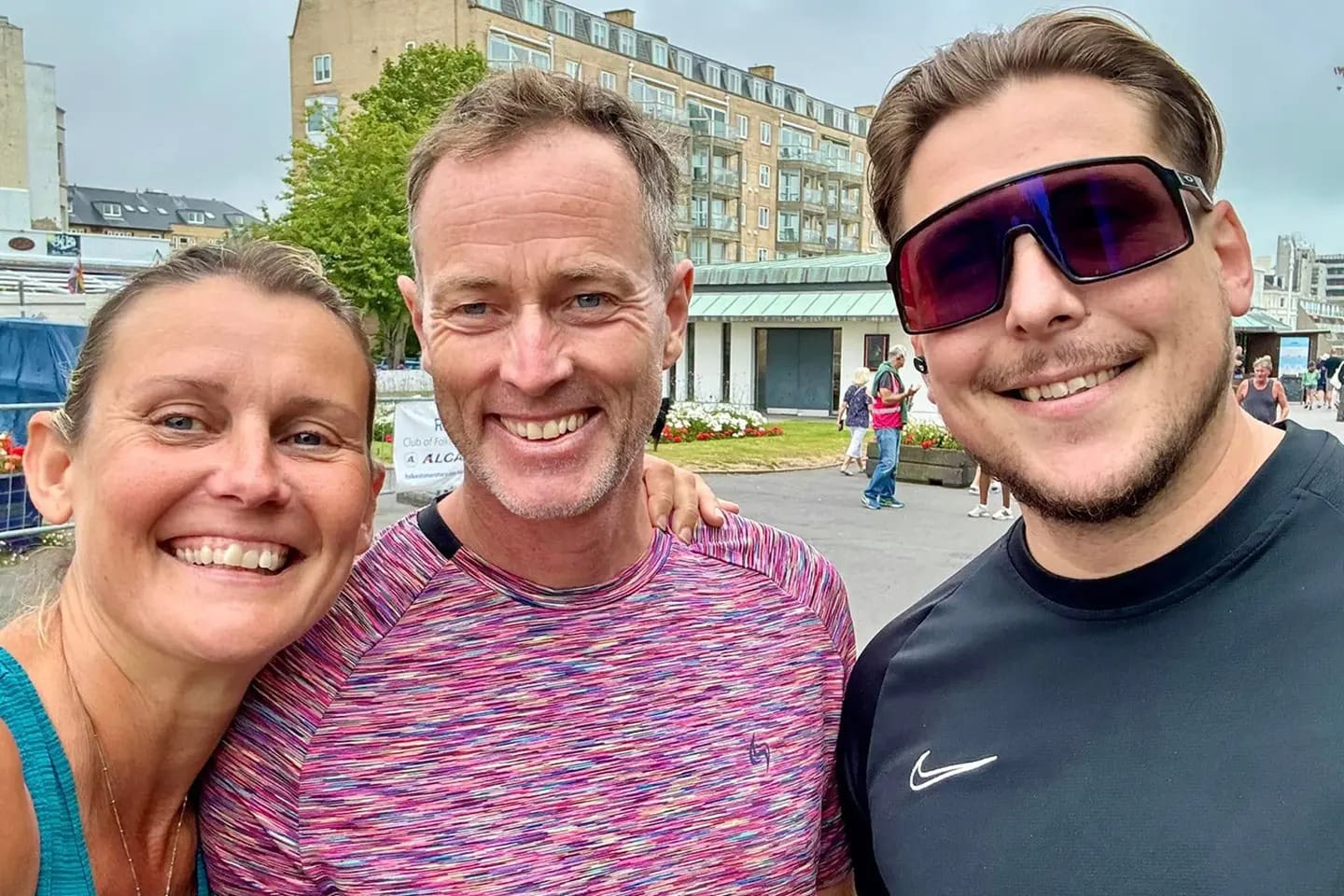
Read more on the family website, freelindsayandcraig.com.
Read More: Overland News of the Week
Our No Compromise Clause: We do not accept advertorial content or allow advertising to influence our coverage, and our contributors are guaranteed editorial independence. Overland International may earn a small commission from affiliate links included in this article. We appreciate your support.
