

China’s modern automotive industry faces a challenge that has little to do with engineering and everything to do with perception. For decades, Chinese-made products were often associated with low-cost manufacturing, mass production, and inconsistent quality. During that same period, many Western companies shifted production to China in pursuit of lower costs, helping accelerate the development of China’s manufacturing capabilities and technical expertise.
Today, Chinese manufacturers are no longer content to compete solely on price. Across multiple industries, they are investing heavily in design, technology, and product development in an effort to change long-held perceptions of what a Chinese product represents. The goal is straightforward: produce goods that are not only affordable but also capable, attractive, technologically advanced, and reliable enough to compete with established global brands.
Nowhere is that transformation more apparent than in the automotive sector. Over the past decade, Chinese manufacturers have evolved from producing value-focused transportation to developing increasingly sophisticated vehicles aimed at global markets. The shift is particularly evident in the growing number of off-road SUVs emerging from China. While many of these vehicles remain unavailable in North America, they are beginning to compete directly with established brands in markets across Asia, Australia, the Middle East, Africa, and South America.
Three recent examples—the Geely Galaxy Cruiser 700, Jetour G700, and M-Hero M817—illustrate how rapidly the segment is evolving. Each targets a different buyer, but all share a common theme: offering premium features, advanced drivetrains, and competitive pricing (between $40,000 and $60,000) that place them squarely in the territory traditionally occupied by brands such as Land Rover, Toyota, Jeep, Mercedes-Benz, and Lexus.
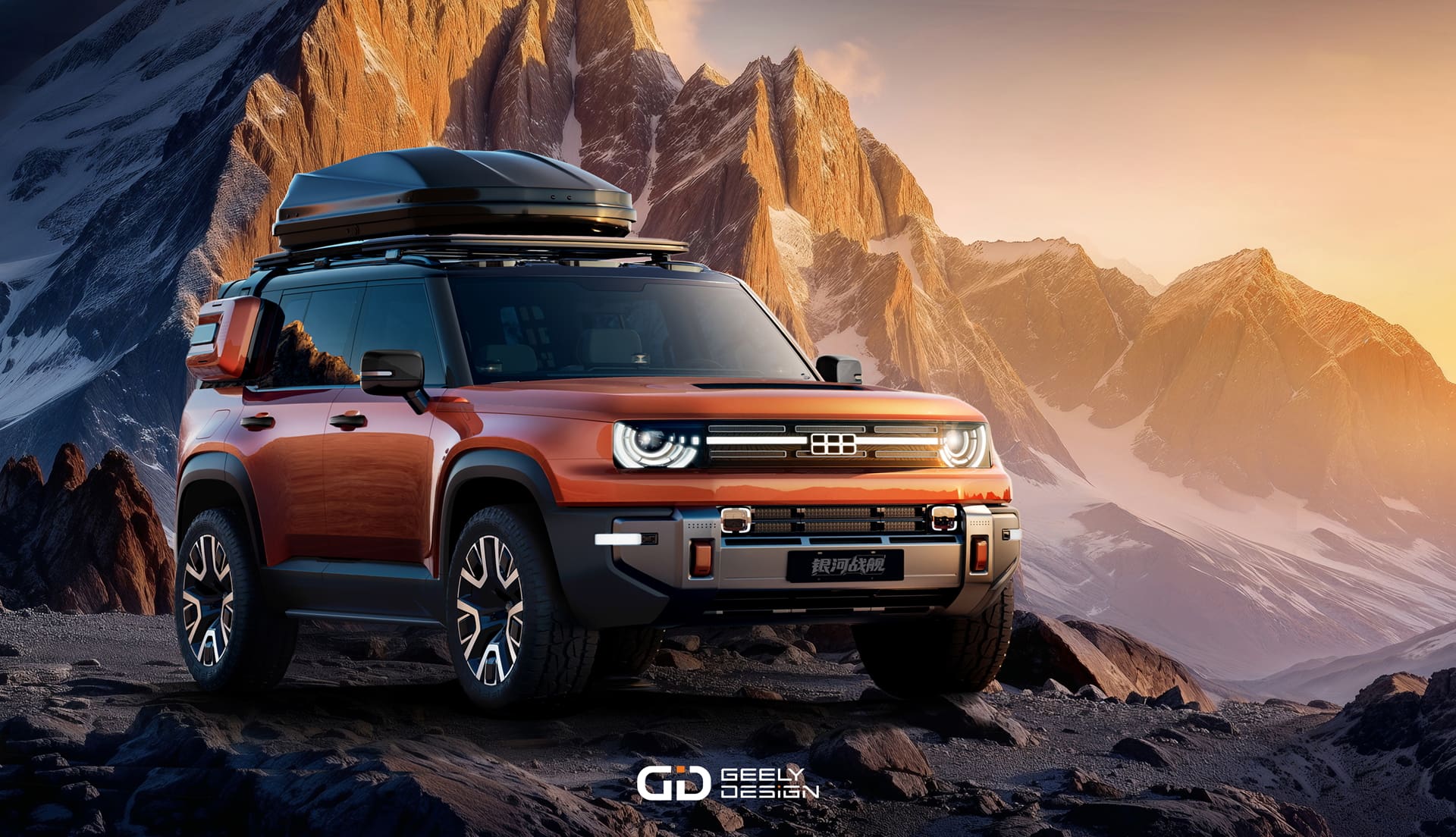
The Geely Galaxy Cruiser 700 has generated considerable attention due to styling that appears very heavily “inspired” by the modern Land Rover Defender. The vehicle adopts a boxy silhouette, upright glasshouse, squared wheel arches, and short overhangs that have become defining characteristics of the contemporary adventure SUV segment. While the design language is suspiciously familiar, the vehicle represents Geely’s attempt to translate those cues into a package supported by the company’s growing expertise in electrification and vehicle technology.
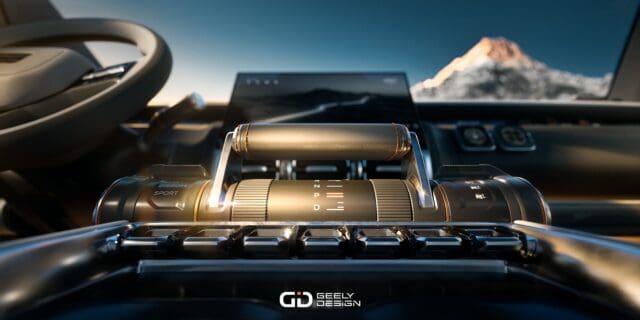
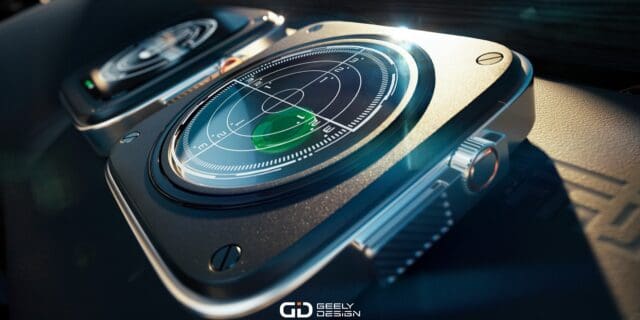
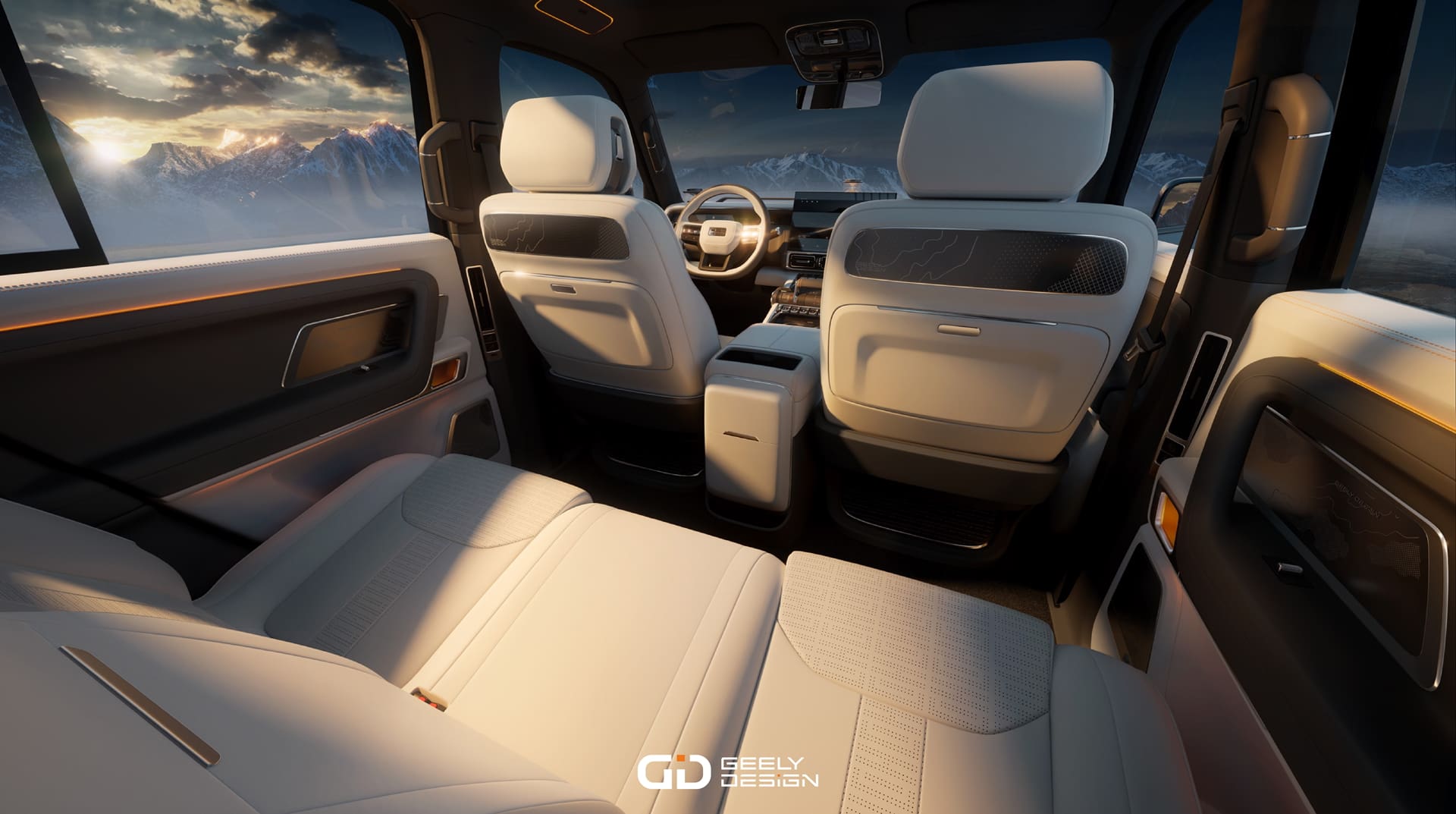
Geely has become one of China’s most influential automotive groups, owning brands that include Volvo, Polestar, Lotus, and Zeekr. The technology and engineering expertise accumulated across those brands is increasingly filtering into vehicles aimed at mainstream consumers. As a result, the Galaxy Cruiser 700 enters the market with a level of sophistication that would have been difficult to imagine from a Chinese manufacturer only a decade ago.
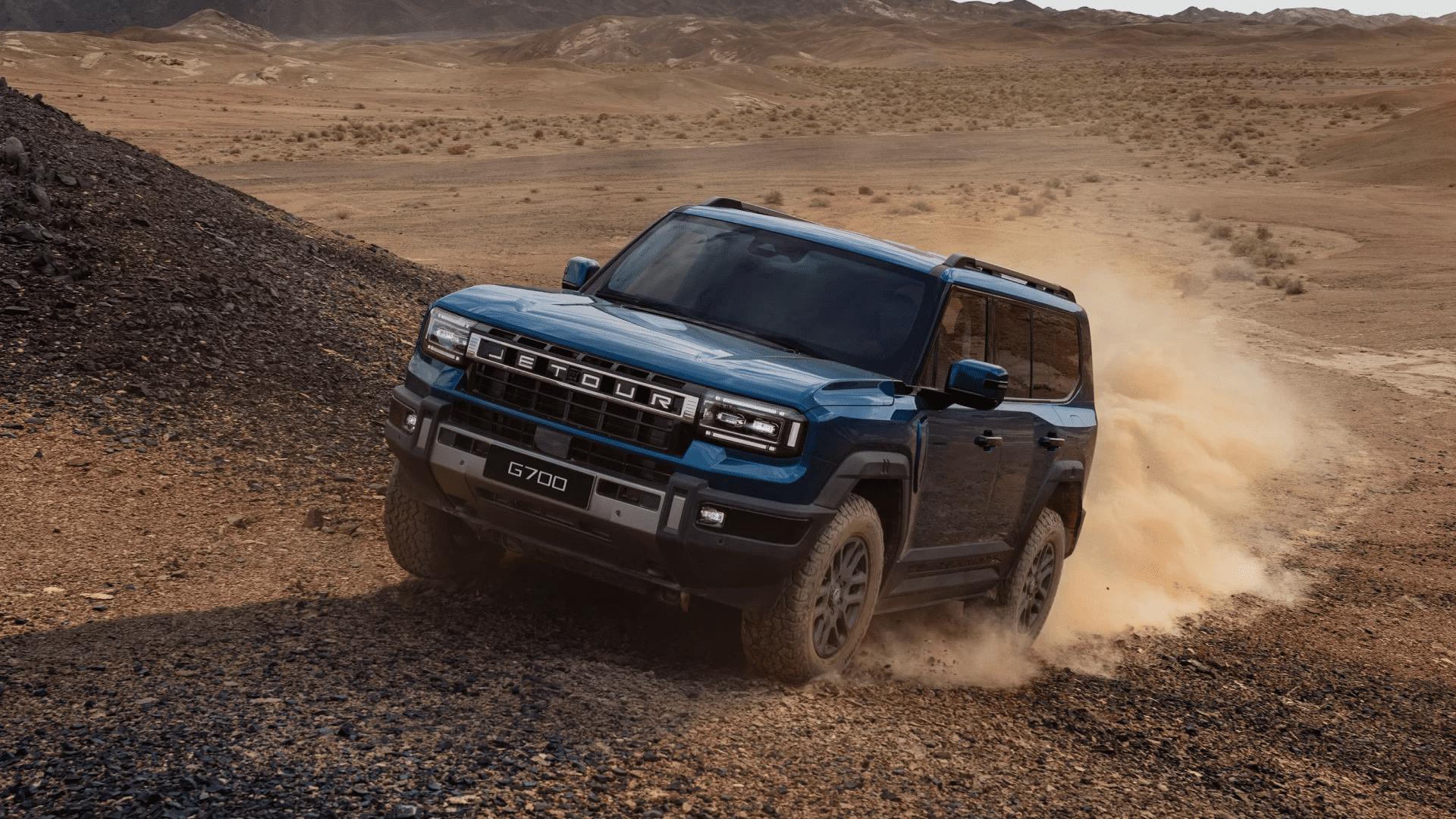
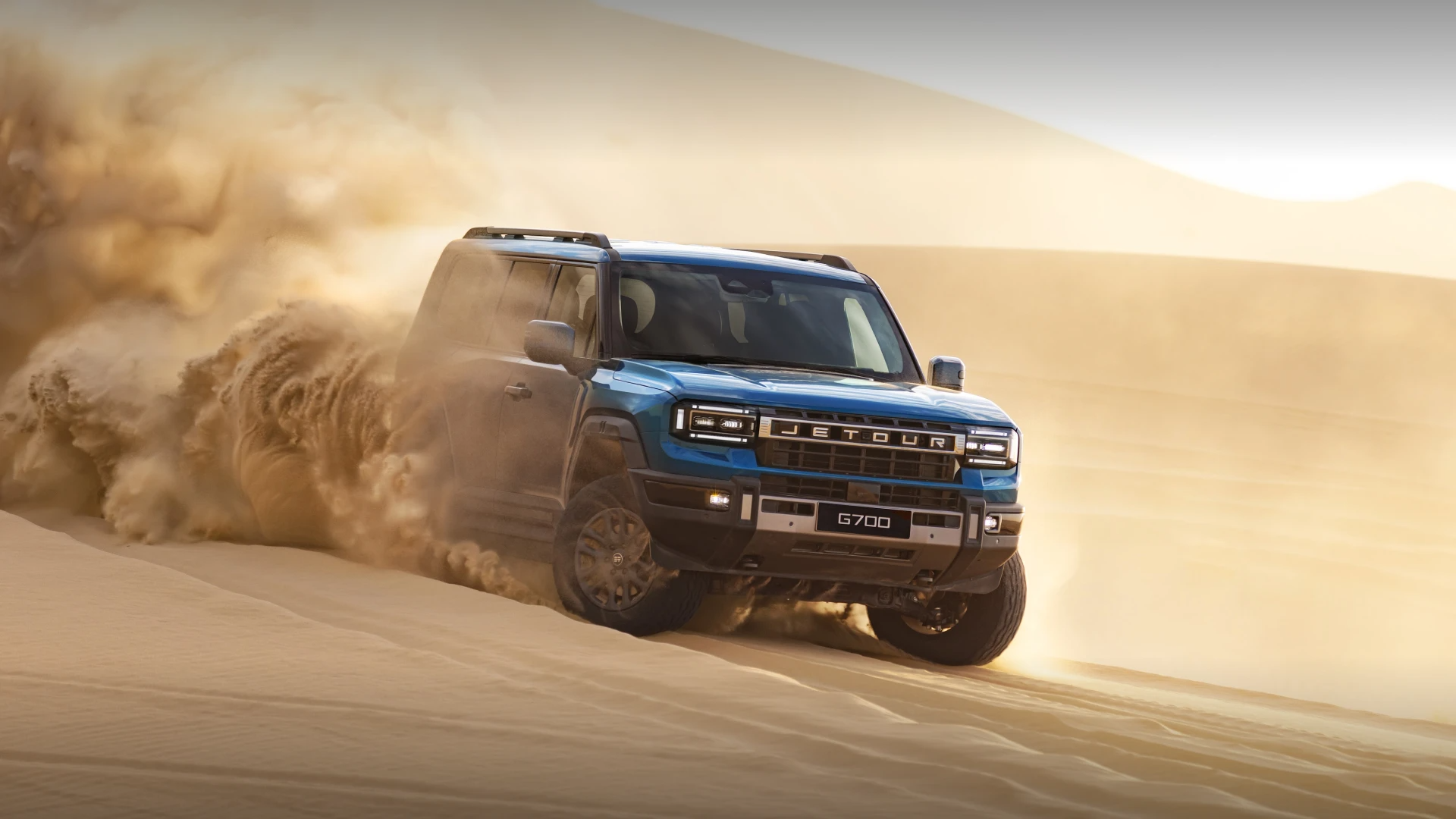
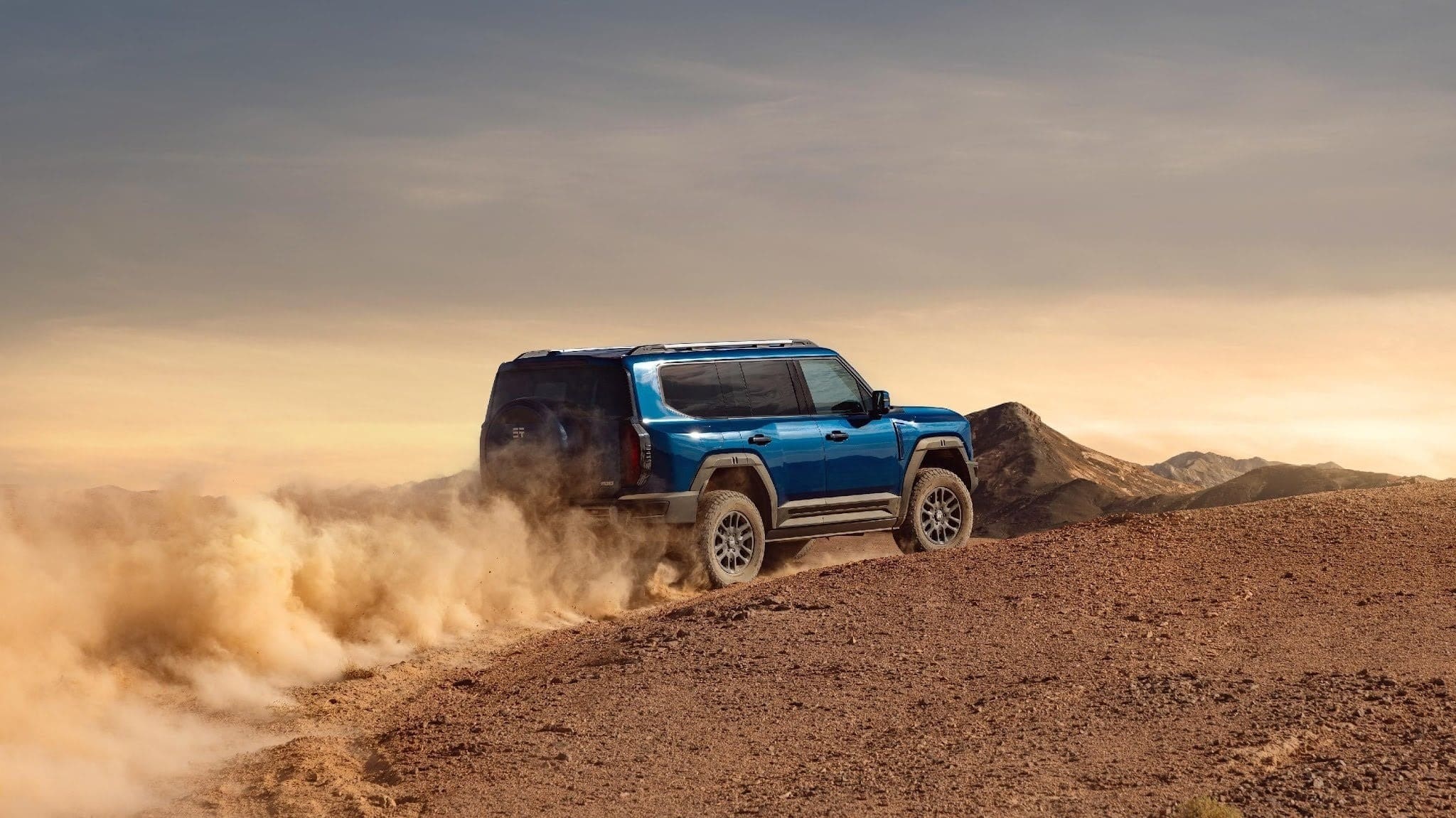
The Jetour G700 takes a slightly different approach. Rather than focusing solely on styling and luxury (which reminds us of a Land Cruiser 300), it combines plug-in hybrid technology with long-range touring capability. The vehicle reflects a growing trend among Chinese manufacturers to blend electrification with traditional expedition travel requirements.
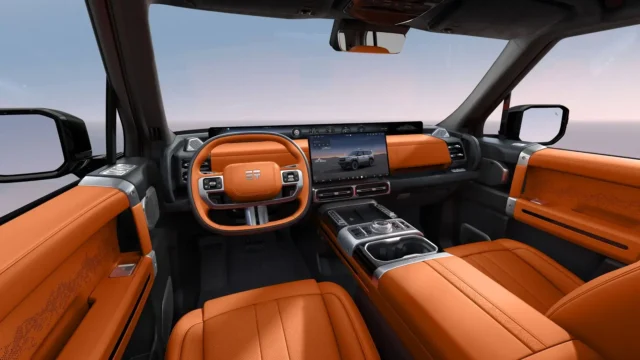
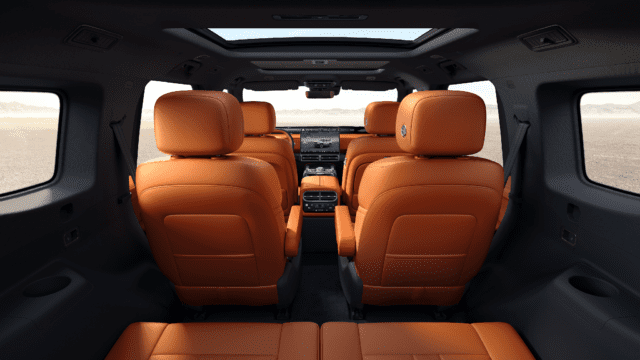
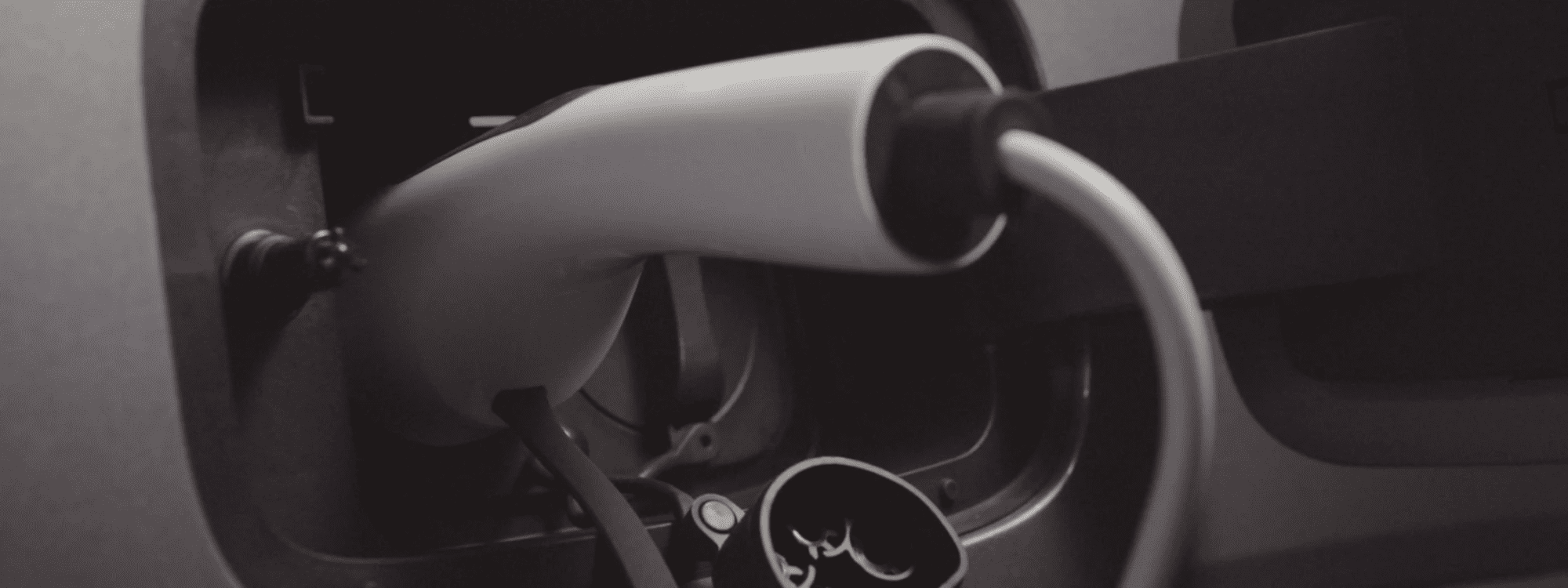
For overlanders and adventure travelers, one of the most significant barriers to electric adoption remains range and charging infrastructure in remote regions. Plug-in hybrid systems offer a practical compromise by providing electric driving capability for daily use while retaining the long-distance flexibility of a combustion engine. The G700 appears designed with this balance in mind, offering a vehicle capable of both urban commuting and extended travel beyond major transportation corridors.
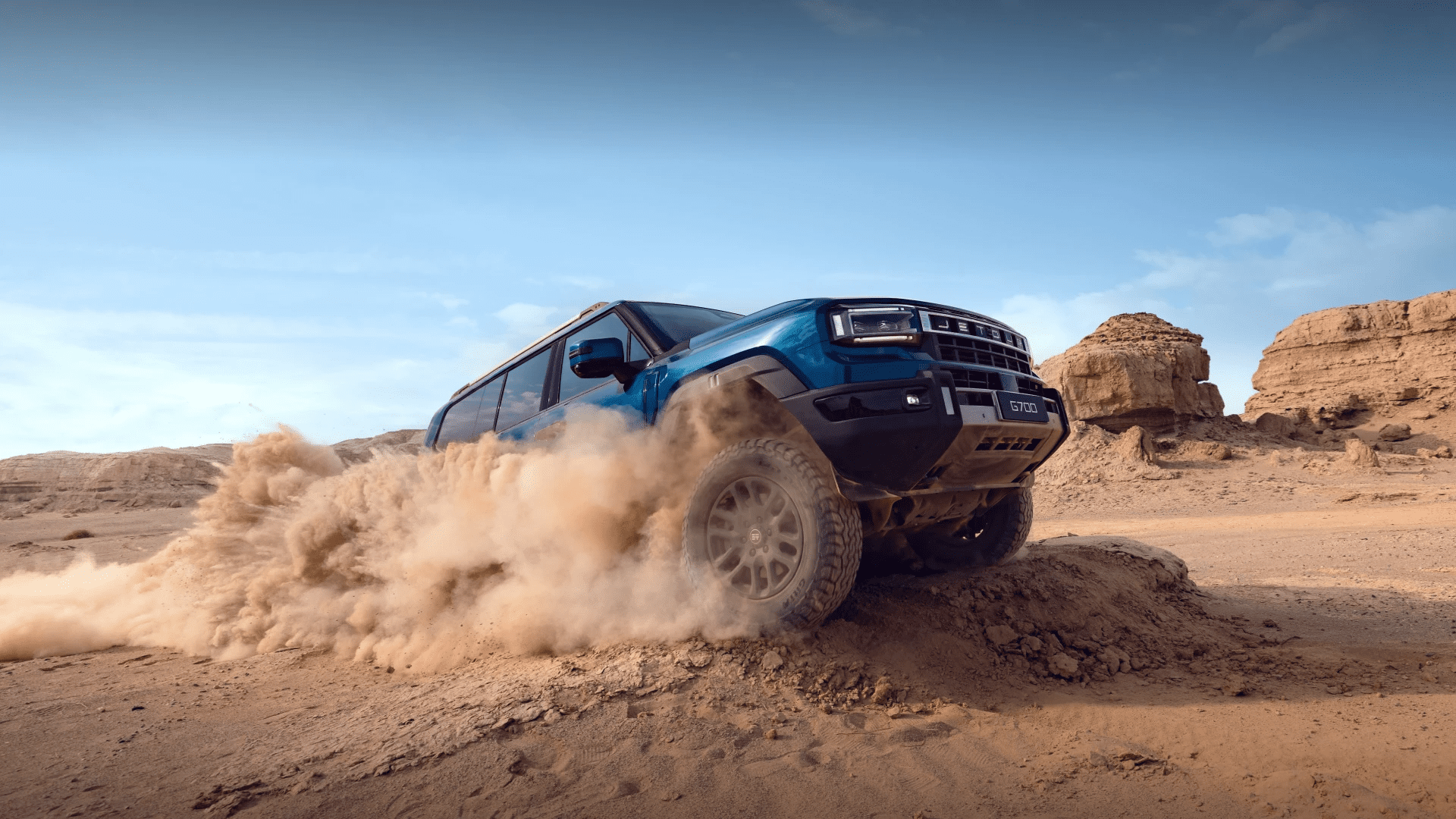
Jetour has expanded rapidly in international markets and has demonstrated a willingness to invest heavily in products aimed at outdoor and adventure-oriented buyers. The G700 suggests the company intends to challenge more established competitors not only on price but also through technology and equipment levels.
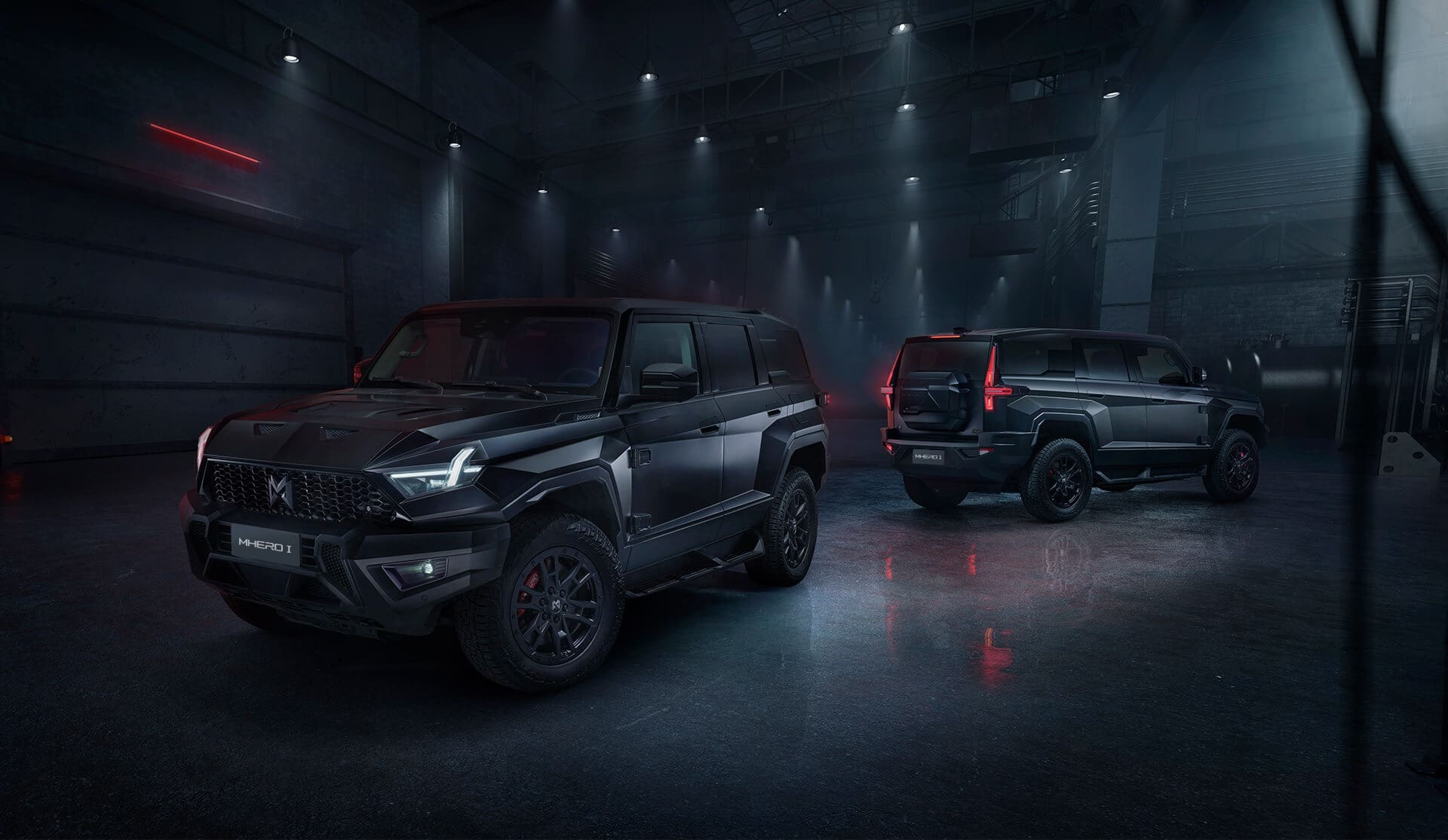
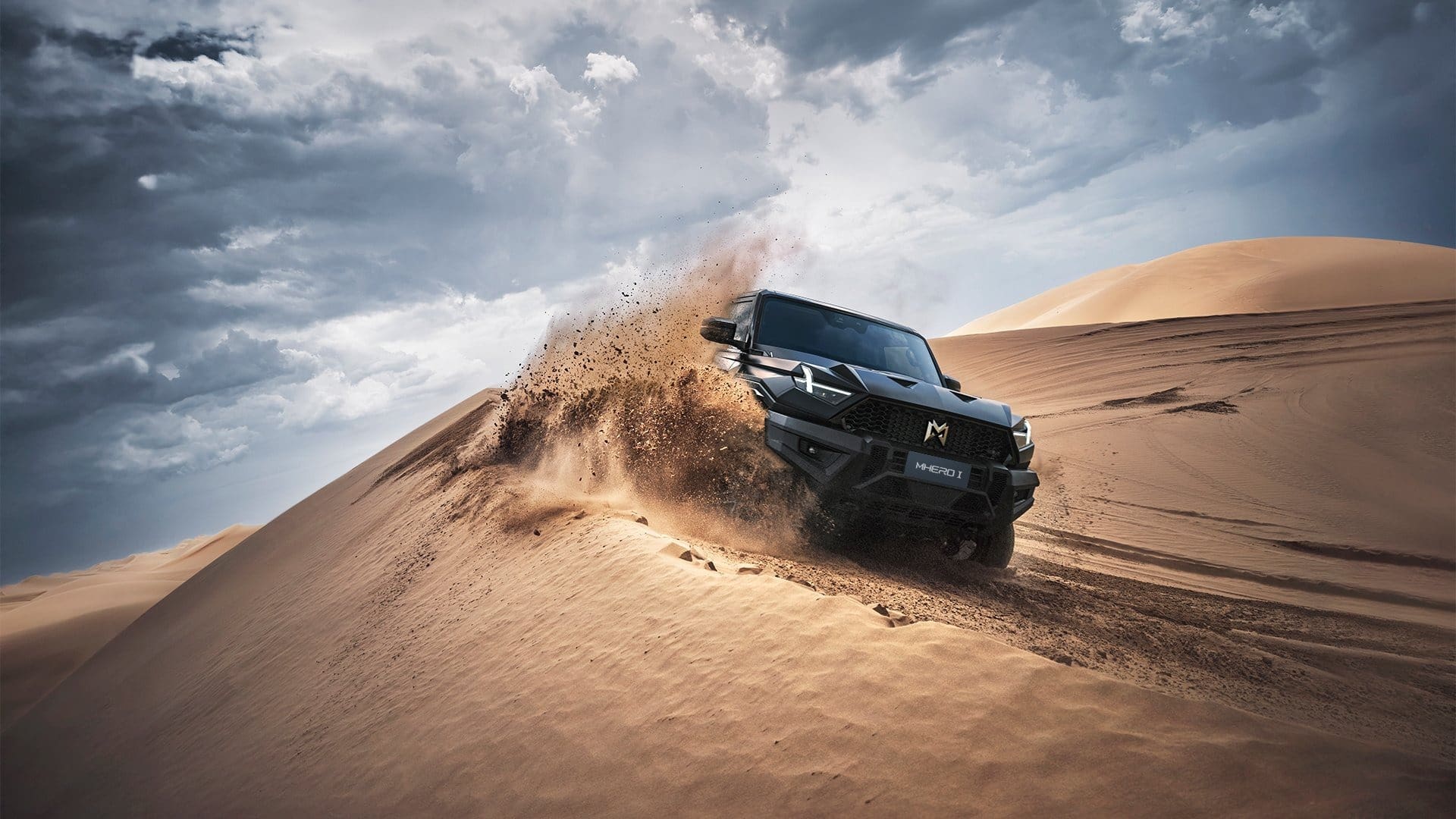
At the upper end of the market sits the M-Hero M817, a vehicle that highlights China’s growing ambitions in the luxury off-road sector. Developed by Dongfeng’s premium off-road division, the M-Hero brand has focused on creating technologically advanced vehicles that combine substantial power outputs with high levels of comfort and digital integration.
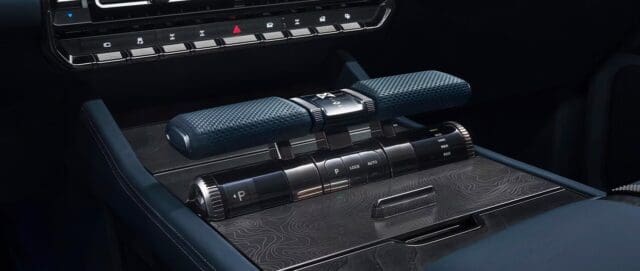
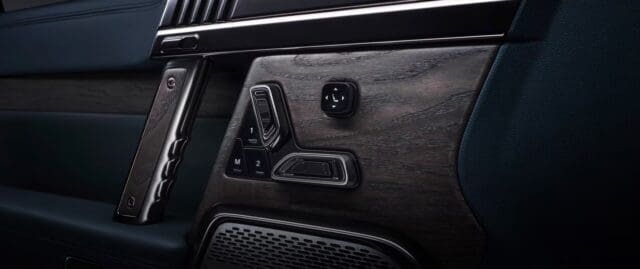
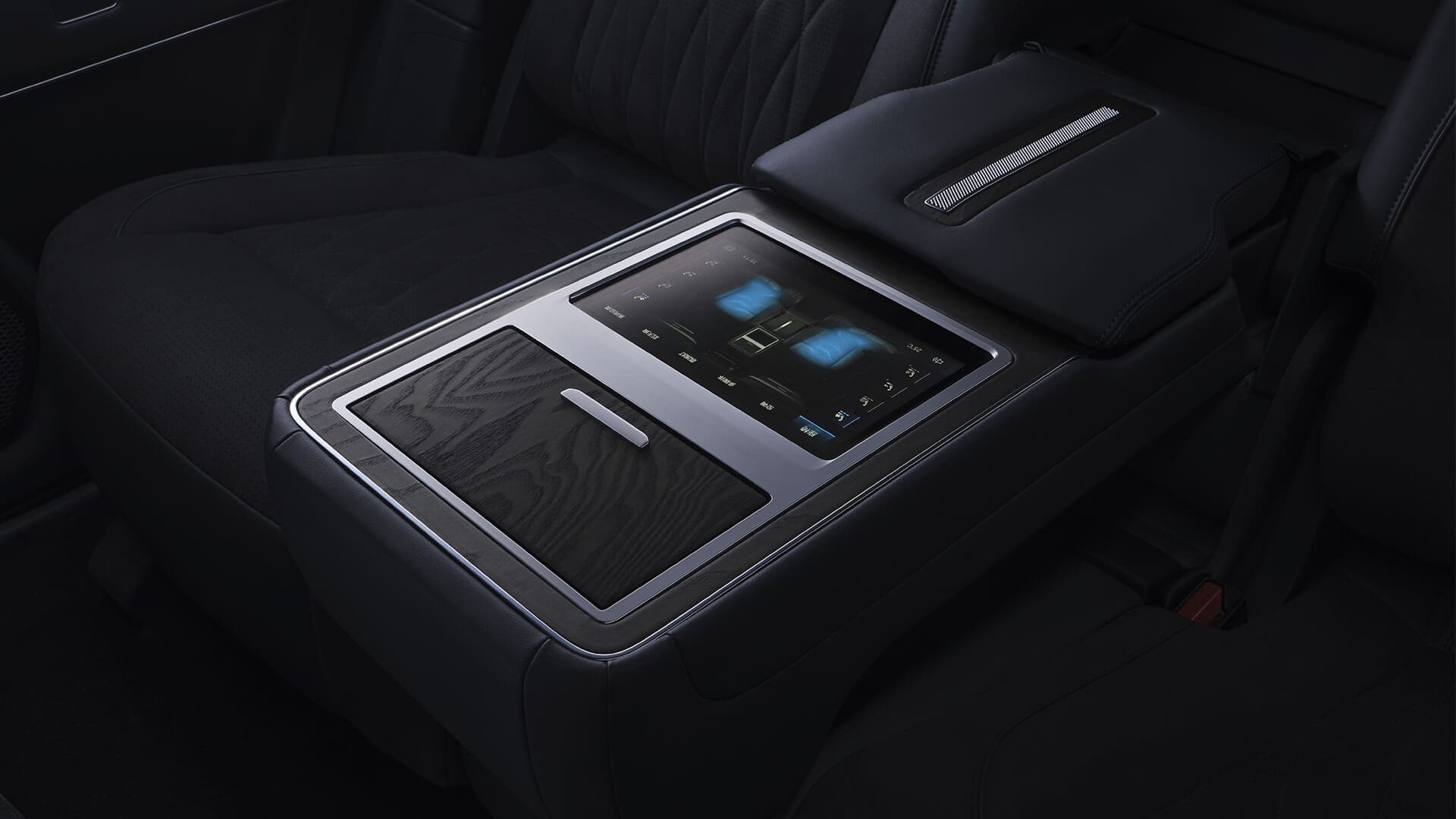
The M817 continues that strategy. With its aggressive, over-the-top styling, advanced drivetrain technology, and extensive feature list, the vehicle targets buyers who might otherwise consider products from Mercedes-Benz, Land Rover, or Lexus. While the design is more dramatic than many traditional off-road vehicles, it reflects a broader trend toward highly capable luxury SUVs that serve as both status symbols and adventure platforms.
Perhaps the most significant aspect of all three vehicles is not their styling or technology but their positioning. Chinese manufacturers increasingly understand that competing solely on price is no longer sufficient. Instead, they are attempting to offer comparable levels of equipment, performance, and refinement while maintaining a pricing advantage over established competitors.
That strategy is already proving effective in several global markets. Consumers who once viewed Chinese vehicles as budget alternatives are now encountering products equipped with advanced driver-assistance systems, sophisticated hybrid powertrains, premium interiors, and impressive off-road capability.
Whether vehicles such as the Galaxy Cruiser 700, Jetour G700, and M-Hero M817 ultimately achieve widespread success remains to be seen. However, they demonstrate how rapidly China’s automotive industry has matured. More importantly, they signal that established manufacturers can no longer rely solely on brand heritage and reputation. Increasingly, they are being challenged by competitors offering many of the same features and capabilities at prices that are difficult to ignore.
Read More: Overland News of the Week
Our No Compromise Clause: We do not accept advertorial content or allow advertising to influence our coverage, and our contributors are guaranteed editorial independence. Overland International may earn a small commission from affiliate links included in this article. We appreciate your support.
