

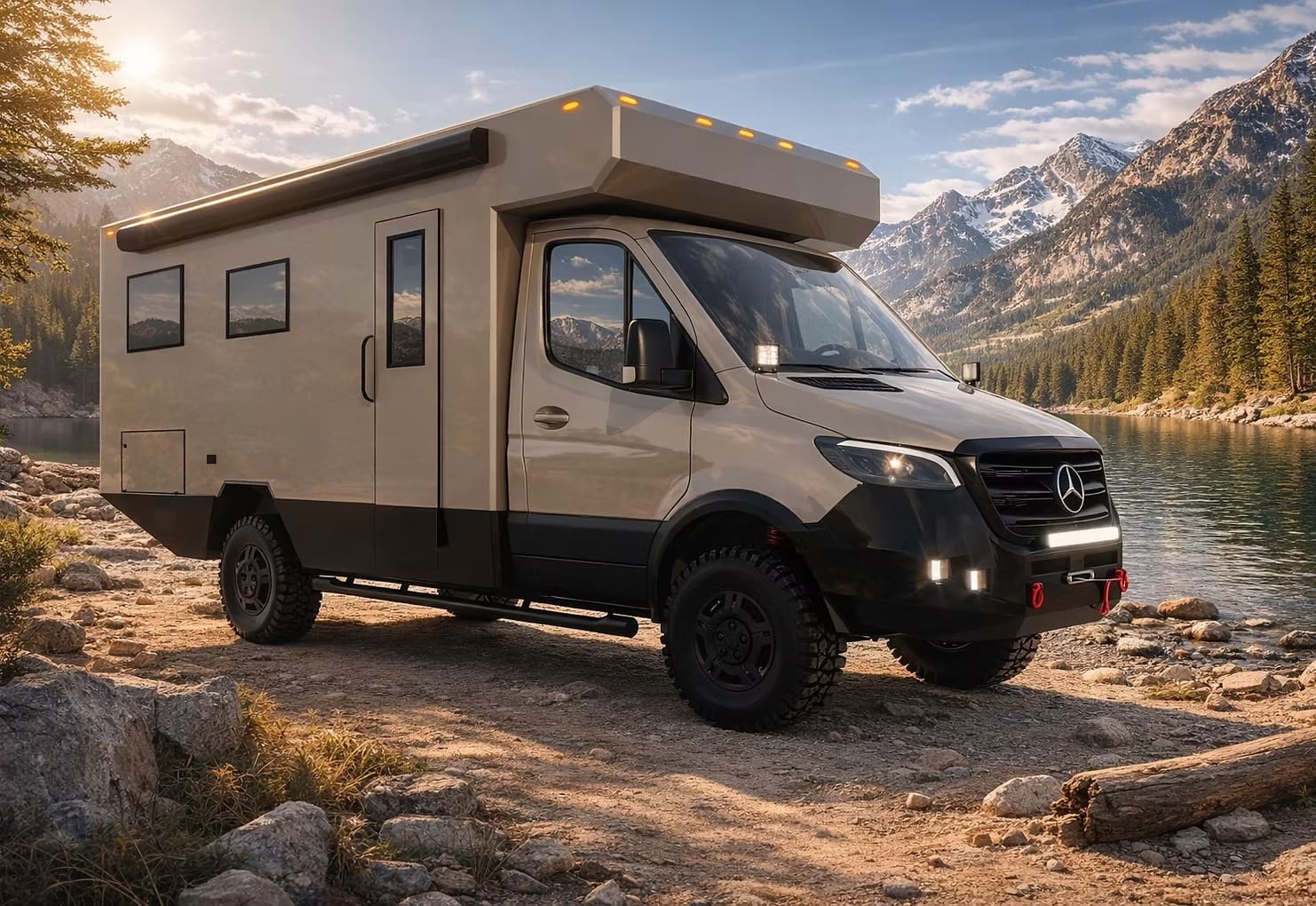
I am at an age now where I spend a great deal of time thinking about the ideal vehicle for a couple to travel the world, perhaps with an adventure bike strapped to the rear for short exploratory trips. In my mind, such a rig should offer many of the comforts of home while remaining capable of handling gentle off-road routes, yet avoid the scale, cost, and complexity typically associated with full-size expedition trucks. American expedition-vehicle manufacturer 27North’s new Winston 27A, the company’s first entry into the B+ luxury motorhome segment, appears to meet many of the practical requirements for extended international overland travel. A man can dream.

Positioned as a structurally integrated adventure platform, the Winston is conceived as a unified vehicle rather than a conventional van fitted with an aftermarket living module. This approach reflects a strategic evolution for a brand previously recognized for rugged expedition trucks and high-end adventure vans. Built on the Mercedes-Benz Sprinter 3500 all-wheel-drive chassis with a 170-inch high-roof configuration, the Winston 27A combines long-distance touring refinement with the off-grid capability expected of modern expedition-oriented motorhomes. Power comes from a high-output 4-cylinder diesel engine, while integrated insulation, heating, and climate systems are intended to support comfortable four-season use.
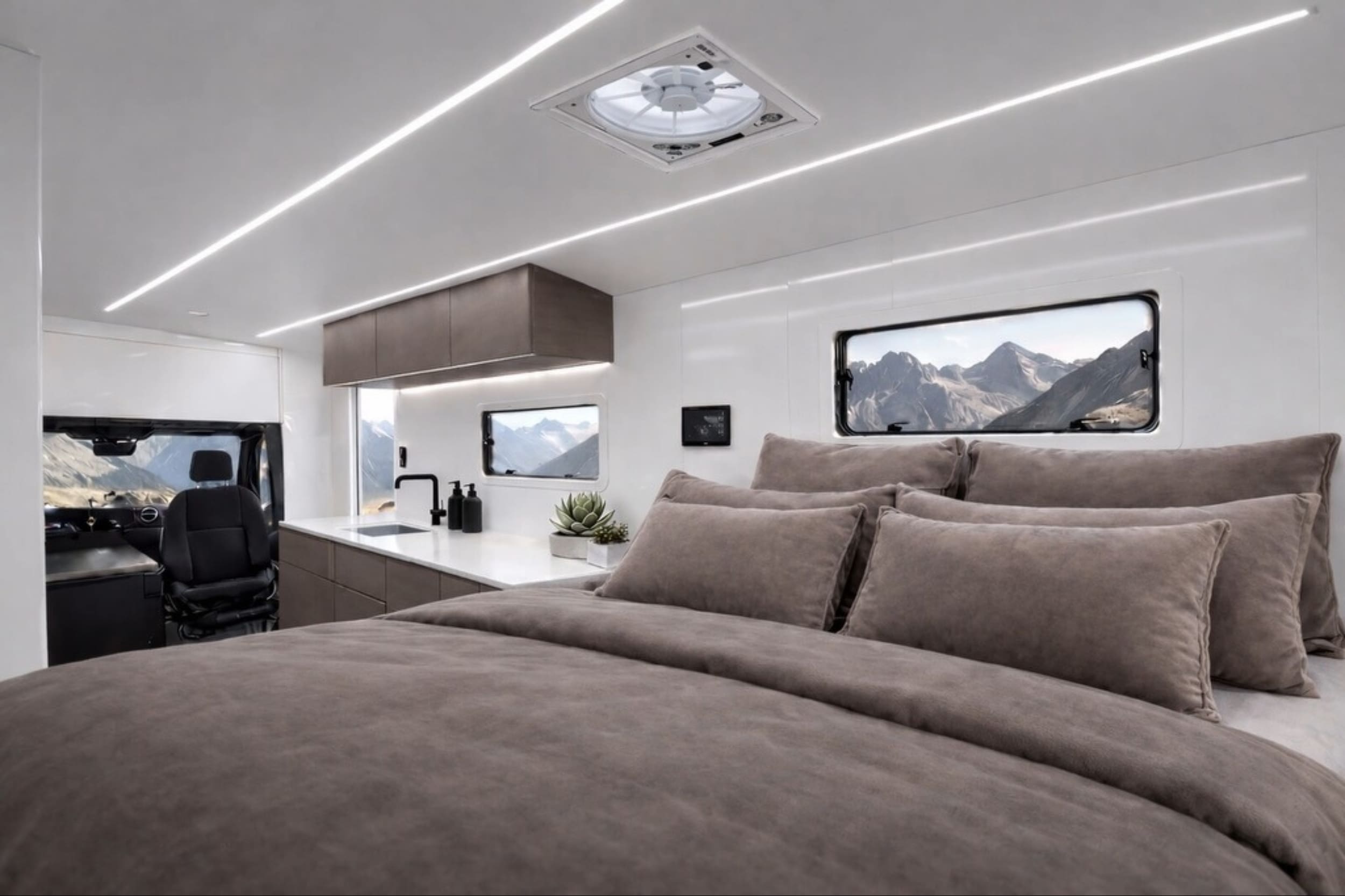
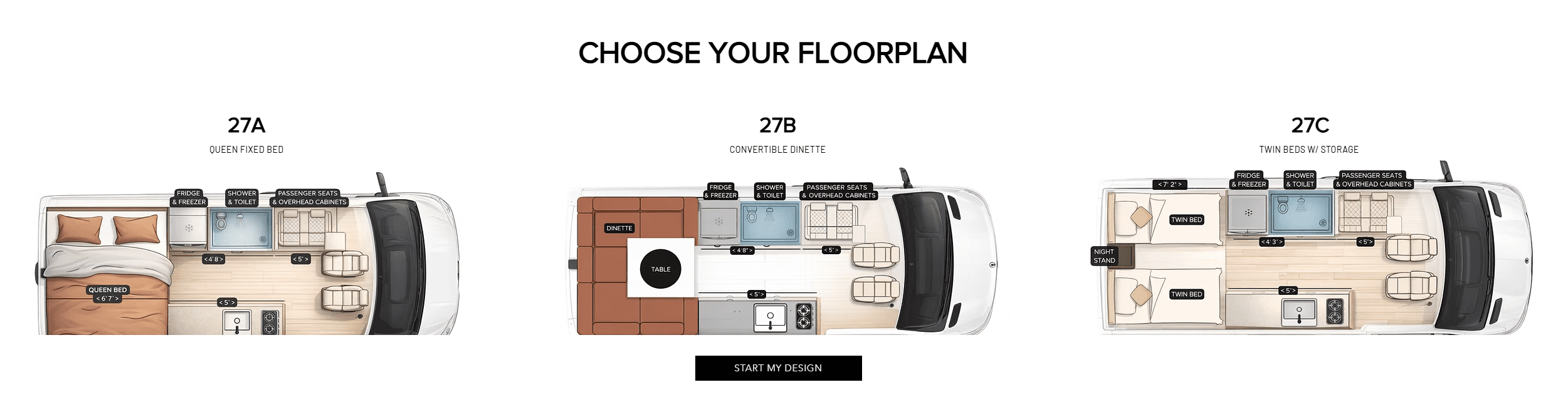 From an overland-travel perspective, the Winston’s three available floor plans reveal subtly different interpretations of how couples live on the road. The 27A adopts a balanced touring layout, offering clearer separation between living, cooking, and sleeping areas, which can make extended travel feel more structured and residential. The 27B emphasizes a flexible lounge environment with convertible seating that prioritizes daytime comfort and sociability, although this requires routine bed conversion in the evening. The 27C stands out as the most logical option for long-range expedition use that suits my style of travel. Its permanent rear twin-bed configuration reduces nightly setup and improves storage continuity, while allowing occupants to move freely through the interior without disturbing one another—whether stepping out during the night or rising early to prepare coffee or breakfast. The space between the beds can also accommodate a pet, and the beds themselves can double as comfortable daytime loungers with generous legroom.
Kitchen facilities include an induction cooktop and a discreetly integrated microwave, enabling simple meal preparation while maintaining uncluttered work surfaces and efficient storage solutions. Beyond interior comfort, the Winston’s overland appeal lies in its balanced touring capability rather than extreme off-road geometry. The all-wheel-drive Sprinter platform offers confident traction on gravel highways, forest tracks, desert access roads, and moderate mountain passes, while its relatively compact footprint and van-like driving dynamics make it easier to manage in urban environments, ferry terminals, and narrow historic towns—practical realities of international travel often overlooked in larger expedition vehicles.
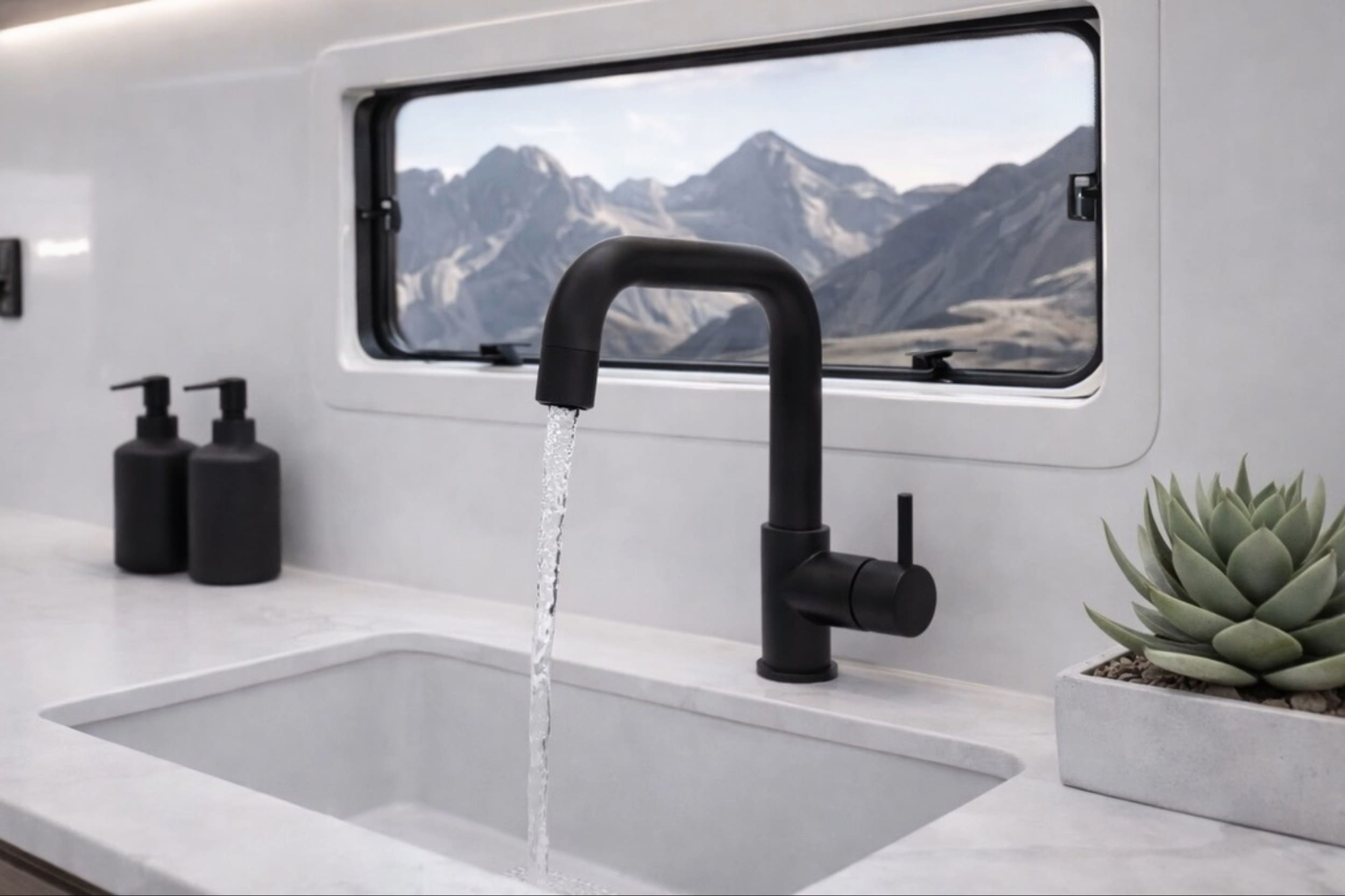
A key aspect of the Winston’s long-distance usability is its focus on off-grid autonomy. Integrated lithium battery capacity, roof-mounted solar generation, and comprehensive onboard systems allow occupants to remain self-sufficient for extended periods away from established infrastructure. Supporting this independence are a fully enclosed interior shower and a fixed toilet arrangement, features that enable travelers to maintain basic hygiene standards without relying on campsite facilities. Within the vehicle’s compact footprint, the bathroom serves as a practical wet bath, combining shower and toilet facilities in a single enclosed space. This efficient layout maximizes usable living area while still providing privacy and convenience—considerations that become increasingly important during prolonged journeys. The water system, with approximately 40 gallons of freshwater capacity and a 20-gallon graywater tank, is designed to sustain several days of careful use in remote locations.
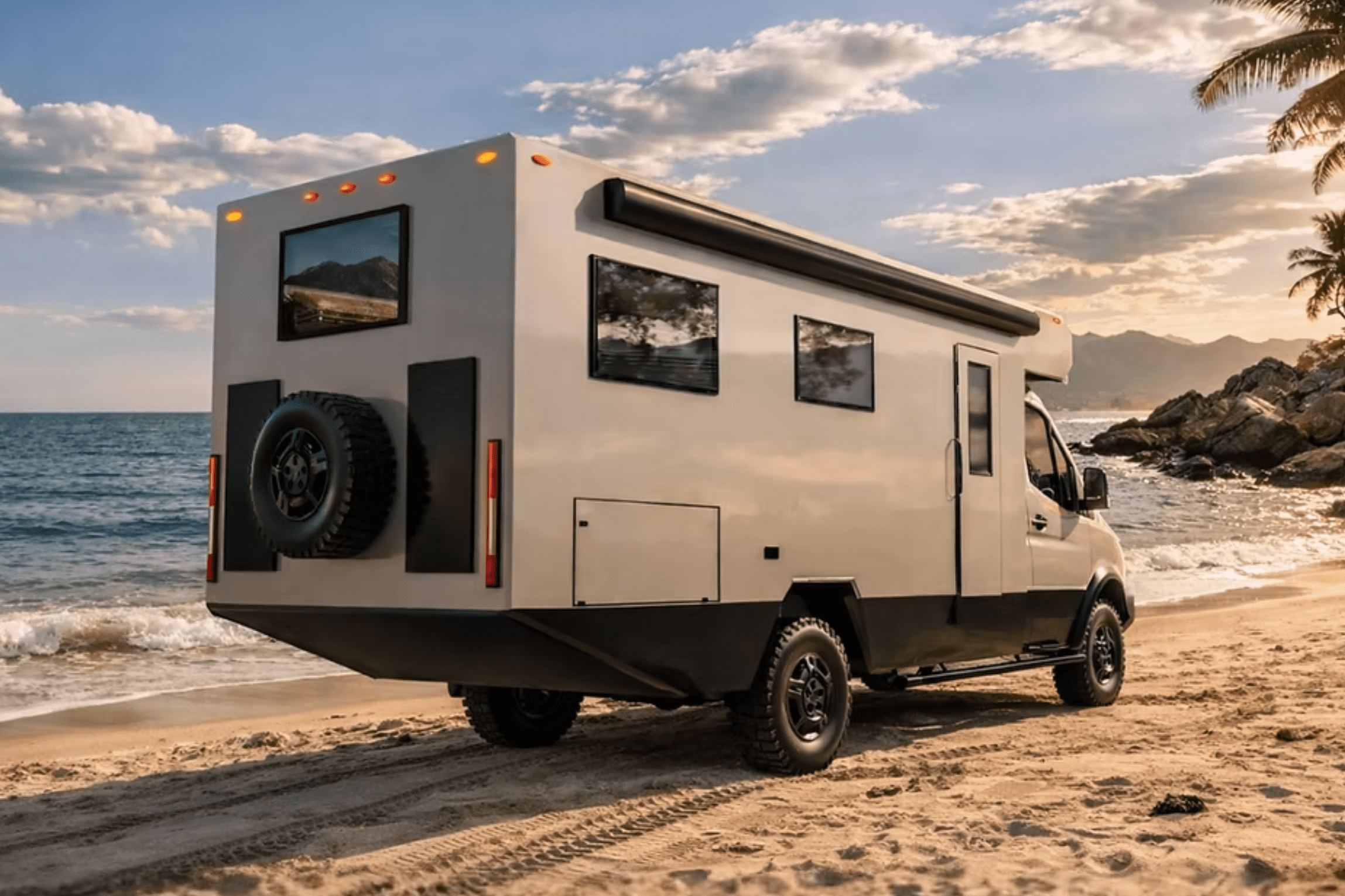
Taken as a whole, the Winston 27A presents itself as a refined long-range touring platform rather than a vehicle intended for severe technical terrain. Its strengths lie in integrated engineering, autonomy, comfort, and manageable size, qualities that align with a growing shift among overlanders toward slower, more deliberate styles of travel that prioritize sustainability and everyday usability over outright off-road extremity. Pricing starts at $249,500 or monthly instalments from $1,549.
Read More: Buyers Guide :: Pop-top and Expandable Living
Our No Compromise Clause: We do not accept advertorial content or allow advertising to influence our coverage, and our contributors are guaranteed editorial independence. Overland International may earn a small commission from affiliate links included in this article. We appreciate your support.
