

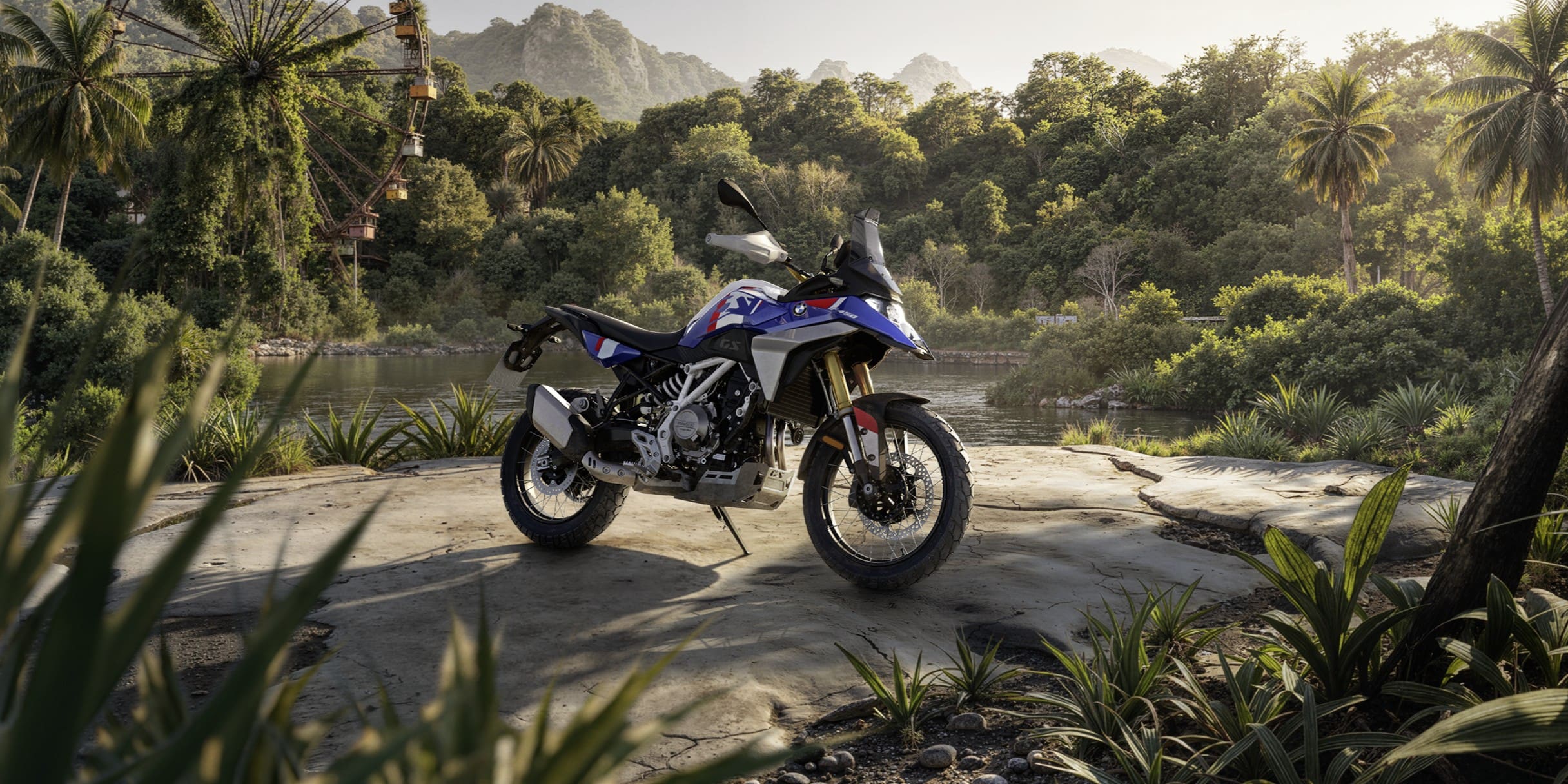
BMW Motorrad has confirmed US pricing and launch timing for the 2027 F 450 GS, with dealer arrivals expected in the first quarter of 2027. Starting at $6,995 before destination charges, the 420 cc parallel-twin brings a smaller-displacement option to the GS family while retaining electronic rider aids and equipment associated with BMW’s larger adventure motorcycles. For overland travelers, its appeal centers on manageable weight, touring equipment, and capability for journeys that mix pavement with unpaved roads.
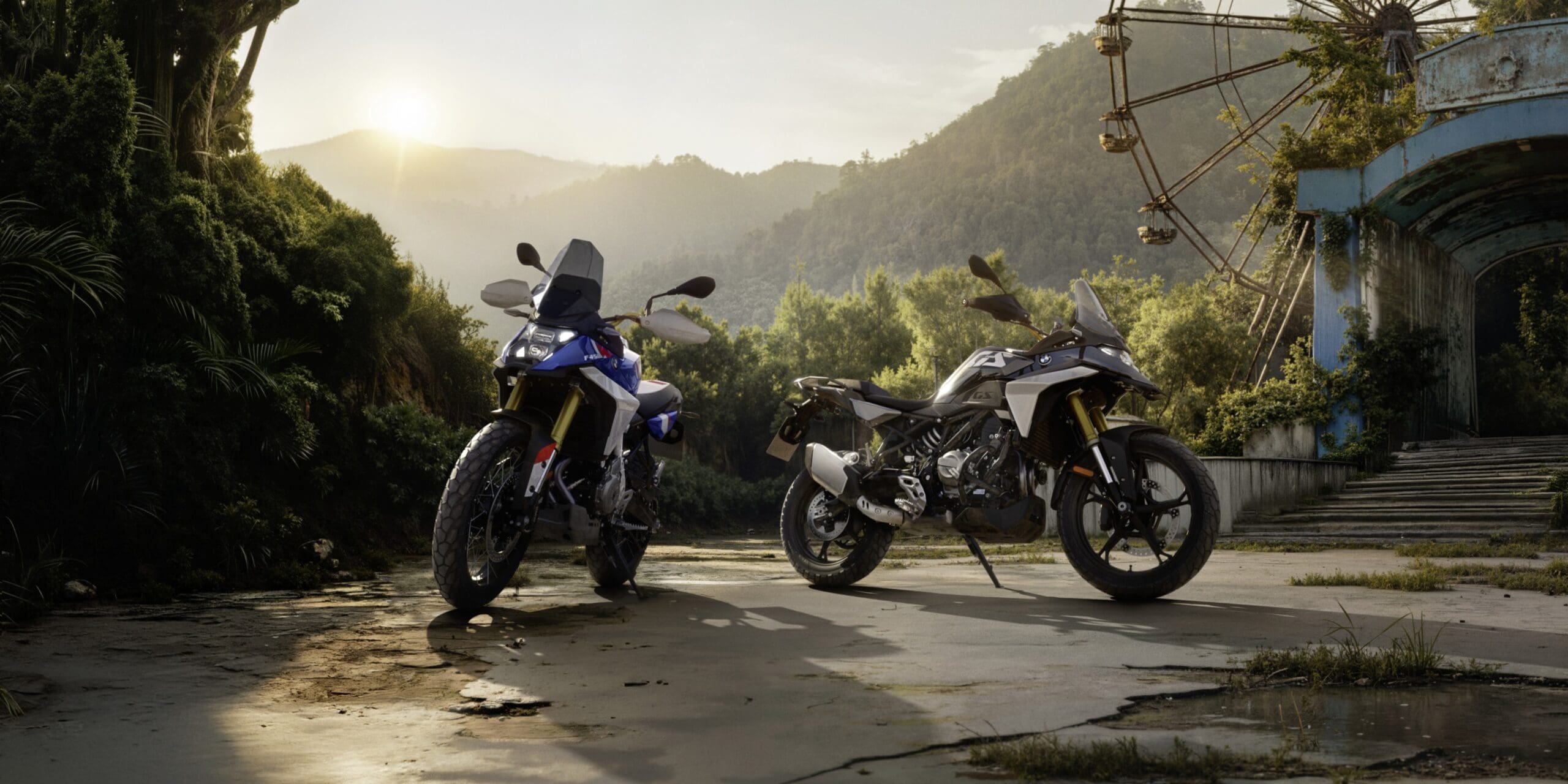
A BMW GS for around $8,000? Add taxes, dealer fees, and accessories, and the final bill could readily pass $9,000, but the starting price still deserves attention. I call it the CFMoto/Kove effect: ambitious manufacturers bring innovative, feature-packed motorcycles at competitive prices to a market long dominated by established brands. Their arrival raises expectations and puts pressure on those legacy manufacturers to offer more equipment, sharpen their pricing, and trim the fat. How much these newcomers have influenced BMW’s latest offering is open to debate, but the competition gives riders more choice and established manufacturers more reason to work for their money.
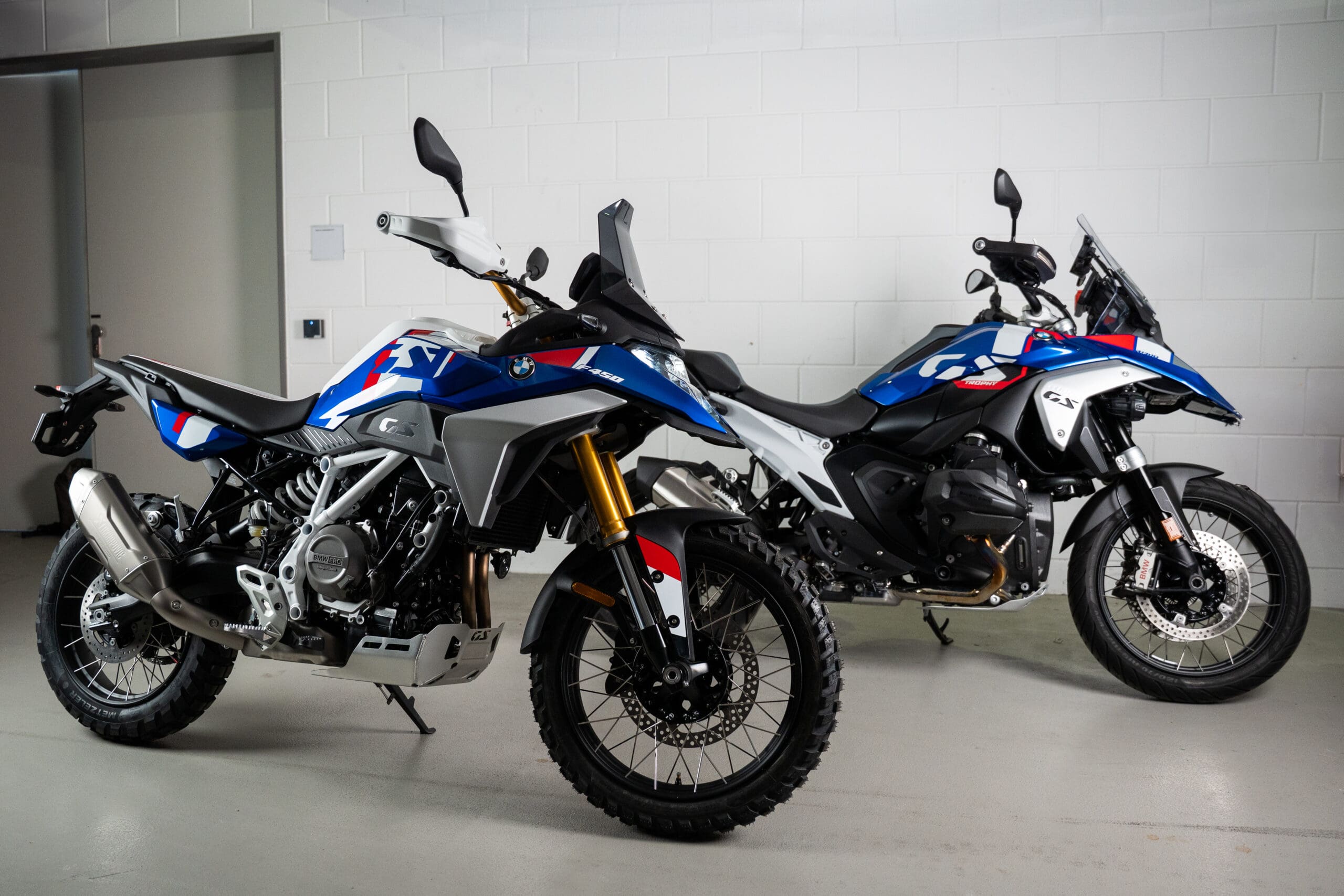
The announcement updates the F 450 GS’s earlier introduction, when BMW had yet to confirm pricing and anticipated a US arrival in late 2026 or early 2027. The latest release lists three configurations: the standard model at $6,995, the Sport at $7,795, and the GS Trophy at $8,195. BMW’s US product page specifies an additional $795 destination and handling charge, bringing the base model to $7,790 before taxes, registration, and any dealer fees.
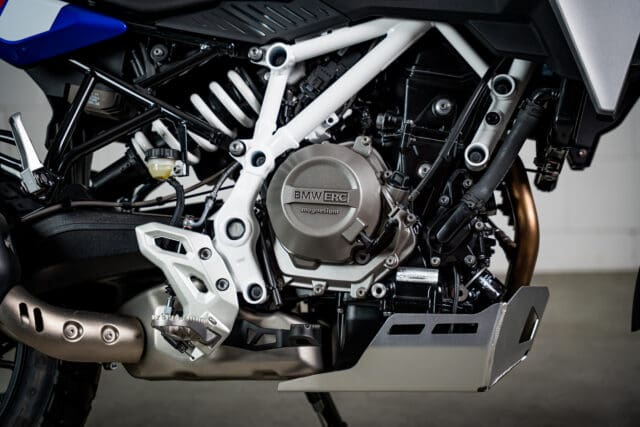
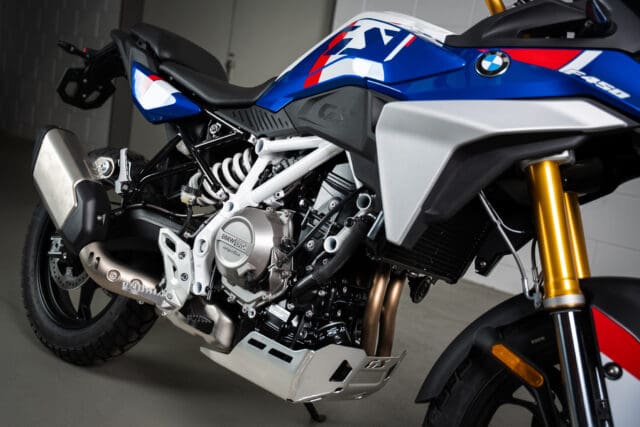
Despite its F 450 designation, the motorcycle uses a newly developed, liquid-cooled 420 cc engine. BMW rates output at 48 horsepower at 8,750 rpm and 32 pound-feet of torque at 6,750 rpm. A 6-speed transmission delivers power through a chain final drive. The engine incorporates a 135-degree crankpin offset and a counterbalance shaft, which BMW says help reduce vibration while giving the twin a distinctive firing character. The manufacturer lists a road-ready weight of 393 pounds.
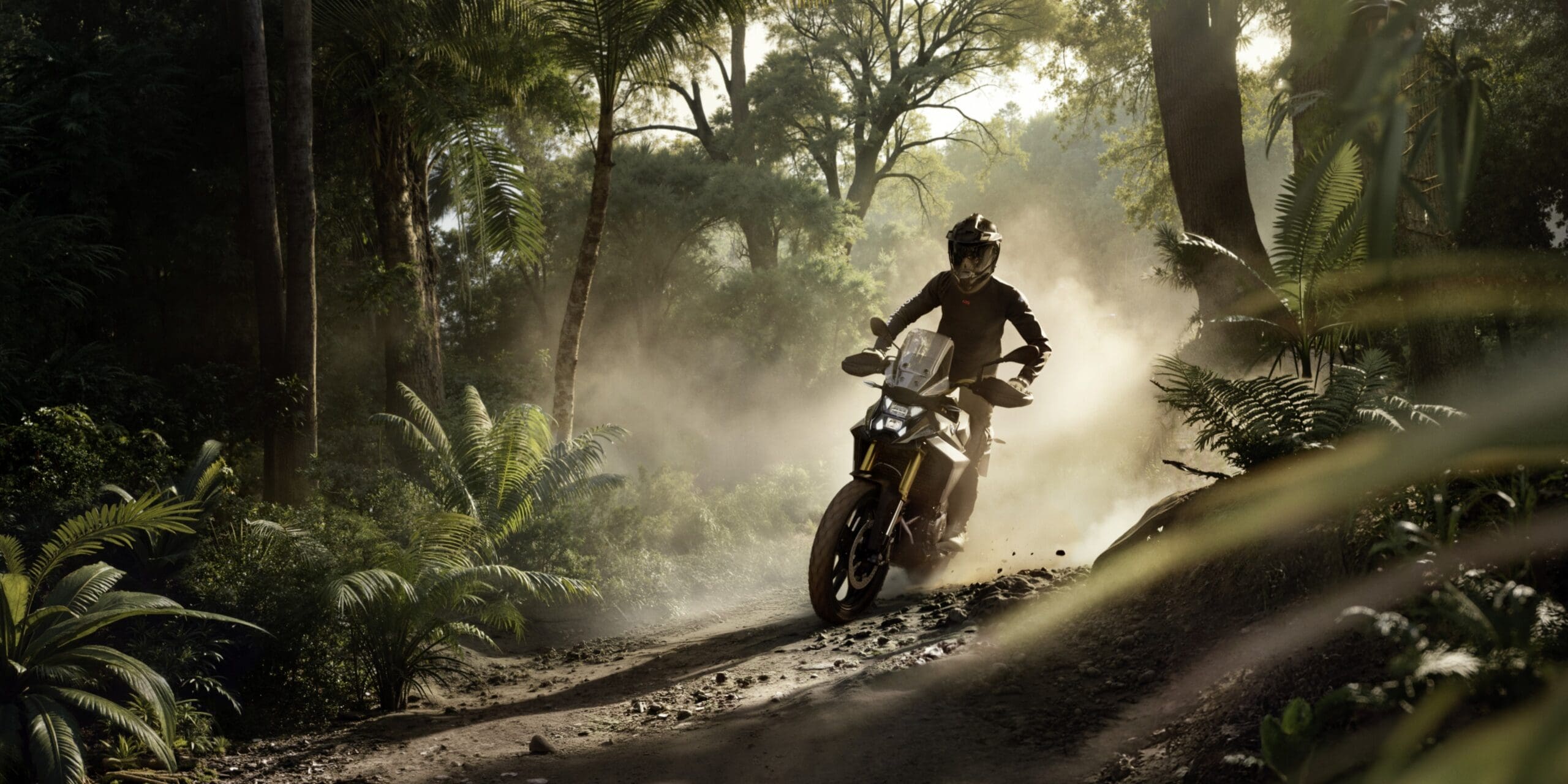
In my experience, traveling on a light, small-capacity motorcycle has its challenges and rewards. There is something to the saying that it is more fun to ride a slow bike fast. On paper, 48 horsepower should be enough to carry a solo rider and a modest load of adventure gear at a decent pace, with enough performance to enjoy the twisties. Whether the BMW delivers that balance while remaining manageable off-road will become clearer with time in the saddle.
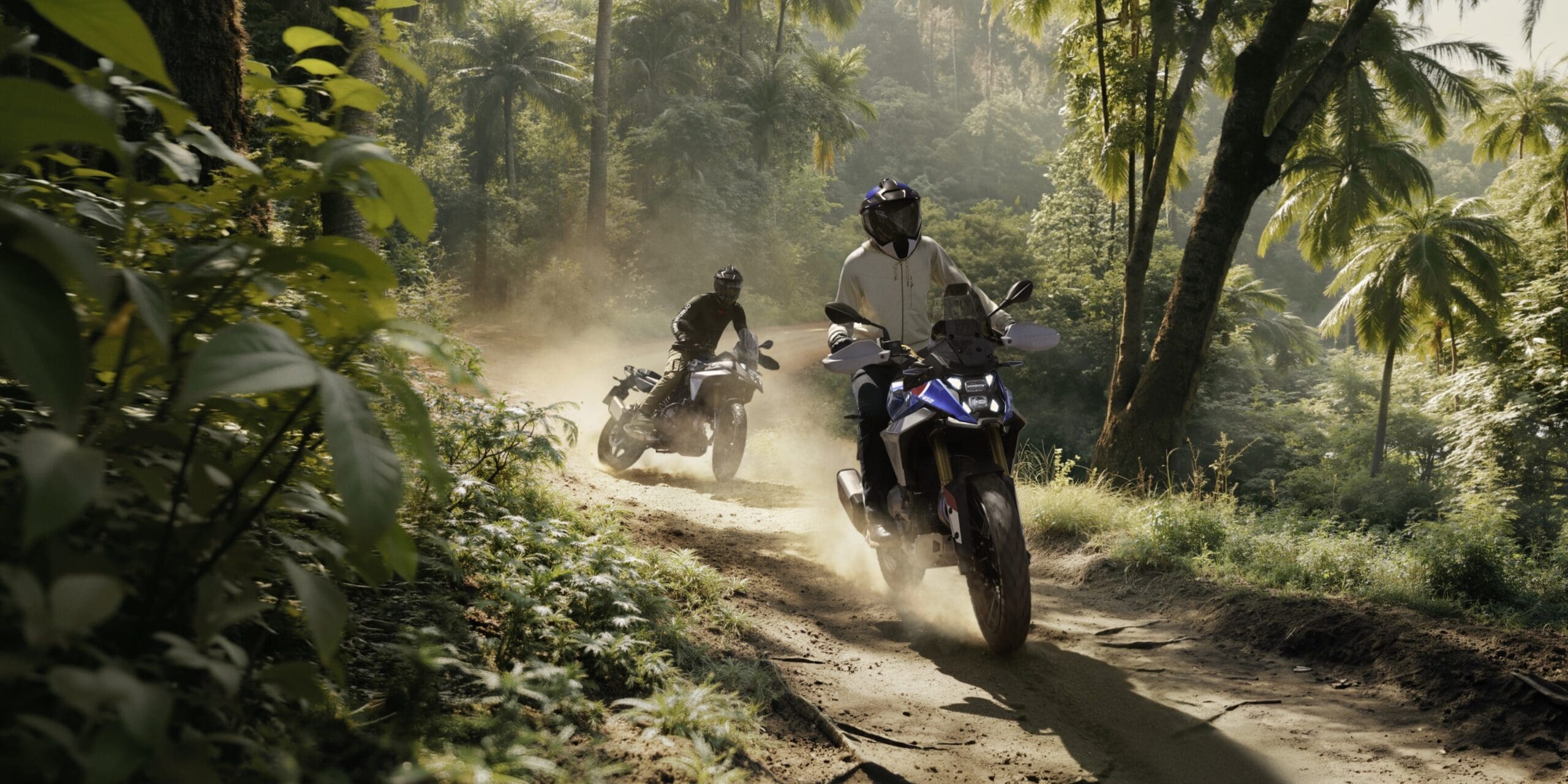
One of the more relevant features for technical riding is BMW’s Easy Ride Clutch. Standard on the GS Trophy and available as an accessory, the centrifugal system allows the rider to pull away and stop without operating the clutch lever. BMW says it helps prevent stalling and retains engine braking during deceleration until the motorcycle approaches a standstill. The conventional clutch lever remains available for manual control. Combined with Gear Shift Assist Pro, fitted to the Sport and GS Trophy, the system also allows clutchless gear changes, although the rider still selects the gears.
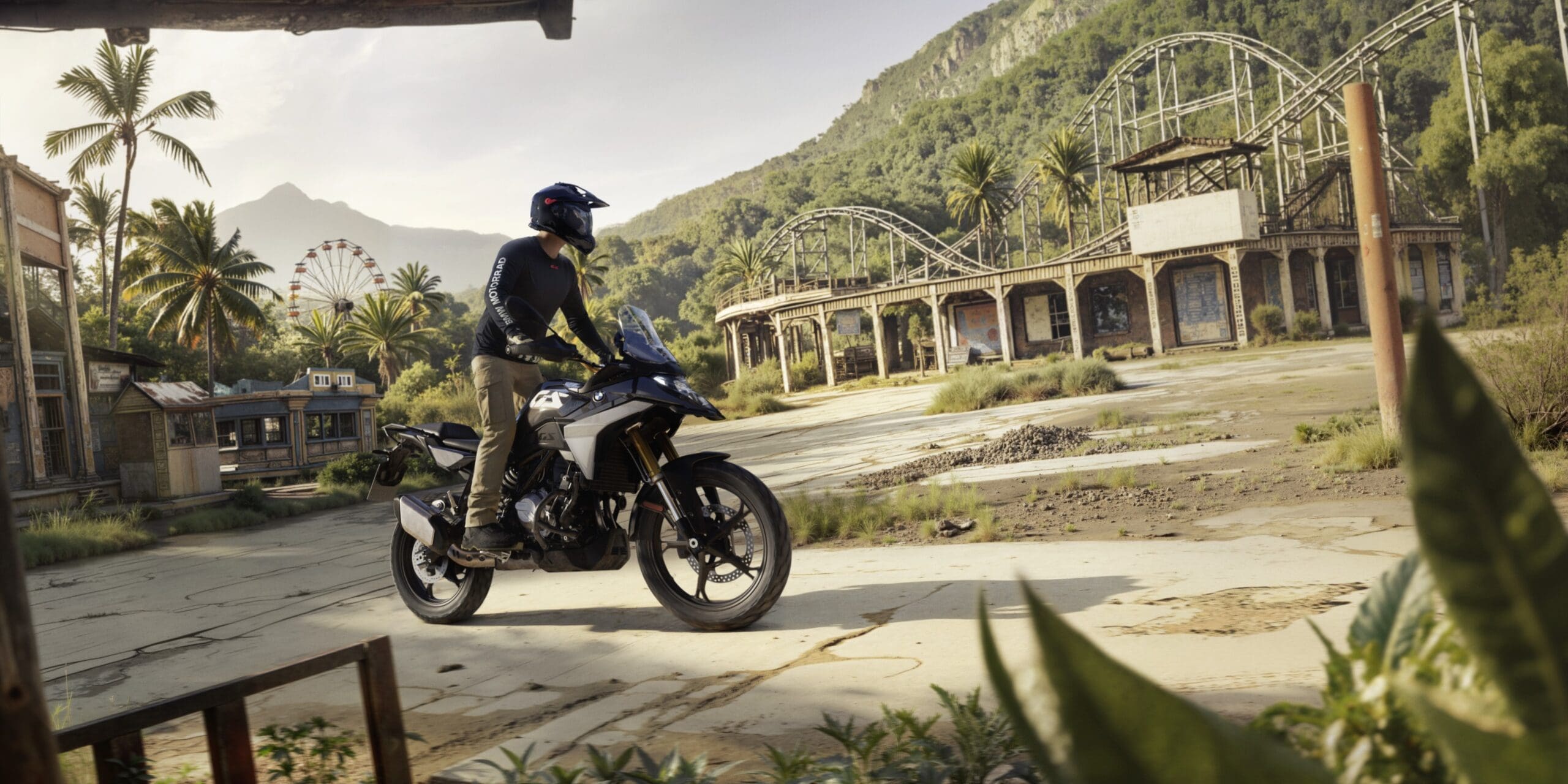
The chassis uses a tubular steel frame with the engine serving as a structural member. KYB suspension provides 7.1 inches of travel at both ends, with a 43mm inverted fork up front and an aluminum twin-sided swingarm at the rear. The Sport and GS Trophy add compression and rebound adjustment to the fork. A 310mm front brake disc with a Brembo four-piston caliper is paired with a 240mm rear disc.
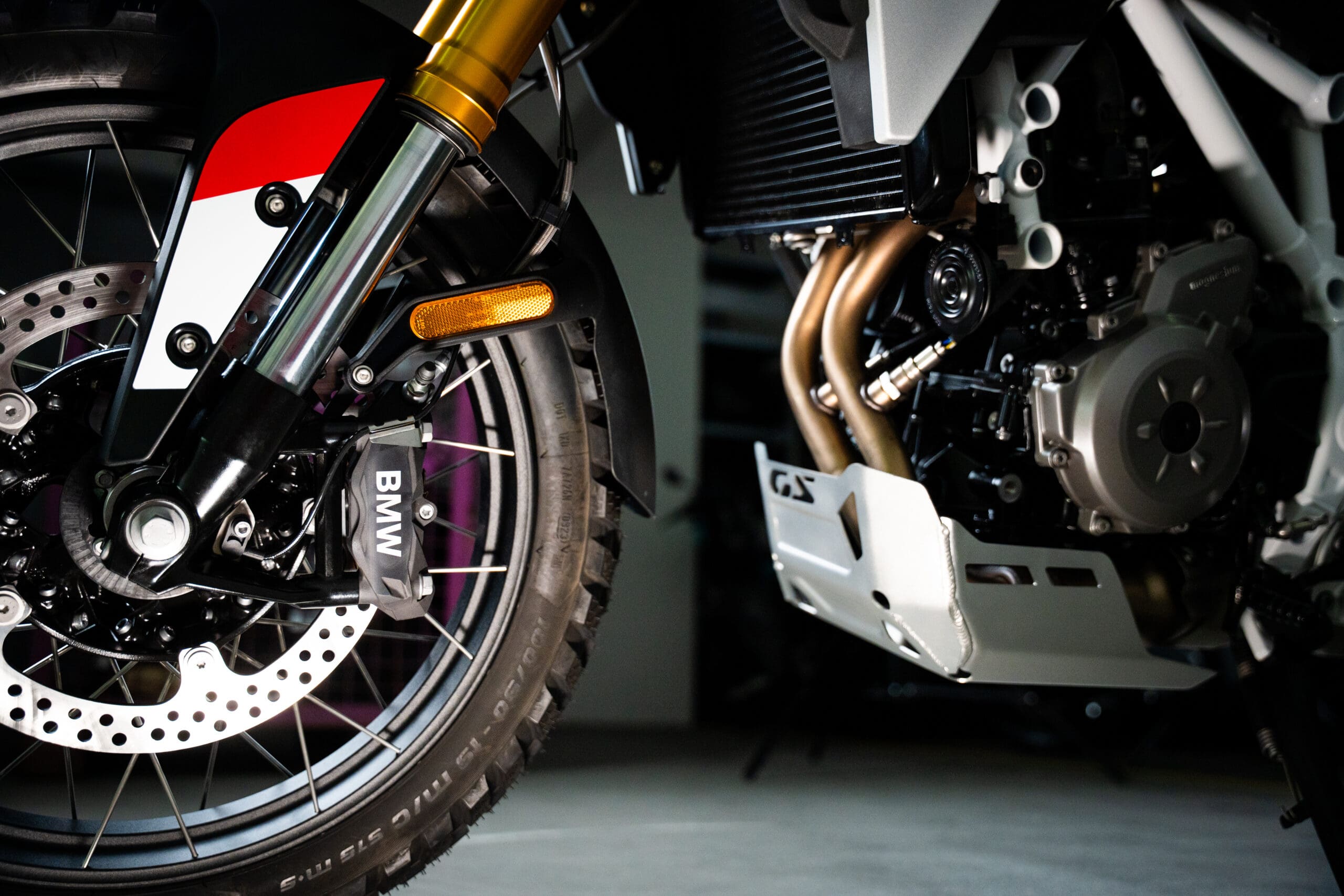
Standard cast-aluminum wheels measure 19 inches at the front and 17 inches at the rear, wearing 100/90-19 and 130/80-17 tubeless tires, respectively. BMW says the wheel set weighs 2.2 pounds less than the G 310 GS wheels. Cross-spoked wheels are offered as an $800 factory option through the Enduro Package, available exclusively on the GS Trophy. The wheel dimensions and suspension travel suggest an emphasis on mixed-surface versatility, with road manners remaining part of the brief.
Rain, Road, and Enduro riding modes are standard, alongside lean-sensitive ABS Pro, Dynamic Traction Control, Dynamic Brake Control, and engine drag torque control. The Sport and GS Trophy add Enduro Pro, which disables rear-wheel ABS and wheelie control and permits further adjustment of the electronic settings. These features give riders greater scope to tailor the motorcycle’s responses for loose surfaces.
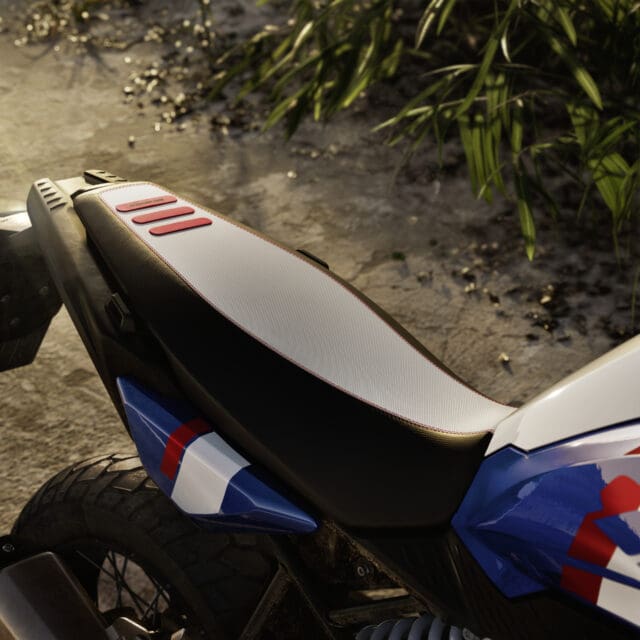
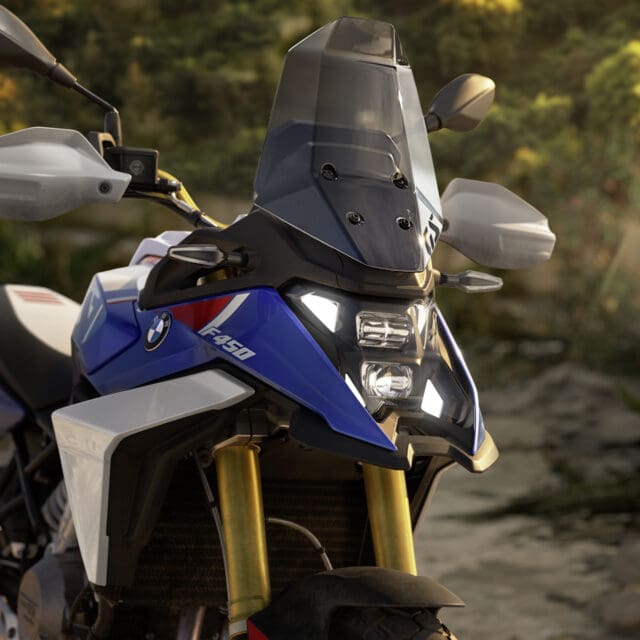
For longer journeys, the F 450 GS carries 3.6 gallons of fuel and has a standard seat height of 33.3 inches. Accessory seats lower that figure to 32.7 inches or raise it to 34 inches. Heated grips—yes, please!—are standard, as are LED lighting, a USB-C socket, and a 6.5-inch TFT display. Smartphone connectivity supports turn-by-turn navigation through BMW’s Connected app, while luggage, additional protection, and alternative windscreens are available separately.
Despite its electronic throttle-by-wire system, BMW does not currently list cruise control as standard or optional equipment. To my mind, that is an omission on a motorcycle intended for longer journeys. Cruise control would be welcome on those highway stretches between the roads and trails riders actually came to explore.
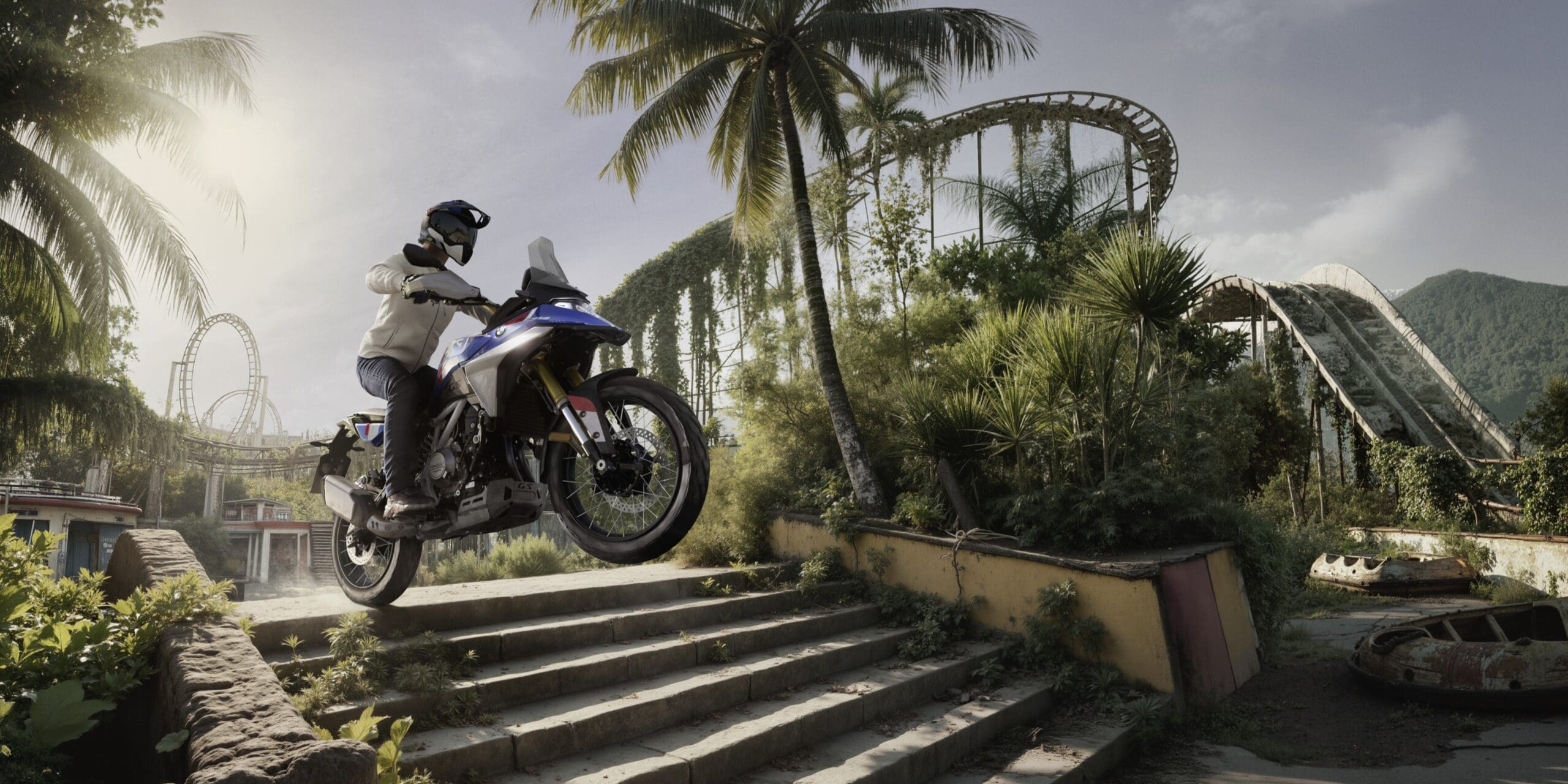
The F 450 GS brings familiar GS features to a smaller platform at a competitive starting price. Its suitability for extended overland travel will depend on comfort, loaded handling, durability, and performance beyond the specification sheet. For riders seeking a twin-cylinder adventure motorcycle without stepping into a larger-displacement machine, it is an appealing proposition—provided the final price, once equipped for travel, remains as manageable as the motorcycle promises to be.
Read More: Overland News of the Week, September 11, 2026
Our No Compromise Clause: We do not accept advertorial content or allow advertising to influence our coverage, and our contributors are guaranteed editorial independence. Overland Collective may earn a small commission from affiliate links included in this article. We appreciate your support.
