

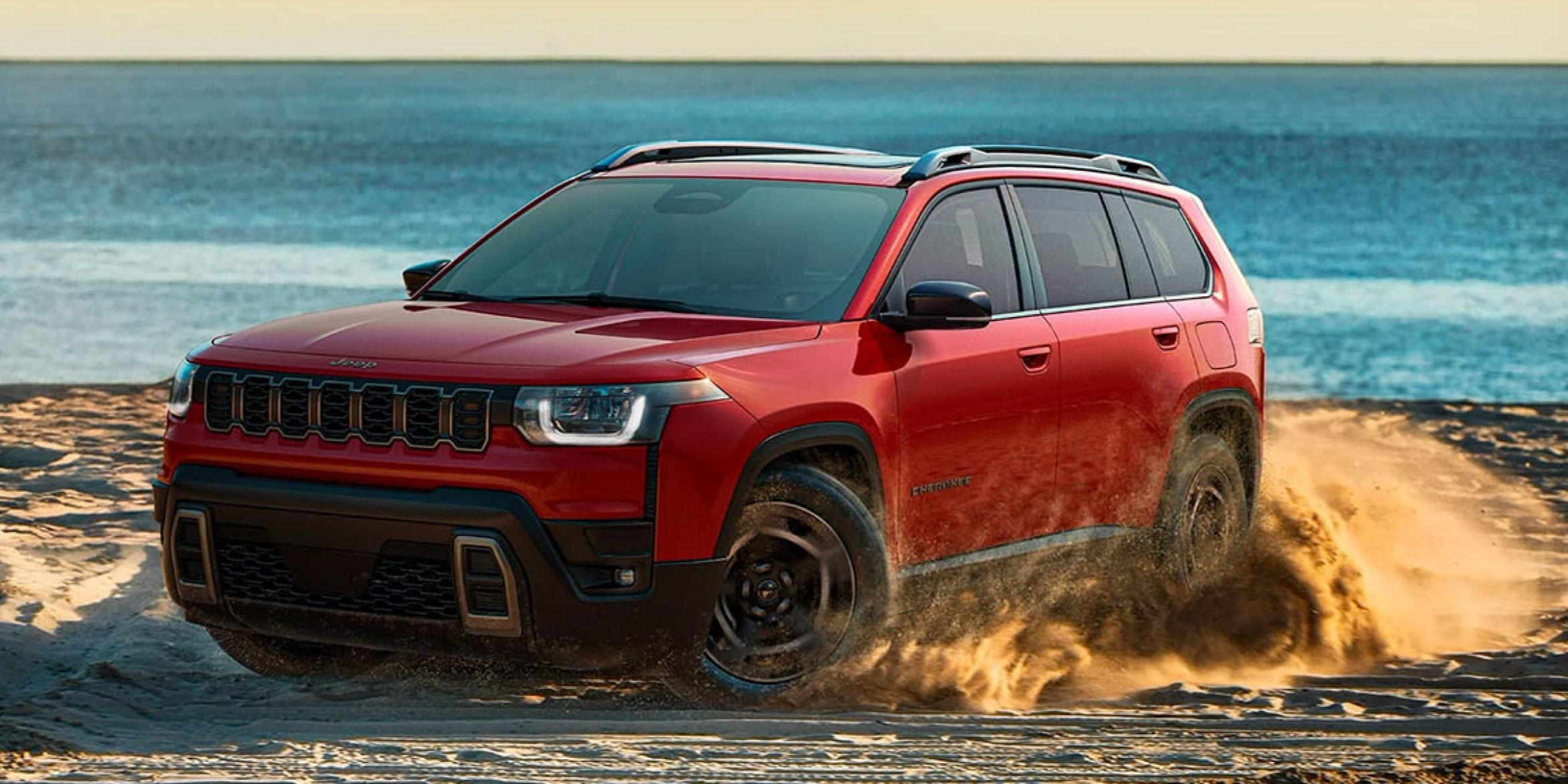
The Jeep Cherokee has, with much fanfare, been reintroduced for the 2026 model year with a bold redesign, a new hybrid powertrain, and a focus on efficiency (without abandoning its off-road heritage). Jeep unveiled the vehicle in Brooklyn, New York, highlighting both its technical advancements and its deep ties to the brand’s legacy. While the global auto industry continues to push toward electrification, consumer demand for full EVs in North America has cooled, leading automakers to balance hybrid offerings with long-term EV development. For Jeep, the Cherokee hybrid provides an answer for buyers who want efficiency and sustainability but are not ready to adopt a fully electric SUV.
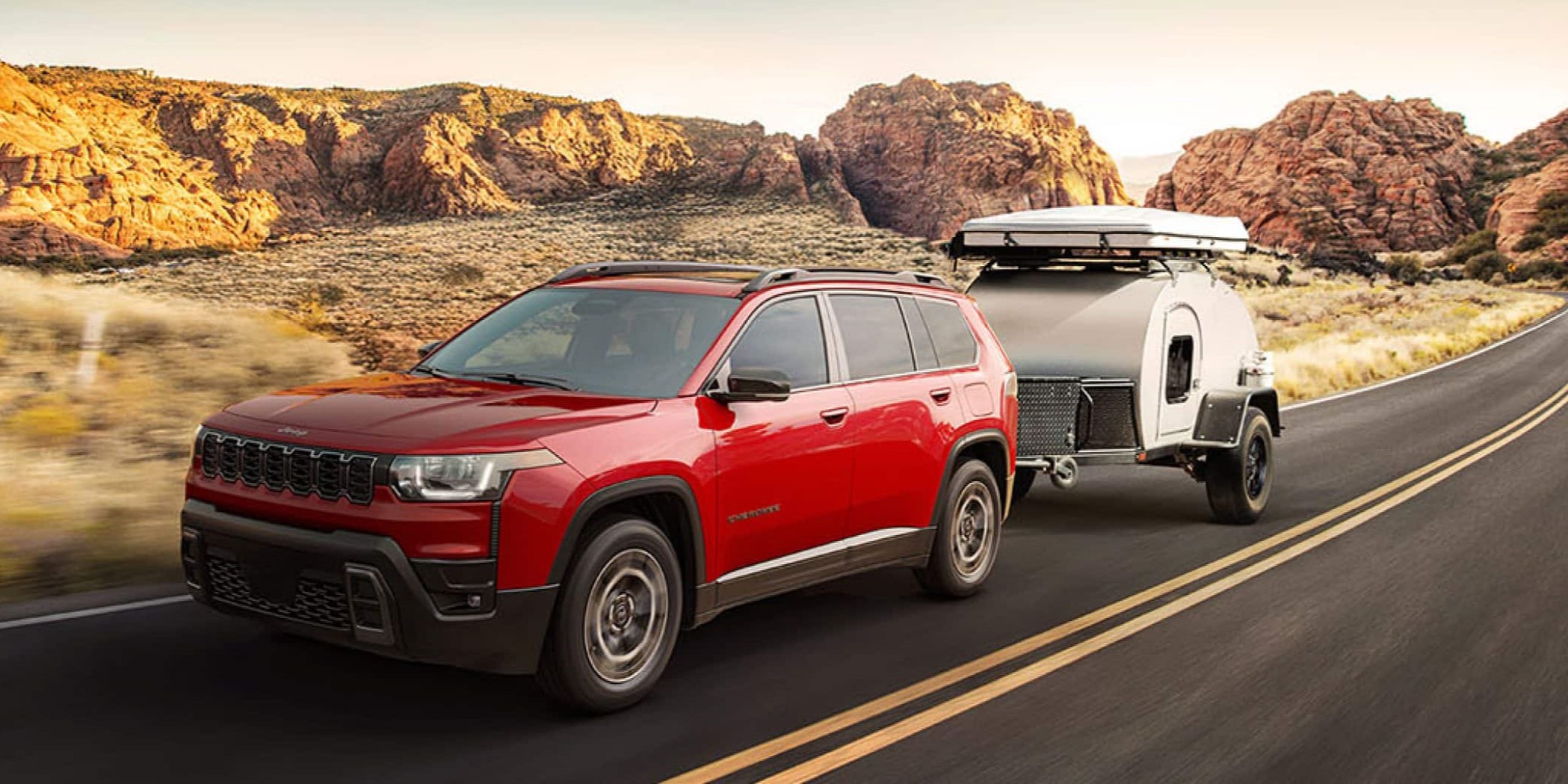
At the heart of the new Cherokee is Stellantis’ first North American application of a 1.6-liter turbocharged four-cylinder hybrid powertrain. The system is composed of a gasoline engine paired with two electric motors and a battery, producing 210 horsepower and 230 pound-feet of torque. The combined output promises an estimated 37 mpg and more than 500 miles of range on a single tank of fuel. According to Stellantis, the hybrid was tested extensively across millions of miles to deliver both reliable performance and efficiency. Production of the propulsion system will be based at the company’s Dundee Engine Plant in Michigan, underscoring Jeep’s emphasis on American manufacturing for critical components.
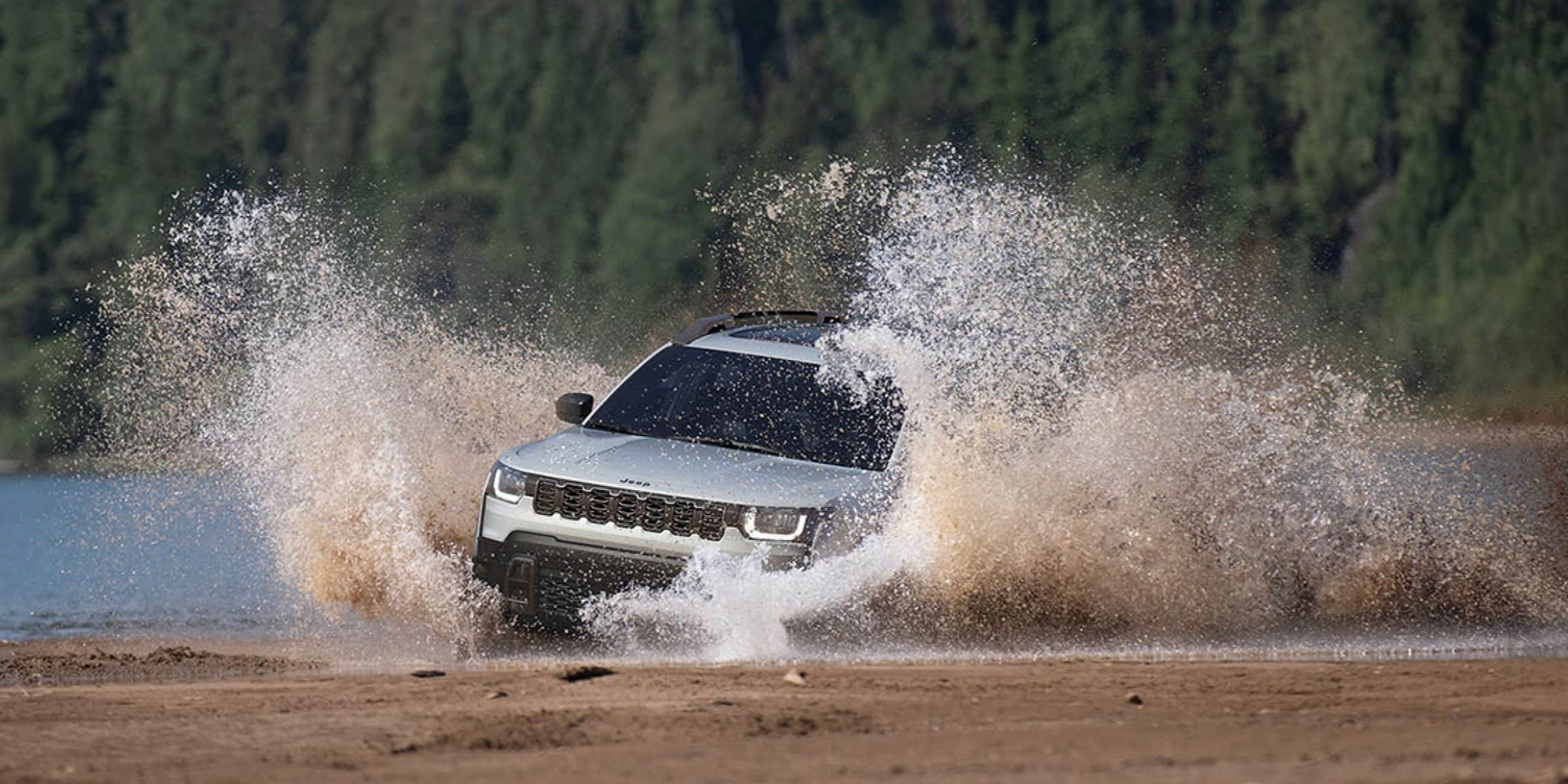
For those prioritizing off-road performance, the Cherokee continues to emphasize capability. Standard equipment includes Jeep’s Active Drive I four-wheel-drive system with rear-axle disconnect and a Selec-Terrain traction management system with four driving modes: auto, sport, snow, and sand/mud. The vehicle boasts best-in-class approach and departure angles of 19.6 and 29.4 degrees, an 18.8-degree breakover angle, and 8 inches of ground clearance. These numbers position the Cherokee competitively within the midsize SUV category, giving it the versatility to handle both city commutes and off-pavement travel.
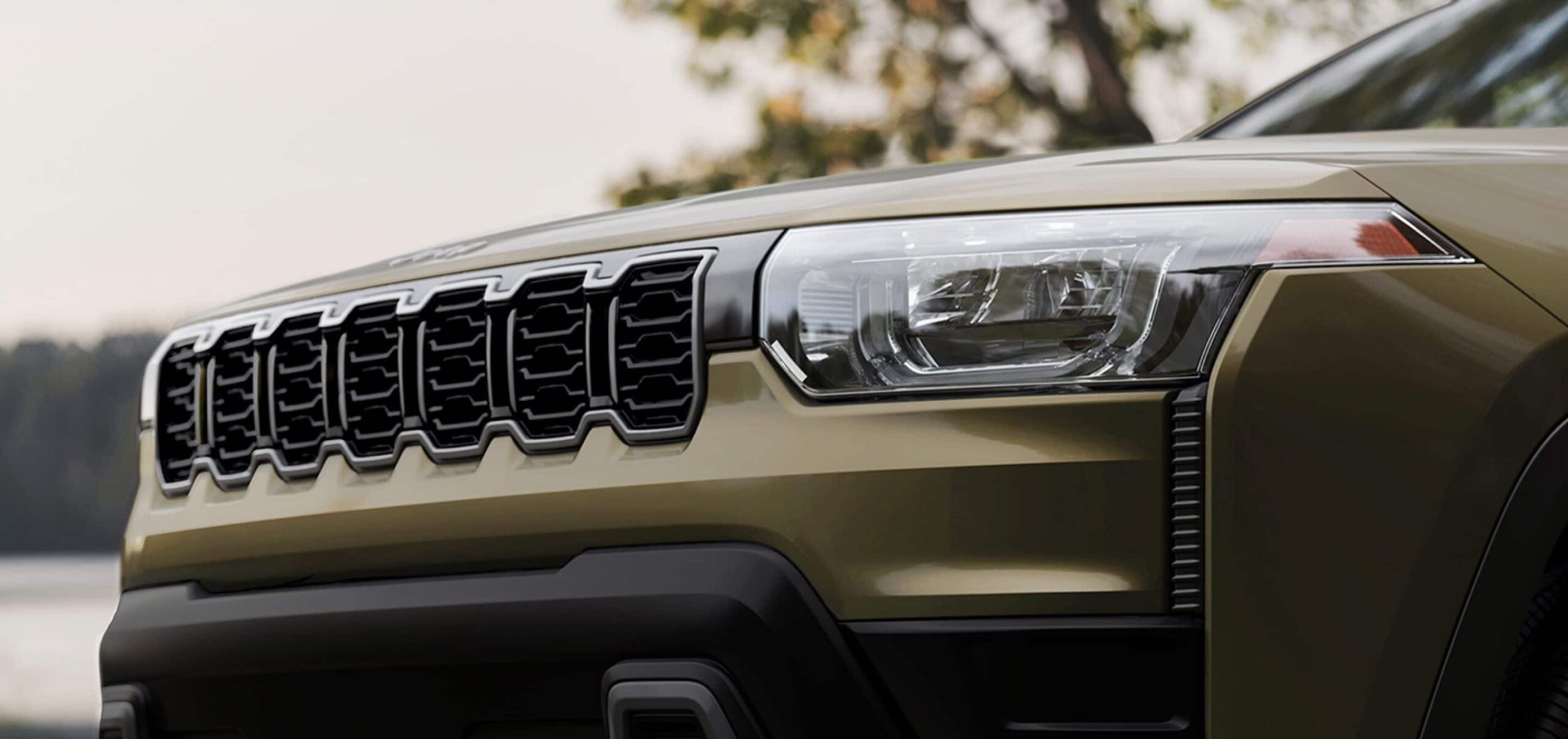
The exterior design embraces a boxier and more upright look, pulling inspiration from five decades of Cherokee models while updating proportions to meet modern expectations. The front fascia is distinguished by squared LED headlights and Jeep’s traditional seven-slot grille. Designers incorporated bold, squared-off body lines, a jerrycan-inspired taillight design, and an overall profile that makes the vehicle taller, longer, and wider than its predecessor. Jeep design chief Vince Galante described the shapes as both modern and evocative of the brand’s past, aiming to balance heritage with a forward-looking aesthetic.
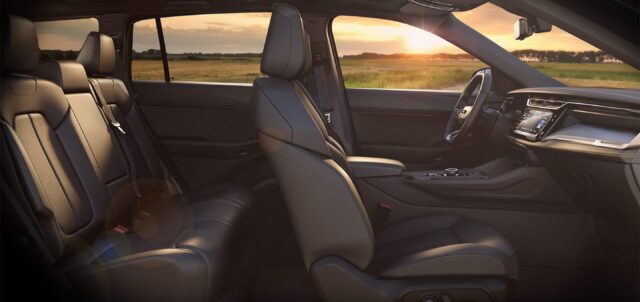
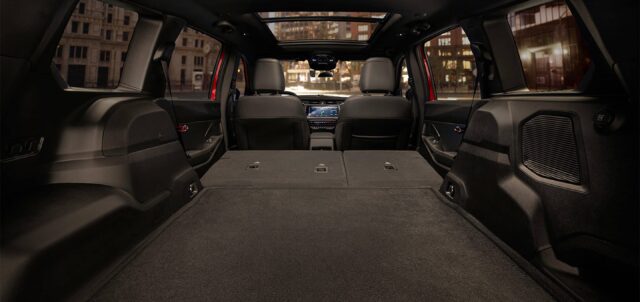
Inside, Jeep has expanded passenger and cargo space, creating a cabin that is both functional and visually elevated. The company reports a 30 percent increase in cargo volume compared to the previous Cherokee, aided by the addition of a rotary gear selector that frees up space. Materials have been chosen with sustainability in mind, with non-leather options and recycled carpeting included in the lineup. A Global Black interior motif is standard, with an Arctic color scheme available on higher trims. For the Overland edition, a distinctive perforation pattern adds refinement to the seats.
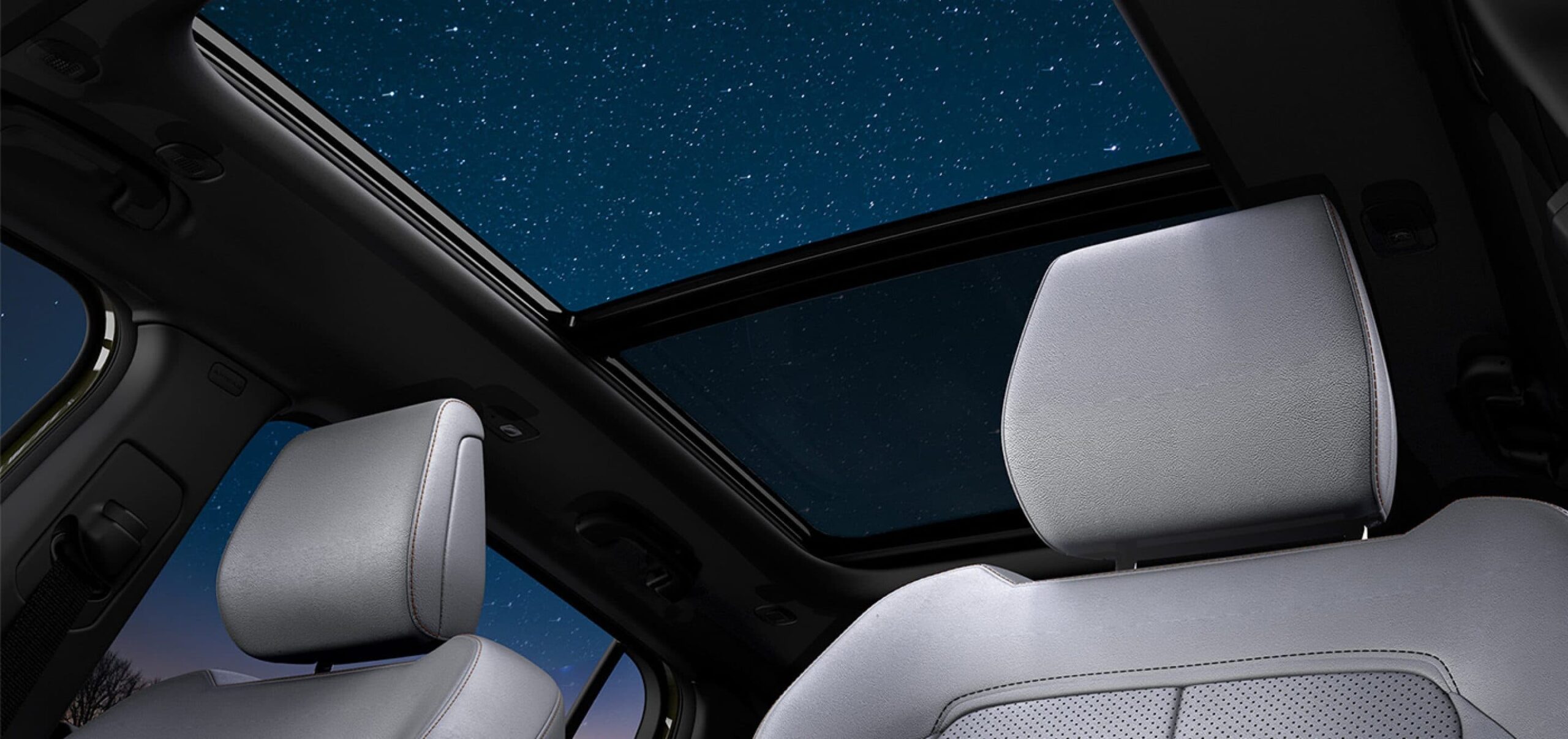
Technology features prominently in the 2026 Cherokee, with every trim level equipped with a 10.25-inch digital instrument cluster and a 12.3-inch touchscreen running Jeep’s Uconnect 5 infotainment system. Wireless Apple CarPlay and Android Auto are standard, along with an expanded suite of safety and driver-assistance features. These include automatic emergency braking with pedestrian and cyclist detection, intersection collision assist, blind-spot monitoring, drowsy driver detection, active driving assist with adaptive cruise control, and rear automatic emergency braking. In total, Jeep offers 140 standard and available safety features.
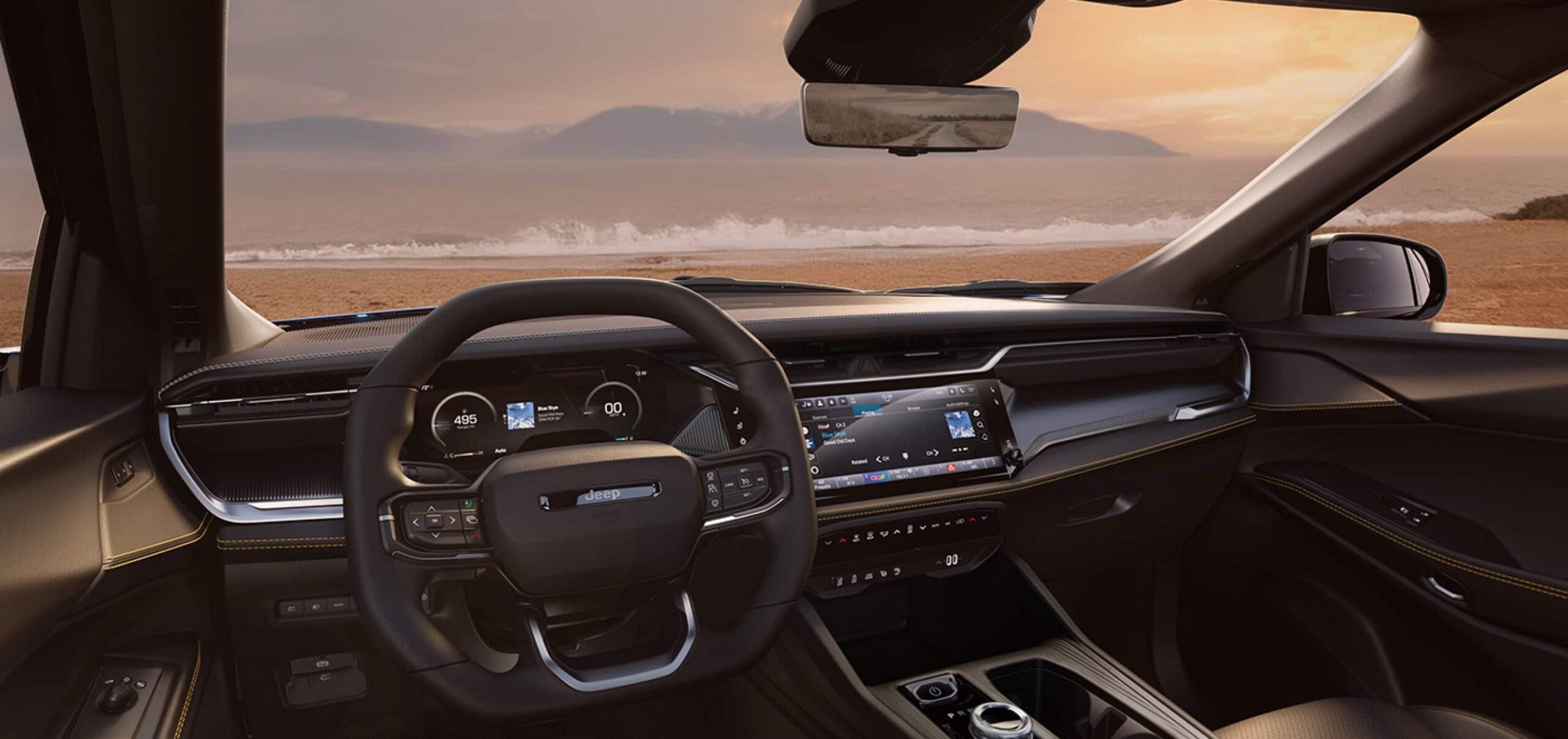
Connectivity is also central to the Cherokee’s appeal. Stellantis is providing a bundled package of connected services called Connect One at no additional cost, which includes 10 years of over-the-air updates and smartphone app functionality. Buyers may choose to upgrade to Connect Wi-Fi Plus, which includes unlimited data and additional connected features. Uconnect 5 supports Jeep’s AppMarket, a hub where owners can download apps for navigation, recreation, and entertainment, as well as purchase subscription services directly through the infotainment screen.
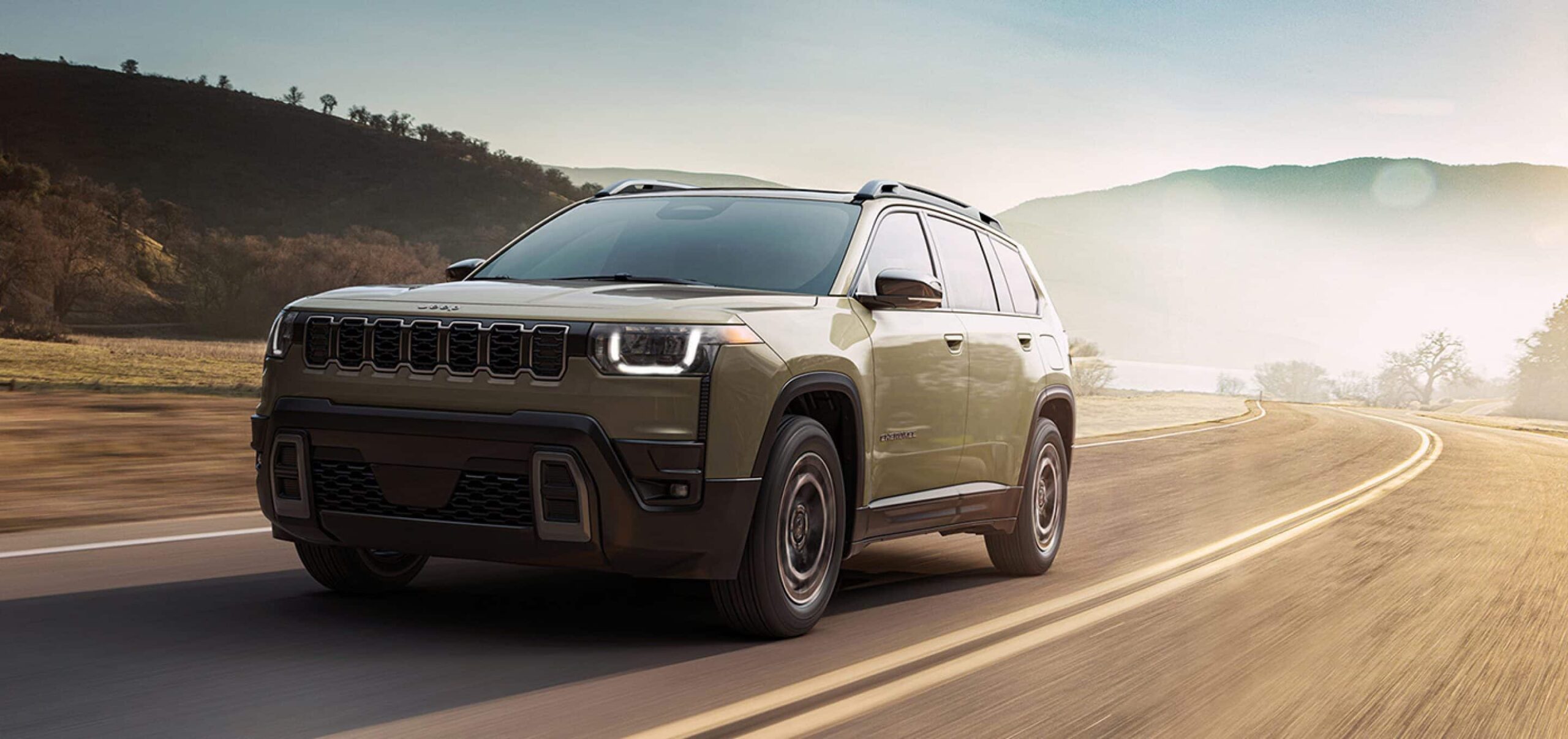
Pricing begins at $37,000 for the entry-level Cherokee, which includes a $2,000 destination charge. The Laredo trim starts at $40,000, with higher Limited and Overland trims priced at $42,500 and $46,000, respectively. The Limited and Overland will reach dealerships first in late 2025, with the entry Cherokee and Laredo following in early 2026. All models will be built at Stellantis’ Toluca assembly plant in Mexico.
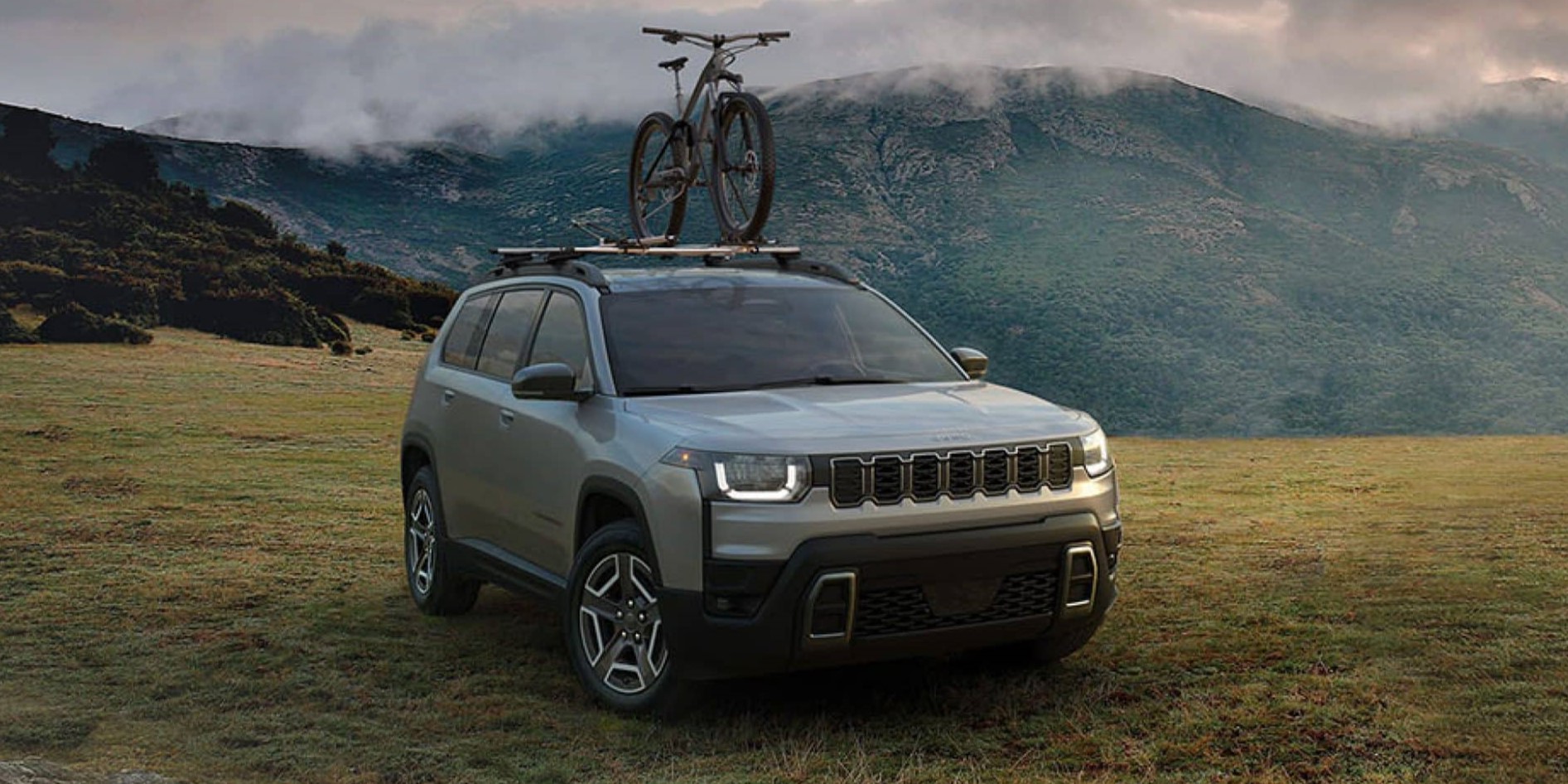
In bringing back the Cherokee, Jeep has combined elements of tradition and innovation. The 2026 model reclaims its space in the midsize SUV segment with an emphasis on practicality, improved fuel economy, and safety technology, while still promising the off-road capability the brand is known for. With a starting price under $40,000 and a hybrid system designed for long-distance range, the Cherokee aims to appeal to both long-time Jeep enthusiasts and new buyers seeking a balance between ruggedness and efficiency.
Read More: Overland News of the Week
Our No Compromise Clause: We do not accept advertorial content or allow advertising to influence our coverage, and our contributors are guaranteed editorial independence. Overland International may earn a small commission from affiliate links included in this article. We appreciate your support.
