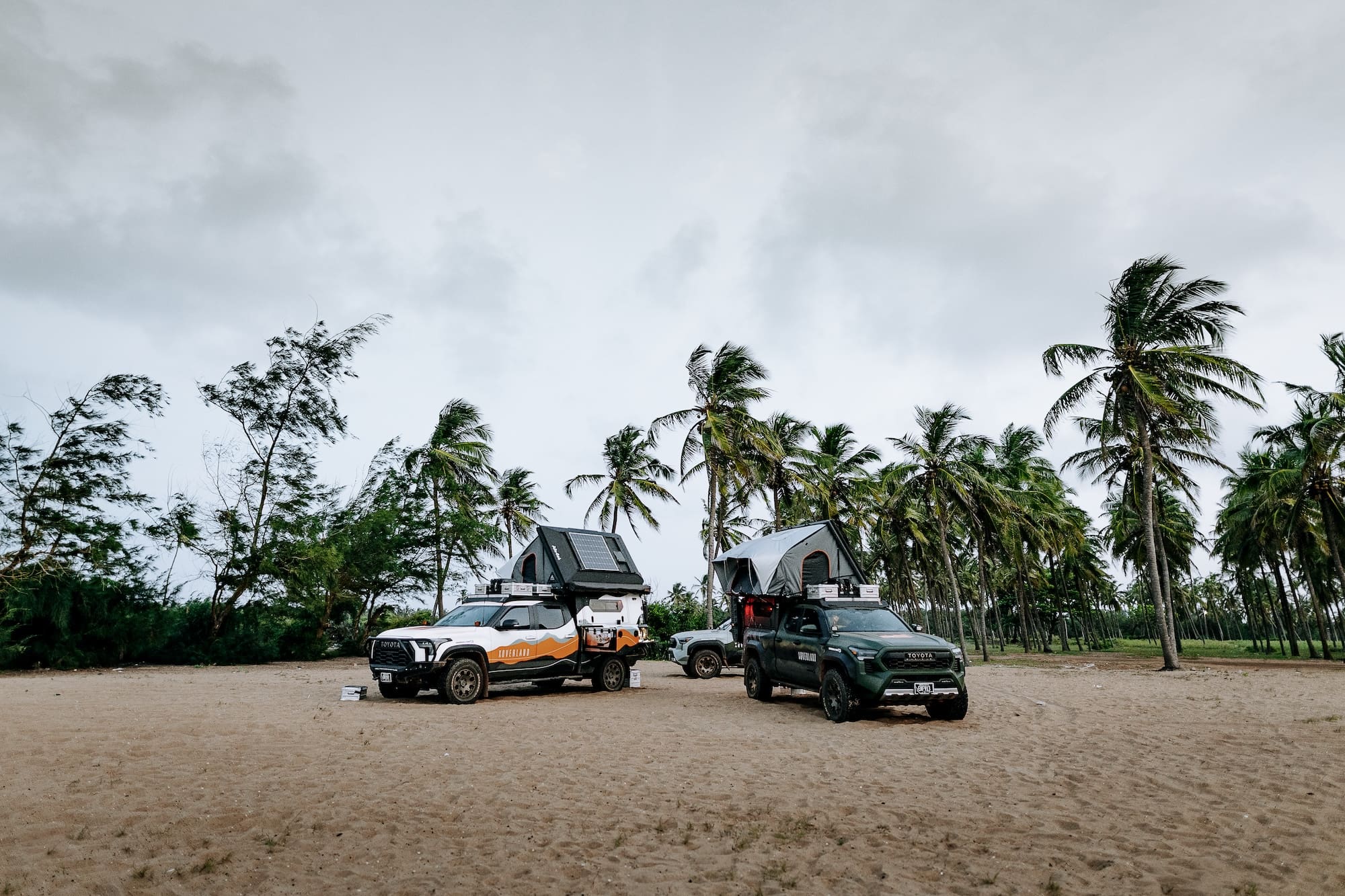

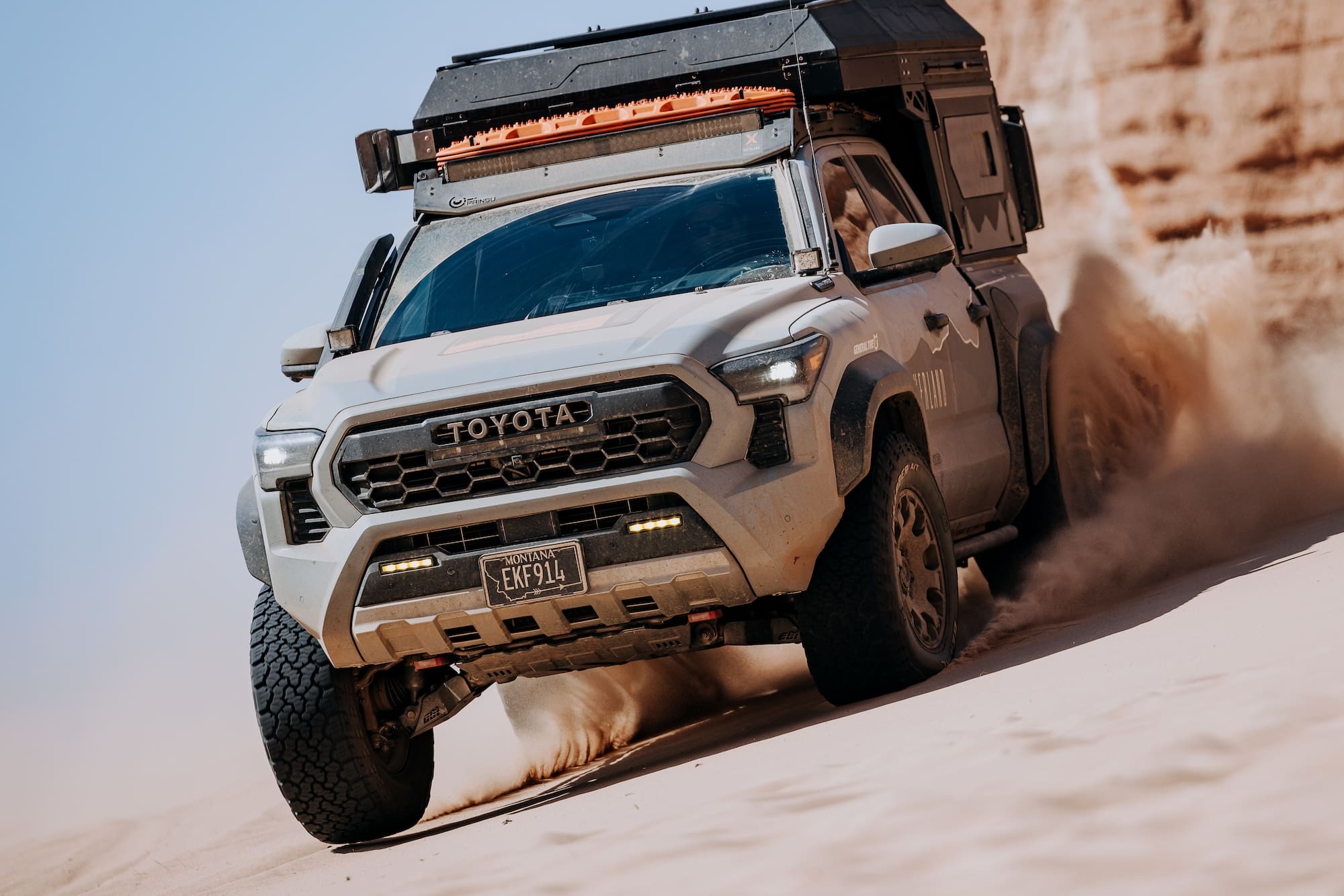
At Expedition Portal, we have been longtime friends with the XOverland crew, and in 2025, we joined forces, which also gave me the opportunity to finally travel in one of their expedition Toyotas. I have always loved how they look, with all the latest cool products and stunning graphics packages. But how would they work crossing West Africa? Would they be too heavy? Would they actually perform in expedition conditions? I joined the XOverland team for their crossing of West Africa, and these are some of my impressions and lessons learned traveling in an XOverland Toyota through 18 countries and some of the most challenging travel conditions on the planet.

10 Lessons Learned Overlanding in XOverland Toyotas:
- Start with the Best Platform Possible
For over 15 years, XOverland has chosen Toyota vehicles for the base of their expedition builds. This has primarily included Tacomas and Tundras, but also the full offering of SUVs, like the new 250 Land Cruiser, or a Sequoia. Starting with a Toyota removes much of the guesswork, because reliability and durability are the hallmarks of the brand. For example, the new Tacoma Trailhunter comes from the factory with an ARB rear bumper, a raised air intake, Old Man Emu shocks, a rear locking differential, and up to 1,400 pounds of payload. - Emphasize Equipment Storage and Organization
For Clay Croft and his team, they are often producing a television series, or even a feature film from the road, so organization and properly secured equipment is key. I was impressed with how easy it was to access charged batteries, or the drone, or even a shovel if the moment required it. Everything came easily to hand, save for a few deep storage bins of spare parts and hardware (not needed often). Clay wanted to minimize the number of items that had to be moved to find what you need, and it works. - Experiment
One of the goals of XOVERLAND has always been to experiment with new vehicles, new aftermarket products, new technologies, and new methods of telling a great story. This means trying and sometimes failing, but making sure those learnings happen prior to the expedition. As a result, they often build trucks months in advance so that they can test them in Montana before they are put in a container for shipment. For the Milestones journey, they also had the opportunity to test them all the way across North America, just to make sure everything worked as anticipated. As a result, we had no issues of note in Africa.
- Prioritize Sleep
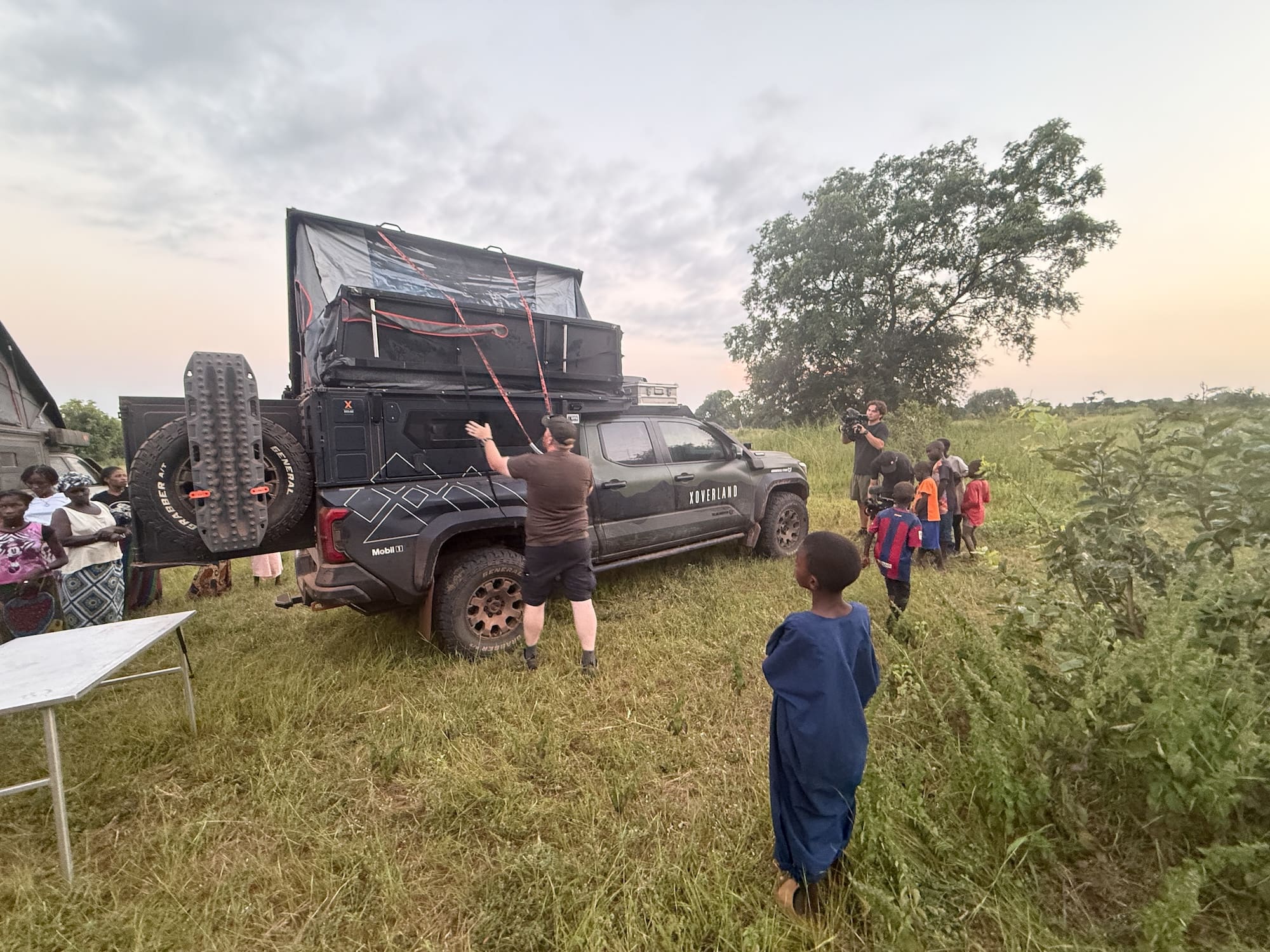
While traveling, and life in general, sleep is the cornerstone of good health and personal performance. As a result, XOverland emphasizes quality sleep while on the road. They also have the goal of camping as much as possible (yay), which can be nearly 100 nights on a trip like the Milestones. For this, they installed Alu-Cab campers from OK4WD. Their family tent models lift up and out to the side, extending the sleeping surface to a king bed. This can give two or even three travelers their own sleeping space, while also being able to stand up to clean up, change clothes, or even sit and work. As the expedition leader, Clay made sleep a priority around decision-making, and most nights we were able to be asleep before 10 p.m. In dangerous driving conditions, being alert and rested is critical.
- Focus on Quality
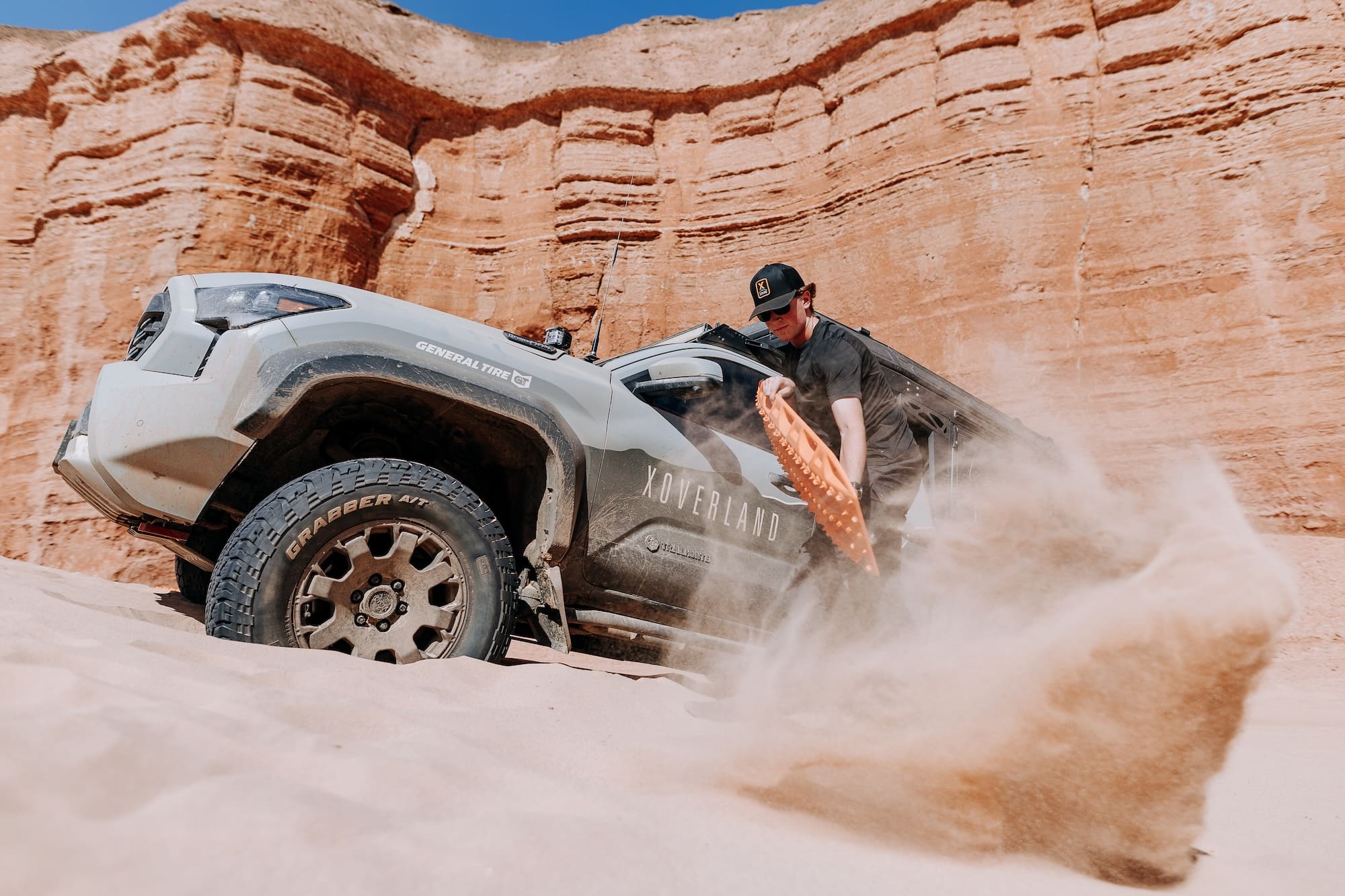
If you cannot install a product of high quality, you are better off without it. XOverland avoids the checkbox trap, and only installs components that directly meet their performance and reliability expectations. For example, they installed Redarc systems across all three vehicles, which proved to be 100% reliable, while also providing sufficient power management for the tech-hungry crew. At every touchpoint, the product chosen was one of the best in the business, and that saved us time and frustration in the end. - Save Weight Where You Can
All expedition vehicles get heavy, carrying huge water and fuel loads, along with tools, spares, and occupants. The XOverland trucks are heavy, but they work to save weight were they can, like skipping front bumpers and winches on the Tacomas, or spreading the occupants out over more vehicles. They also adjust for the increased loads by installing springs with the proper rate, keeping the lift heights low, or even installing larger brake package. The lesson learned was that sometimes the demands of the trip (water and fuel in particular) might push the vehicle over GVWR, but those loads can be titrated based upon demand. Where fuel and water is easily available, we could bring less into the tanks.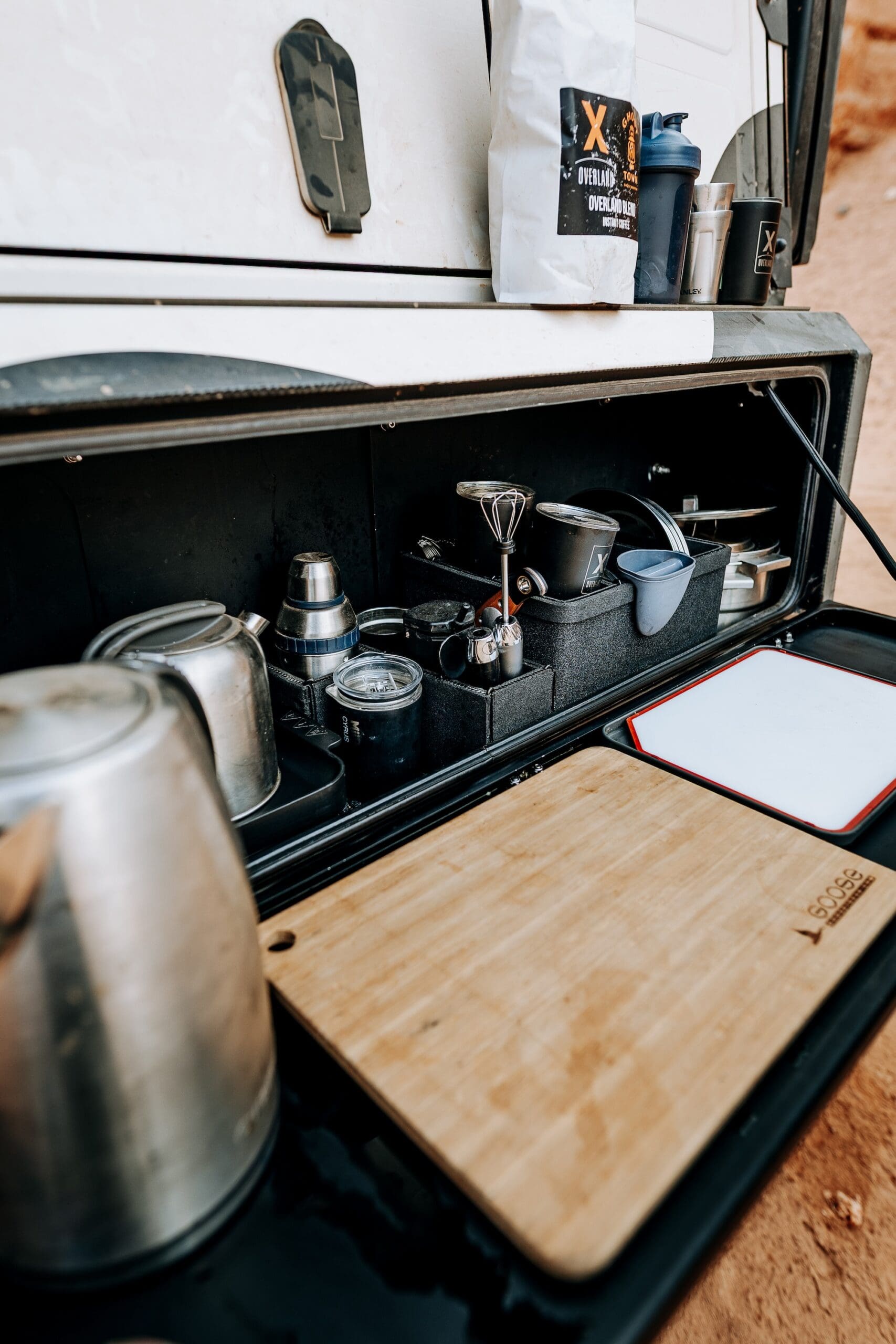
- Make Cooking Easy and Accessible
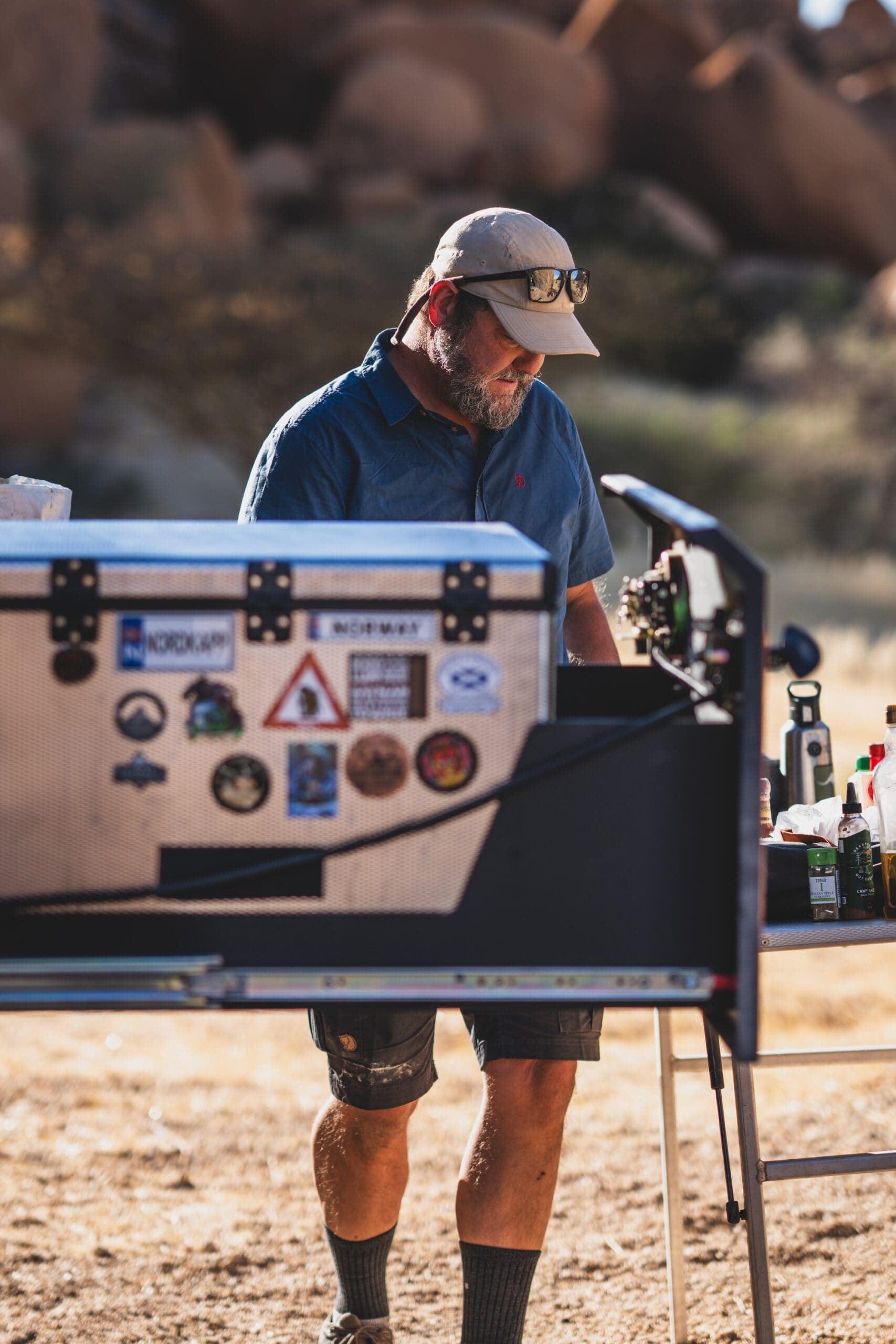
We cooked in camp a lot, and it was as easy as it gets. A large Alu-Cab awning covered the side of “Roman” (the Tundra), and a National Luna fridge slides out from a drawer slide on the Bowen Customs tray bed. Another door opens down, making a prep surface, which also stores a dual-burner induction cooktop, electric hot water kettle, and a full complement of cutlery and dishes. This made it easy for “Cookie” (that role rotated throughout the trip, but Andy and Kurt did most of the heavy lifting). As Frederick the Great famously said “An army marches on their stomachs,” and the same is true for overland travel. Healthy, hearty meals keep spirits up, encourage connection, and keep the body strong for the challenging days on the trail.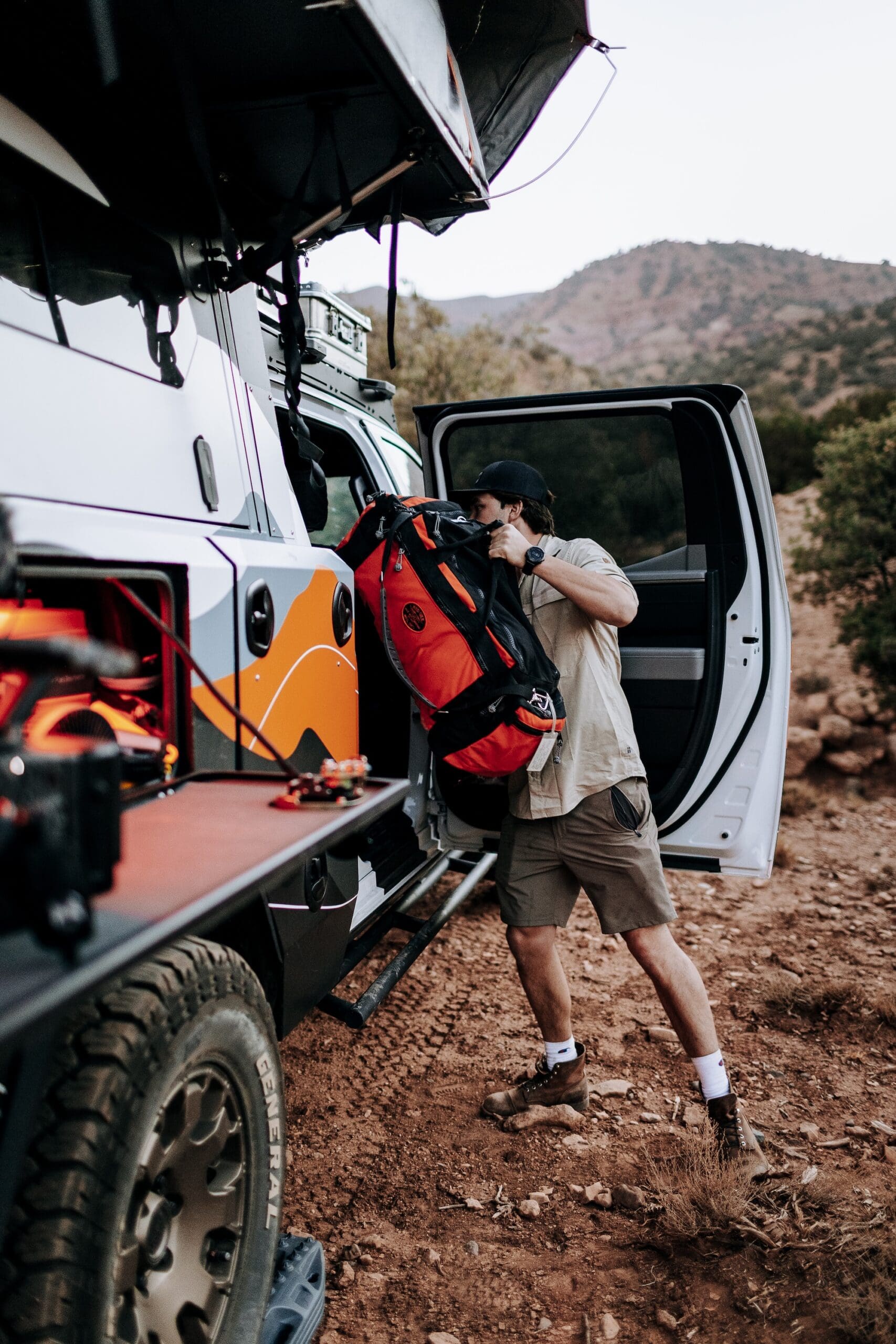
- Build the Vehicles to Help the Team Thrive
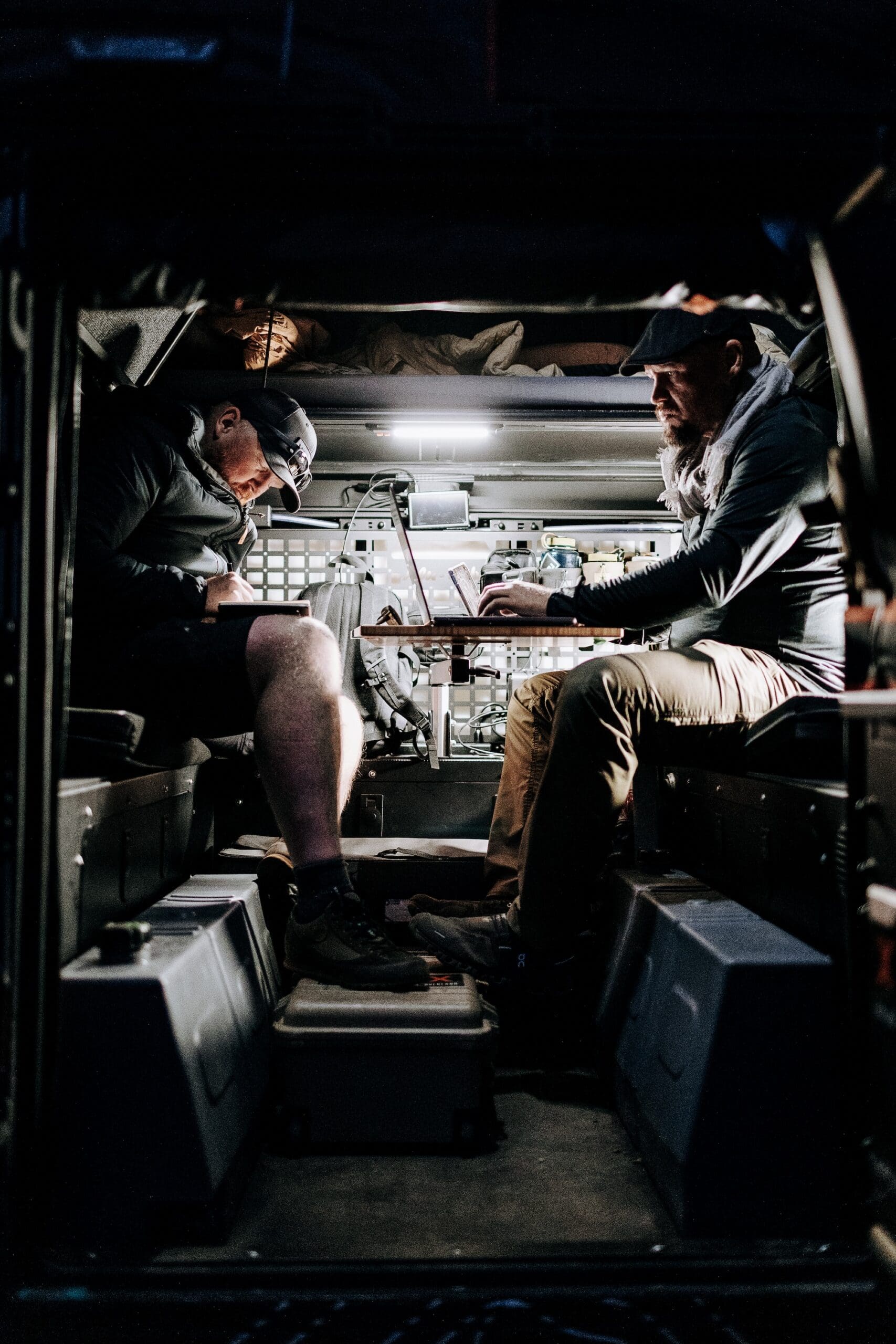
While preparing for this article, I asked Clay Croft what his primary build criteria is, and he simply said “We build the vehicles to help the team thrive.” When I asked further, he mentioned numerous examples, like ease of access to equipment, comfortable sleeping conditions, Starlink to help the team stay connected with family, and an emphasis on safety to help the team feel confident that they can get to the end of the road and back home. With our own vehicles, it is important to ask the same question. What about our vehicle is causing frustration or friction in the travel process? Can we remove it or improve it?
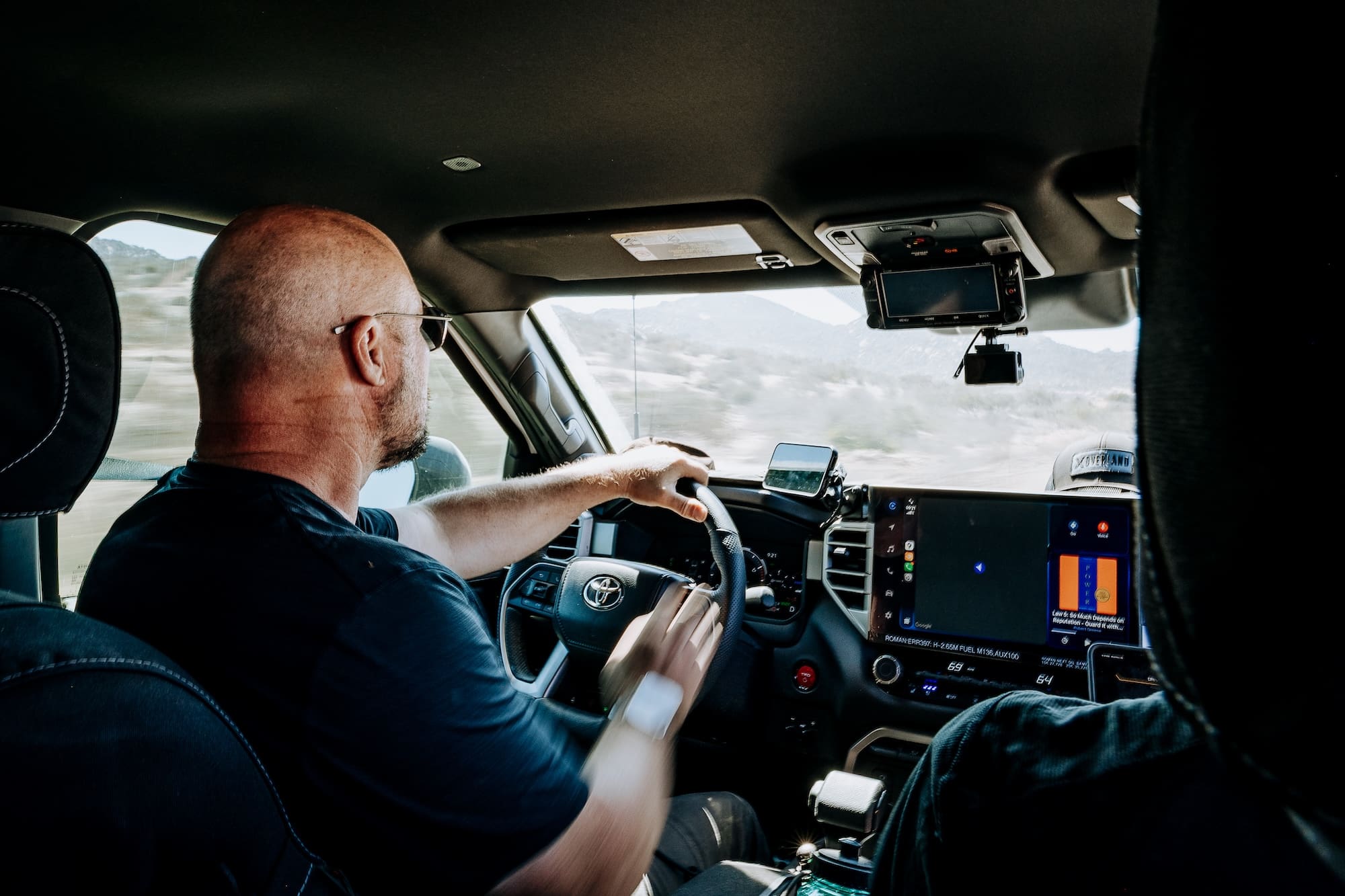
- Have Enough Fuel Range
While there are many gas stations around the world, not every one of them has fuel. We knew that crossing West Africa would be a serious challenge to fuel range, so Clay had custom 100-liter auxiliary fuel tanks manufactured and installed for each of the three trucks. We also had several 20 liter fuel cans on each vehicle, all adding up to over 1,000 kilometers of range, even fully loaded or on backcountry routes. There were several countries where fuel was hard to find, and at one point we passed over a dozen stations without any unleaded available. This allowed us to keep driving, or avoid needing to buy questionable fuel off the black market. - Finish Strong
As we neared the end of the Milestones Expedition, Clay would start the day with the same mantra: “Gentlemen, we are on the final mile,” which was a reminder to stay vigilant as we got close to the end. It is so critical as drivers to practice mechanical sympathy and preserve the vehicle. Drive smooth and only drive when you are feeling focused and alert. We looked out for each other, and would help get the driver snacks or even play DJ so they would stay off their phones. We did daily vehicle checks to catch problems before they start, and that made all the difference. We made it across Africa without an accident; we made it to the final mile.
Overall, I was impressed with how well the trucks worked and how comfortable they were to live out of. They felt capable and safe, and we never experienced any reliability issues with the Toyotas, and only a few minor issues with the build (like a loose bolt, or a fridge that stopped working). The new series drops on March 26, which features our crossing of three continents and one of our most challenging expeditions yet.